
white baneberry
Also known as: DNA plant; doll's eyes; necklace weed; Noah's Ark; snakeberry; toadroot; white beads; whiteberry
An herbaceous perennial to 90cm, forming clumps of divided, bright green leaves. Spikes of small fluffy white flowers are followed by white berries with conspicuous red stalks
Scientific classification
- Species
- white baneberry (Actaea pachypoda)
- Genus
- Actaea
- Family
- Ranunculaceae
- Harmful if eaten. Wear gloves and other protective equipment when handling
- Toxicity
- Herbaceous Perennial
- Plant type
- 0.5-1 metres
- Height
- 0.1-0.5 metres
- Spread
- Deciduous
- Foliage
- Bushy
- Habit
- Summer
- Season of interest
- Partial shade
- Sunlight
- Information to be completed
- Ideal temperature









white baneberry pictures
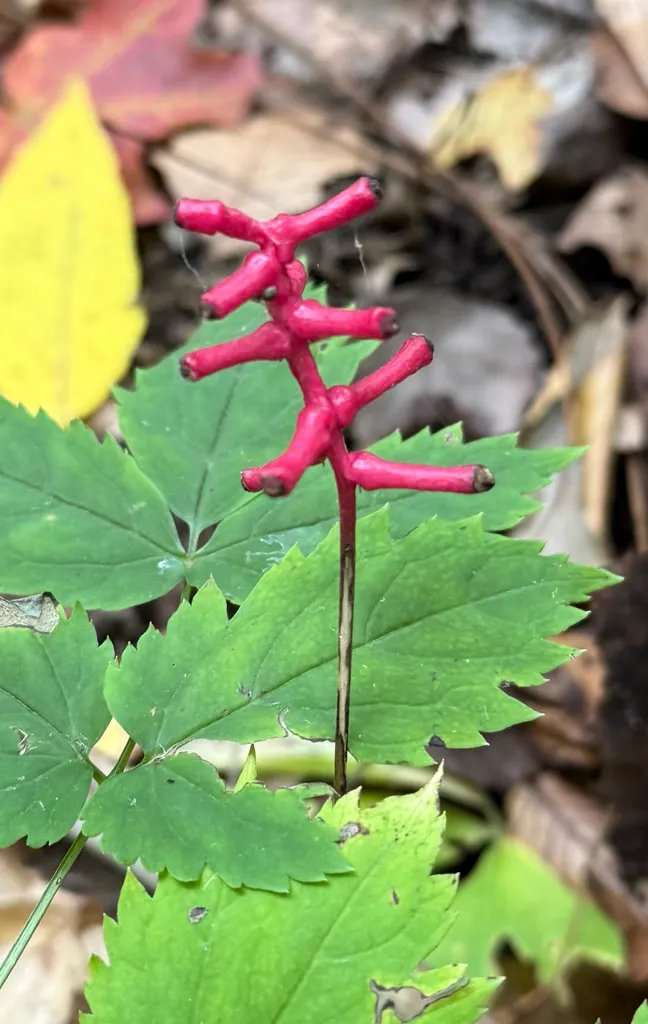
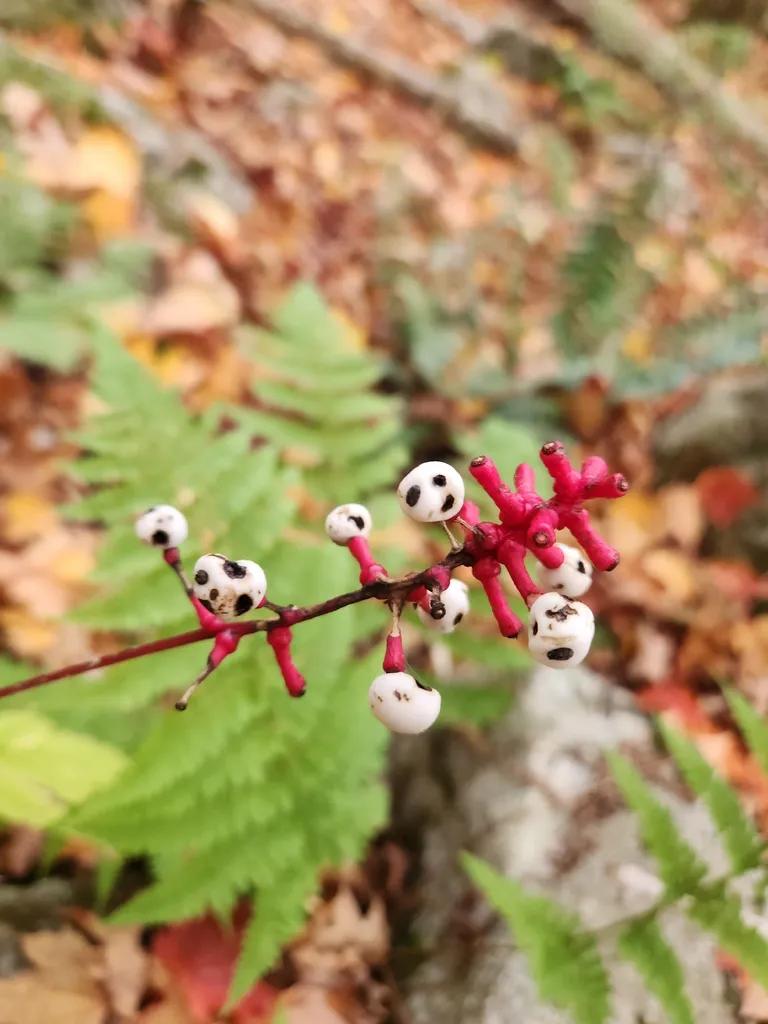
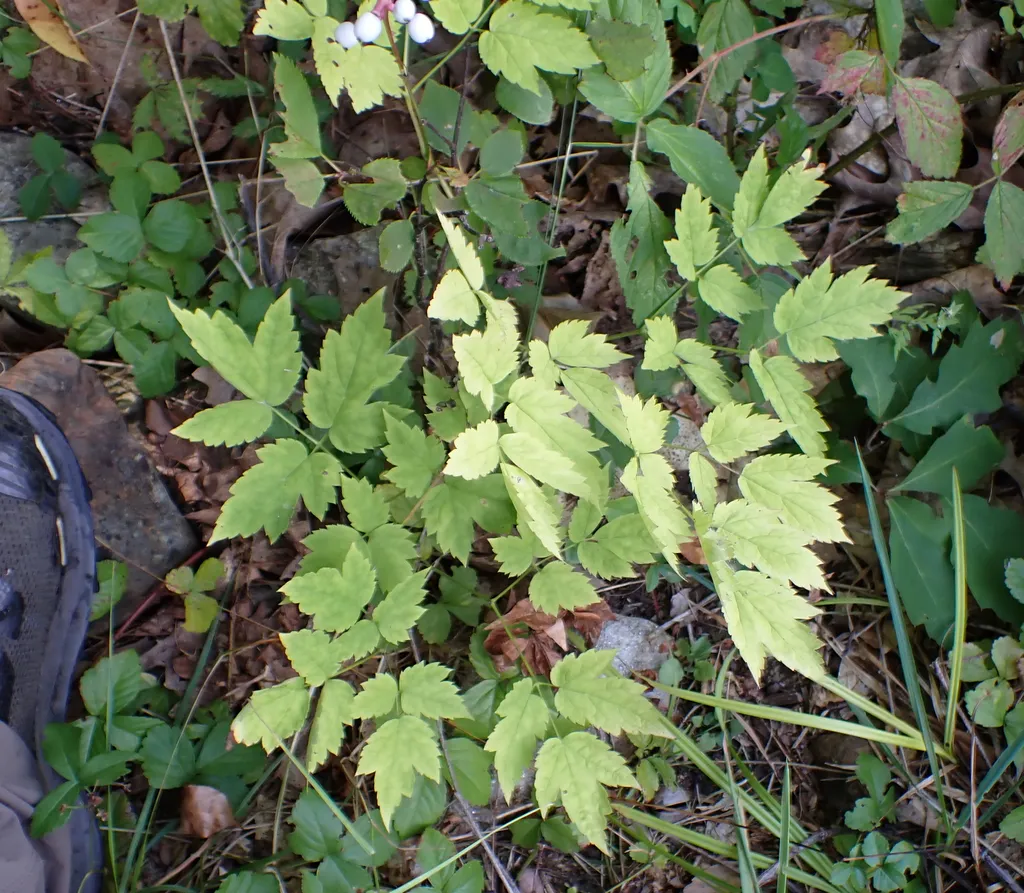
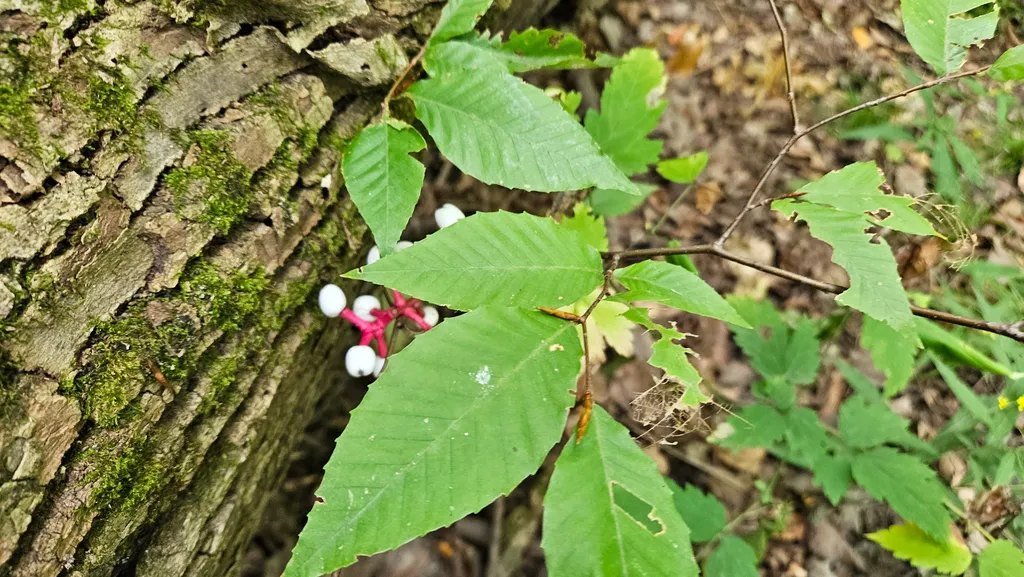
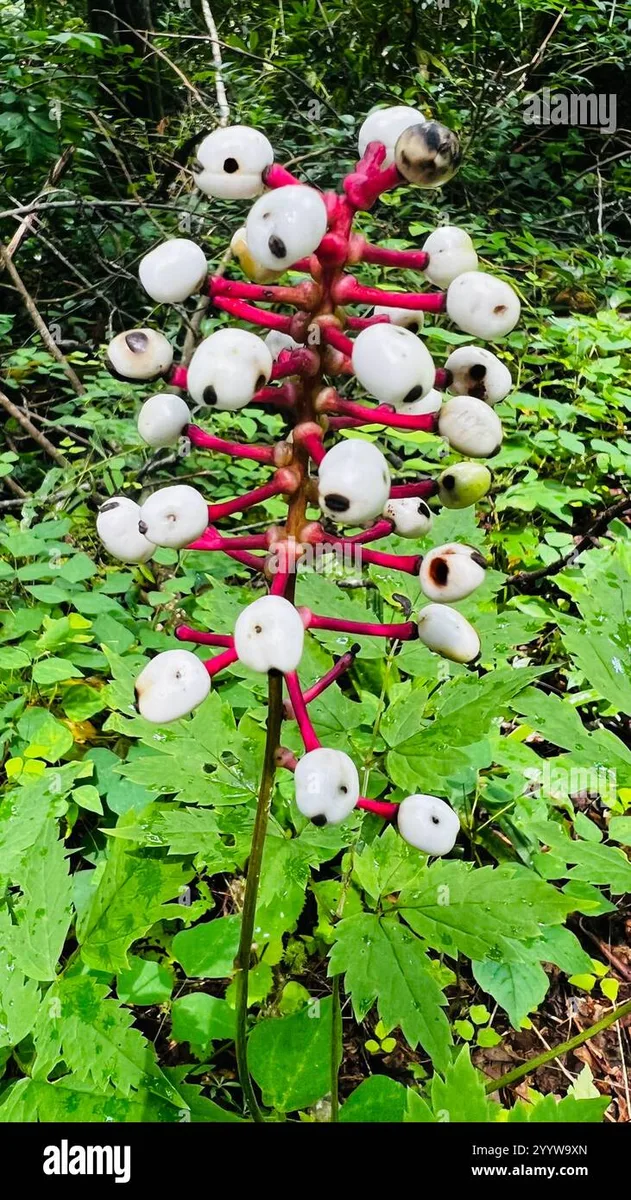
Distribution of white baneberry
Distribution map
Eastern North America
Information to be completed
Culture
Information to be completed
Toxicity
Harmful if eaten. Wear gloves and other protective equipment when handling
Quick identification of white baneberry
Information to be completed
white baneberry care guide
- Evenly moist cool soil required, avoid complete root drying
- Watering
- Partial shade
- Sunlight
- Information to be completed
- Ideal temperature

Watering
Evenly moist cool soil required, avoid complete root drying
Fertilizing
 Fertilizing
Mild organic woodland plant feed once monthly spring to fall
Pruning
 Pruning
Cut back after fruiting
Propagation
 Propagation
Propagate by seed sown in pots in a cold frame in autumn or by division in early spring
Growing
 Growing
Grow in cool, moist, moderately fertile soil, enriched with organic matter. Water thoroughly in dry weather.
People also ask
Information to be completed
Common pests and diseases
Diseases
Generally disease-free
Pests
Generally pest-free
Explore the plant health library →




