
red baneberry
Also known as: black cohosh; coralberry; rattlesnake herb; redberry; snakeberry
A clump-forming herbaceous perennial to 50cm, with bright green, divided leaves and spikes of small, fluffy white flowers in late spring and early summer, followed by glossy scarlet berries
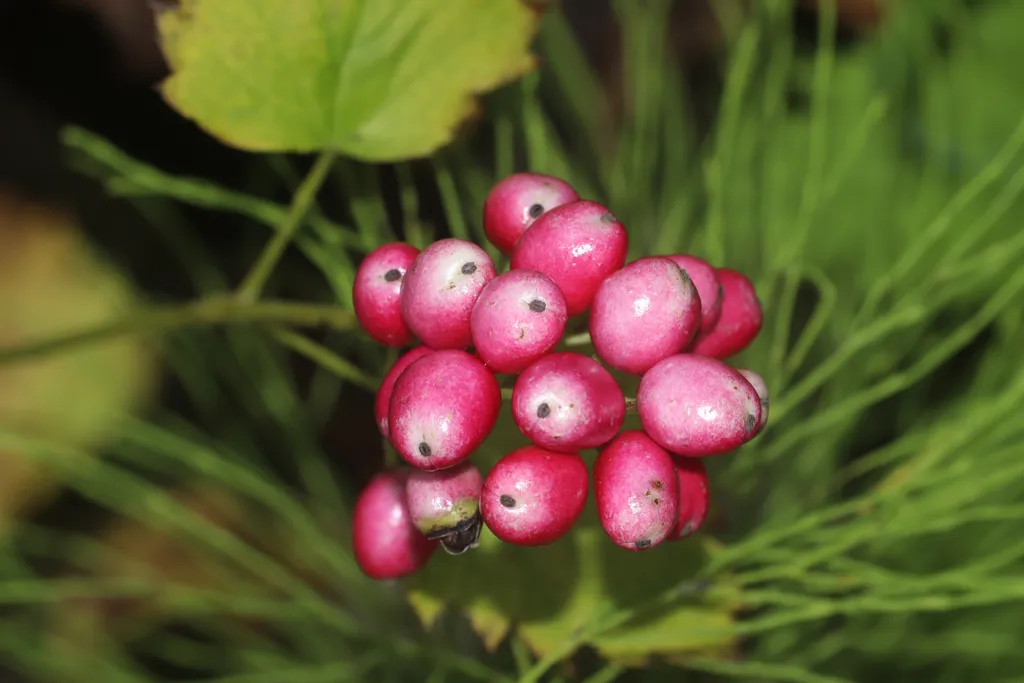
Scientific classification
- Species
- red baneberry (Actaea rubra)
- Genus
- Actaea
- Family
- Ranunculaceae
- Harmful if eaten. Wear gloves and other protective equipment when handling
- Toxicity
- Bogs · Herbaceous Perennial
- Plant type
- 0.1-0.5 metres
- Height
- 0.1-0.5 metres
- Spread
- Deciduous
- Foliage
- Clump forming
- Habit
- Spring · Summer · Autumn
- Season of interest
- Partial shade
- Sunlight
- Information to be completed
- Ideal temperature









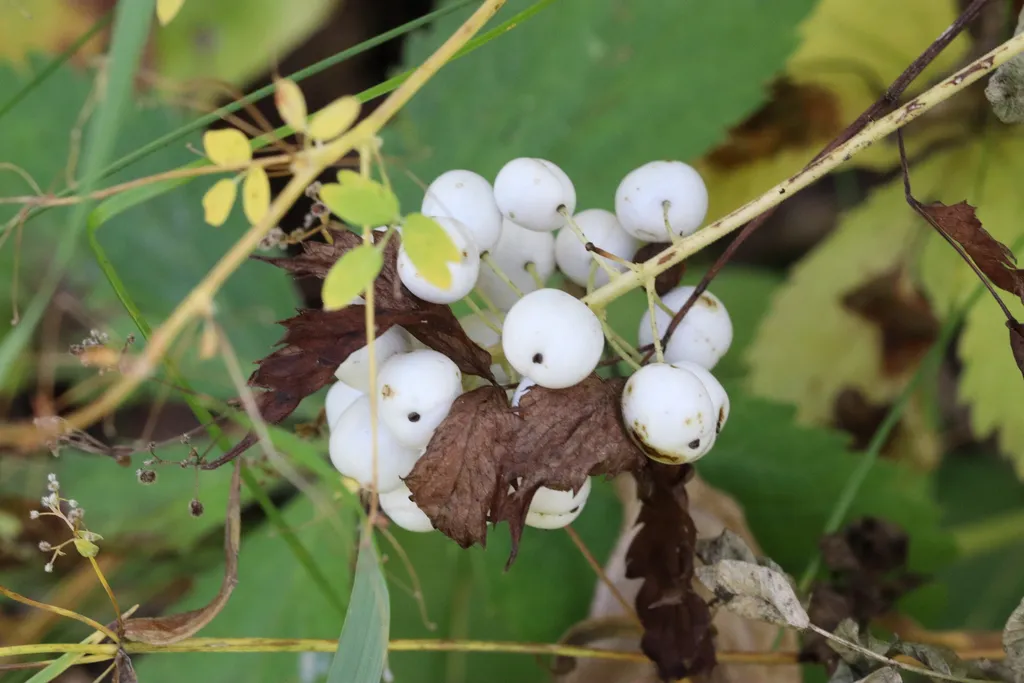
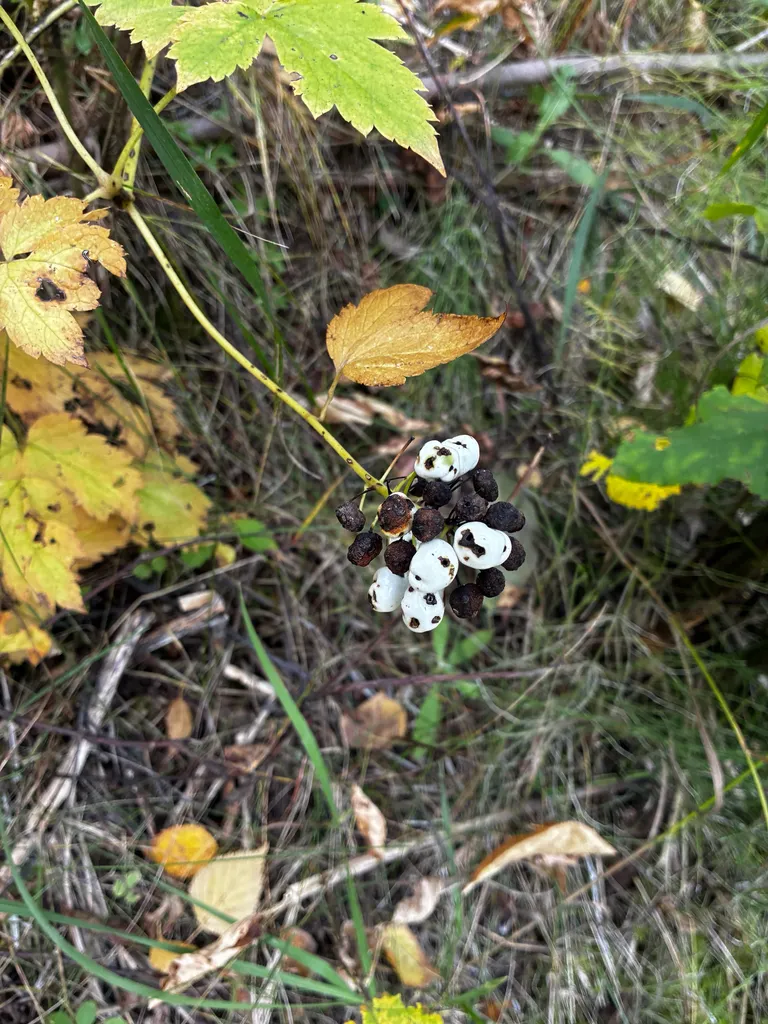
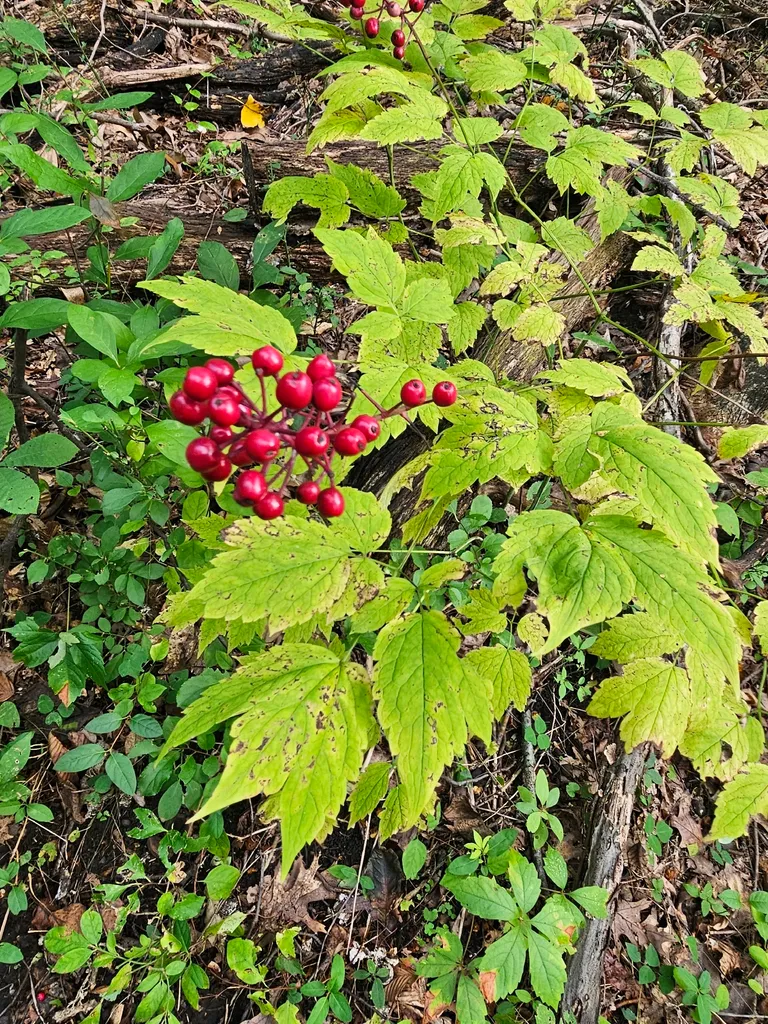
red baneberry pictures
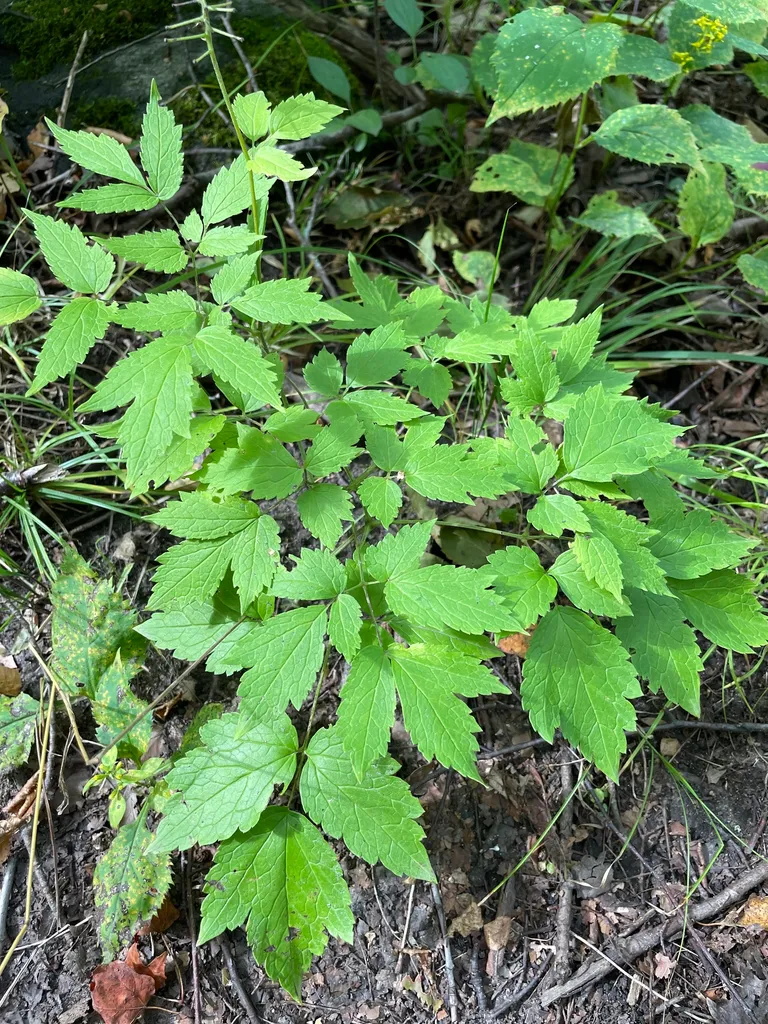
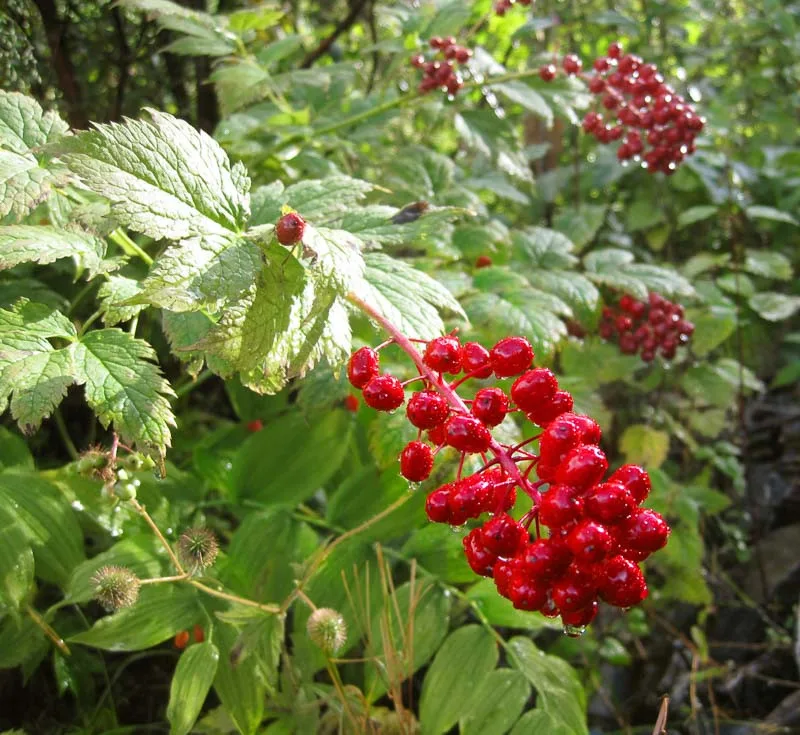
Distribution of red baneberry
Distribution map
North America
Information to be completed
Culture
Information to be completed
Toxicity
Harmful if eaten. Wear gloves and other protective equipment when handling
Quick identification of red baneberry
Information to be completed
red baneberry care guide
- Moderate regular watering, allowing brief slight drying between soakings
- Watering
- Partial shade
- Sunlight
- Information to be completed
- Ideal temperature

Watering
Moderate regular watering, allowing brief slight drying between soakings
Fertilizing
 Fertilizing
Balanced perennial feed every four weeks from spring through summer
Pruning
 Pruning
Cut back after flowering or fruiting
Propagation
 Propagation
Propagate by seed sown in pots in a cold frame in autumn or by division in early spring
Growing
 Growing
Best grown in cool, moist, reasonably fertile soil in partial shade but will tolerate most soils if enriched with organic matter
People also ask
Information to be completed
Common pests and diseases
Diseases
Generally disease-free
Pests
Generally pest-free
Explore the plant health library →




