
Oxalis palmifrons
Also known as: Information to be completed
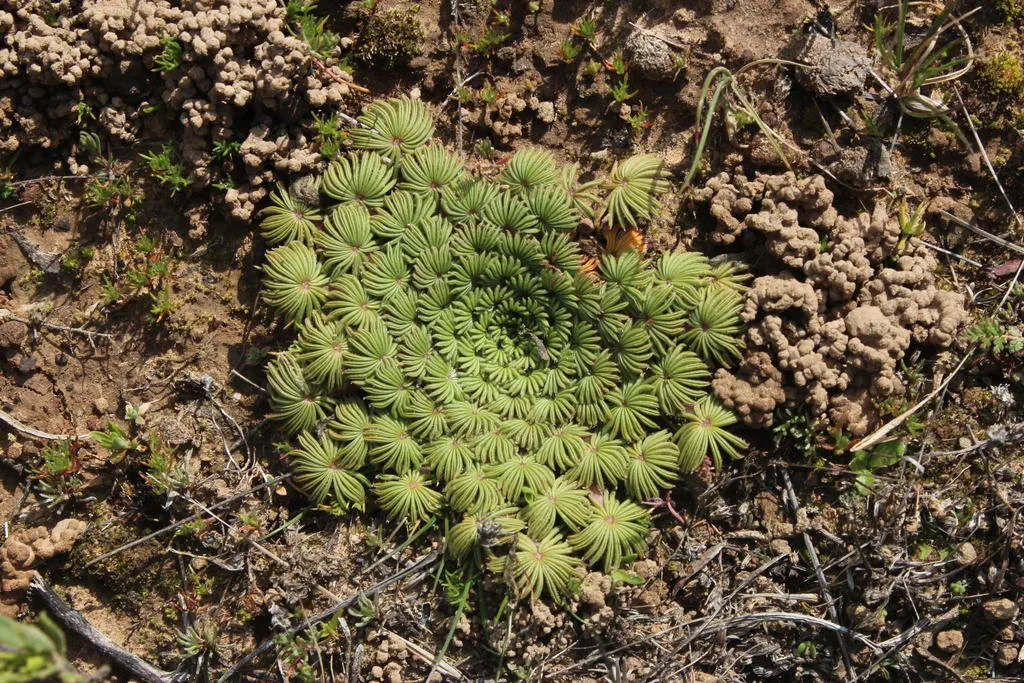
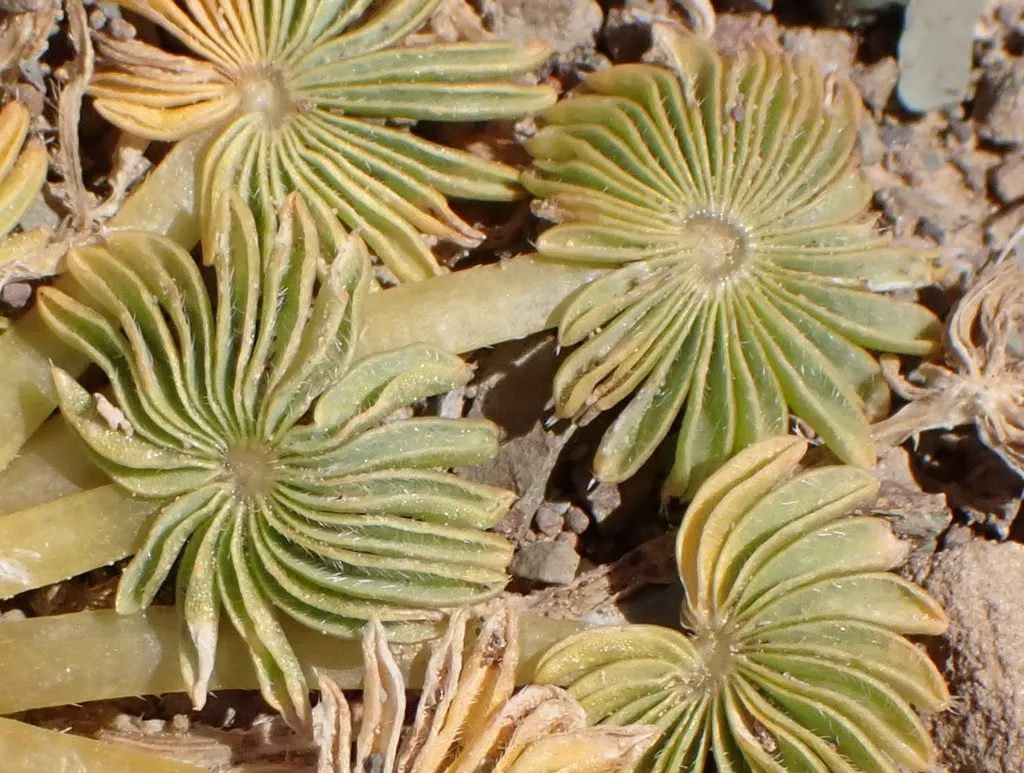
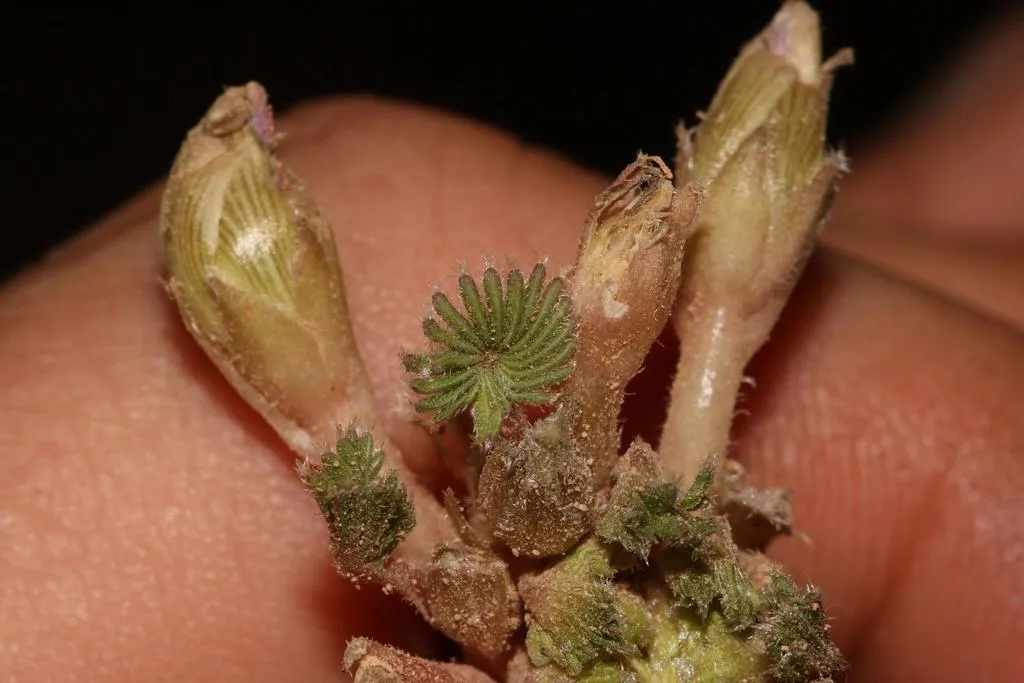
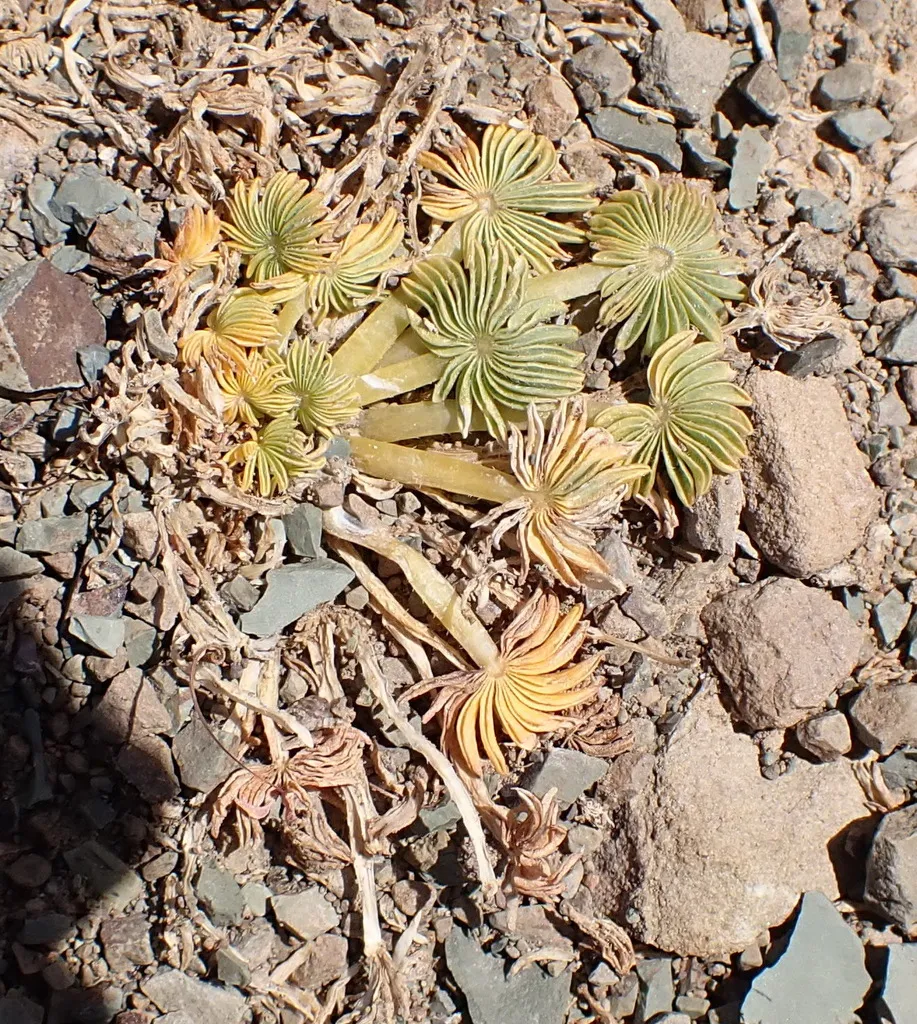
A slow-growing, spreading, bulbous deciduous perennial, dormant during the summer months and forming rosettes of fleshy, green, palm-tree shaped foliage which can turn red-orange in the autumn. Trumpet-shaped white to pale pink flowers with stripey-yellow centres appear autumn to winter
Scientific classification
- Species
- Oxalis palmifrons (Oxalis palmifrons)
- Genus
- Oxalis
- Family
- Oxalidaceae
- Order
- Oxalidales
- Class
- Magnoliopsida
- Phylum
- Magnoliophyta
- Information to be completed
- Toxicity
- Alpine Rockery · Bulbs · Conservatory Greenhouse · Houseplants
- Plant type
- Information to be completed
- Height
- Information to be completed
- Spread
- Deciduous
- Foliage
- Clump forming
- Habit
- Autumn · Winter
- Season of interest
- Partial shade
- Sunlight
- Information to be completed
- Ideal temperature









Oxalis palmifrons pictures
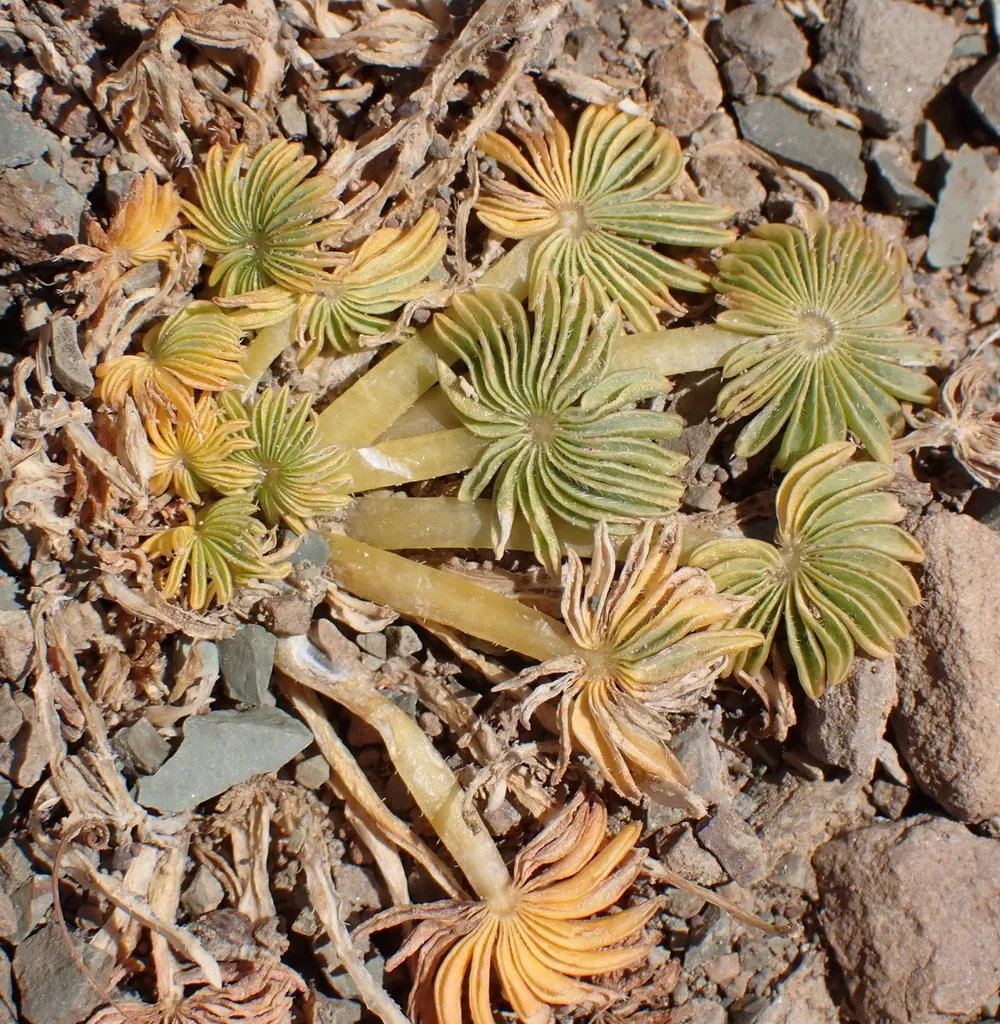
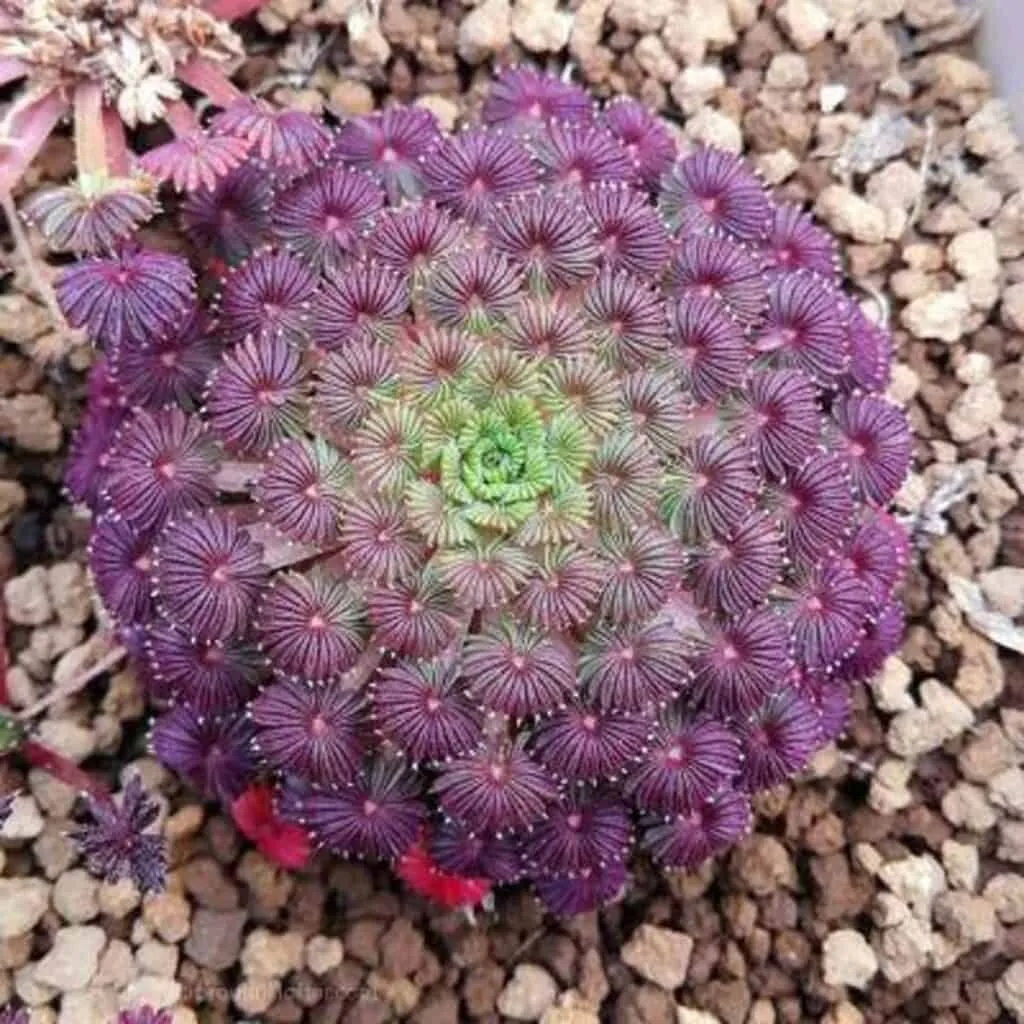
Distribution of Oxalis palmifrons
Distribution map
- Native
- Introduced
- Cultivated
Source:WCVP v16 · Royal Botanic Gardens, Kew · CC BY 3.0 · Boundaries:WGSRPD / TDWG
Oxalis palmifrons care guide
- Moderate regular watering, allowing brief slight drying between soakings
- Watering
- Partial shade
- Sunlight

Watering
Moderate regular watering, allowing brief slight drying between soakings
Fertilizing
 Fertilizing
Balanced perennial feed every four weeks from spring through summer
Pruning
 Pruning
No pruning required
Propagation
 Propagation
Propagate by seed, sown with moderate heat in late winter or early spring
Growing
 Growing
Grow in well-drained, humus-rich soil in full sun in a sheltered position, or in an alpine house in a mixture of equal parts loam, leaf mould and grit
Common pests and diseases
Diseases
May be susceptible to a rust
Pests
May be susceptible to slugs, snails and vine weevil larvae
Explore the plant health library →




