
Codonopsis clematidea
Also known as: Information to be completed
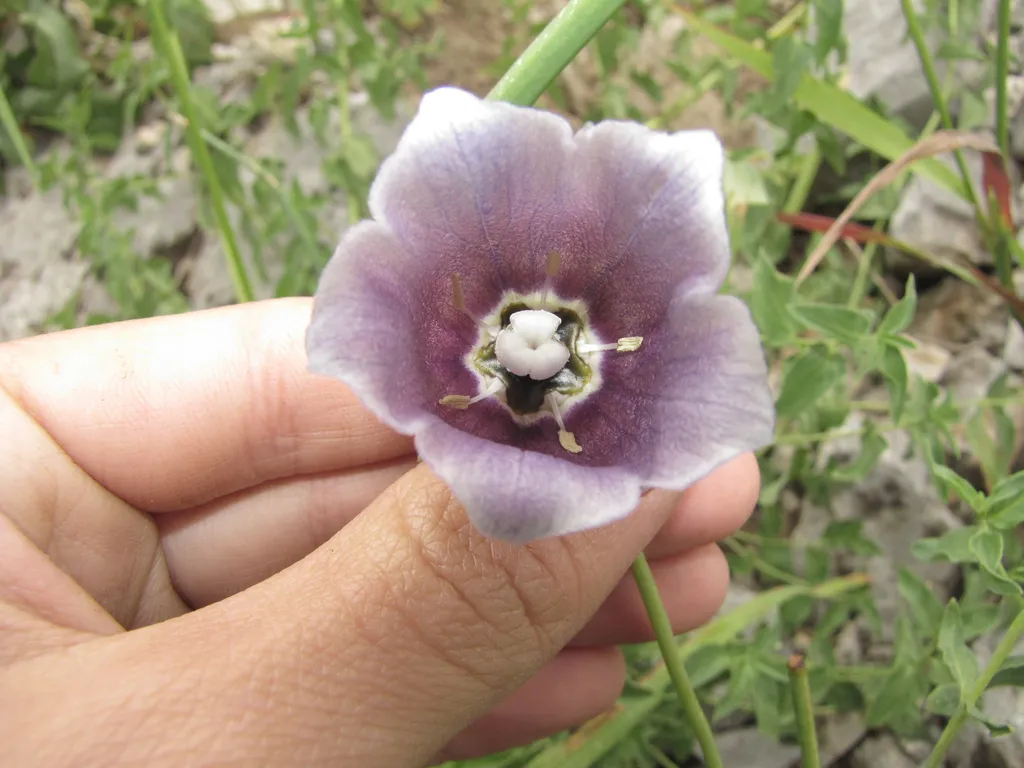
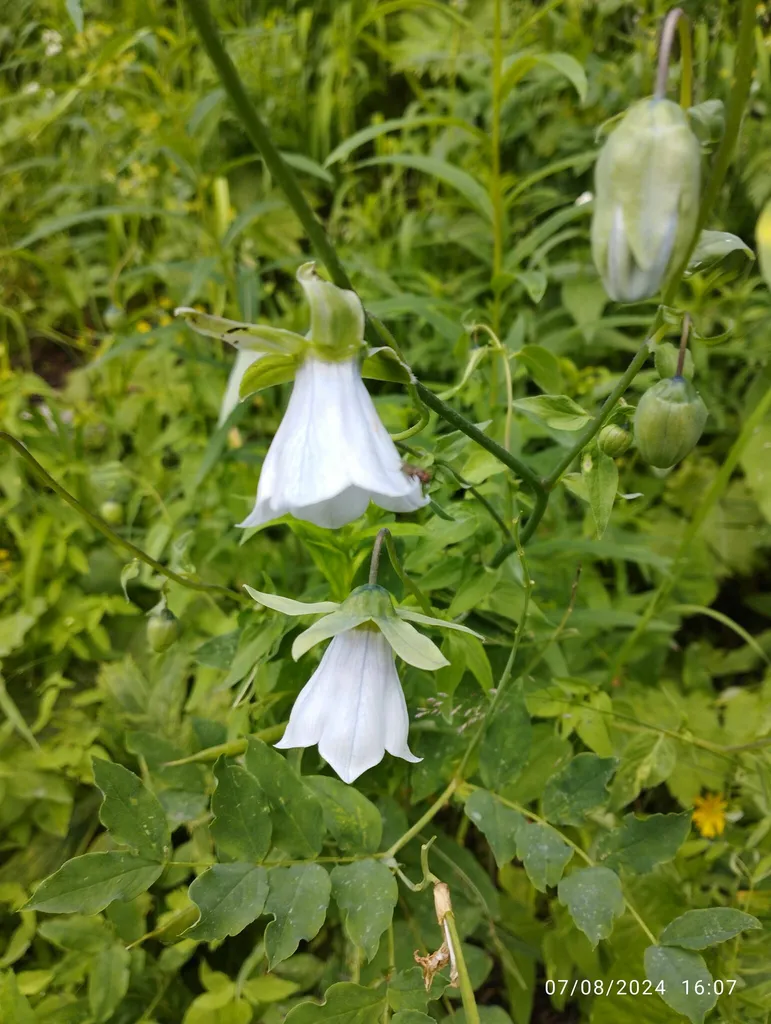
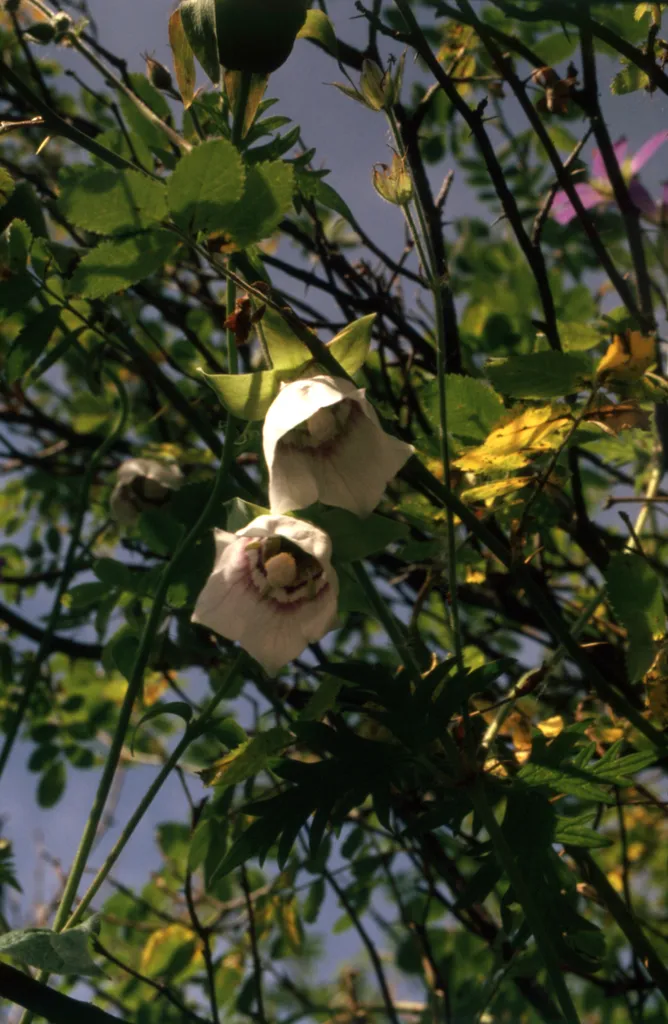
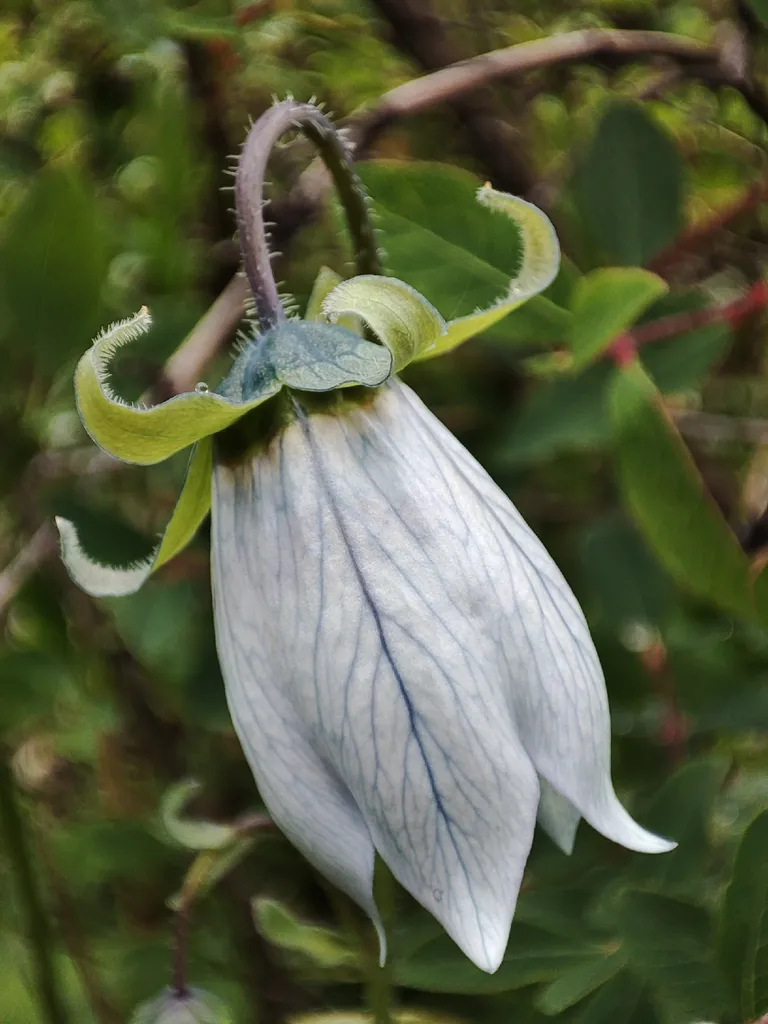
A twining herbaceous climber to 1.5m high, with slender, branching stems and narrowly ovate grey-green leaves that have an unpleasant scent when crushed. Nodding, bell-shaped, palest blue flowers, with dark purple-blue markings on the insides and a yellow and black central eye, are produced at the tips of the stems in late summer
Scientific classification
- Species
- Codonopsis clematidea (Codonopsis clematidea)
- Genus
- Codonopsis
- Family
- Campanulaceae
- Information to be completed
- Toxicity
- Climber Wall Shrub
- Plant type
- 1-1.5 metres
- Height
- 1-1.5 metres
- Spread
- Deciduous
- Foliage
- Climbing
- Habit
- Spring · Summer · Autumn
- Season of interest
- Full sun · Partial shade
- Sunlight
- Information to be completed
- Ideal temperature









Codonopsis clematidea pictures
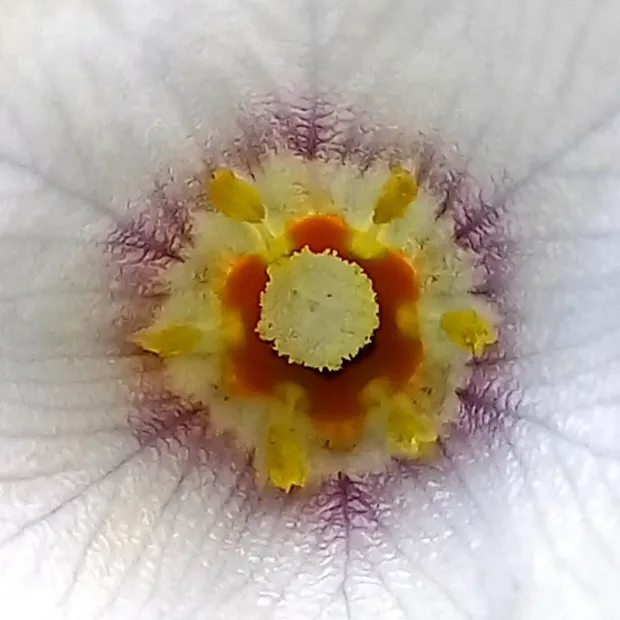
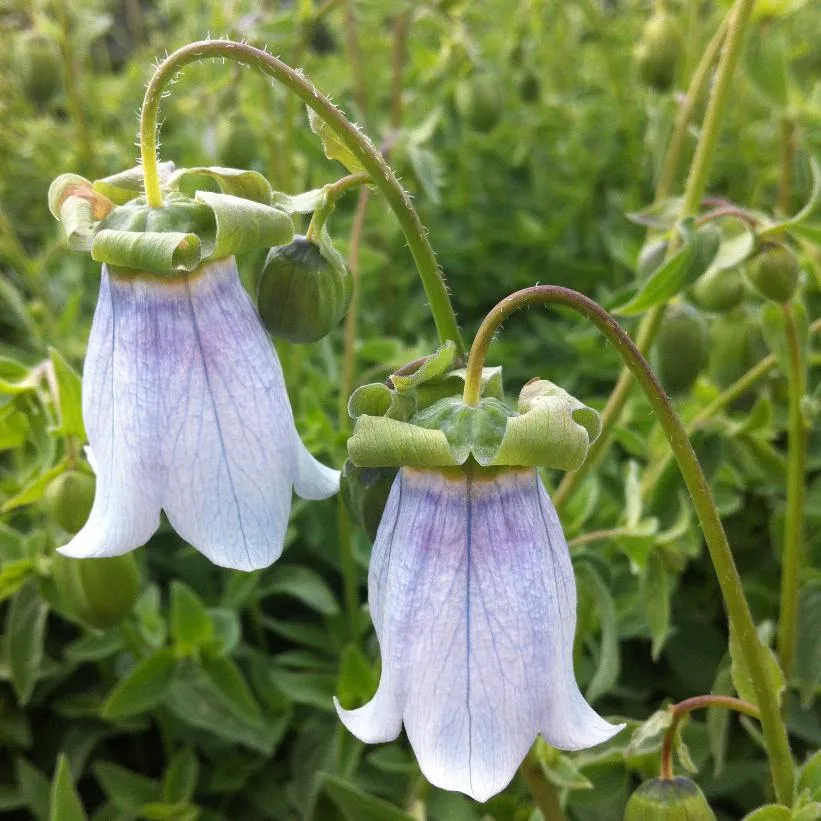
Distribution of Codonopsis clematidea
Distribution map
Information to be completed
Information to be completed
Culture
Information to be completed
Toxicity
Information to be completed
Quick identification of Codonopsis clematidea
Information to be completed
Codonopsis clematidea care guide
- Moderate regular watering, avoid prolonged drought or waterlogging
- Watering
- Full sun · Partial shade
- Sunlight
- Information to be completed
- Ideal temperature

Watering
Moderate regular watering, avoid prolonged drought or waterlogging
Fertilizing
 Fertilizing
Balanced feed in spring and light repeat in growth season
Pruning
 Pruning
Cut back faded stems in late autumn
Propagation
 Propagation
Propagate by seed sown in containers in a cold frame in autumn
Growing
 Growing
Thrives in light, fertile, moist but well-drained soil in sun or part shade, with shelter from strong winds. Will happily scramble through shrubs to give a second flush of flowers. Plants die back to overwinter as tubers and can be late to emerge in spring, will benefit from a winter mulch in colder regions
People also ask
Information to be completed
Common pests and diseases
Diseases
Generally disease-free
Pests
May be susceptible to slugs and snails
Explore the plant health library →




