
Igiri tree
Also known as: Information to be completed
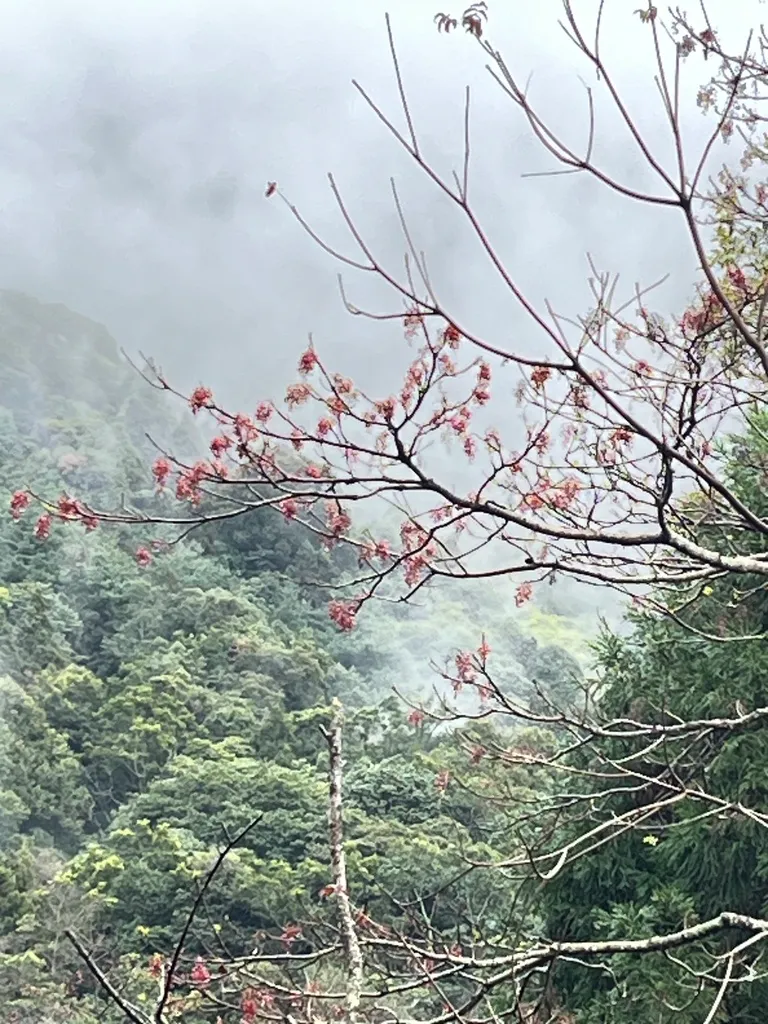
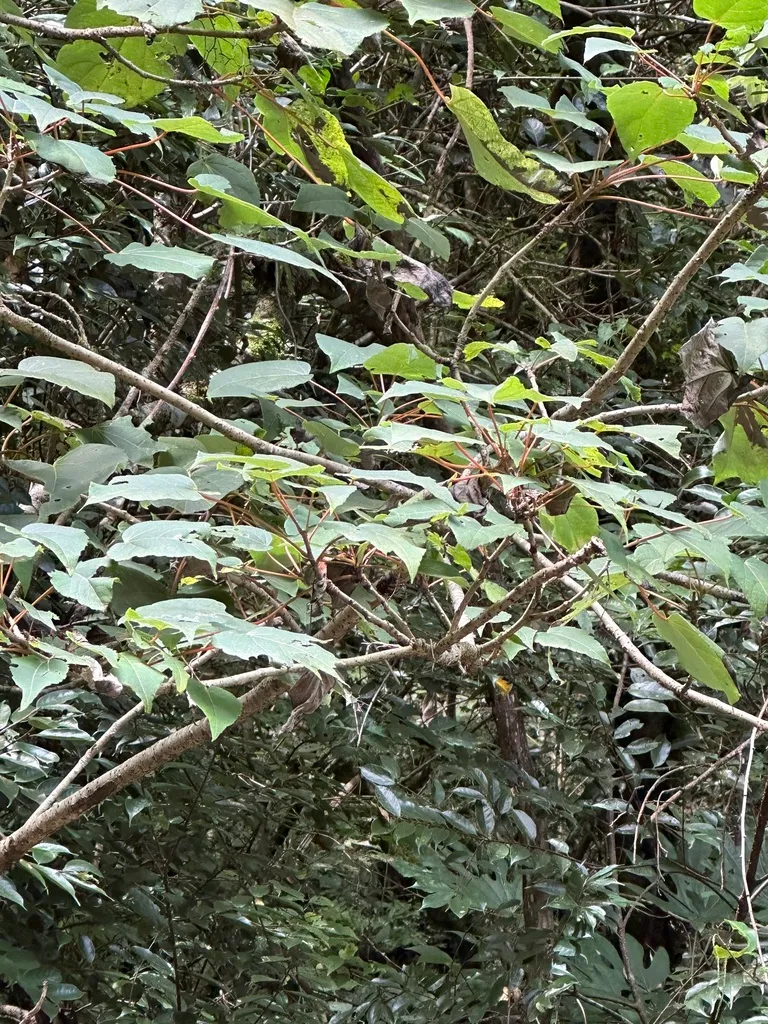
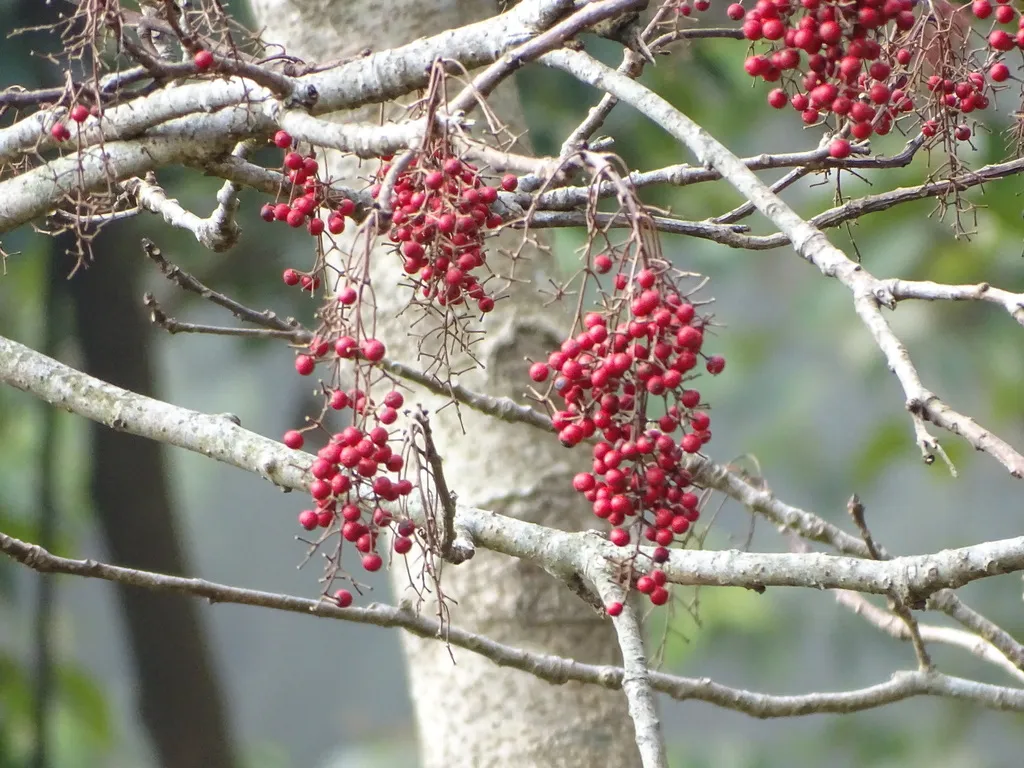
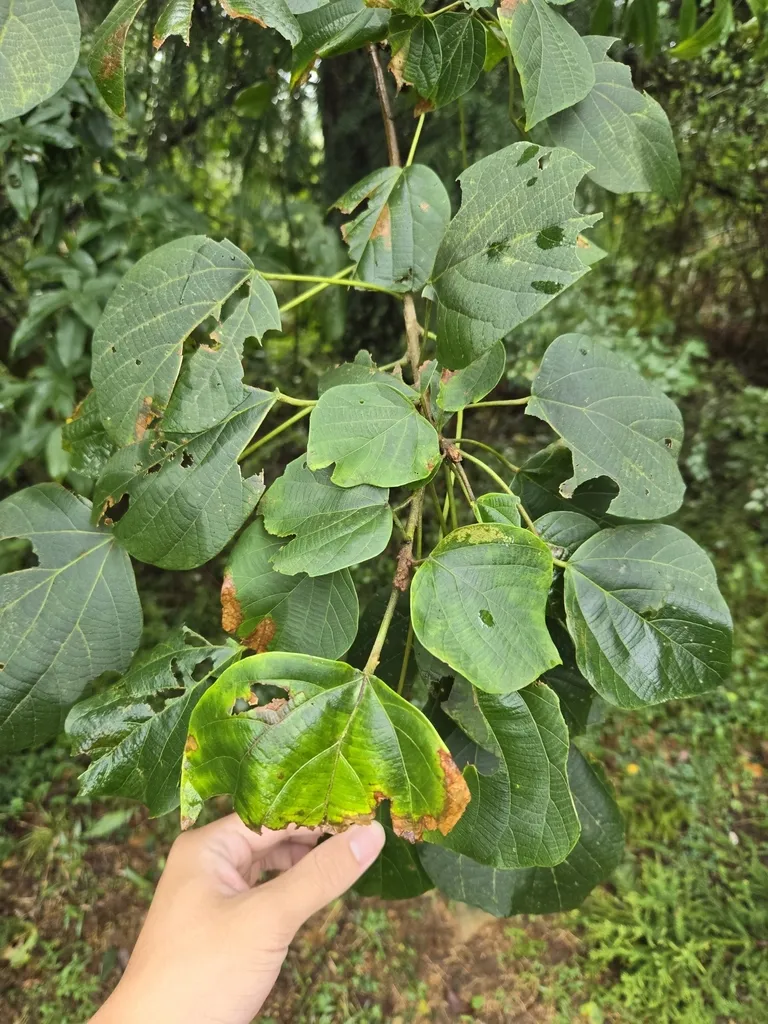
A deciduous tree with an open, branching habit and large, heart-shaped, slightly toothed, glossy green leaves, held on reddish stems and sometimes tinted red when young. Long, hanging clusters of small, fragrant yellow-green flowers are produced on mature trees in midsummer. If pollinated, these are followed by hanging clusters of round red berries on female trees, which sometimes persist into winter
Scientific classification
- Species
- Igiri tree (Idesia polycarpa)
- Genus
- Idesia
- Family
- Salicaceae
- Information to be completed
- Toxicity
- Trees
- Plant type
- 8-12 metres
- Height
- wider than 8 metres
- Spread
- Deciduous
- Foliage
- Information to be completed
- Habit
- Autumn · Spring · Summer · Winter
- Season of interest
- Full sun · Partial shade
- Sunlight
- Information to be completed
- Ideal temperature









Igiri tree pictures
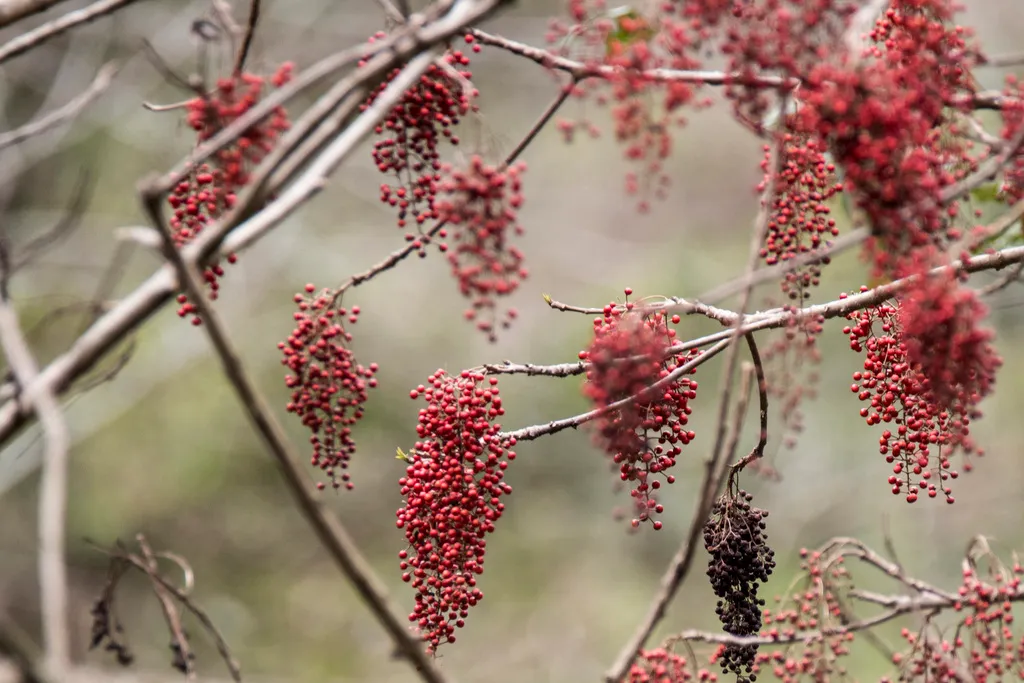
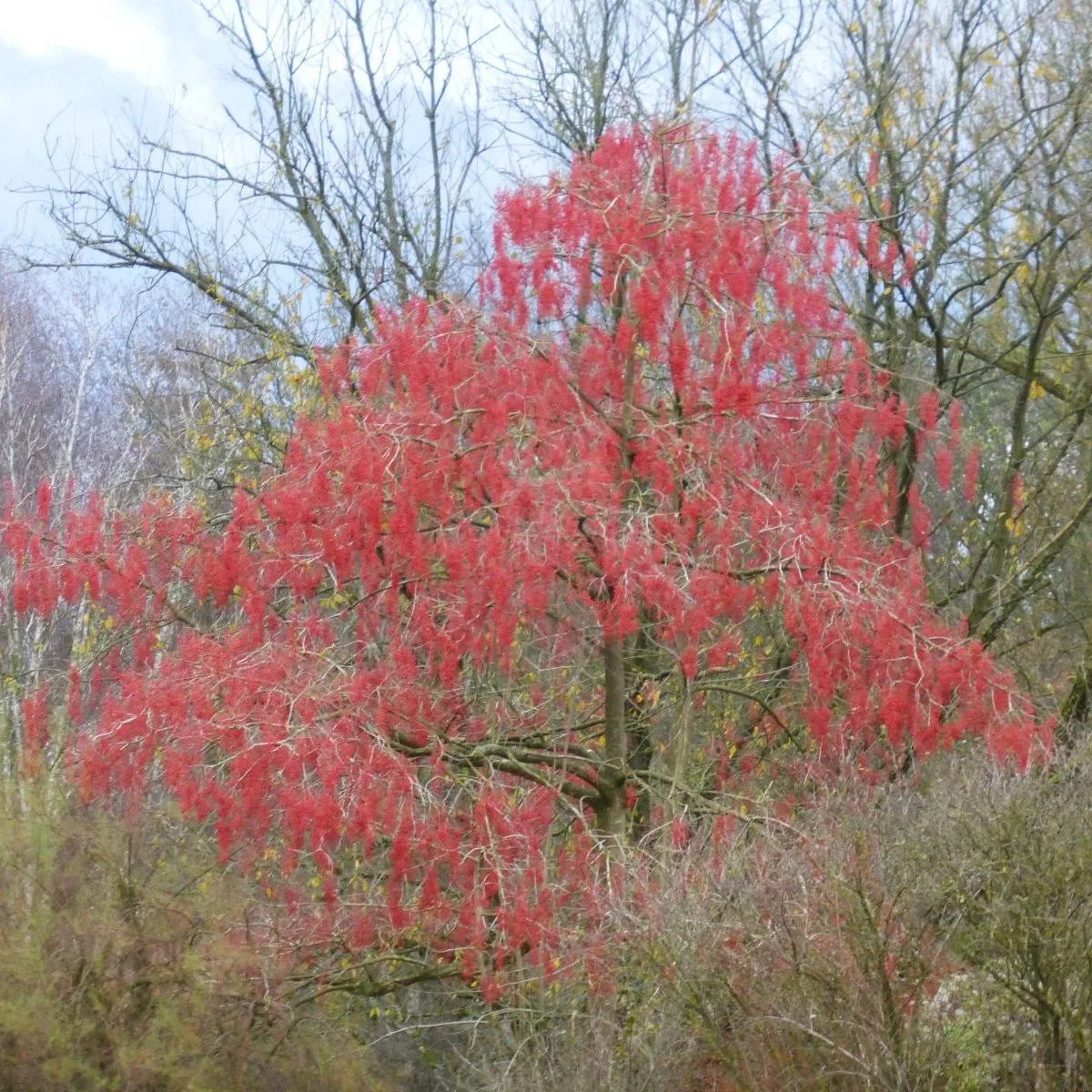
Distribution of Igiri tree
Distribution map
Southern China to Temp Eastern Asia
Information to be completed
Culture
Information to be completed
Toxicity
Information to be completed
Quick identification of Igiri tree
Information to be completed
Igiri tree care guide
- Moderate regular watering, avoid prolonged drought or waterlogging
- Watering
- Full sun · Partial shade
- Sunlight
- Information to be completed
- Ideal temperature

Watering
Moderate regular watering, avoid prolonged drought or waterlogging
Fertilizing
 Fertilizing
Balanced feed in spring and light repeat in growth season
Pruning
 Pruning
Little pruning is needed. Remove diseased, damaged, crowded or crossing shoots and unwanted growth. Timing depends on the plant: generally late winter or early spring; plants prone to bleeding and deciduous magnolias need different timing, and deciduous azaleas and lilacs are pruned after flowering.
Propagation
 Propagation
Propagate by softwood cuttings in late spring or by semi-ripe cuttings in midsummer
Growing
 Growing
Grow in deep, moderately fertile, moist but well-drained, neutral to slightly acid soil in full sun or light shade. Female trees need a male tree nearby to produce berries reliably
People also ask
Information to be completed
Common pests and diseases
Diseases
Generally disease-free
Pests
Generally pest-free
Explore the plant health library →




