
Japanese star anise
Also known as: Japanese anise
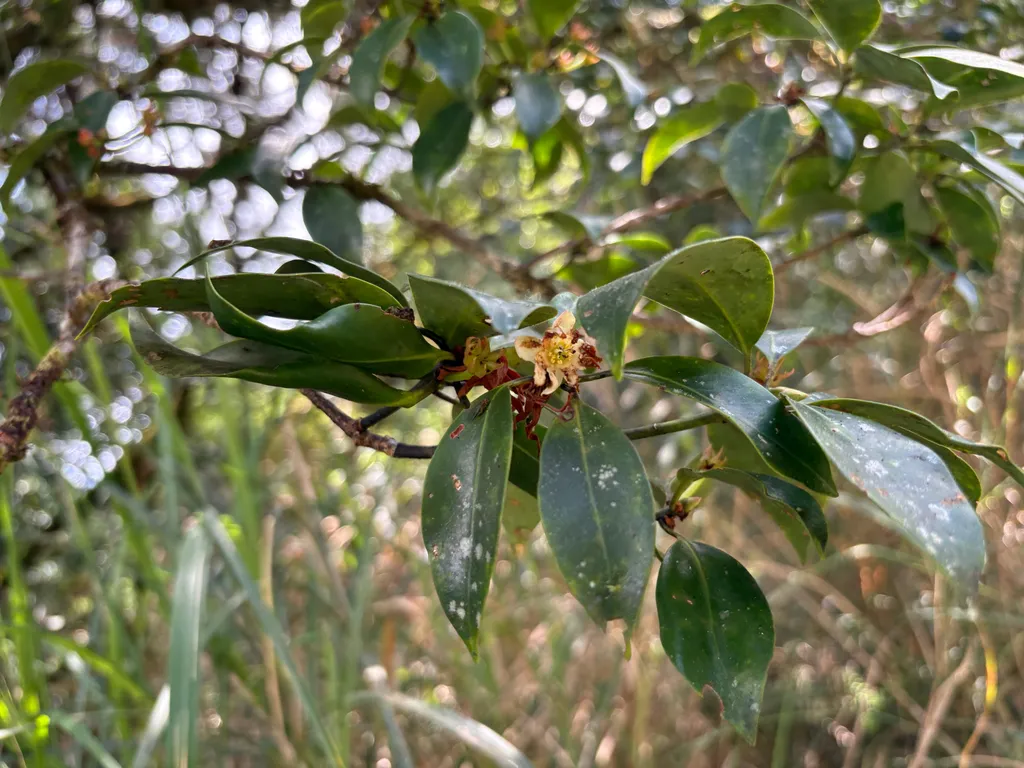
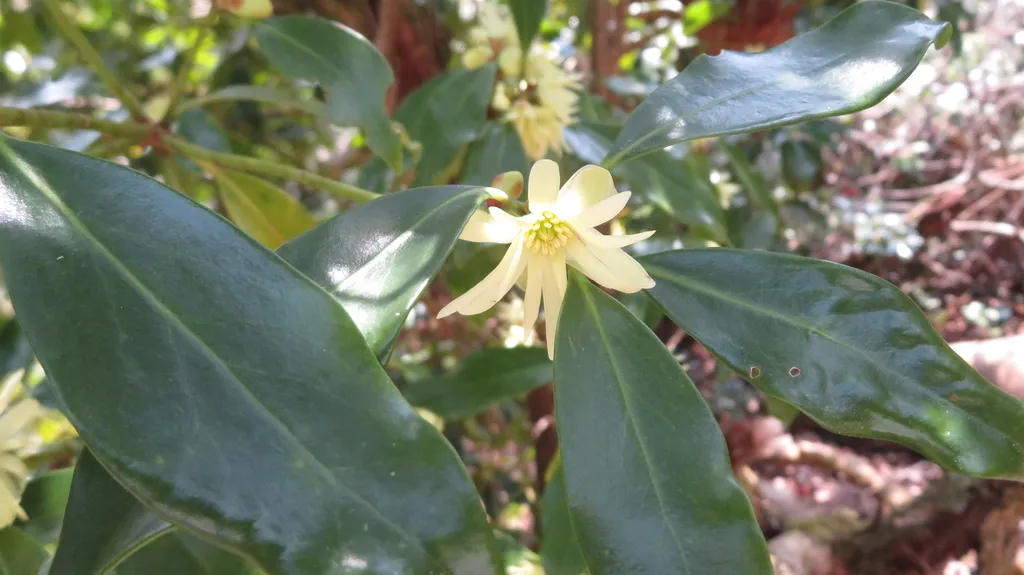
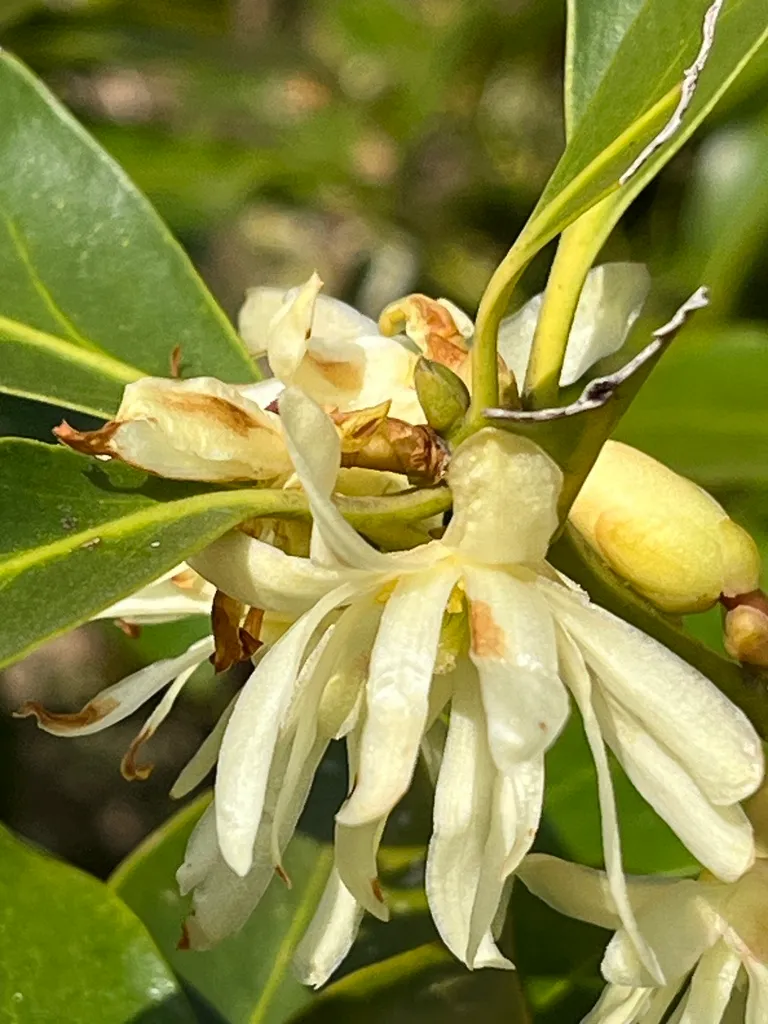
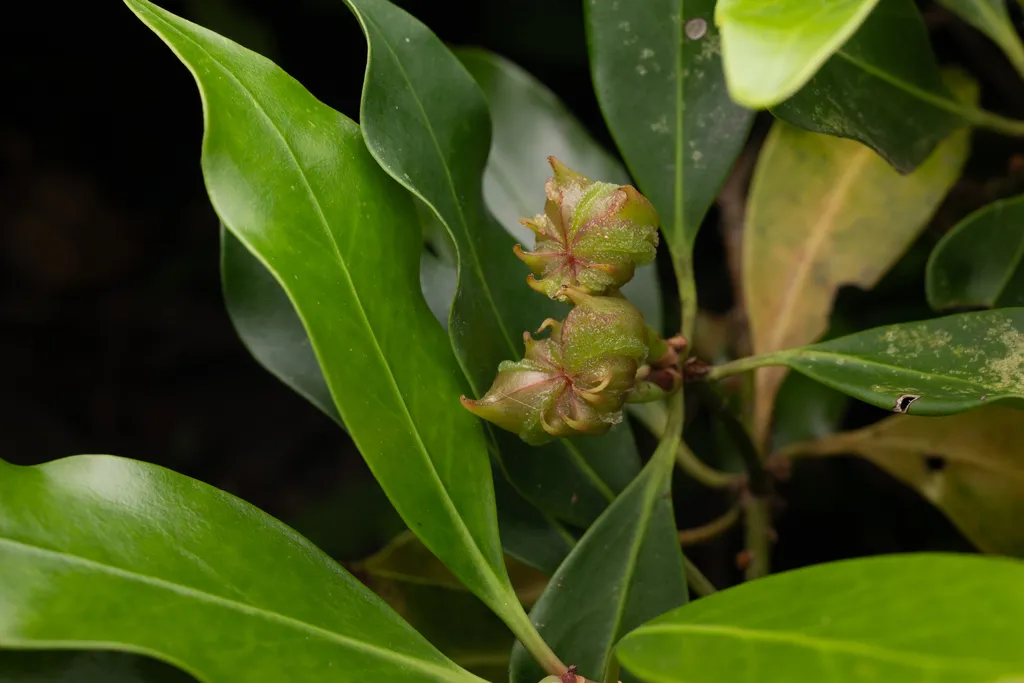
I. anisatum is a shrub, even a small tree, usually to 2m, but possibly to 6m in very mild areas. The narrowly oval leaves, to 5cm long and 2cm wide, are dark green. Young branches are green, spotted brown, and aromatic like the leaves. Flowers are pale greenish yellow with many, slightly twisting narrow petals, borne clustered in the leaf axils in spring
Scientific classification
- Species
- Japanese star anise (Illicium anisatum)
- Genus
- Illicium
- Family
- Schisandraceae
- Order
- Austrobaileyales
- Class
- Magnoliopsida
- Phylum
- Magnoliophyta
- TOXIC if eaten. Wear gloves and other protective equipment when handling
- Toxicity
- Shrubs · Trees
- Plant type
- 2.5-4 metres
- Height
- 1.5-2.5 metres
- Spread
- Evergreen
- Foliage
- Bushy
- Habit
- Spring · Summer · Autumn · Winter
- Season of interest
- Full sun · Partial shade
- Sunlight
- Information to be completed
- Ideal temperature









Japanese star anise pictures
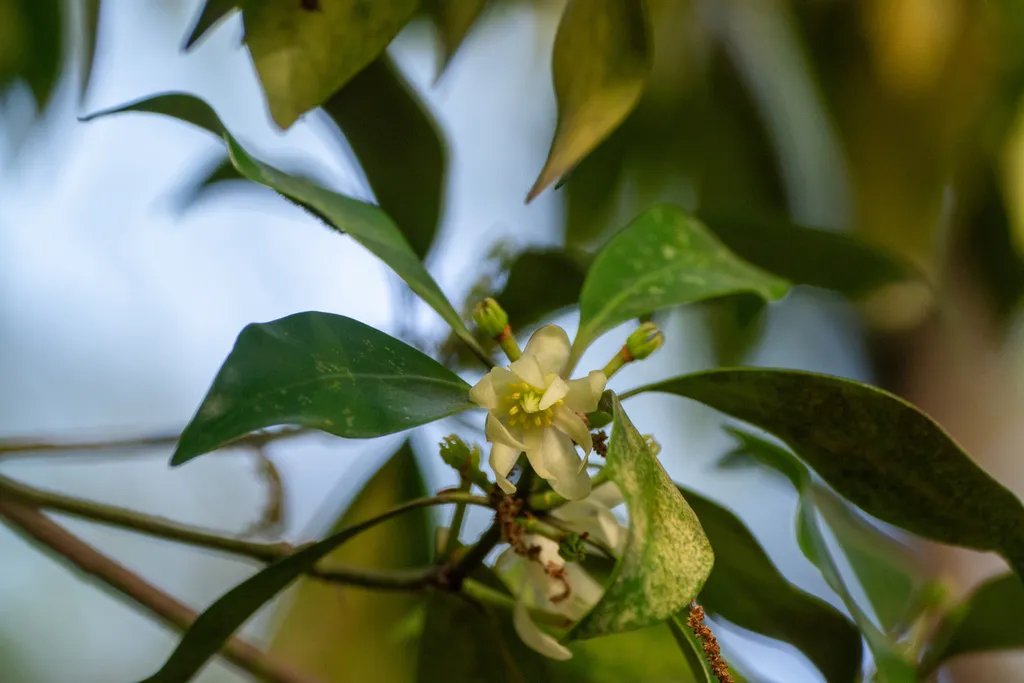
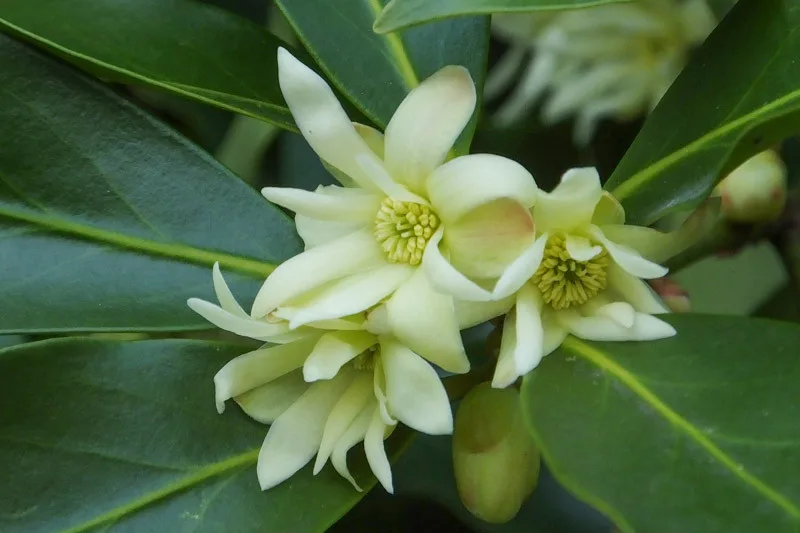
Distribution of Japanese star anise
Distribution map
- Native
- Introduced
- Cultivated
Source:WCVP v16 · Royal Botanic Gardens, Kew · CC BY 3.0 · Boundaries:WGSRPD / TDWG
Toxicity
TOXIC if eaten. Wear gloves and other protective equipment when handling
Japanese star anise care guide
- Moderate regular watering, allowing brief slight drying between soakings
- Watering
- Full sun · Partial shade
- Sunlight

Watering
Moderate regular watering, allowing brief slight drying between soakings
Fertilizing
 Fertilizing
Balanced perennial feed every four weeks from spring through summer
Pruning
 Pruning
Little pruning is needed. Remove diseased, damaged, crowded or crossing shoots and unwanted growth. Timing depends on the plant: generally late winter or early spring; plants prone to bleeding and deciduous magnolias need different timing, and deciduous azaleas and lilacs are pruned after flowering.
Propagation
 Propagation
Propagate by semi-ripe cuttings in summer. Can also be propagated by layering in summer
Growing
 Growing
Grow in moist, but well-drained, humus-rich acidic soil in full sun or partial shade. Under glass grow in ericaceous potting compost in bright light, but shaded from the hottest sun. In the growing season, water moderately and apply a balanced fertiliser on a monthly basis
Common pests and diseases
Diseases
Generally trouble free
Pests
Generally trouble free
Explore the plant health library →




