
parsley
Also known as: devil-and-back-ten-times; garden parsley; herb of death; herb Venus; ache
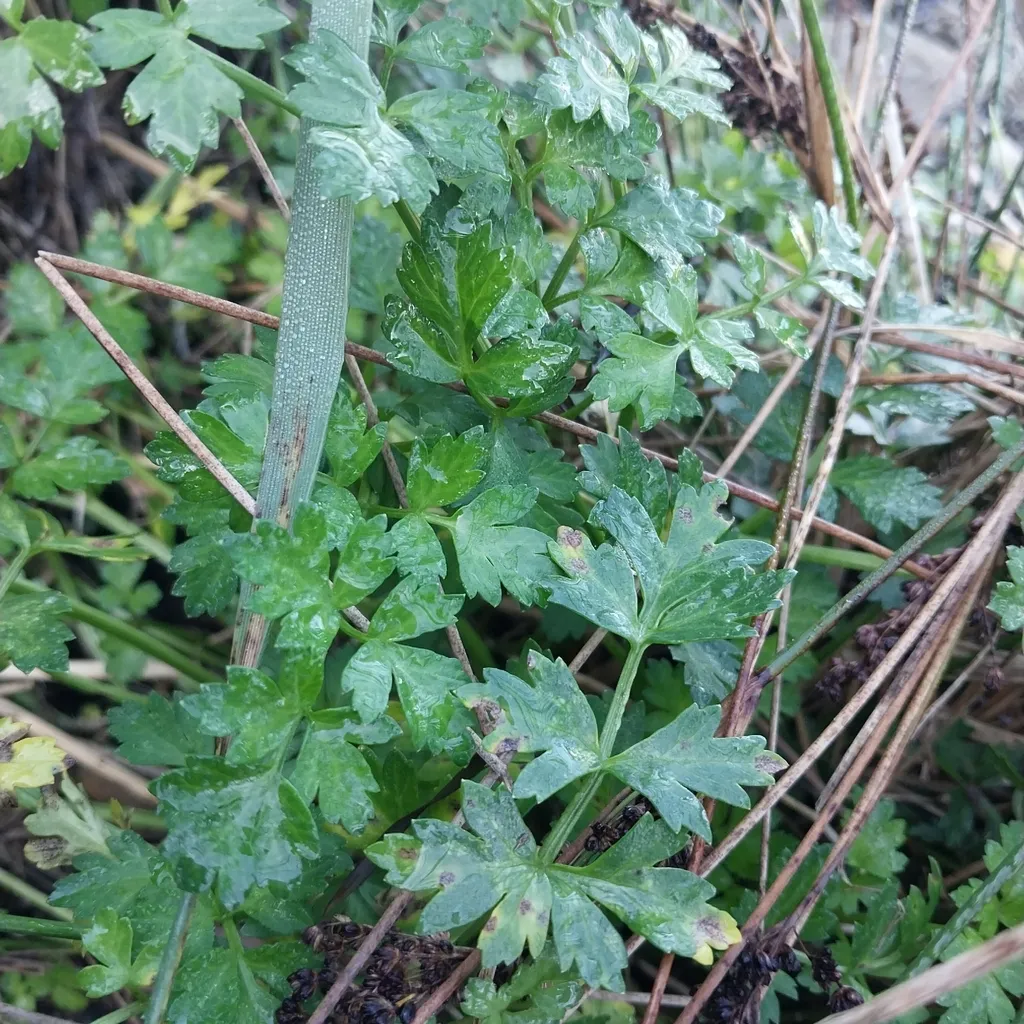
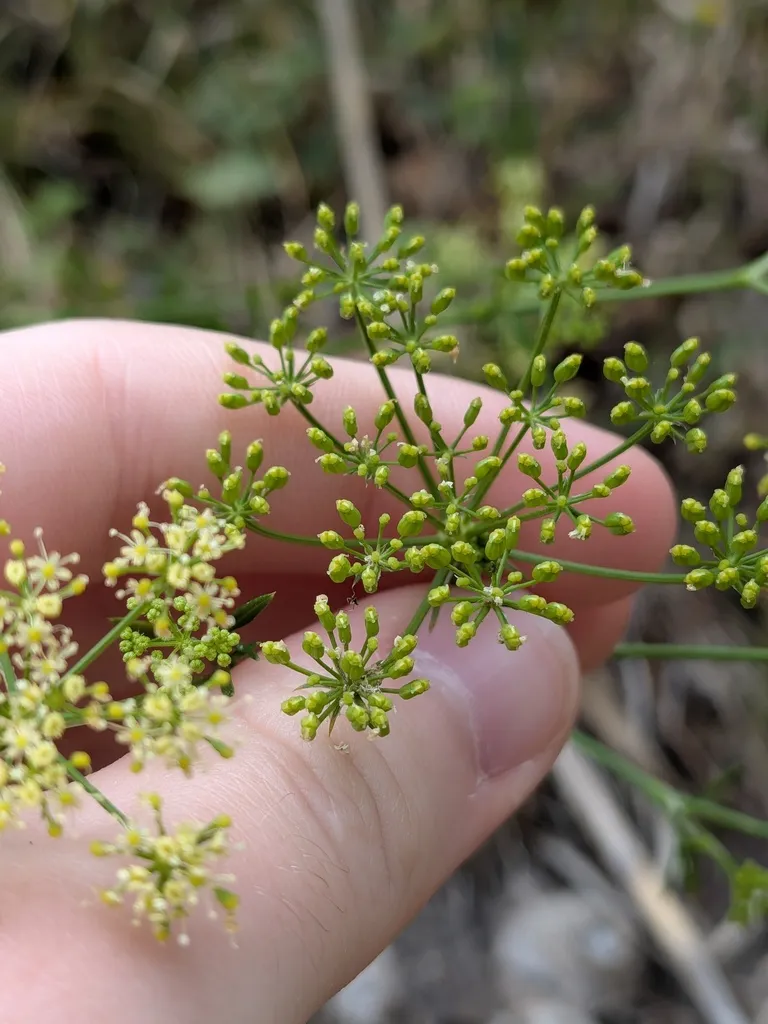
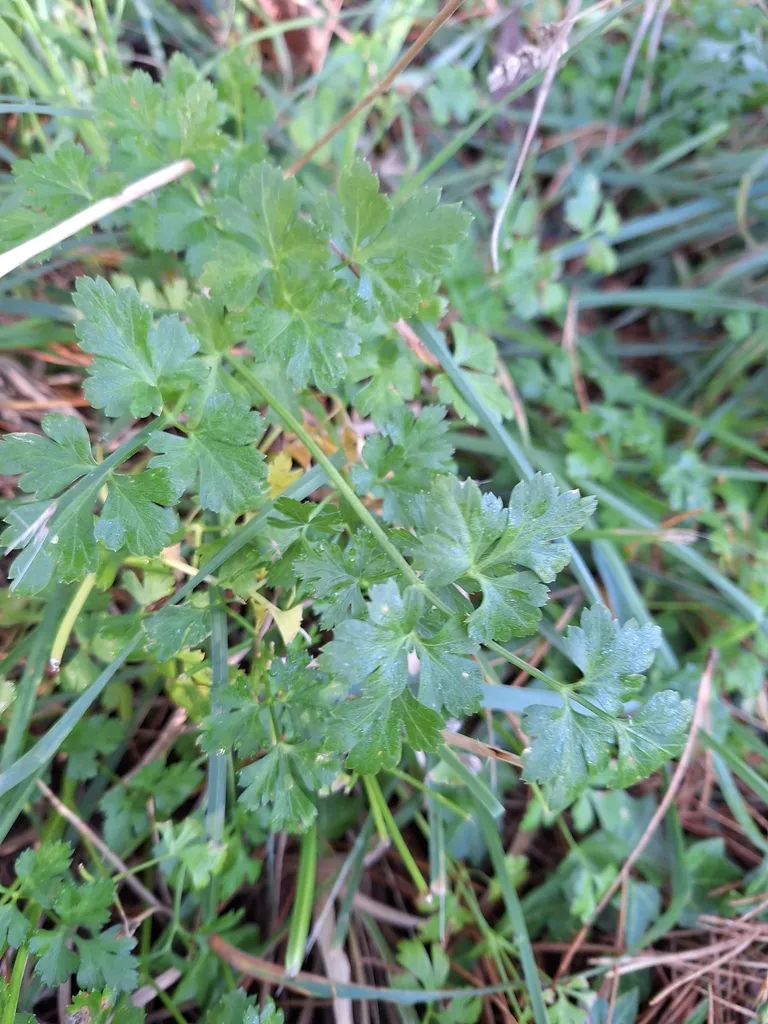
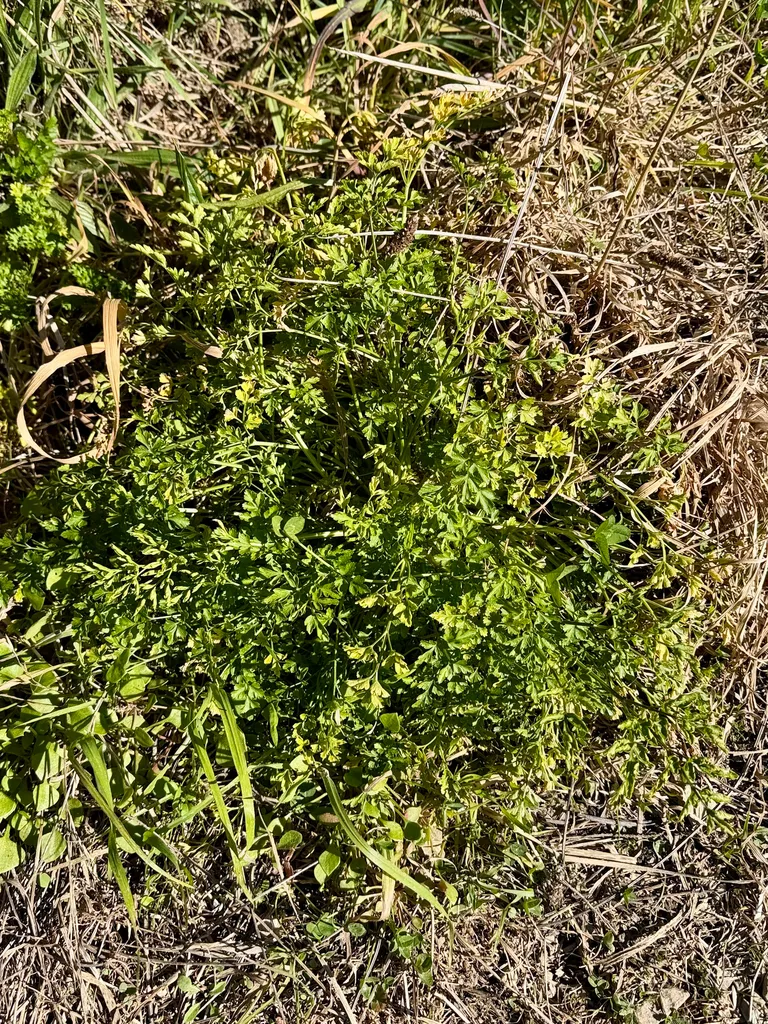
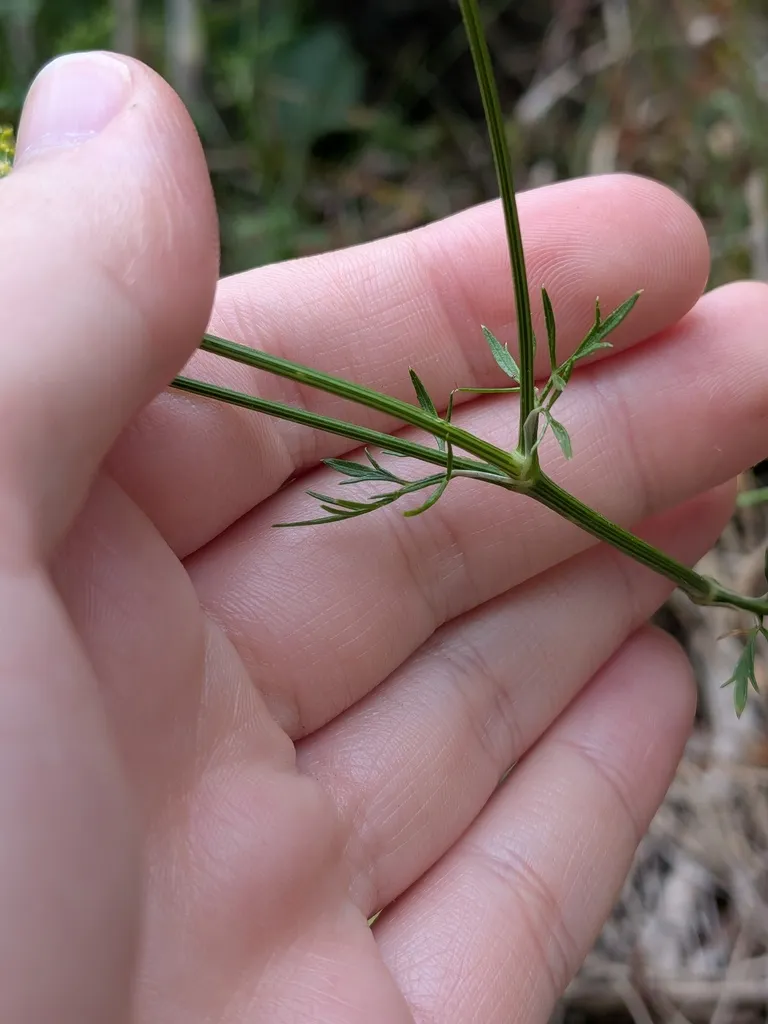
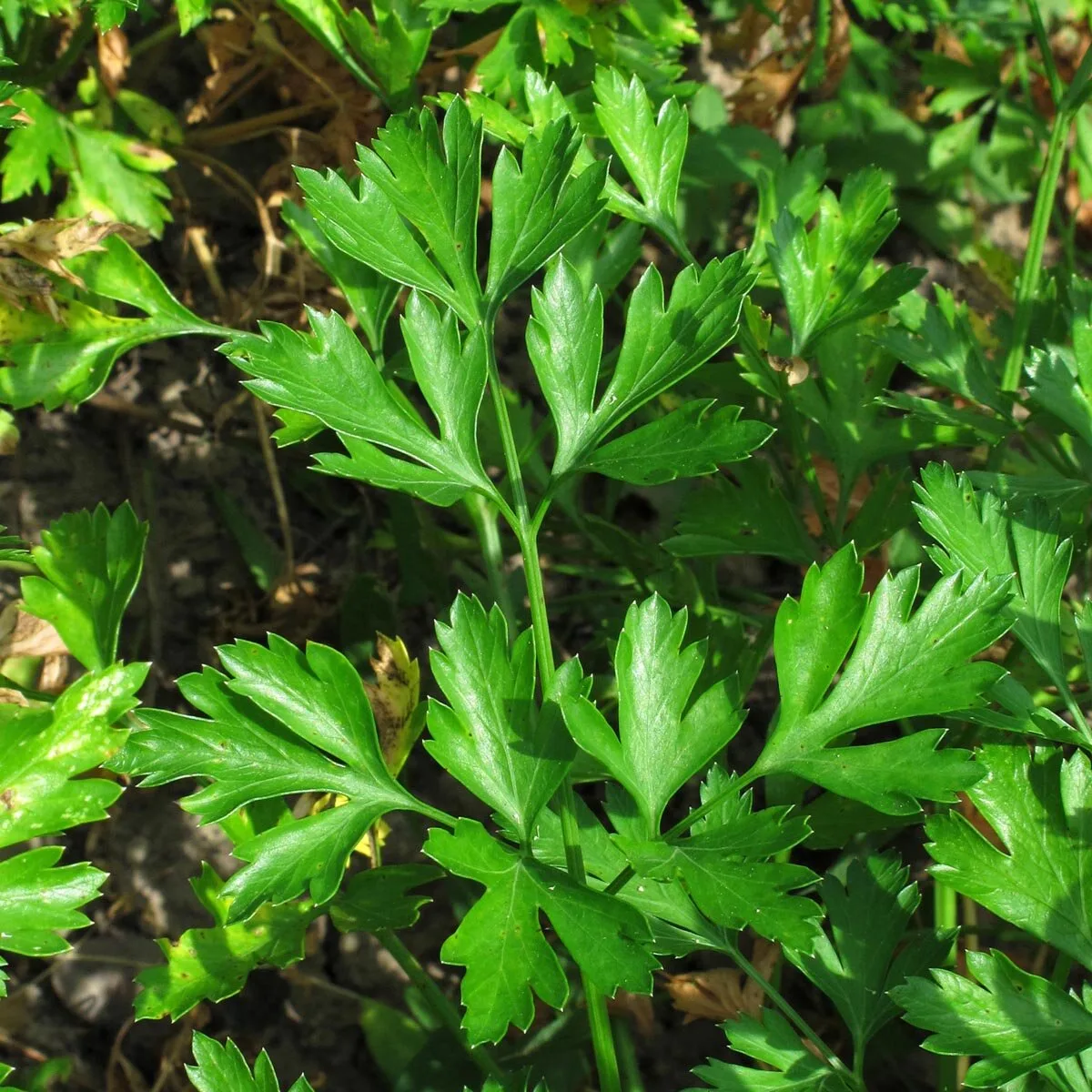
A hairless, clump-forming, bushy biennial herb with rich-green, crisped, triangular, 2- to 3-pinnate, aromatic leaves. The leaves are divided into segments, each to 3cm long. In summer of the second year, bears small yellow-green, star-shaped flowers in umbels 4cm across. Parsley is a popular culinary herb
Scientific classification
- Species
- parsley (Petroselinum crispum)
- Genus
- Petroselinum
- Family
- Apiaceae
- Order
- Apiales
- Class
- Magnoliopsida
- Phylum
- Magnoliophyta
- Information to be completed
- Toxicity
- Annual Biennial · Herbs - Culinary
- Plant type
- 0.1-0.5 metres
- Height
- 0.1-0.5 metres
- Spread
- Semi evergreen
- Foliage
- Bushy
- Habit
- Spring · Summer · Autumn
- Season of interest
- Full sun · Partial shade
- Sunlight
- 10 – 20 °C
- Ideal temperature









parsley pictures
Distribution of parsley
Distribution map
- Native
- Introduced
- Cultivated
Source:WCVP v16 · Royal Botanic Gardens, Kew · CC BY 3.0 · Boundaries:WGSRPD / TDWG
parsley care guide
- Keep soil evenly moist
- Watering
- Full sun · Partial shade
- Sunlight
- 10 – 20 °C
- Ideal temperature

Watering
Keep soil evenly moist
Fertilizing
 Fertilizing
Every 2 weeks
Pruning
 Pruning
Remove flowers unless wanted for seed
Propagation
 Propagation
Propagate by seed sown in situ, in succession from late spring through summer
Growing
 Growing
Grow in fertile, moist, but well-drained soil in full sun or partial shade. Normally grown as an annual it can be overwintered although leaves become coarser in the second year. Follow parsley cultivation for more advice
Common pests and diseases
Diseases
May be susceptible to a leaf spot and a virus
Pests
May be susceptible to carrot fly, aphids and celery leaf miner
Explore the plant health library →




