
Delavay's blueberry
Also known as: Information to be completed
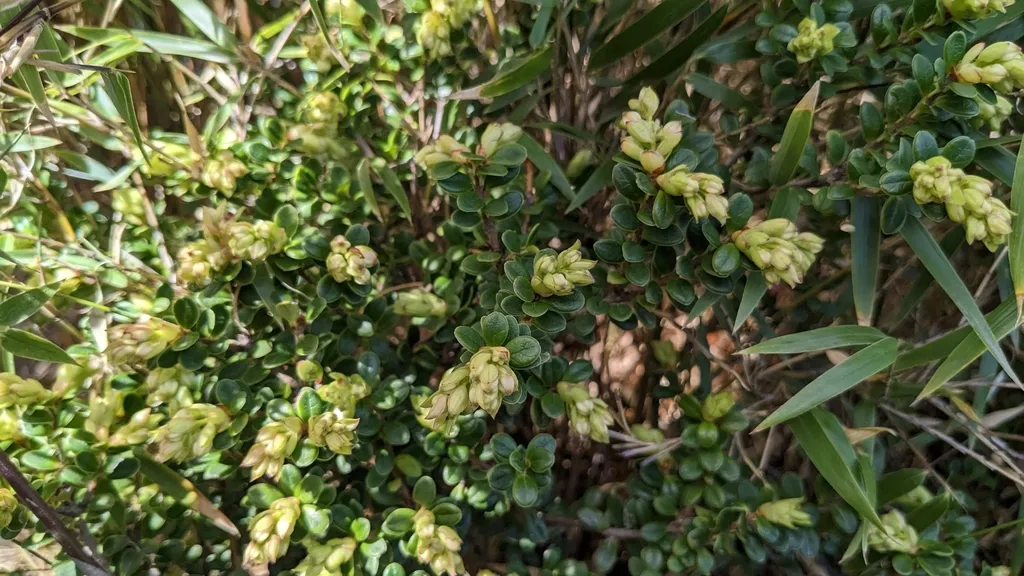
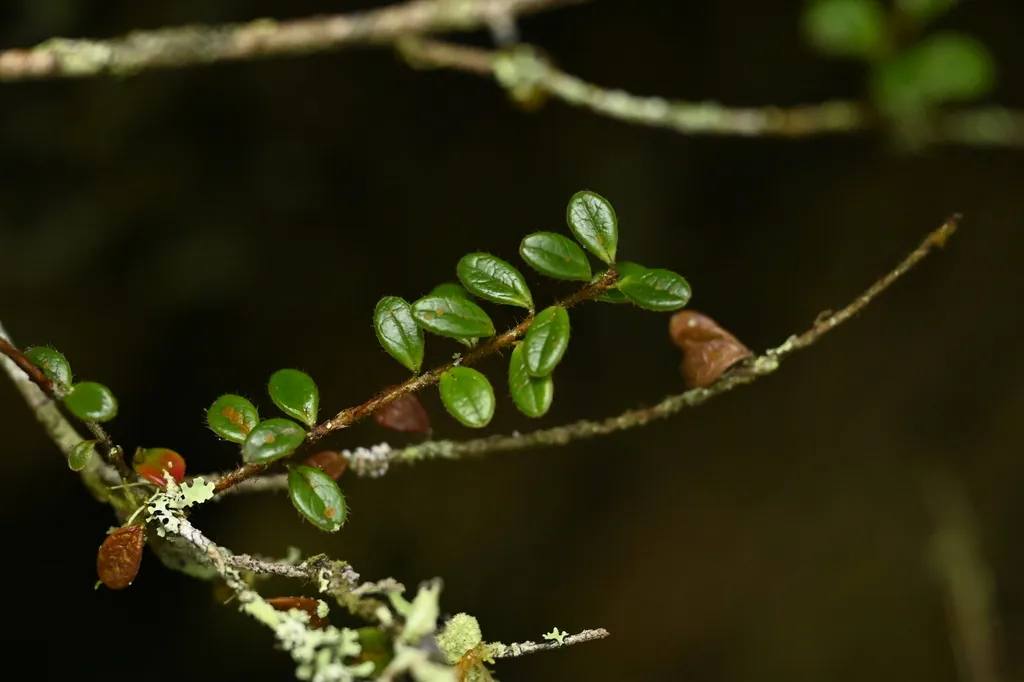
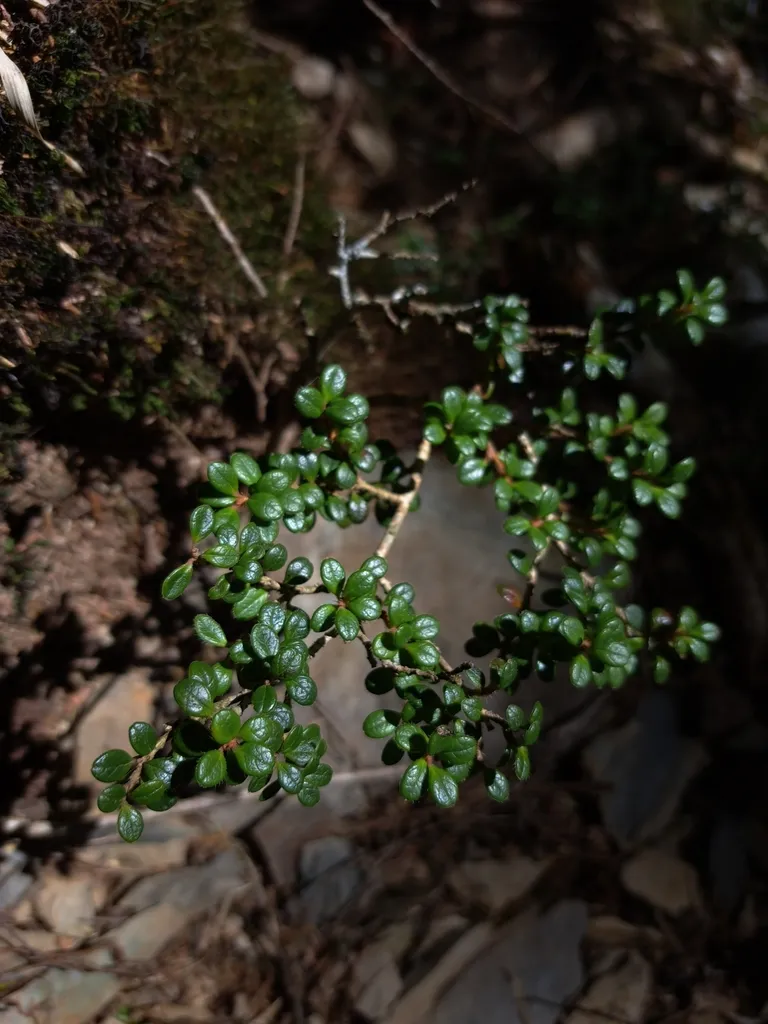
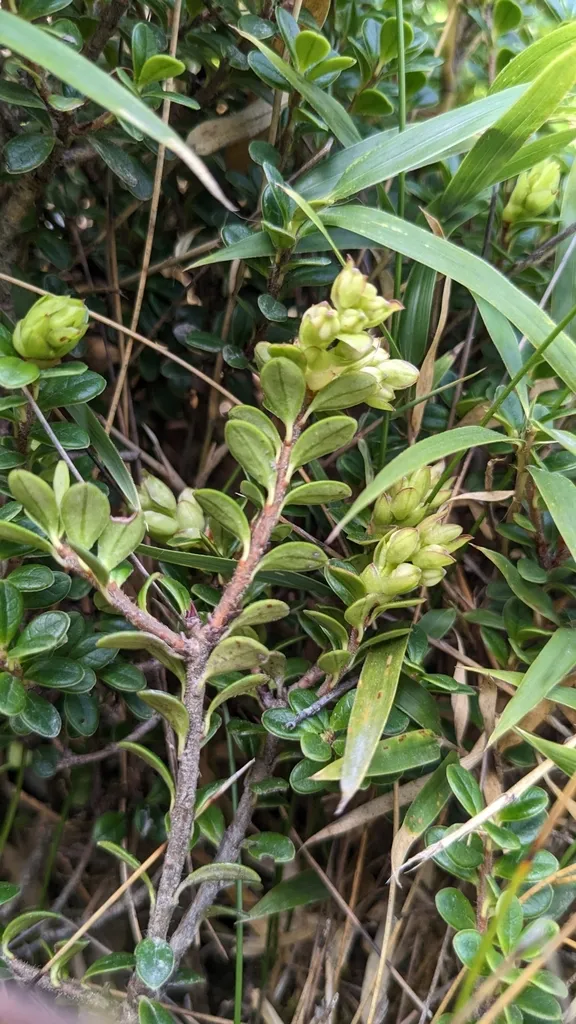
A neat, compact, dwarf, evergreen shrub with a dense habit producing small, leathery, dark green leaves. Clusters of urn-shaped, cream-white flowers, occasionally flushed pink, appear in ealry summer and are followed by bluish-purple fruits
Scientific classification
- Species
- Delavay's blueberry (Vaccinium delavayi)
- Genus
- Vaccinium
- Family
- Ericaceae
- Order
- Ericales
- Class
- Magnoliopsida
- Phylum
- Magnoliophyta
- Information to be completed
- Toxicity
- Shrubs · Fruit Edible
- Plant type
- 0.5-1 metres
- Height
- 1-1.5 metres
- Spread
- Evergreen
- Foliage
- Bushy
- Habit
- Spring · Summer · Autumn · Winter
- Season of interest
- Full sun · Partial shade
- Sunlight
- Information to be completed
- Ideal temperature









Delavay's blueberry pictures
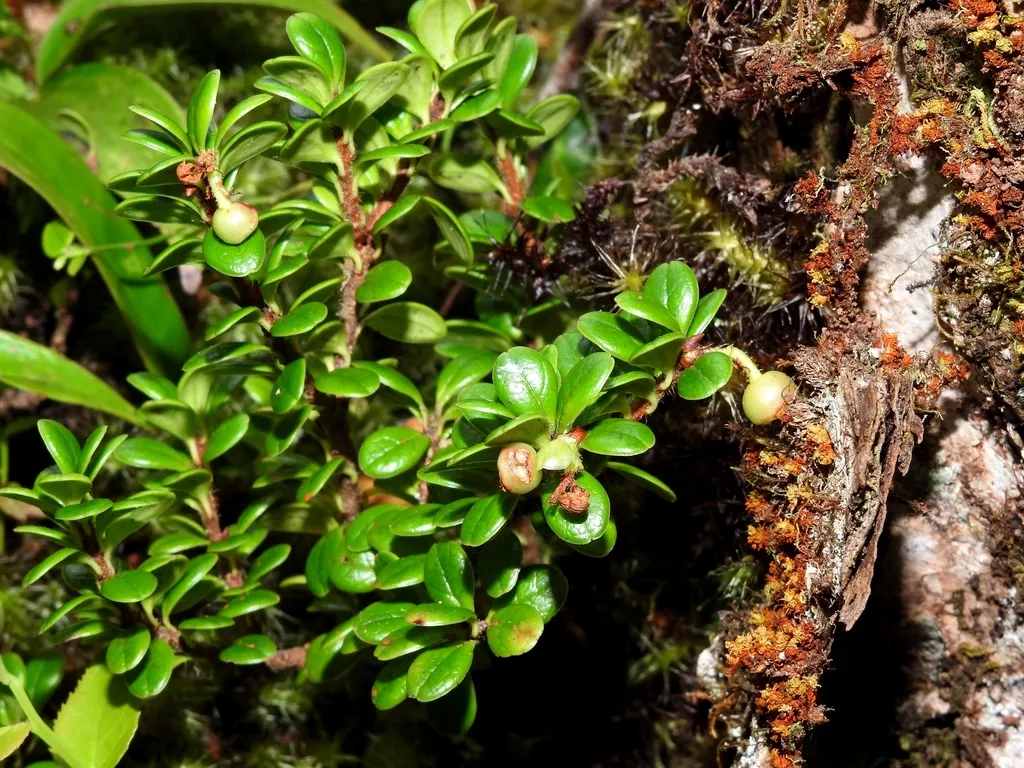
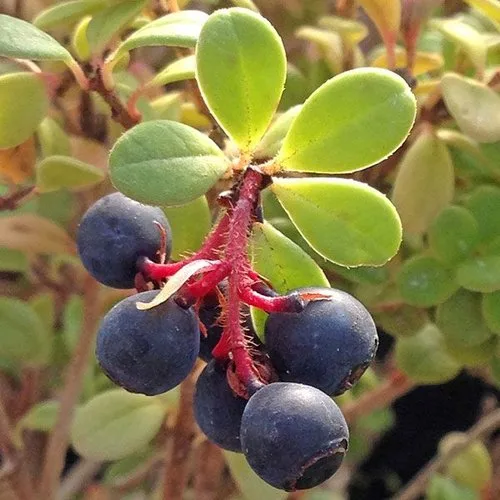
Distribution of Delavay's blueberry
Distribution map
- Native
- Introduced
- Cultivated
Source:WCVP v16 · Royal Botanic Gardens, Kew · CC BY 3.0 · Boundaries:WGSRPD / TDWG
Delavay's blueberry care guide
- Soft cool water regularly, avoid full drying root ball
- Watering
- Full sun · Partial shade
- Sunlight

Watering
Soft cool water regularly, avoid full drying root ball
Fertilizing
 Fertilizing
Acid berry shrub feed once monthly spring and summer
Pruning
 Pruning
More mature plants benefit from regular pruning. See blueberry pruning
Propagation
 Propagation
Propagate by taking softwood cuttings in late spring or semi-ripe cuttings in early summer
Growing
 Growing
Plant in a sheltered site in well-drained, moisture-retentive, acidic soil, (pH 4.5-5.5) in sun or part shade. Alternatively grow in containers or raised beds filled with ericaceous compost such as John Innes Ericaceous. Pot grown plants benefit from winter protection. For further details see blueberry cultivation
Common pests and diseases
Diseases
May be susceptible to honey fungus (rarely), powdery mildews, root rot and chlorosis due to iron and manganese deficiency; see nutrient deficiencies
Pests
May be susceptible to vine weevil larvae damage especially if container grown. Protect ripening fruit with netting from birds
Explore the plant health library →




