
common asparagus
Also known as: asperging herb; edible asparagus; wild asparagus; sparrow grass
Grown for its delicately-flavoured young shoots, or spears. The airy, feathery foliage growing up to 1.5m tall also makes it an attractive herbaceous perennial
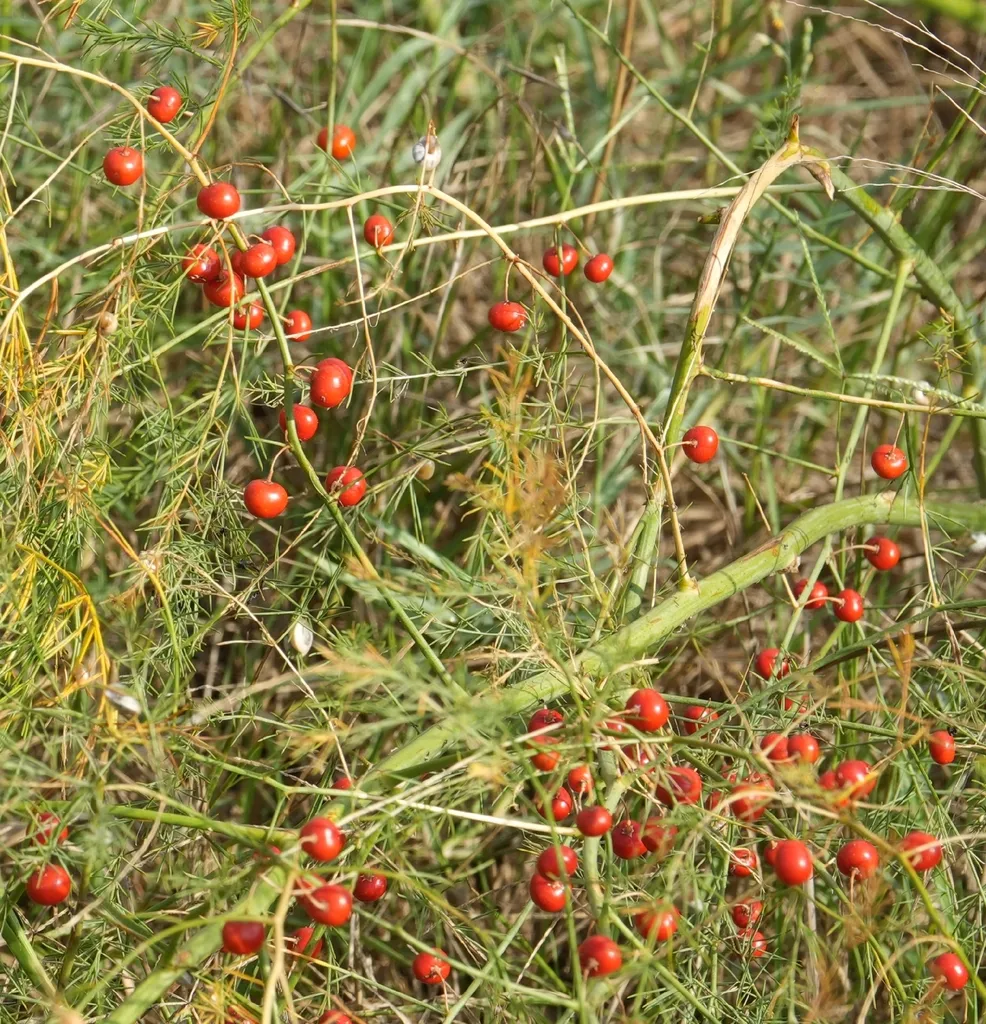
Scientific classification
- Species
- common asparagus (Asparagus officinalis)
- Genus
- Asparagus
- Family
- Asparagaceae
- Order
- Asparagales
- Class
- Liliopsida
- Phylum
- Magnoliophyta
- Skin allergen, fruits harmful if eaten. Wear gloves and other protective equipment when handling]
- Toxicity
- Herbs - Culinary · Herbaceous Perennial
- Plant type
- 0.5-1 metres
- Height
- 0.1-0.5 metres
- Spread
- Deciduous
- Foliage
- Suckering
- Habit
- Summer · Autumn · Spring
- Season of interest
- Full sun
- Sunlight
- Information to be completed
- Ideal temperature









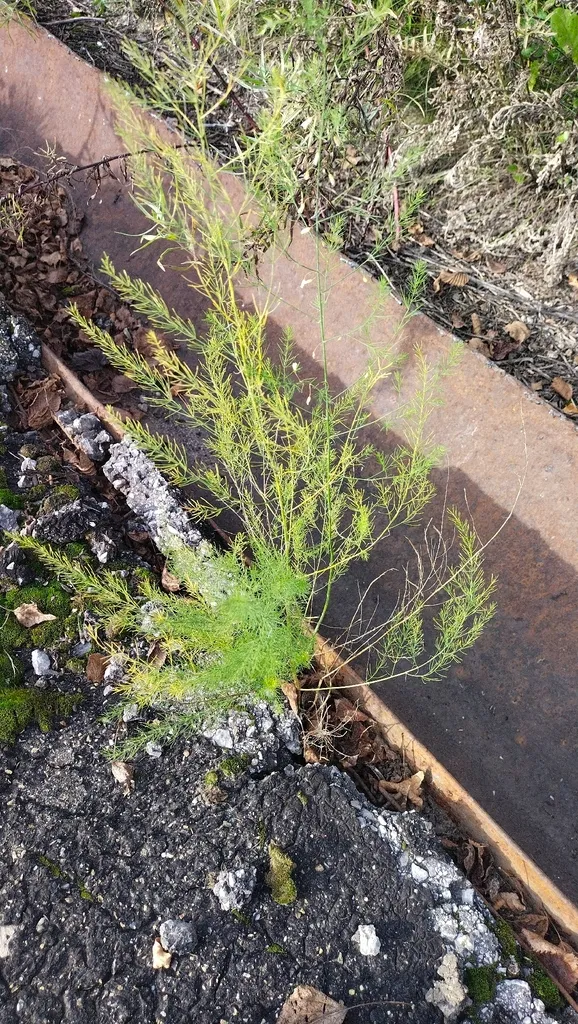
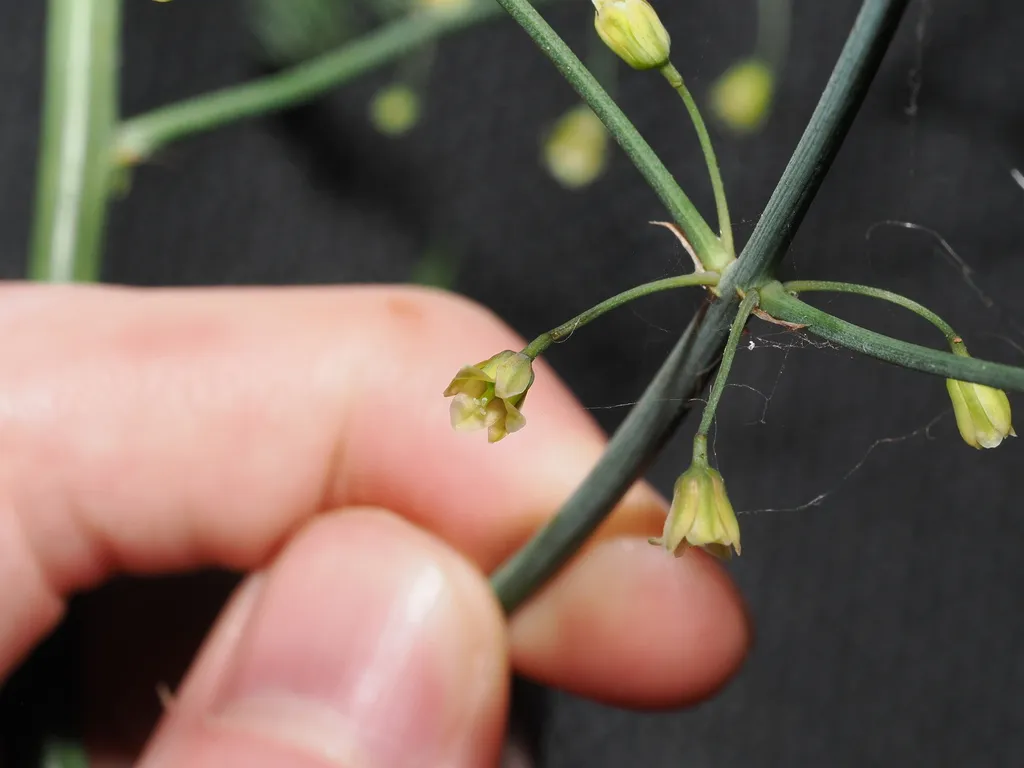
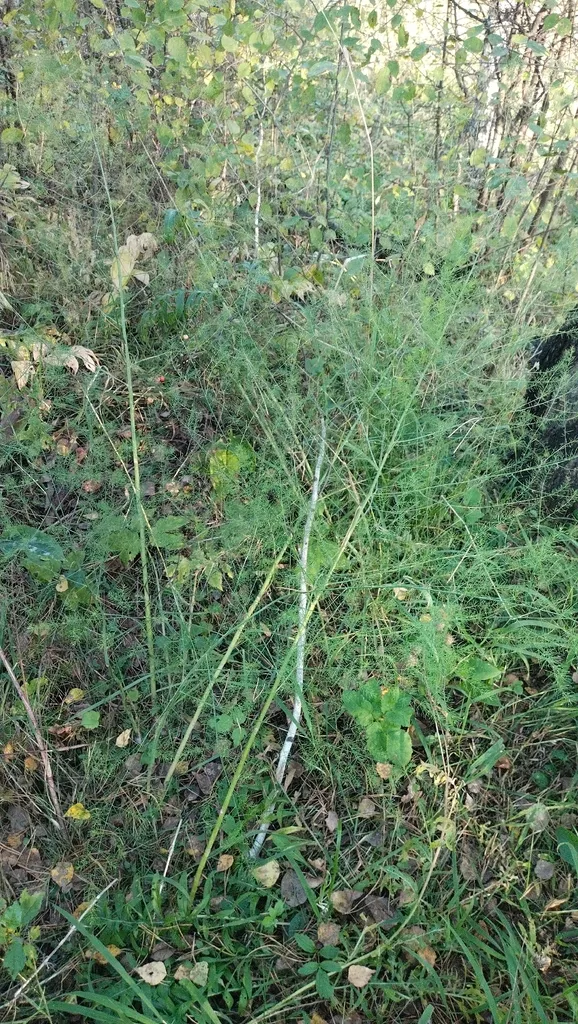
common asparagus pictures
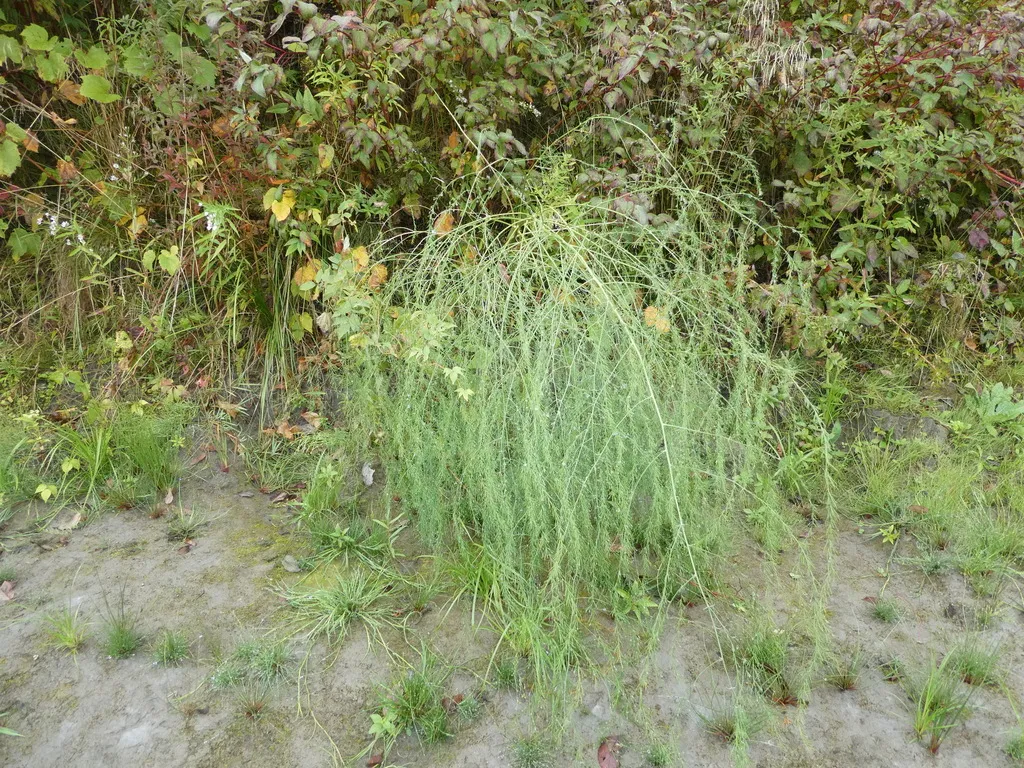
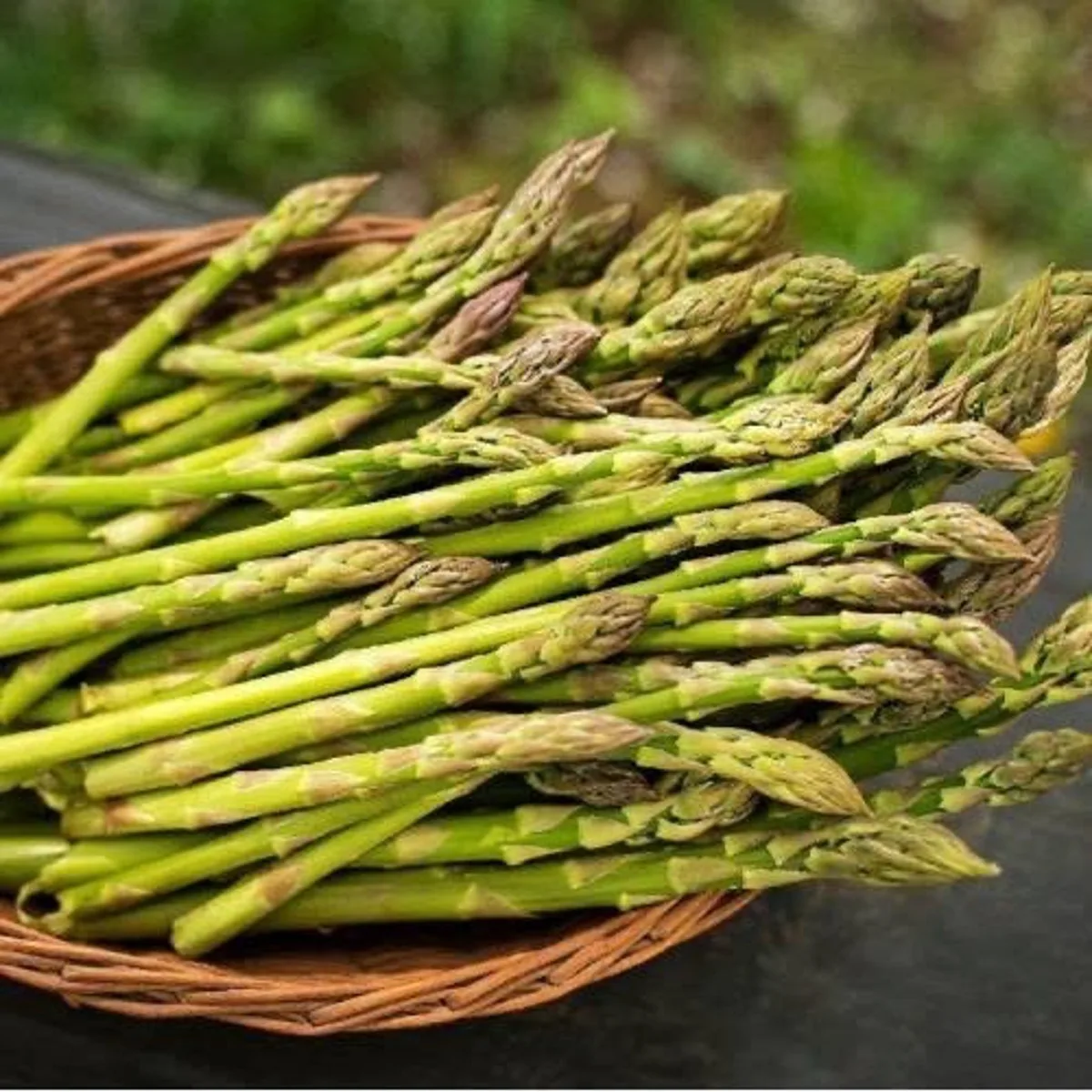
Distribution of common asparagus
Distribution map
- Native
- Introduced
- Cultivated
Source:WCVP v16 · Royal Botanic Gardens, Kew · CC BY 3.0 · Boundaries:WGSRPD / TDWG
Toxicity
Skin allergen, fruits harmful if eaten. Wear gloves and other protective equipment when handling]
common asparagus care guide
- Moderate regular watering, allowing brief slight drying between soakings
- Watering
- Full sun
- Sunlight

Watering
Moderate regular watering, allowing brief slight drying between soakings
Fertilizing
 Fertilizing
Balanced perennial feed every four weeks from spring through summer
Pruning
 Pruning
Cut down foliage in autumn, when yellowed, to 2.5cm above the soil
Propagation
 Propagation
Propagate by crowns. Although propagation by seed is possible, it is not advisable as seedlings take longer, and may not be male cultivars which produce better plants
Growing
 Growing
Grow in moist but well-drained soil, or in raised beds on light, sandy soil. Avoid frost pockets as spears are tender. Follow asparagus cultivation for more advice
Common pests and diseases
Diseases
May be susceptible to foot and root rots and violet root rot
Pests
May be susceptible to asparagus beetle, slugs and snails
Explore the plant health library →




