
common sorrel
Also known as: garden sorrel; green sauce; patriot's blood; sharp dock; sorrel dock; sour leek; sorrel; sour dock; sour grass
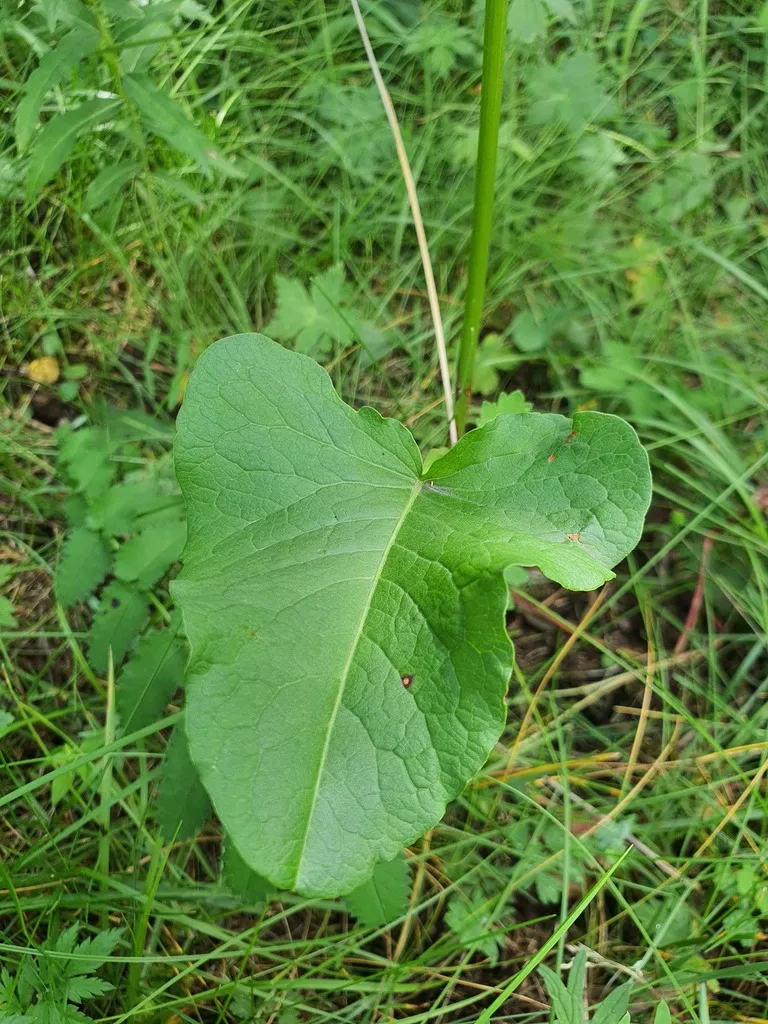
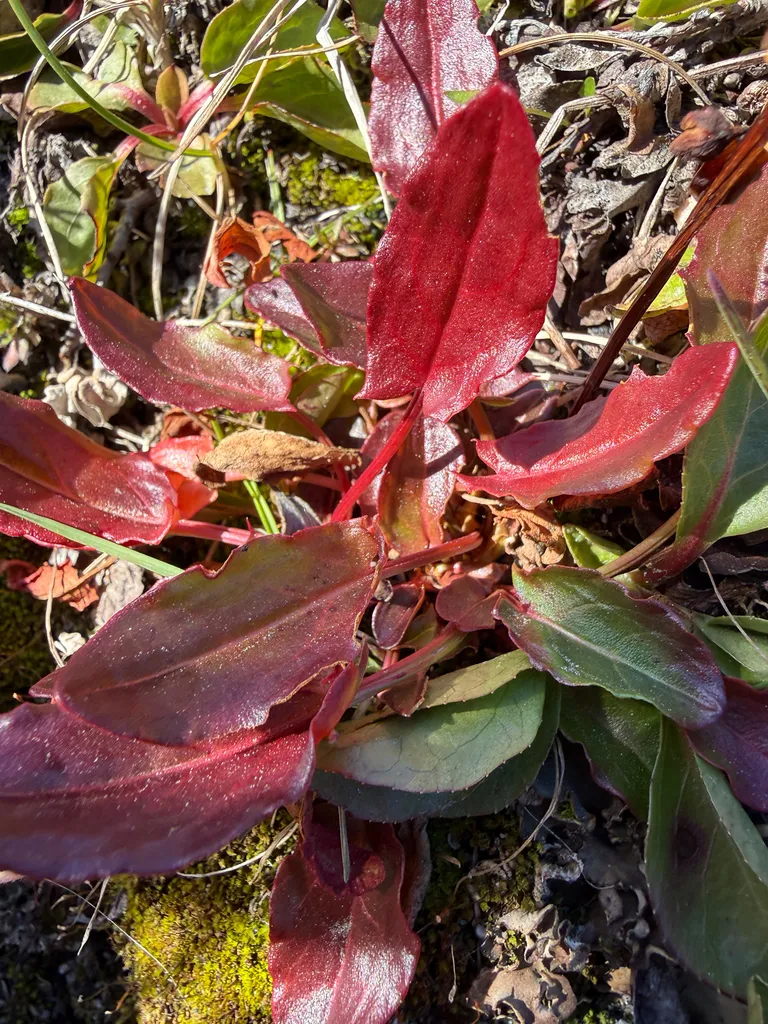
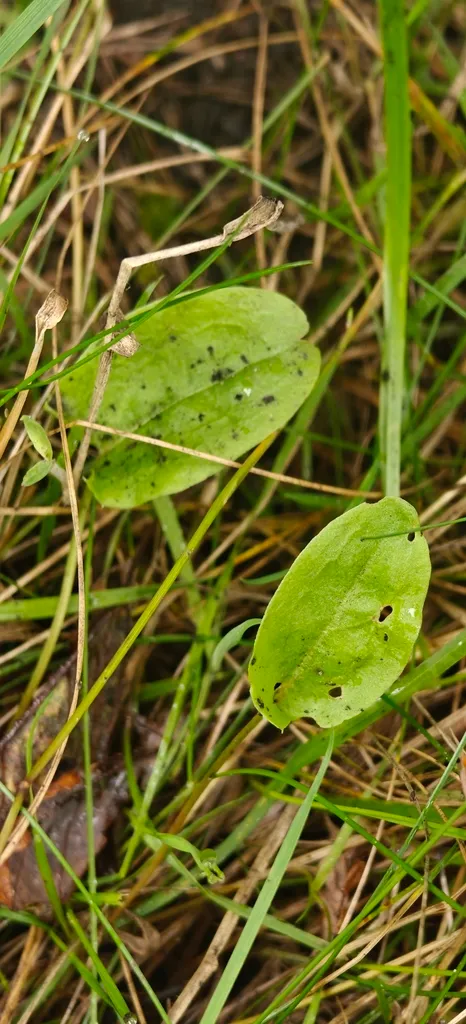
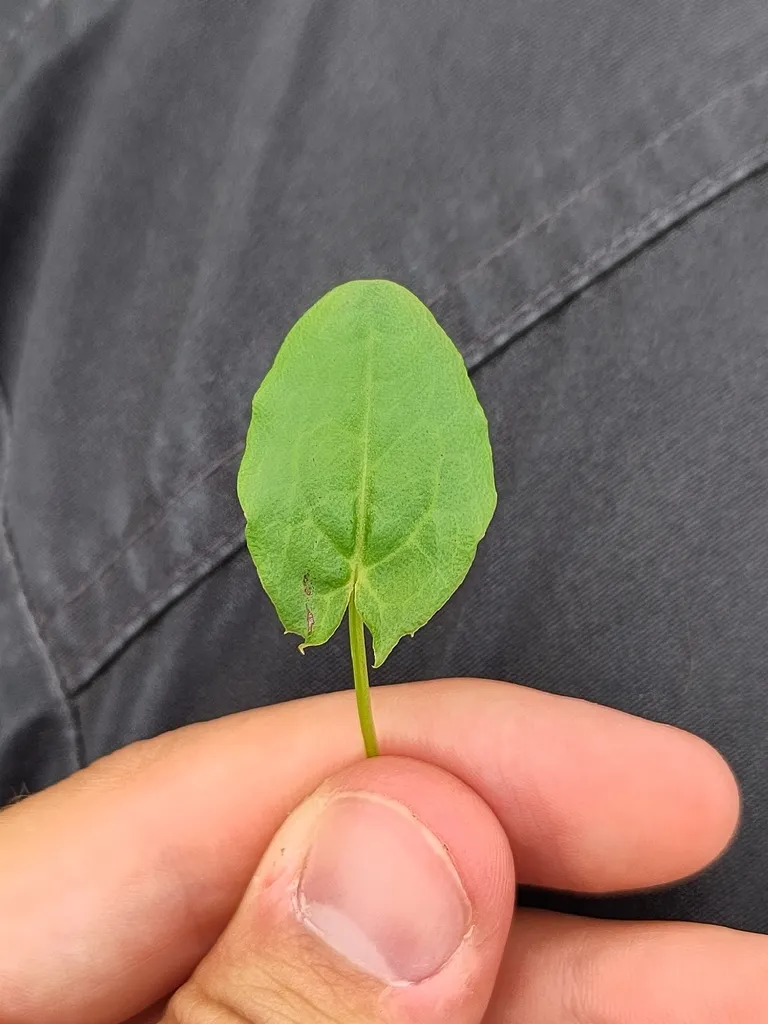
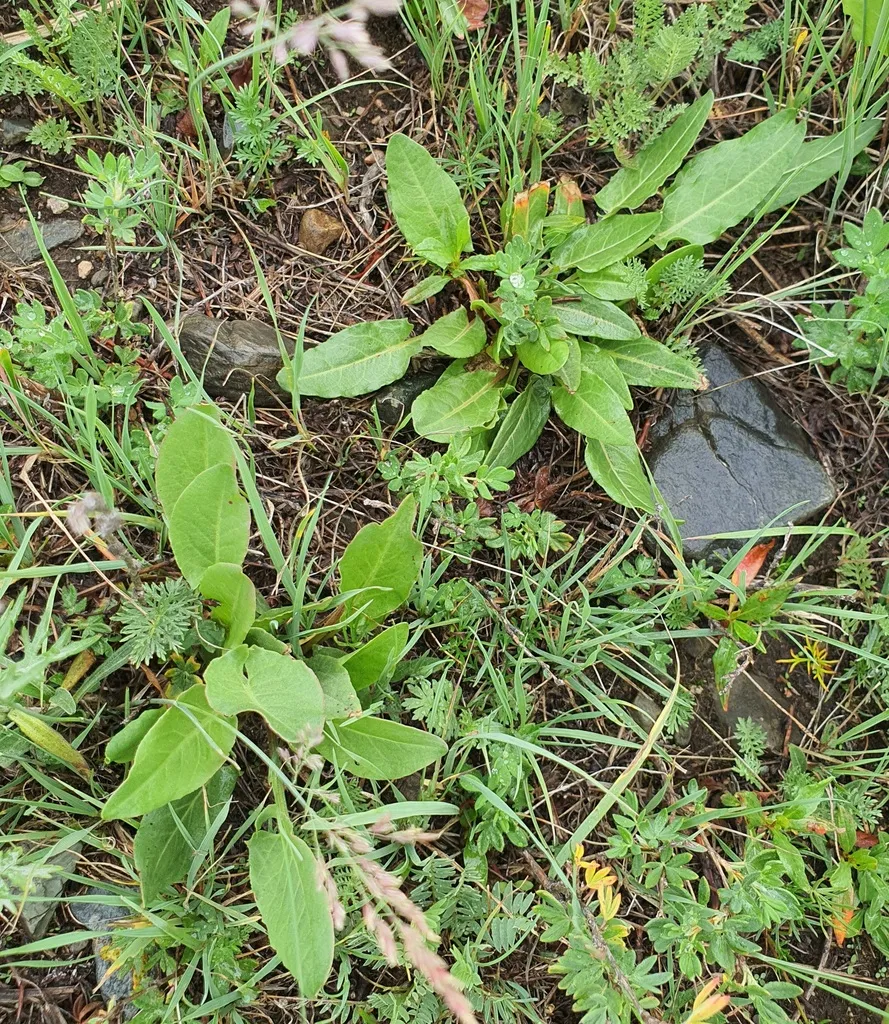
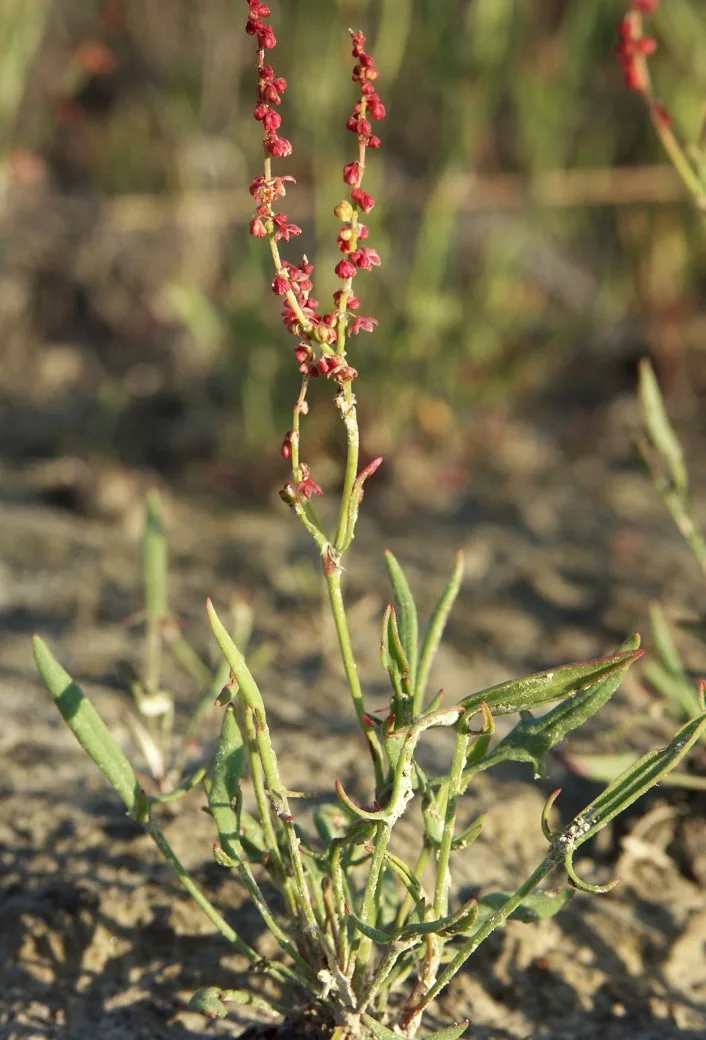
A hardy, clump-forming perennial herb with edible, sour-tasting, oblong leaves, arrow-shaped, 7-15cm long at the base. Small reddish flowers are produced in early summer in a narrow panicle or raceme up to 1.2m tall
Scientific classification
- Species
- common sorrel (Rumex acetosa)
- Genus
- Rumex
- Family
- Polygonaceae
- Harmful if eaten in large amounts. Wear gloves and other protective equipment when handling
- Toxicity
- Herbaceous Perennial · Herbs - Culinary
- Plant type
- 0.5-1 metres
- Height
- 0-0.1 metre
- Spread
- Deciduous
- Foliage
- Columnar upright
- Habit
- Spring · Summer
- Season of interest
- Full sun · Partial shade
- Sunlight
- 15 – 25 °C
- Ideal temperature









common sorrel pictures
Distribution of common sorrel
Distribution map
Northern Temperate Arctic Regions
Information to be completed
Culture
Information to be completed
Toxicity
Harmful if eaten in large amounts. Wear gloves and other protective equipment when handling
Quick identification of common sorrel
Information to be completed
common sorrel care guide
- Consistently damp soil, water often during hot summer heat waves
- Watering
- Full sun · Partial shade
- Sunlight
- 15 – 25 °C
- Ideal temperature

Watering
Consistently damp soil, water often during hot summer heat waves
Fertilizing
 Fertilizing
Diluted general plant feed applied every three weeks growing season
Pruning
 Pruning
Cut back after flowering. Cut back prior to seed setting to avoid self-seeding
Propagation
 Propagation
Propagate by seed
Growing
 Growing
Grow in any well-drained soil, in full sun. The plant self-seeds and deep tap roots may be difficult to eradicate or control. Young leaves can be eaten raw or added to salads, or boiled similar to spinach to accompany meals. See sorrel cultivation for more advice
People also ask
Information to be completed
Common pests and diseases
Diseases
Generally disease-free
Pests
May be susceptible to slugs and aphids
Explore the plant health library →




