
rampion
Also known as: rampion bellflower; ramps
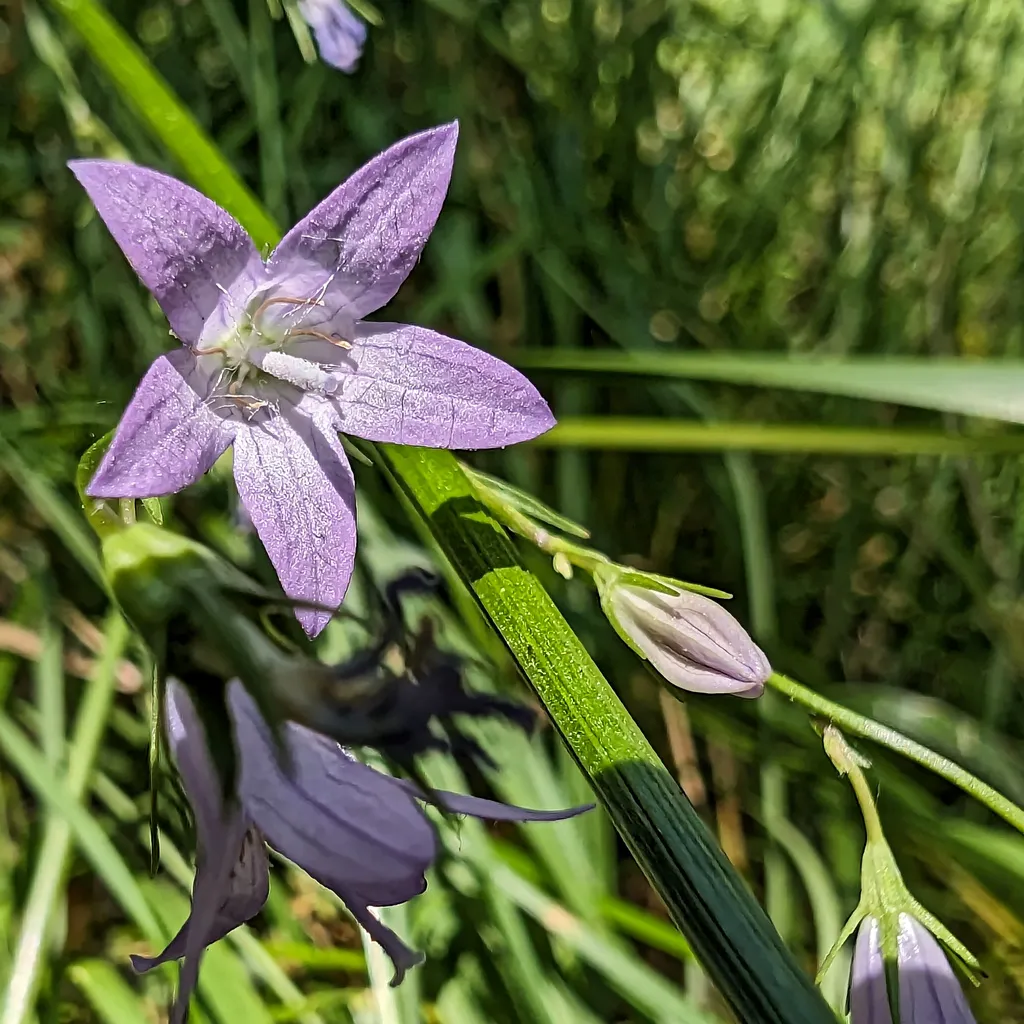
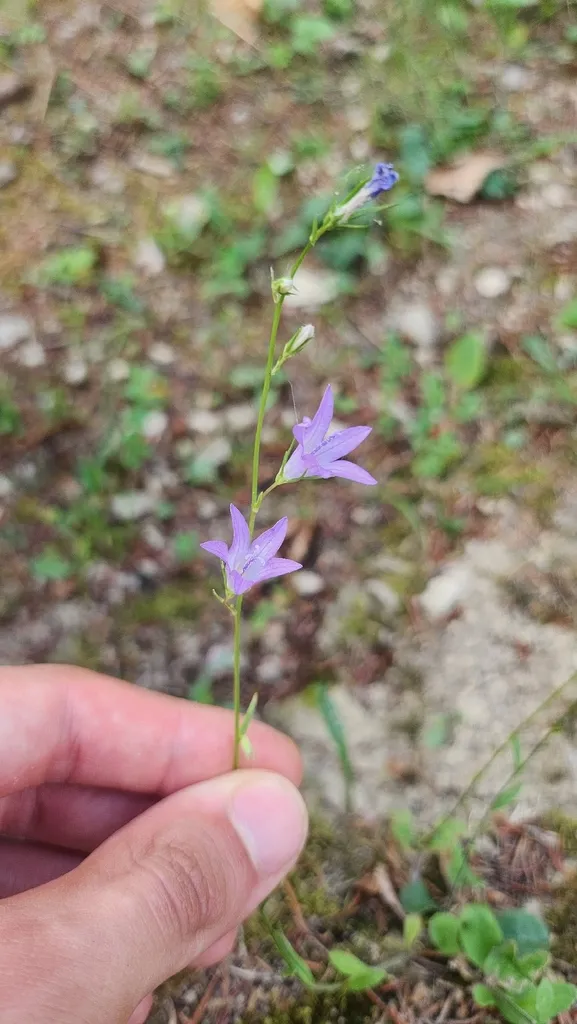
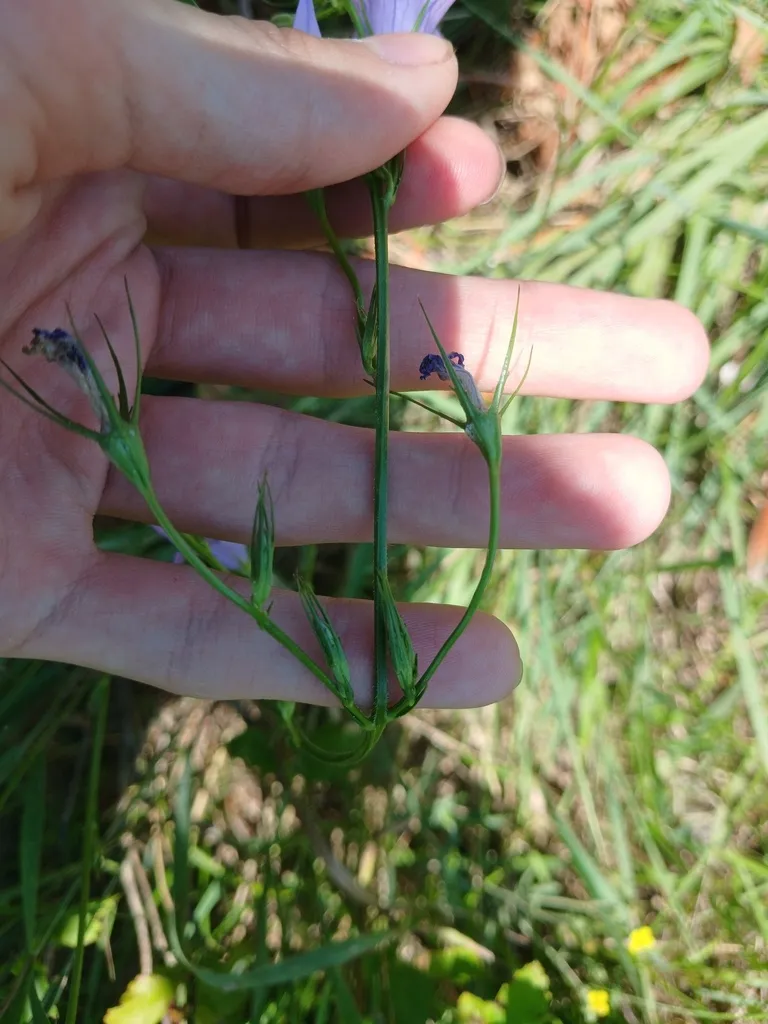
An upright biennial, up to 90cm high, with spreading rhizomes and narrow, lance-shaped green leaves. Produces loose clusters of open funnel-shaped, pale purple flowers in its second summer
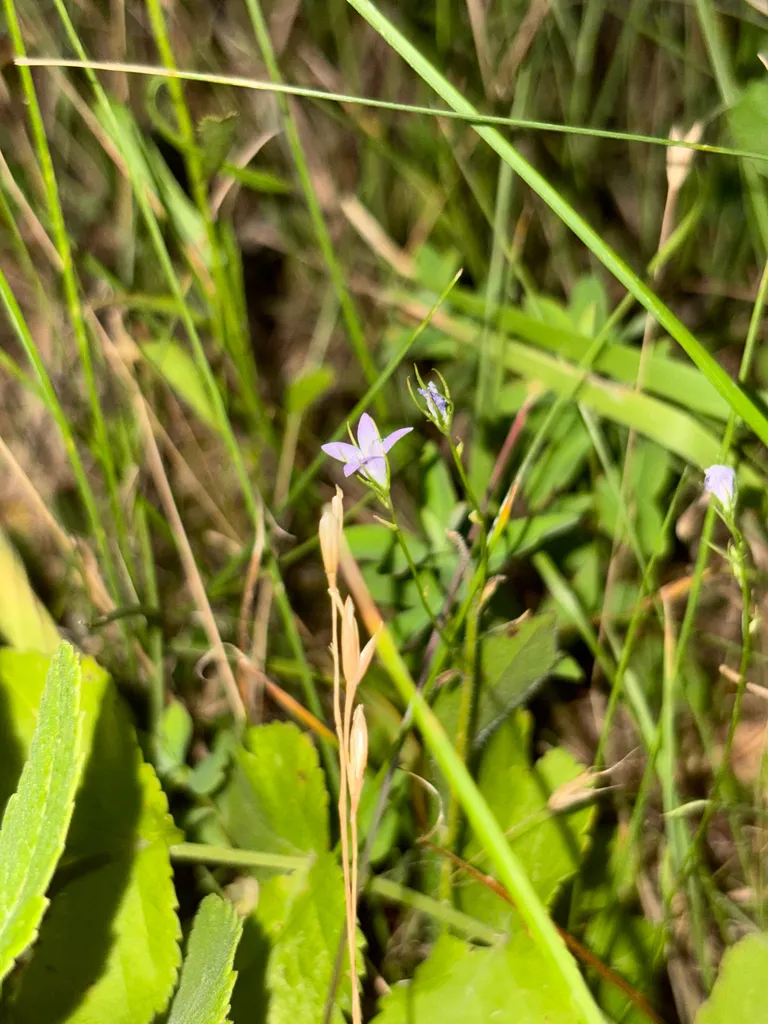
Scientific classification
- Species
- rampion (Campanula rapunculus)
- Genus
- Campanula
- Family
- Campanulaceae
- Information to be completed
- Toxicity
- Annual Biennial
- Plant type
- 0.5-1 metres
- Height
- 0.1-0.5 metres
- Spread
- Deciduous
- Foliage
- Columnar upright
- Habit
- Spring · Summer
- Season of interest
- Full sun · Partial shade
- Sunlight
- Information to be completed
- Ideal temperature









rampion pictures
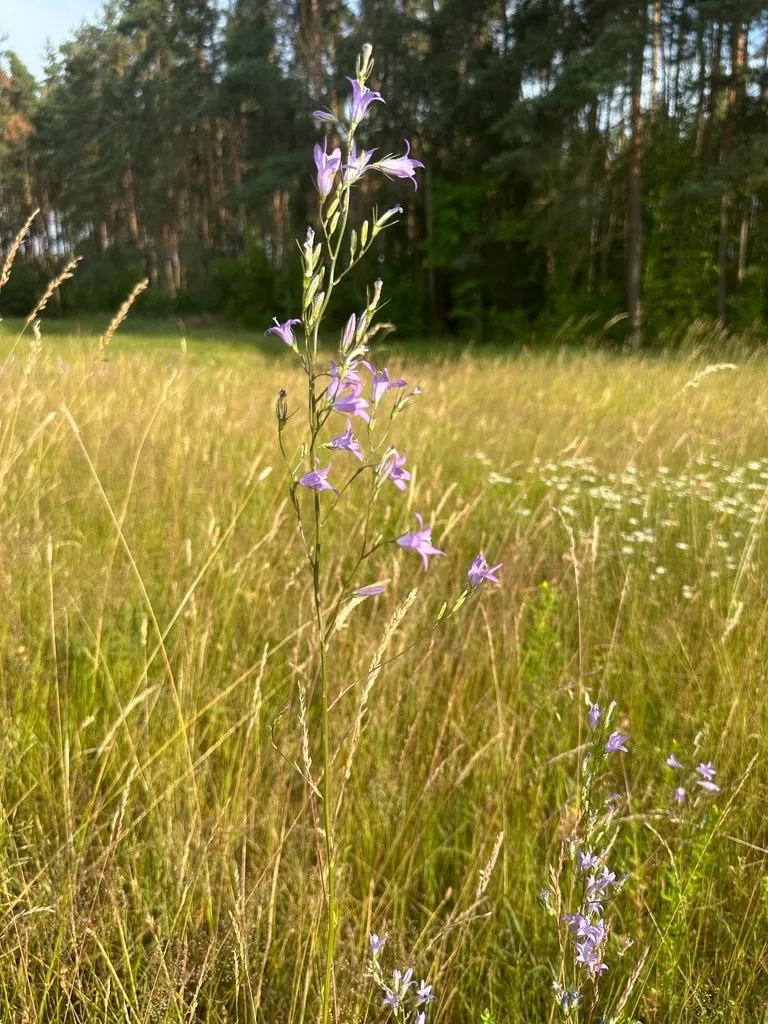
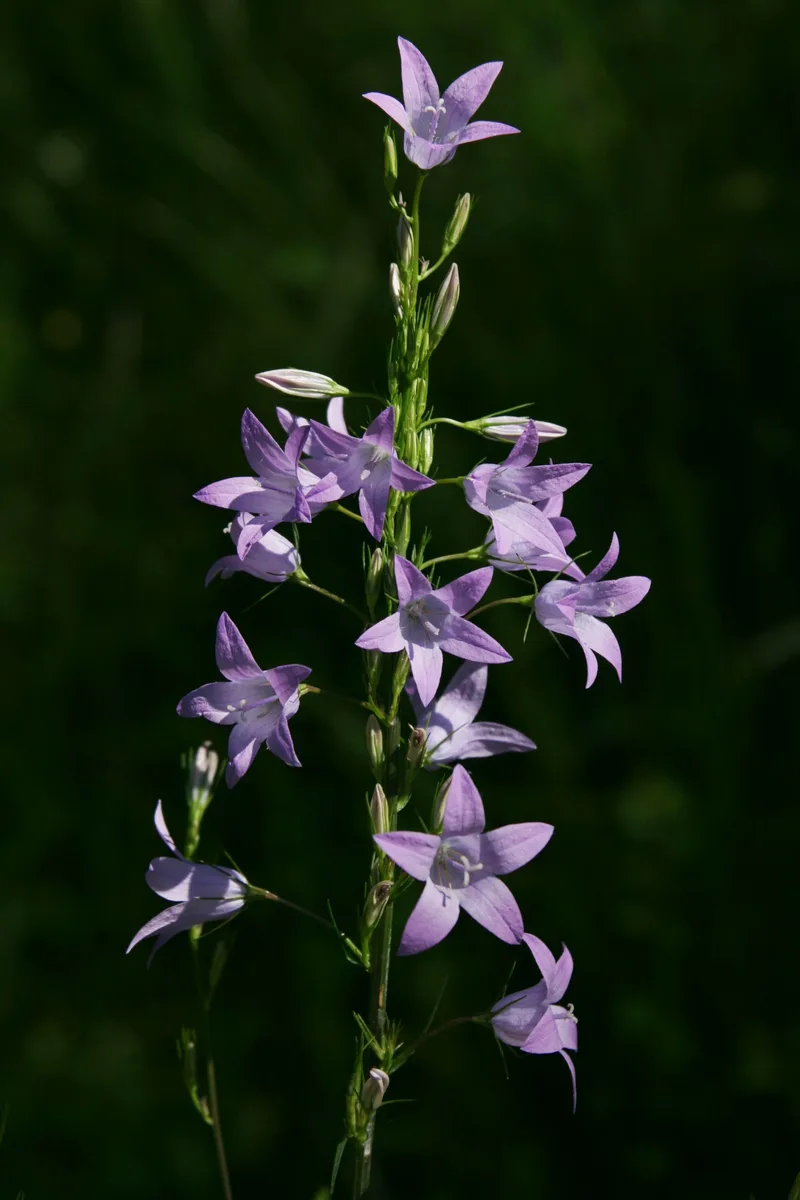
Distribution of rampion
Distribution map
W and Central Euras., Northern Afr
Information to be completed
Culture
Information to be completed
Toxicity
Information to be completed
Quick identification of rampion
Information to be completed
rampion care guide
- Consistent moderate moisture for leaf and root development
- Watering
- Full sun · Partial shade
- Sunlight
- Information to be completed
- Ideal temperature

Watering
Consistent moderate moisture for leaf and root development
Fertilizing
 Fertilizing
Weak all-purpose feed monthly spring through summer growth
Pruning
 Pruning
Cut back after flowering
Propagation
 Propagation
Propagate by seed or by division; plants can spread rapidly by rhizomes and by self-seeding
Growing
 Growing
Thrives in well-drained soil in sun or part-day shade. Protect from excess winter wet
People also ask
Information to be completed
Common pests and diseases
Diseases
May be susceptible to powdery mildews and rust diseases
Pests
May be susceptible to aphids, slugs and snails
Explore the plant health library →




