
lion's tail
Also known as: lion's tooth; lion's ear
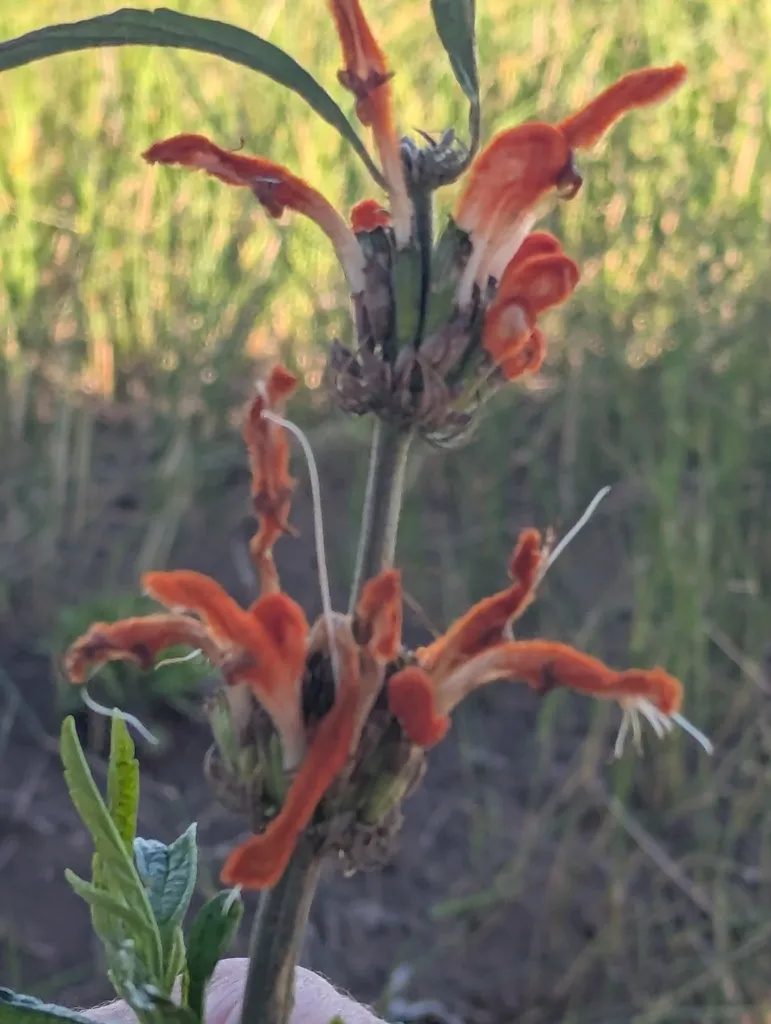
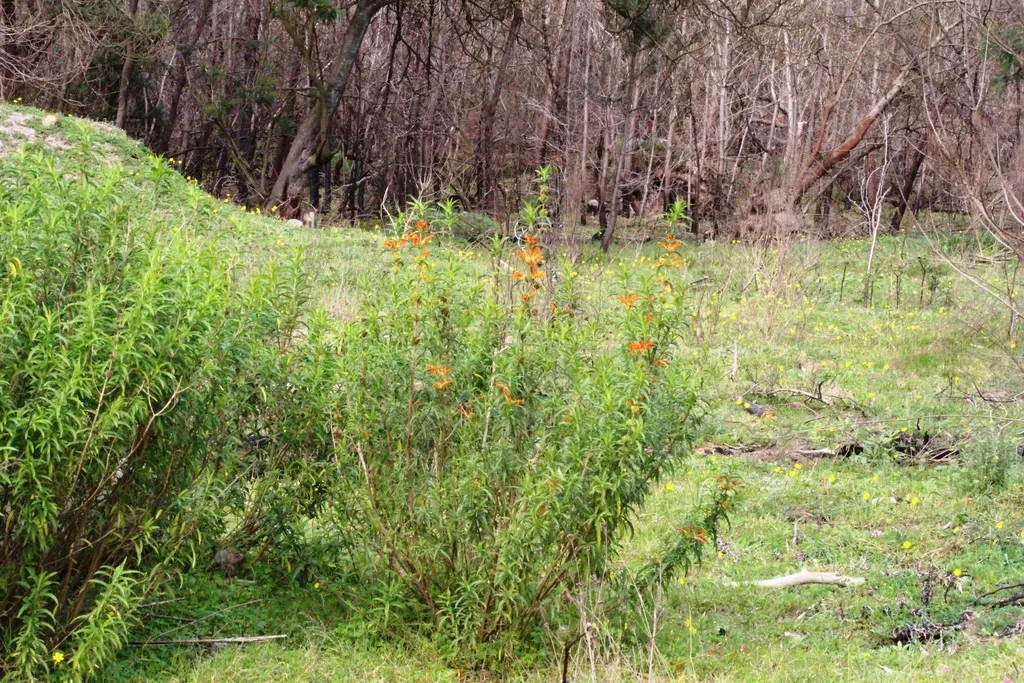
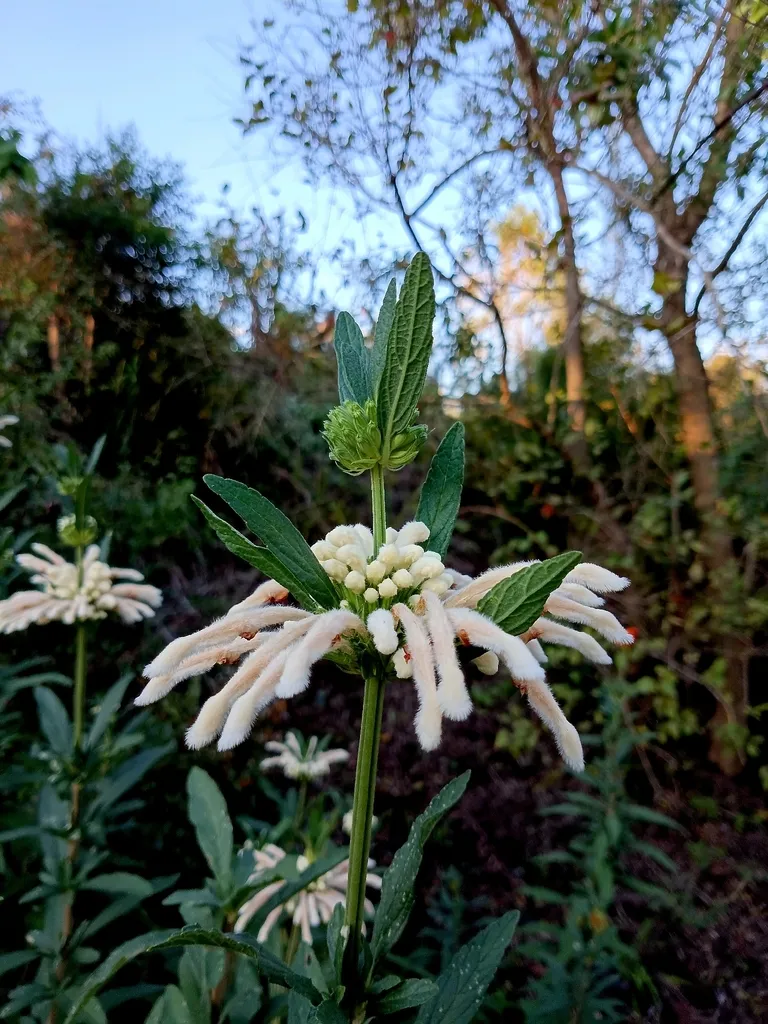
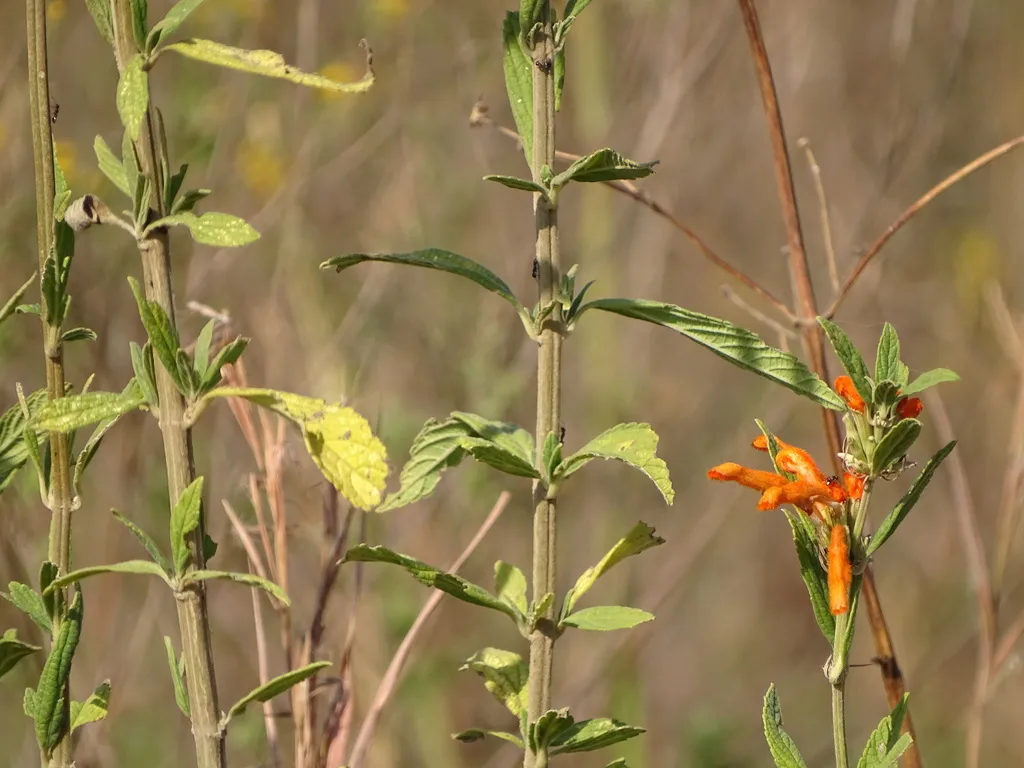
L. leonurus is a semi-evergreen shrub to 2m, with lance-shaped leaves to 12cm long, and whorls of reddish orange to red flowers 6cm long in autumn and early winter
Scientific classification
- Species
- lion's tail (Leonotis leonurus)
- Genus
- Leonotis
- Family
- Lamiaceae
- Information to be completed
- Toxicity
- Conservatory Greenhouse · Shrubs
- Plant type
- 1.5-2.5 metres
- Height
- 1-1.5 metres
- Spread
- Semi evergreen
- Foliage
- Bushy
- Habit
- Spring · Summer · Autumn · Winter
- Season of interest
- Full sun
- Sunlight
- Information to be completed
- Ideal temperature









lion's tail pictures
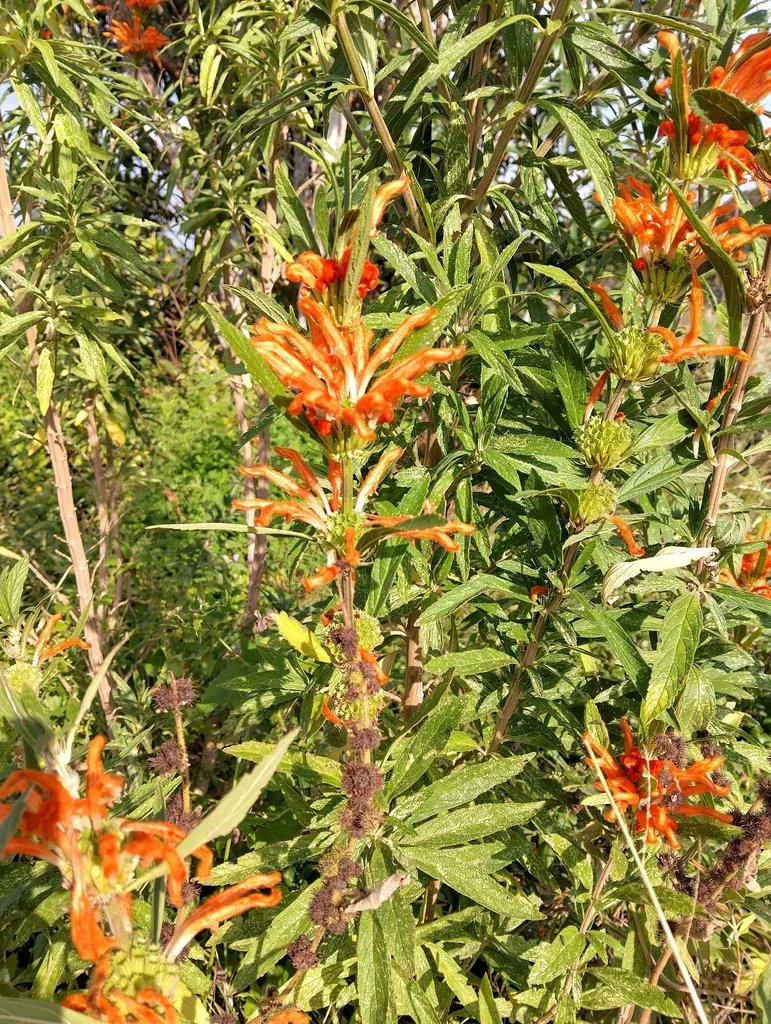
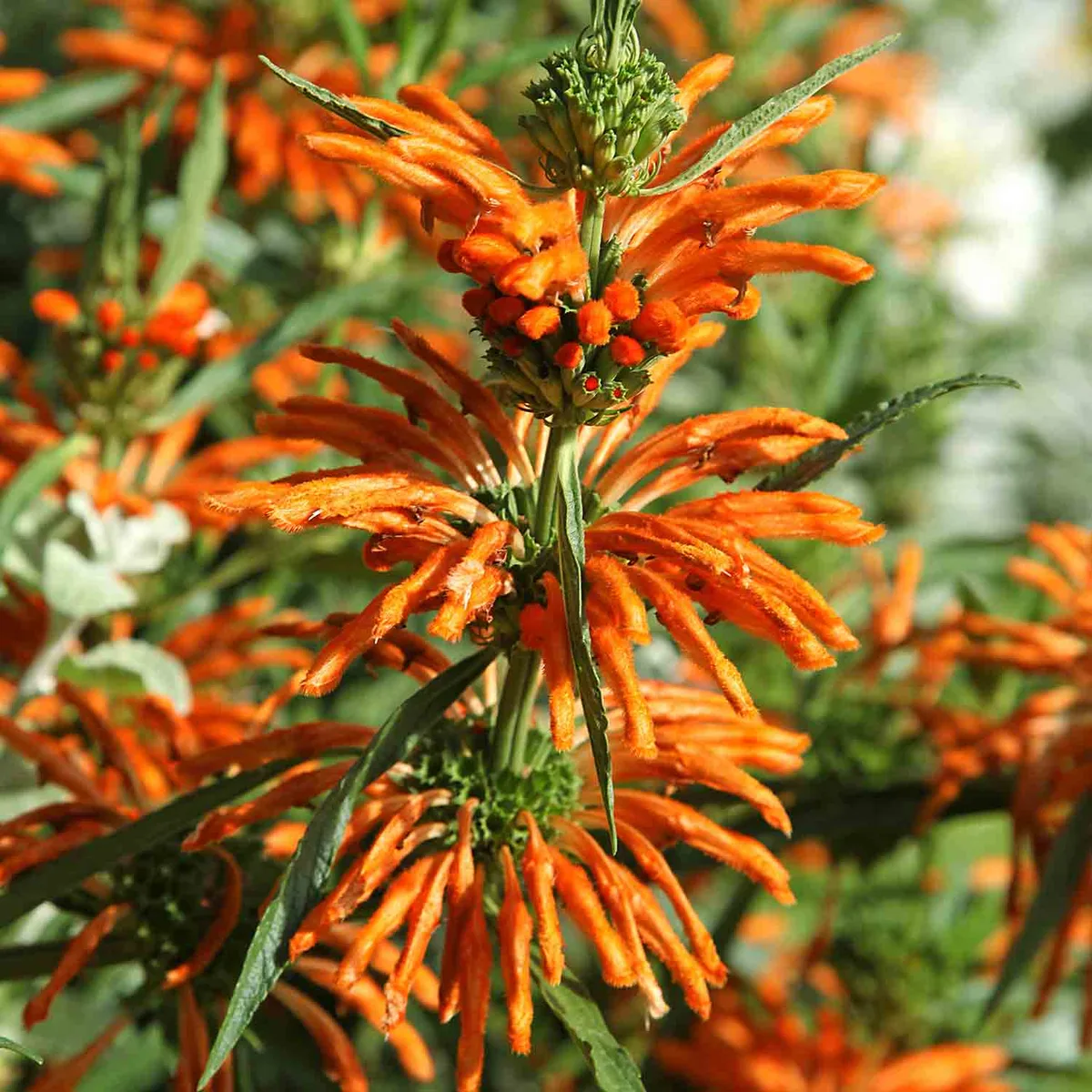
Distribution of lion's tail
Distribution map
South Africa
Information to be completed
Culture
Information to be completed
Toxicity
Information to be completed
Quick identification of lion's tail
Information to be completed
lion's tail care guide
- Moderate regular watering, allowing brief slight drying between soakings
- Watering
- Full sun
- Sunlight
- Information to be completed
- Ideal temperature

Watering
Moderate regular watering, allowing brief slight drying between soakings
Fertilizing
 Fertilizing
Balanced perennial feed every four weeks from spring through summer
Pruning
 Pruning
Shorten flowered shoots to about 1.5–2.5 cm from the previous year's growth. If flowering is on last year's growth, prune after flowering; if on current-year growth, prune the following early to mid-spring.
Propagation
 Propagation
Propagate by seed or greenwood cuttings in late spring or summer
Growing
 Growing
Treat as a tender perennial and grow in a cool greenhouse, or plant outdoors after frosts in a sunny border or against a warm wall
People also ask
Information to be completed
Common pests and diseases
Diseases
Susceptible to grey moulds under glass
Pests
Under glass glasshouse red spider mite and glasshouse whitefly may be a problem
Explore the plant health library →




