
New Zealand bur
Also known as: New Zealand burr
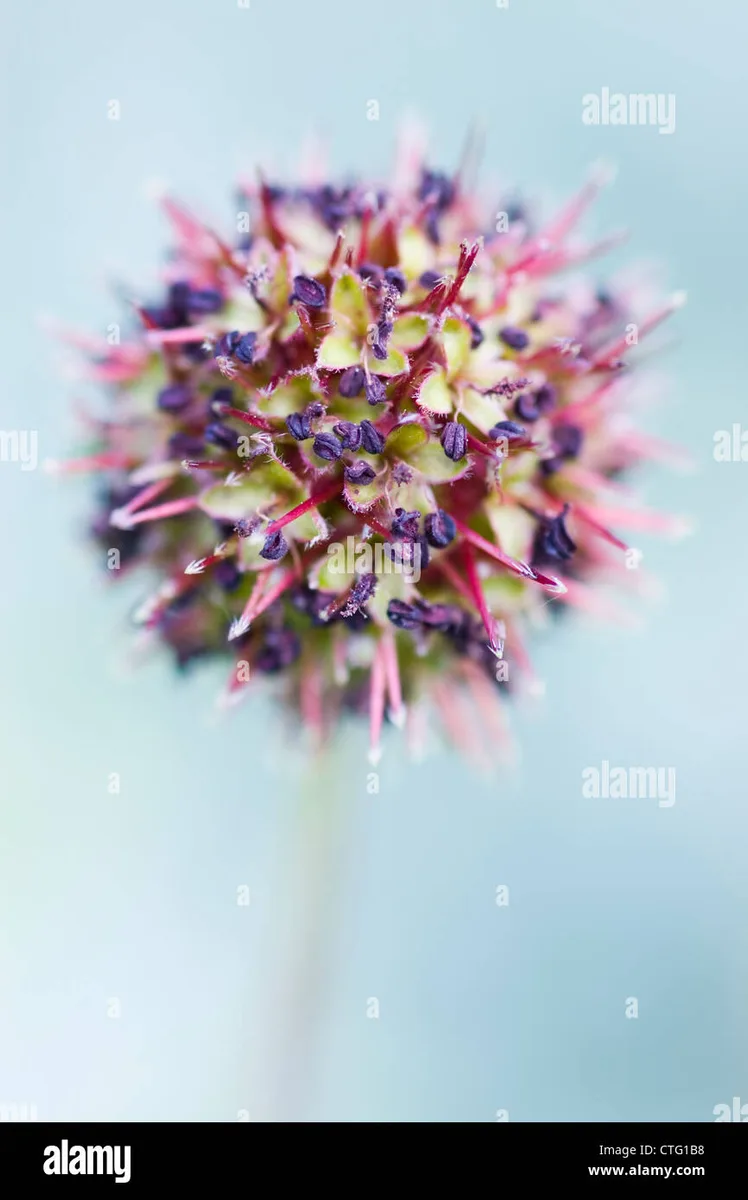
Has robust, woody main stems, decumbent and seldom rooting, forming loose mats to 13cm tall and to 60cm or more across. Young stems are reddish-pink. The pinnate leaves are 6-12 cm long, with 9-13, conspicuously veined, blue-grey leaflets. Flowerheads are globular, with red stamens. Burrs are 2-2.5cm wide, with barbed spines, on long stems to 20cm
Scientific classification
- Species
- New Zealand bur (Acaena affinis)
- Genus
- Acaena
- Family
- Rosaceae
- Information to be completed
- Toxicity
- Alpine Rockery · Herbaceous Perennial
- Plant type
- 0.1-0.5 metres
- Height
- 0.5-1 metres
- Spread
- Evergreen
- Foliage
- Matforming
- Habit
- Spring · Summer · Autumn · Winter
- Season of interest
- Full sun · Partial shade
- Sunlight
- Information to be completed
- Ideal temperature









New Zealand bur pictures
Distribution of New Zealand bur
Distribution map
South America, subantarctic islands
Information to be completed
Culture
Information to be completed
Toxicity
Information to be completed
Quick identification of New Zealand bur
Information to be completed
New Zealand bur care guide
- Moderate regular watering, allowing brief slight drying between soakings
- Watering
- Full sun · Partial shade
- Sunlight
- Information to be completed
- Ideal temperature

Watering
Moderate regular watering, allowing brief slight drying between soakings
Fertilizing
 Fertilizing
Balanced perennial feed every four weeks from spring through summer
Pruning
 Pruning
Cut back old flower stems after flowering
Propagation
 Propagation
Please see cultivation notes
Growing
 Growing
This plant is listed on Schedule 9 of the UK Wildlife & Countryside Act (Northern Ireland) as an invasive non-native species. Although not banned from sale, it is an offence to plant or cause these to grow in the wild IN NORTHERN IRELAND Gardeners possessing them should undertake measures to control them. See RHS advice on invasive non-native species for further information
People also ask
Information to be completed
Common pests and diseases
Diseases
Generally disease-free
Pests
Generally pest-free
Explore the plant health library →




