
henbane bell, European scopolia
Also known as: Information to be completed
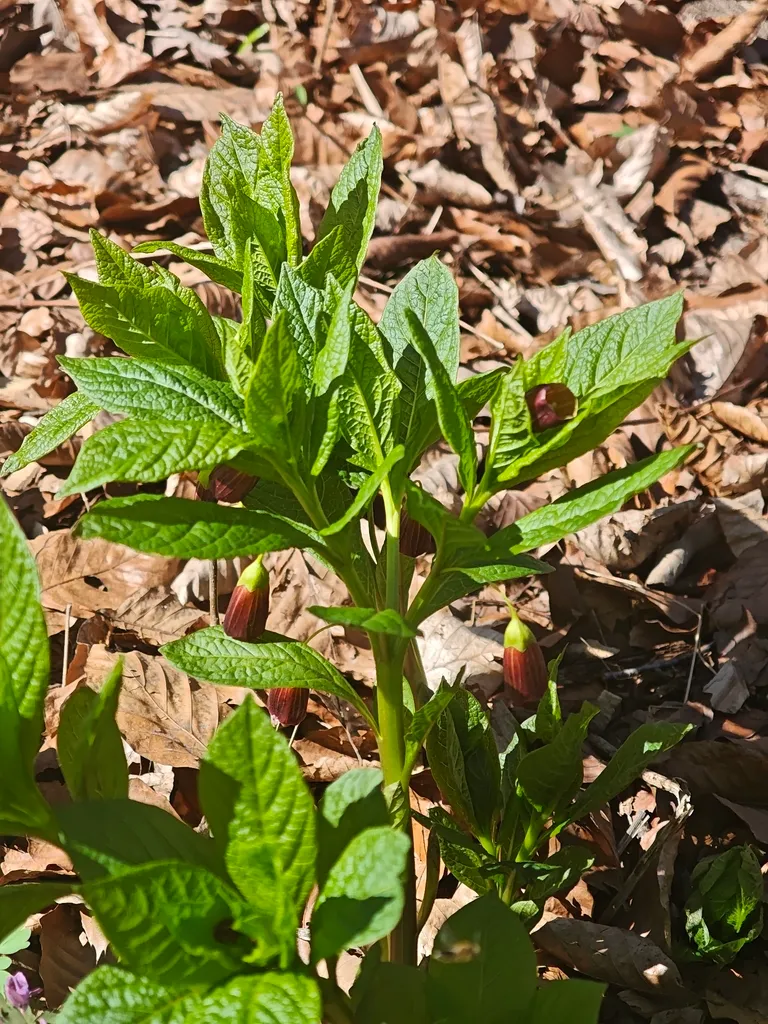
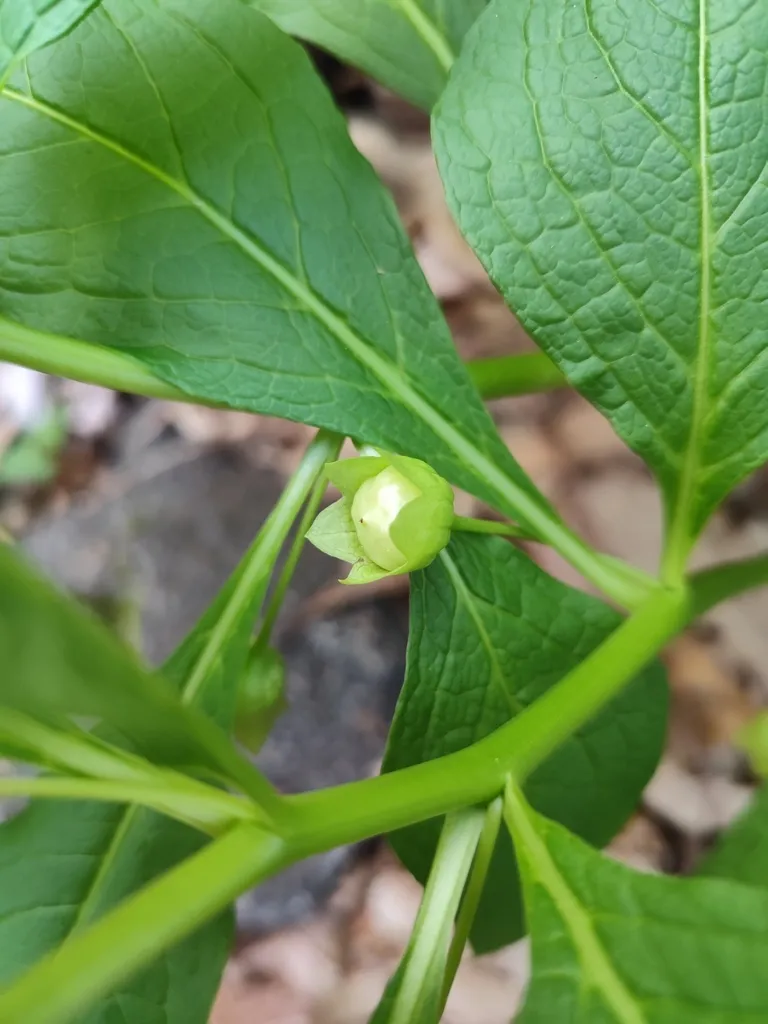
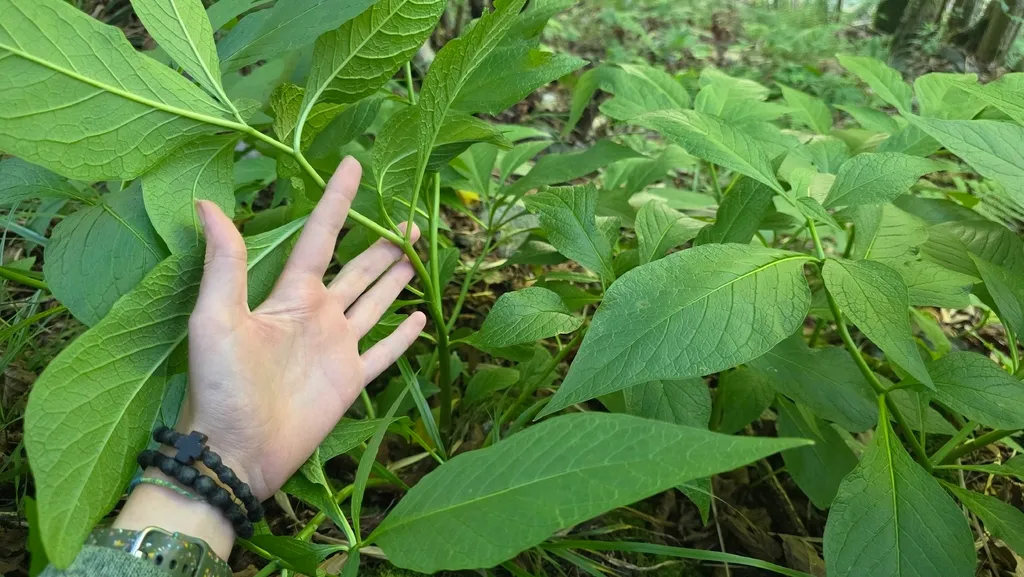
A clump-forming perennial to around 60cm high, with creeping rhizomes and glossy, veined and wrinkled green leaves. Solitary, bell-shaped flowers, reddish purple or reddish brown on the outside and pale yellow-green inside, are produced from the leaf axils in mid to late spring; plants die back after flowering and are dormant in summer
Scientific classification
- Species
- henbane bell, European scopolia (Scopolia carniolica)
- Genus
- Scopolia
- Family
- Solanaceae
- Order
- Solanales
- Class
- Magnoliopsida
- Phylum
- Magnoliophyta
- TOXIC if eaten. Wear gloves and other protective equipment when handling
- Toxicity
- Herbaceous Perennial
- Plant type
- 0.5-1 metres
- Height
- 0.5-1 metres
- Spread
- Deciduous
- Foliage
- Clump forming
- Habit
- Spring · Autumn · Winter
- Season of interest
- Partial shade
- Sunlight
- Information to be completed
- Ideal temperature









henbane bell, European scopolia pictures
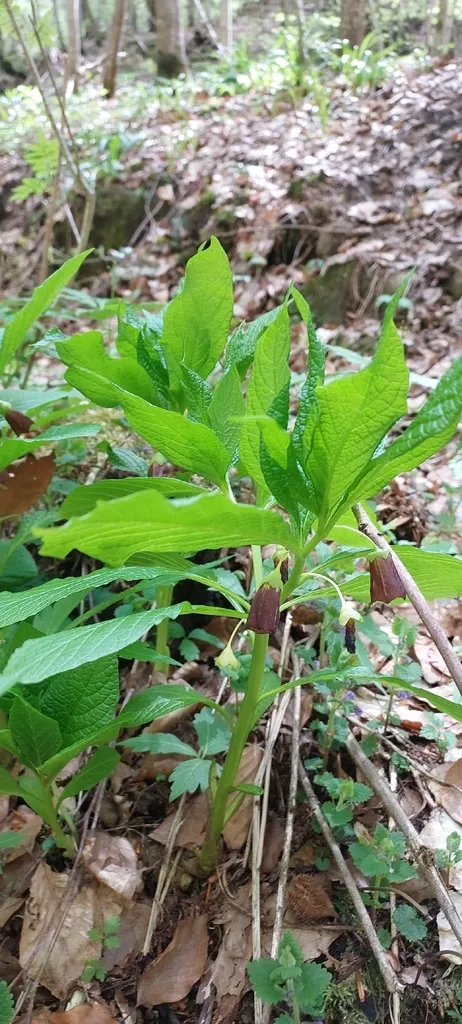
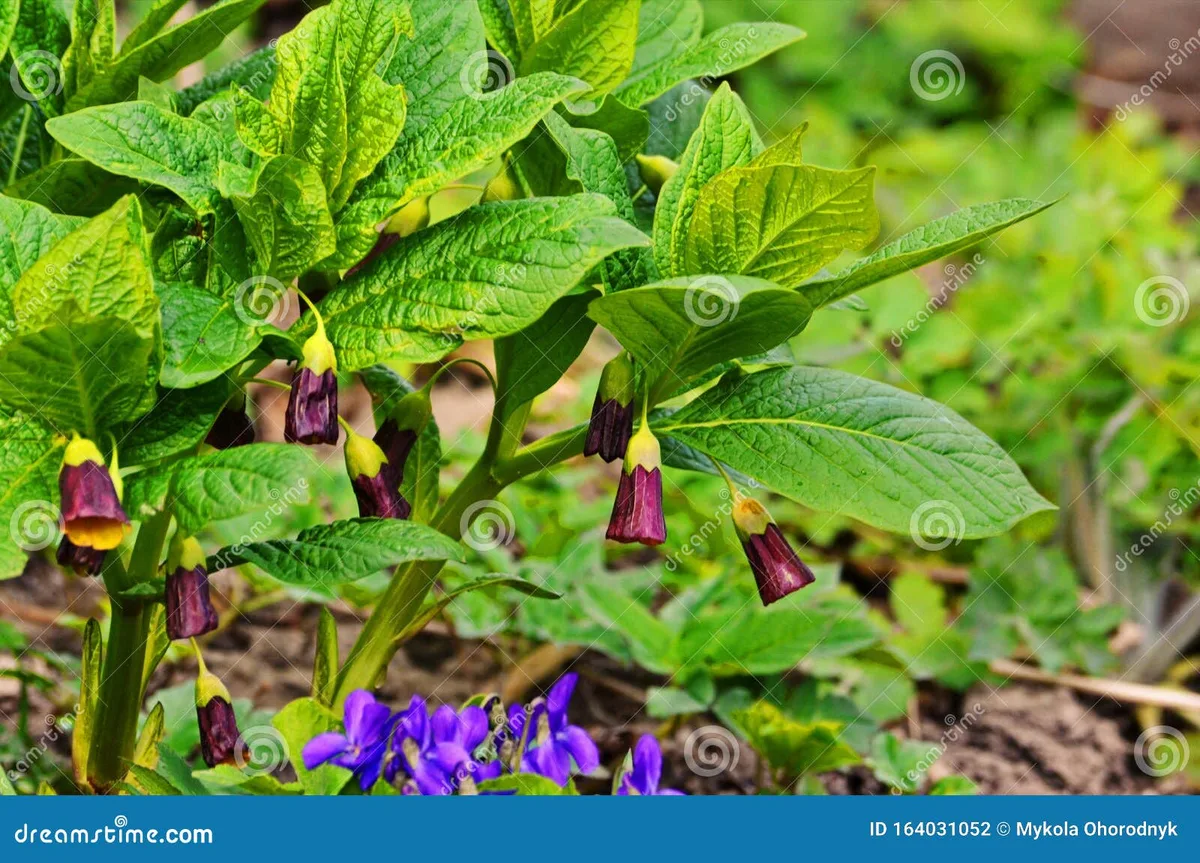
Distribution of henbane bell, European scopolia
Distribution map
- Native
- Introduced
- Cultivated
Source:WCVP v16 · Royal Botanic Gardens, Kew · CC BY 3.0 · Boundaries:WGSRPD / TDWG
Toxicity
TOXIC if eaten. Wear gloves and other protective equipment when handling
henbane bell, European scopolia care guide
- Lightly moist humus soil, shelter roots from extreme drought
- Watering
- Partial shade
- Sunlight

Watering
Lightly moist humus soil, shelter roots from extreme drought
Fertilizing
 Fertilizing
Single application of slow organic fertilizer at early spring yearly
Pruning
 Pruning
No pruning required
Propagation
 Propagation
Propagate by division in spring, or by seed sown in a cold frame in autumn, or in situ in autumn or spring
Growing
 Growing
Grow in humus-rich, moist but well-drained, neutral or slightly alkaline soil in partial shade
Common pests and diseases
Diseases
Generally disease-free
Pests
Generally pest-free
Explore the plant health library →




