
white comfrey
Also known as: Information to be completed
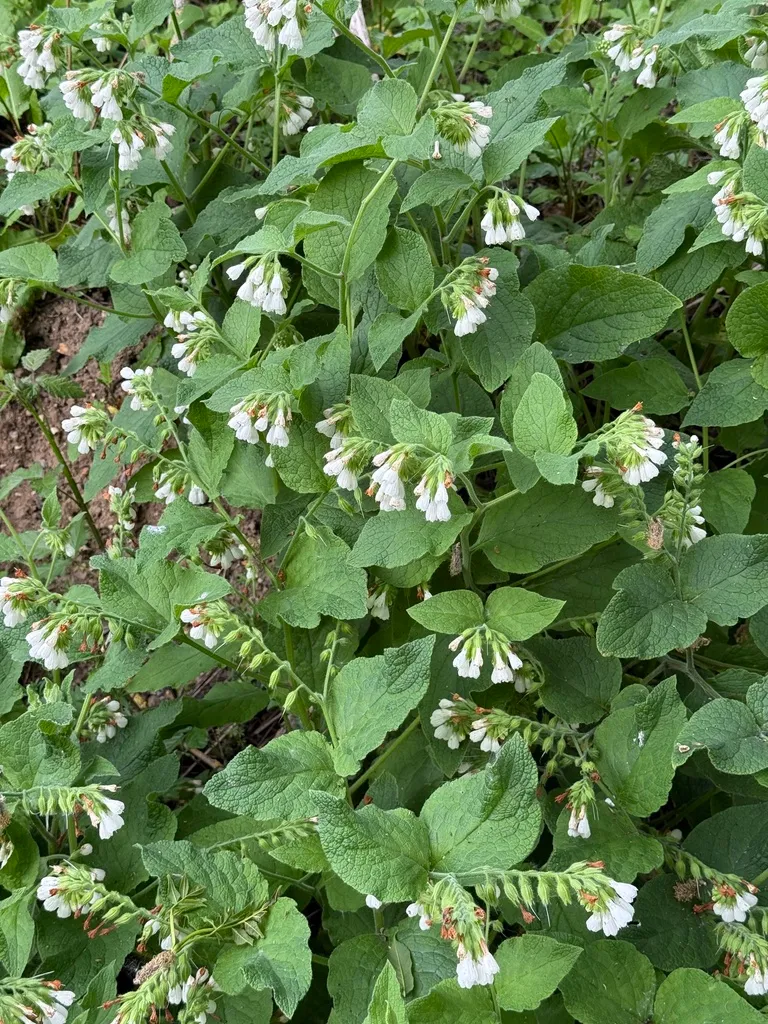
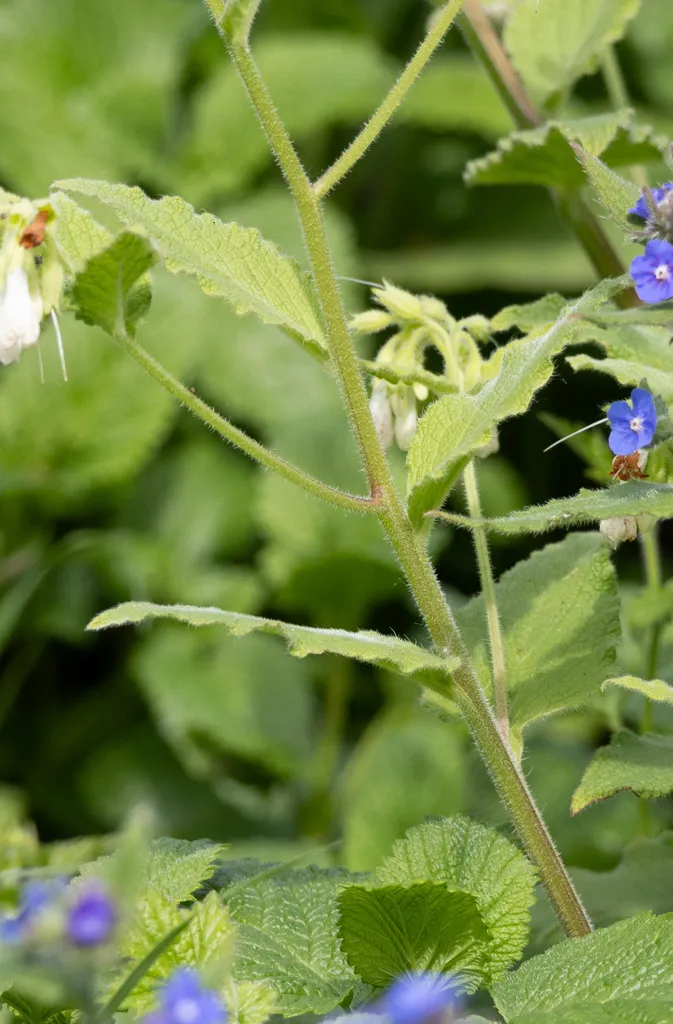
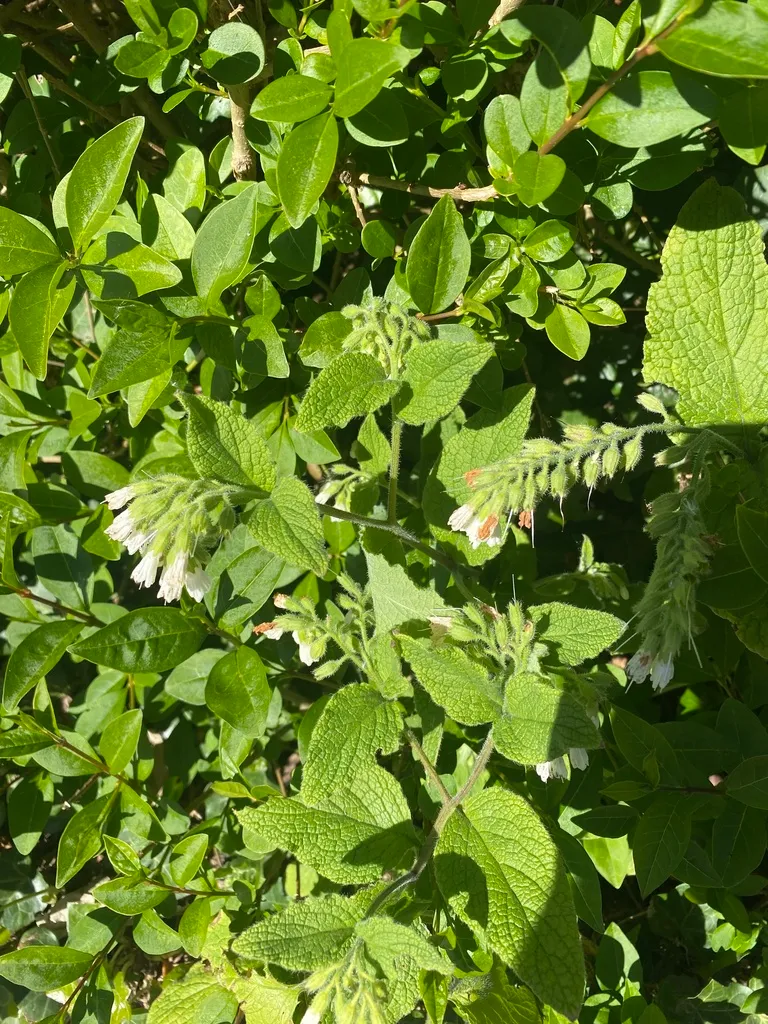
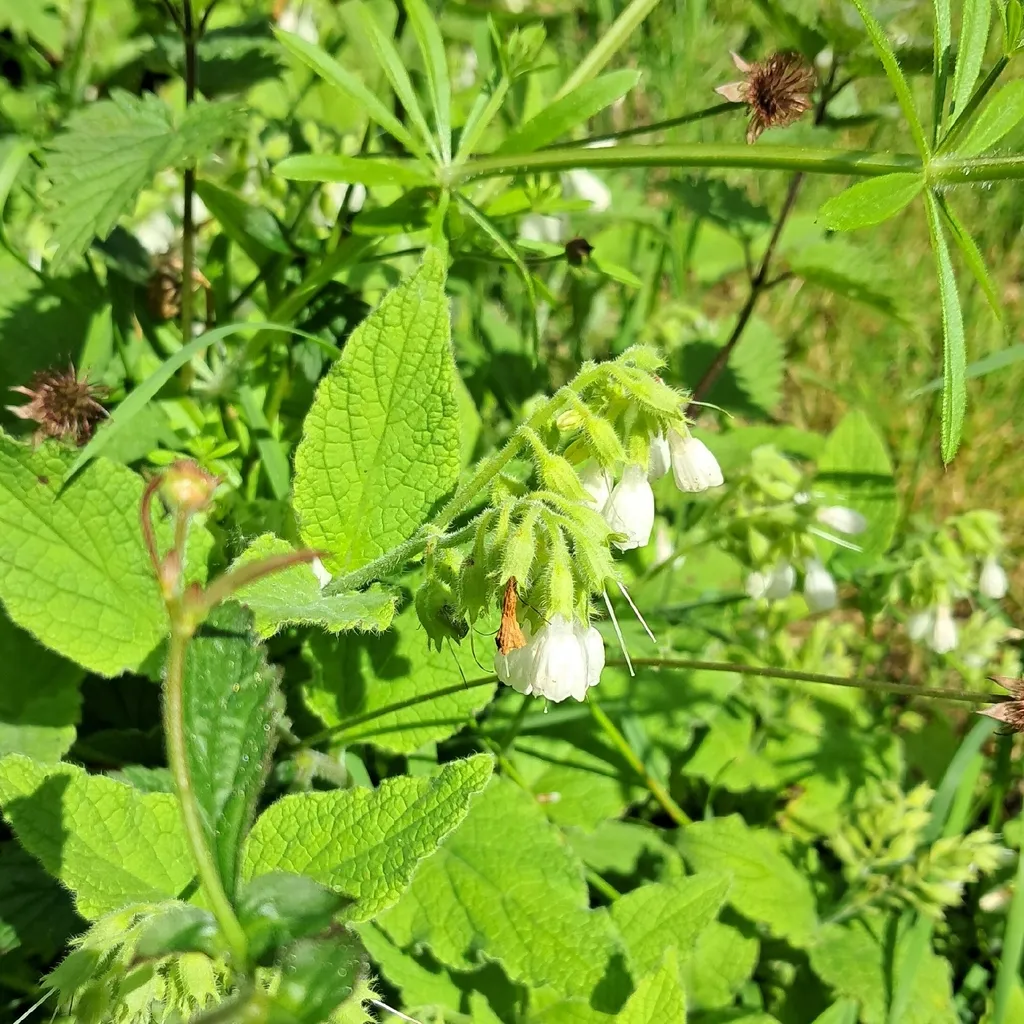
Clump-forming, softly-hairy perennial about 40-60cm tall, with oblong, wrinkled, dark green leaves, and bearing pendent clusters of tubular, funnel-shaped pure white flowers in late spring and early summer
Scientific classification
- Species
- white comfrey (Symphytum orientale)
- Genus
- Symphytum
- Family
- Boraginaceae
- Harmful if eaten repeatedly. Wear gloves and other protective equipment when handling
- Toxicity
- Herbaceous Perennial
- Plant type
- 0.1-0.5 metres
- Height
- 0.1-0.5 metres
- Spread
- Deciduous
- Foliage
- Clump forming
- Habit
- Spring · Summer · Autumn
- Season of interest
- Full sun · Partial shade
- Sunlight
- Information to be completed
- Ideal temperature









white comfrey pictures
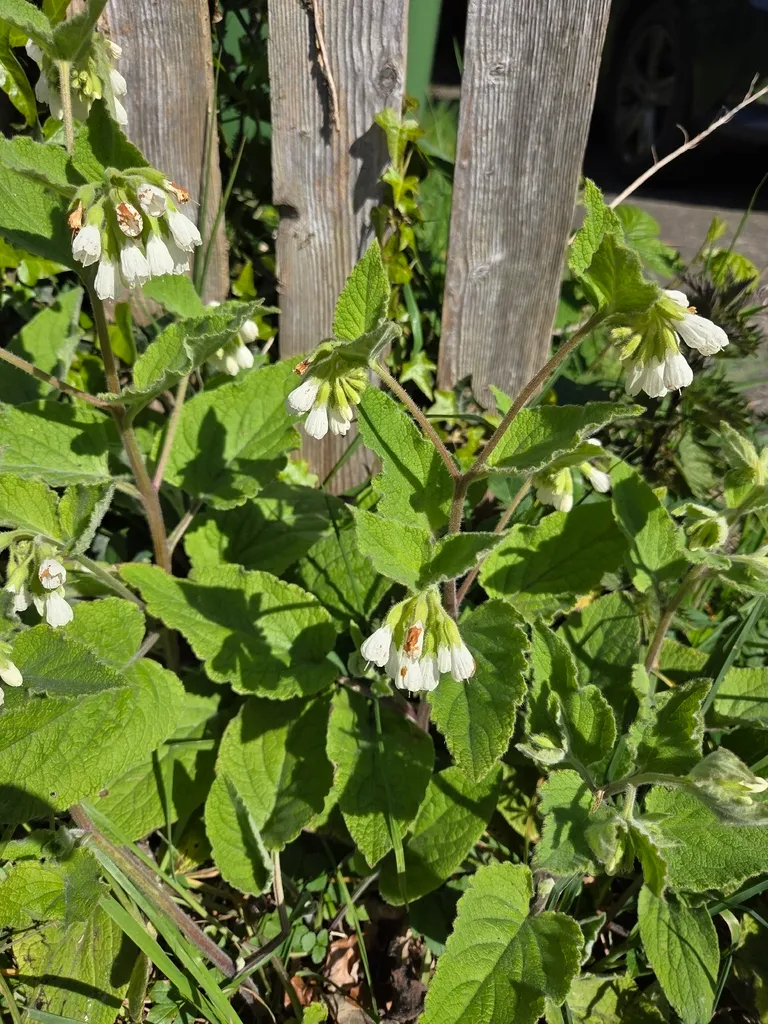
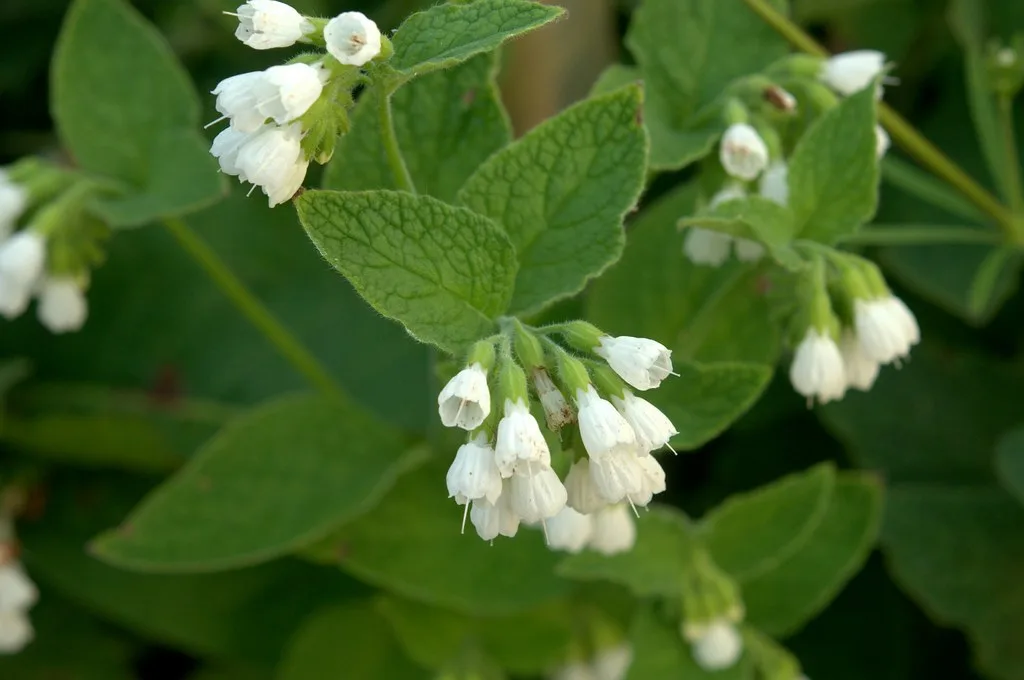
Distribution of white comfrey
Distribution map
Information to be completed
Information to be completed
Culture
Information to be completed
Toxicity
Harmful if eaten repeatedly. Wear gloves and other protective equipment when handling
Quick identification of white comfrey
Information to be completed
white comfrey care guide
- Moderate regular watering, avoid prolonged drought or waterlogging
- Watering
- Full sun · Partial shade
- Sunlight
- Information to be completed
- Ideal temperature

Watering
Moderate regular watering, avoid prolonged drought or waterlogging
Fertilizing
 Fertilizing
Balanced feed in spring and light repeat in growth season
Pruning
 Pruning
Generally not required but old or fading foliage can be trimmed
Propagation
 Propagation
Propagate by division, seed or root cuttings
Growing
 Growing
Grow in sun or partial shade in moist, moderately fertile soil. Whilst it may have the potential to become a nuisance, the risk is less compared to some other Symphytum species, but it self-seeds readily
People also ask
Information to be completed
Common pests and diseases
Diseases
Generally disease-free
Pests
Generally pest-free
Explore the plant health library →




