
Byzantine meadow saffron
Also known as: Information to be completed
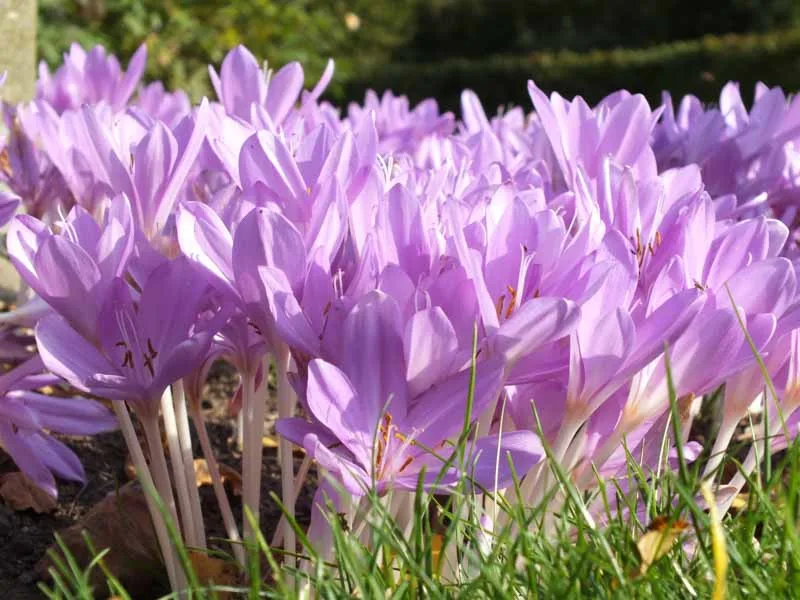
A corm with several pale lilac, white-tubed flowers to 5cm in length. Broad, ribbed leaves to 30cm in length, appear in spring
Scientific classification
- Species
- Byzantine meadow saffron (Colchicum × byzantinum)
- Genus
- Colchicum
- Family
- Colchicaceae
- Order
- Liliales
- Class
- Liliopsida
- Phylum
- Tracheophyta
- TOXIC if eaten. Wear gloves and other protective equipment when handling
- Toxicity
- Bulbs
- Plant type
- Up to 10 cm
- Height
- 0-0.1 metre
- Spread
- Deciduous
- Foliage
- Columnar upright
- Habit
- Spring · Autumn
- Season of interest
- Full sun
- Sunlight
- Information to be completed
- Ideal temperature









Byzantine meadow saffron pictures
Distribution of Byzantine meadow saffron
Distribution map
Turkey, Syria, Lebanon
Toxicity
TOXIC if eaten. Wear gloves and other protective equipment when handling
Byzantine meadow saffron care guide
- Light watering while leaves present, stop watering fully when dormant
- Watering
- Full sun
- Sunlight

Watering
Light watering while leaves present, stop watering fully when dormant
Fertilizing
 Fertilizing
Potash rich feed once before blooming to strengthen bulb development
Pruning
 Pruning
No pruning required
Propagation
 Propagation
Propagate by seed, sowing in containers in an open frame when ripe or separate corms when dormant in summer
Growing
 Growing
Grow in moist but well-drained, deep, humus-rich, fertile soil. Intolerant of waterlogging
Common pests and diseases
Diseases
Generally disease free
Pests
May be susceptible to slugs
Explore the plant health library →




