
cart track plant
Also known as: common plantain; greater plantain; healing blade; lamb's foot; lark seed; white man's foot; white man's footprint
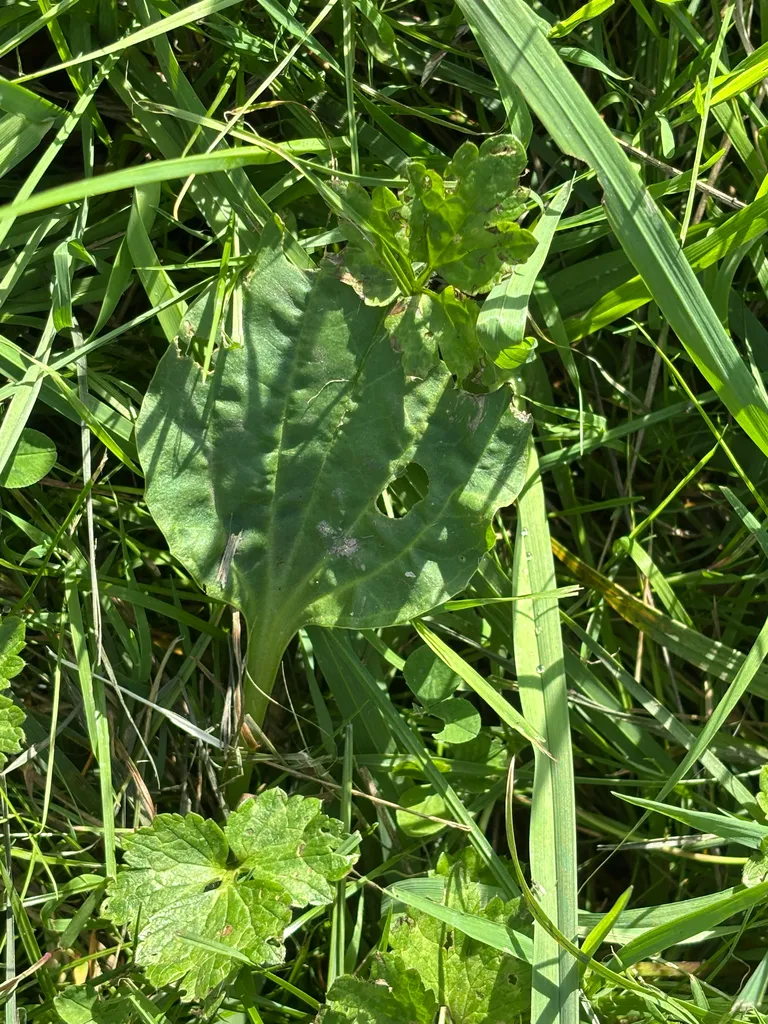
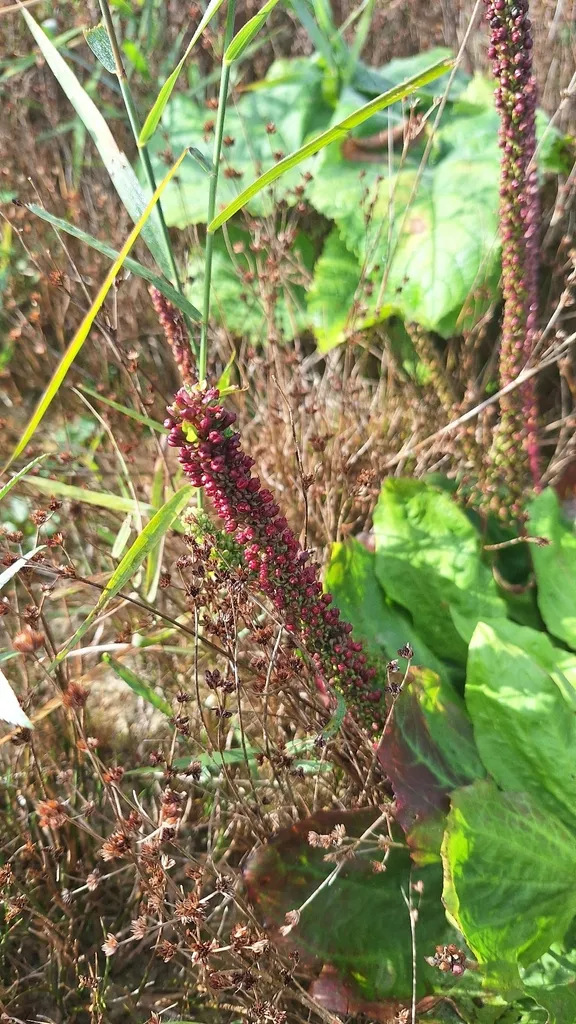
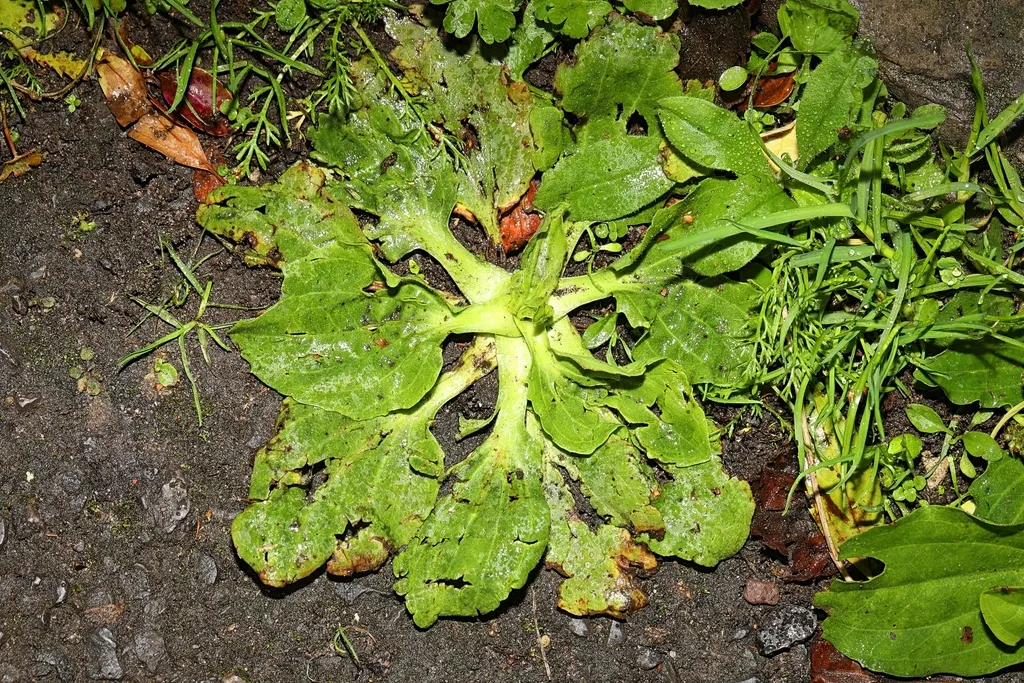
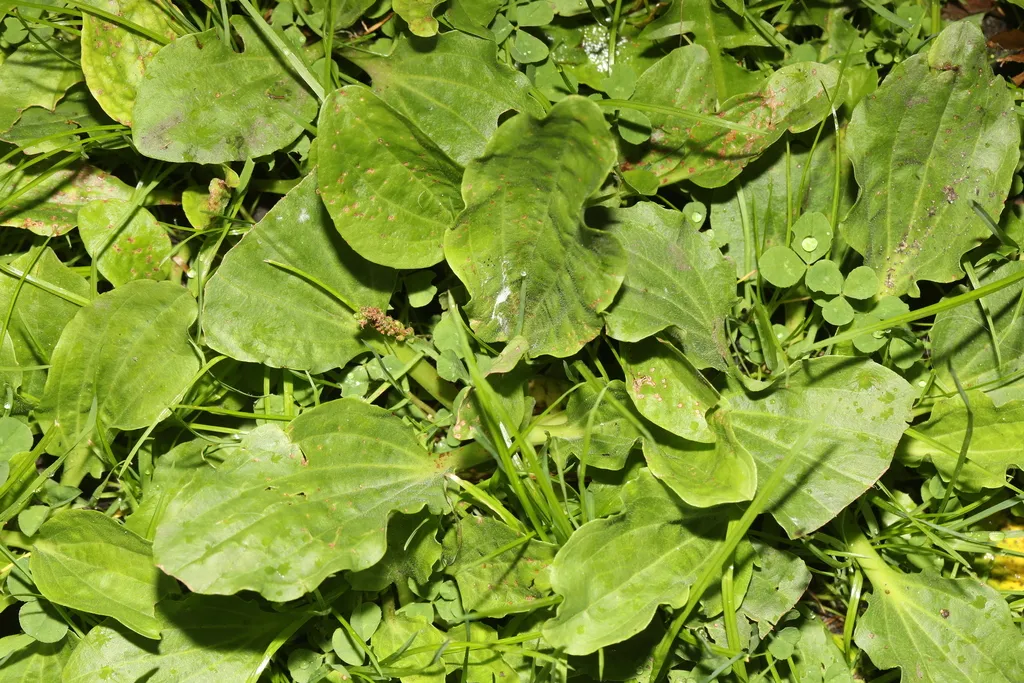
A low-growing herbaceous perennial with a rosette of broad, oval, dark green leaves, with pale green veins and stems. Produces leafless spikes of small, tightly clustered brownish purple flowers on upright stems up to 20cm high
Scientific classification
- Species
- cart track plant (Plantago major)
- Genus
- Plantago
- Family
- Plantaginaceae
- Order
- Lamiales
- Class
- Magnoliopsida
- Phylum
- Magnoliophyta
- Information to be completed
- Toxicity
- Herbaceous Perennial
- Plant type
- 0.1-0.5 metres
- Height
- 0.1-0.5 metres
- Spread
- Evergreen
- Foliage
- Clump forming
- Habit
- Spring · Summer · Autumn · Winter
- Season of interest
- Full sun · Partial shade
- Sunlight
- Information to be completed
- Ideal temperature









cart track plant pictures
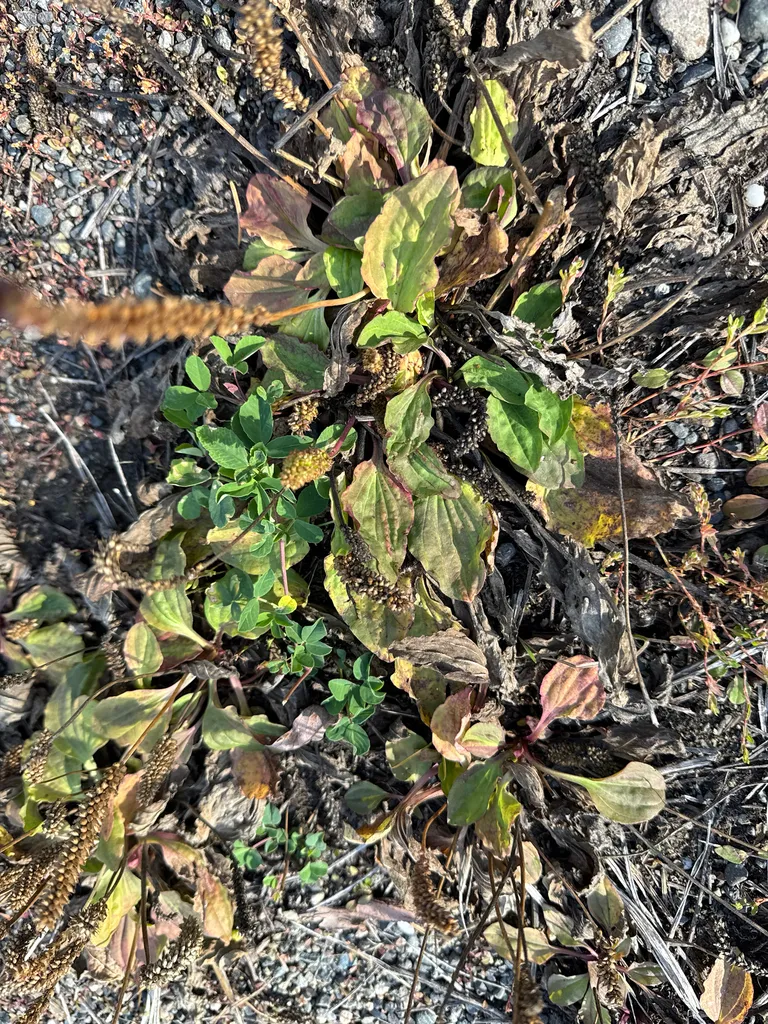
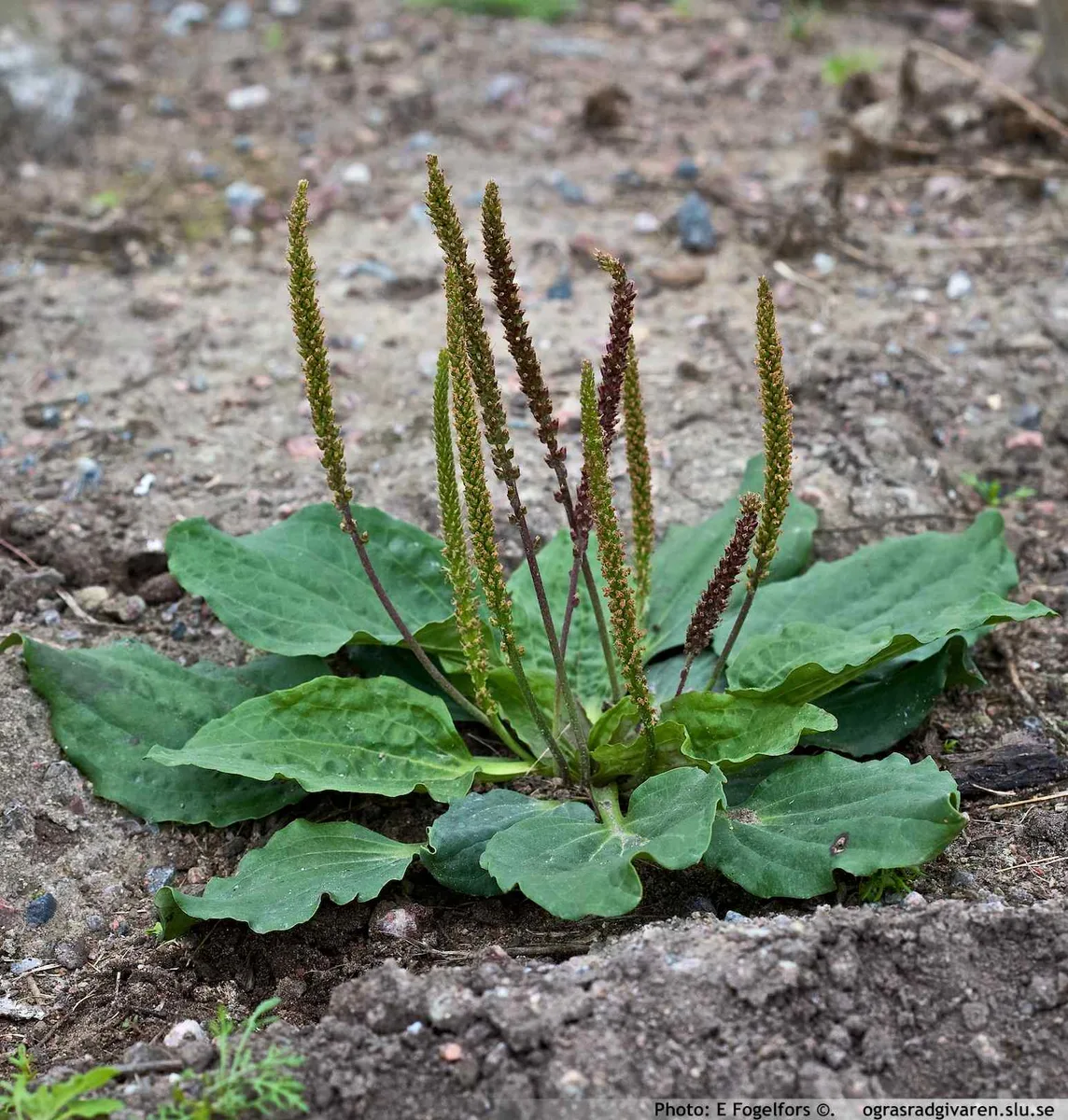
Distribution of cart track plant
Distribution map
- Native
- Introduced
- Cultivated
Source:WCVP v16 · Royal Botanic Gardens, Kew · CC BY 3.0 · Boundaries:WGSRPD / TDWG
cart track plant care guide
- Tolerates all moisture levels, adaptable to dry or damp garden ground
- Watering
- Full sun · Partial shade
- Sunlight

Watering
Tolerates all moisture levels, adaptable to dry or damp garden ground
Fertilizing
 Fertilizing
No fertilizer needed, thrives naturally in unenriched garden soil
Pruning
 Pruning
Remove before seeding to prevent spreading
Propagation
 Propagation
Self- and wind pollinated, propagates by seed produced prolifically through the growing season.
Growing
 Growing
Most vigorous in open, sunny sites, but will tolerate a range of positions and soil types, including heavy and compacted soils. Spreads rapidly, generally considered a weed.
Common pests and diseases
Diseases
May be susceptible to downy mildews and powdery mildews
Pests
May be susceptible to aphids and red spider mites
Explore the plant health library →




