
giant meadow saffron
Also known as: Information to be completed
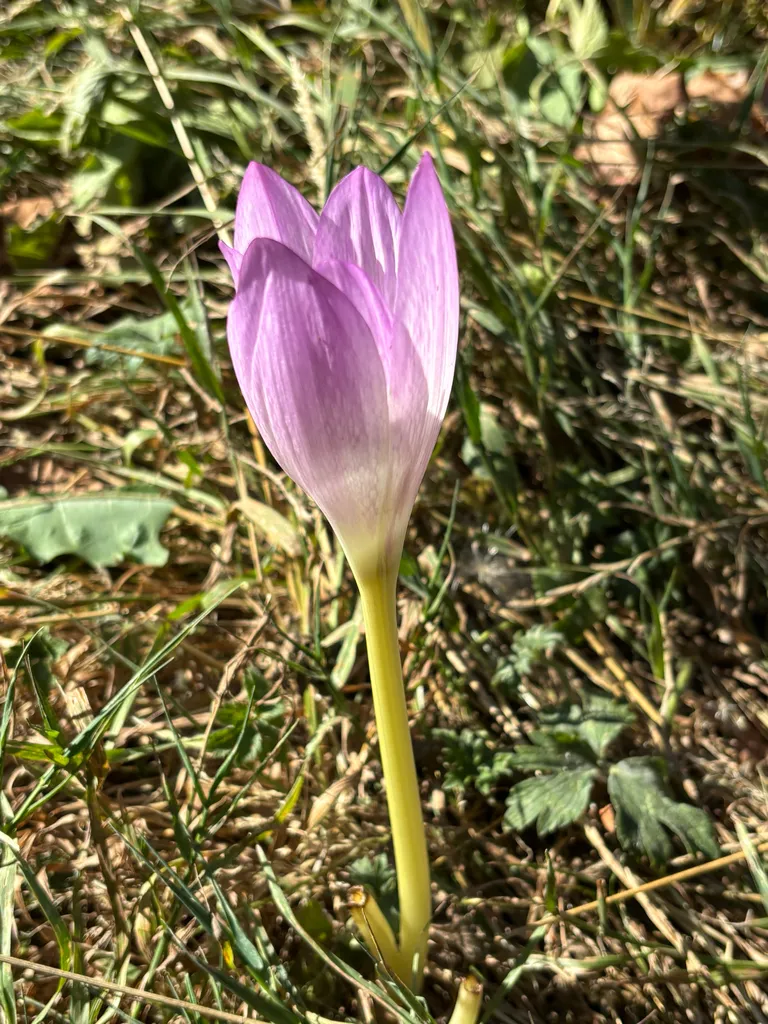
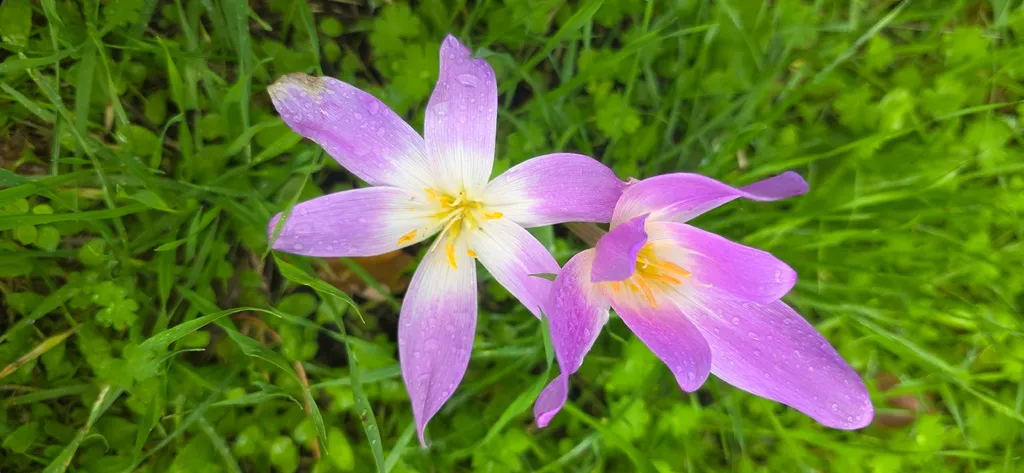
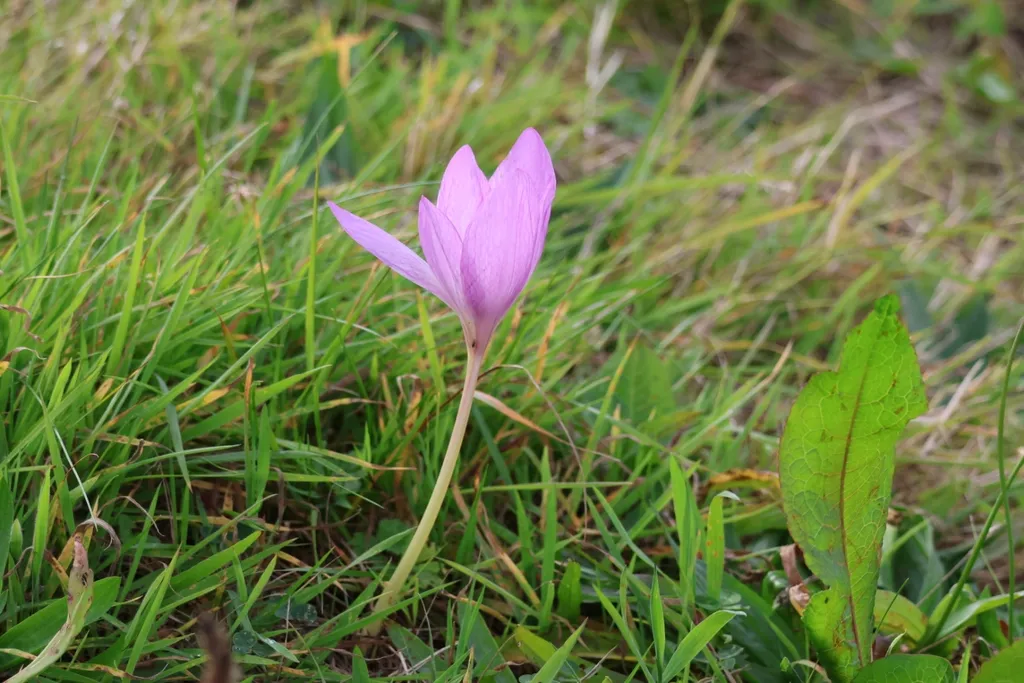
A corm producing 1-3 deep purplish-rose flowers up to 8cm in length, with pale green or whitish tubes. Strap-shaped, rich green leaves to 25cm in length develop in spring
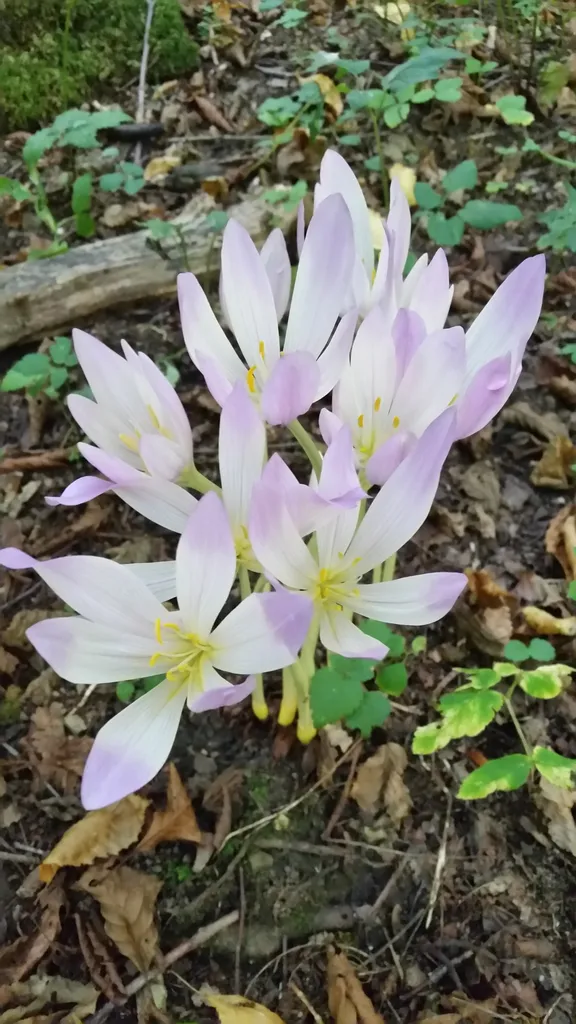
Scientific classification
- Species
- giant meadow saffron (Colchicum speciosum)
- Genus
- Colchicum
- Family
- Colchicaceae
- TOXIC if eaten. Wear gloves and other protective equipment when handling
- Toxicity
- Bulbs
- Plant type
- 0.1-0.5 metres
- Height
- 0.1-0.5 metres
- Spread
- Deciduous
- Foliage
- Clump forming
- Habit
- Spring · Autumn
- Season of interest
- Full sun
- Sunlight
- Information to be completed
- Ideal temperature









giant meadow saffron pictures
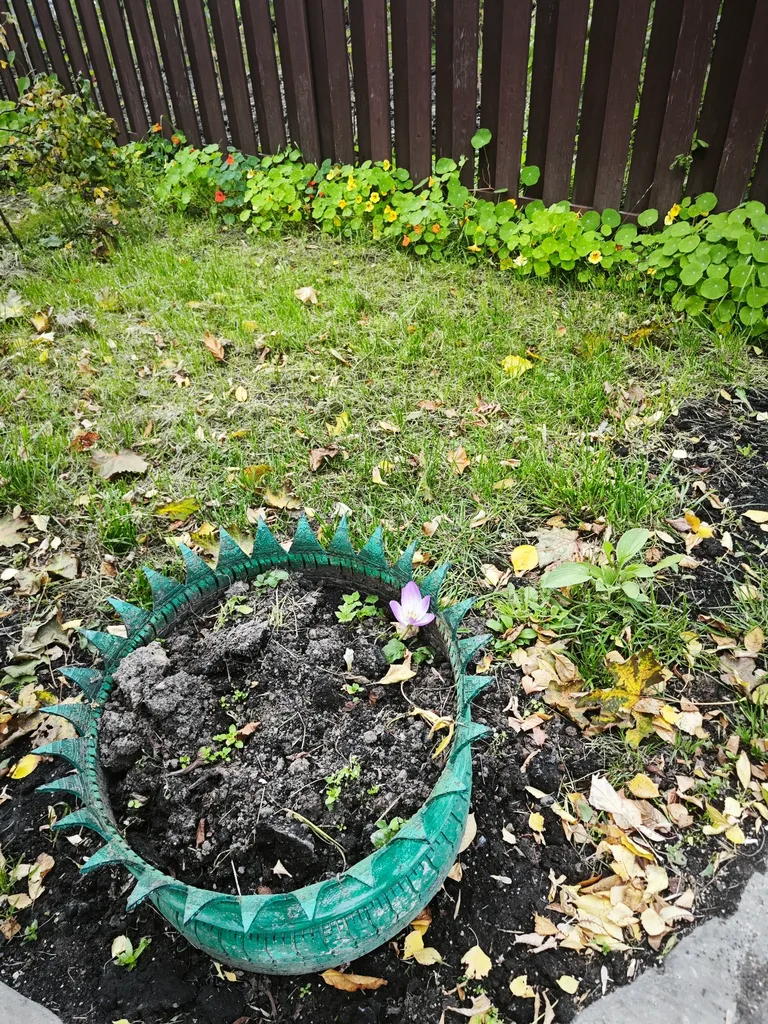
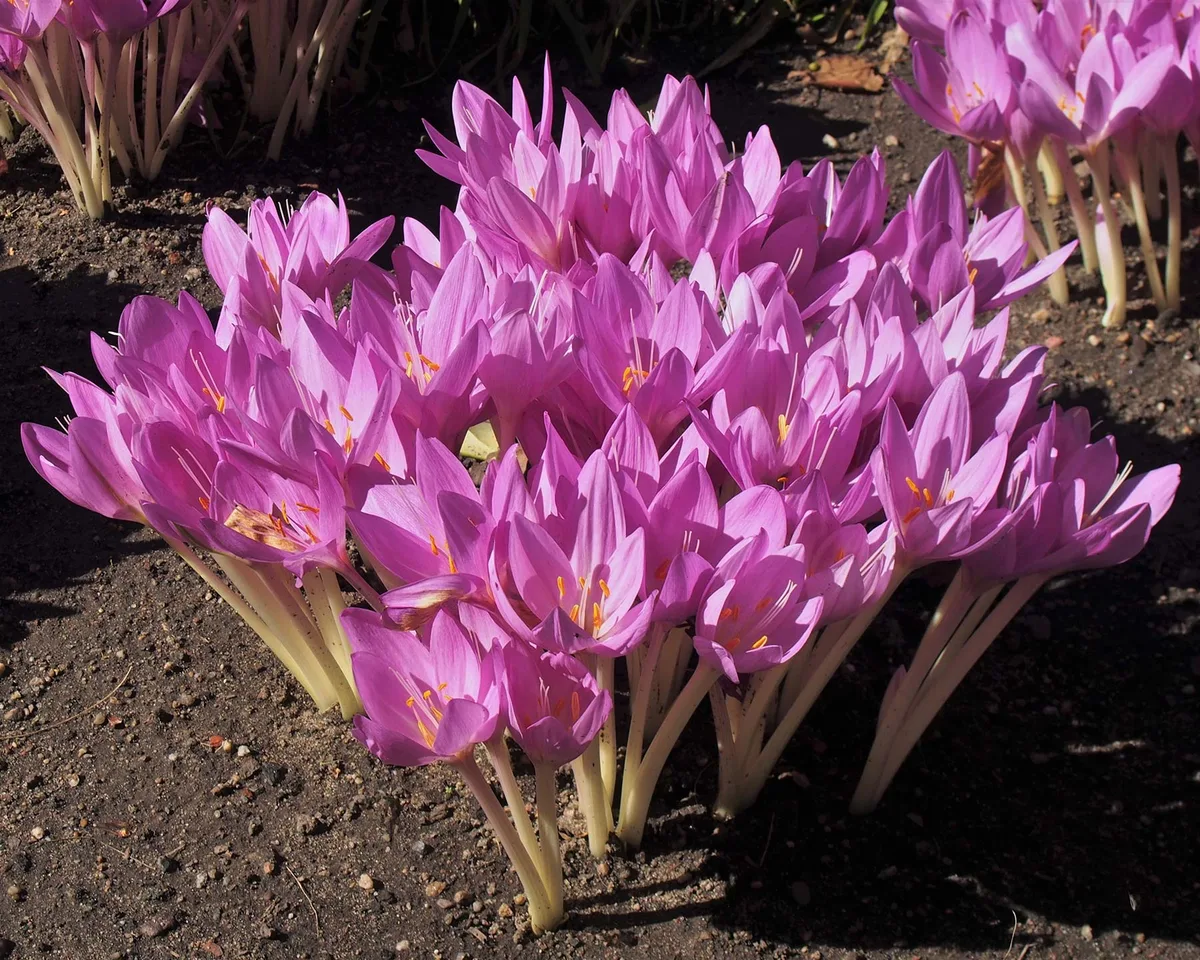
Distribution of giant meadow saffron
Distribution map
Northern Turkey, Iran, Caucasus
Information to be completed
Culture
Information to be completed
Toxicity
TOXIC if eaten. Wear gloves and other protective equipment when handling
Quick identification of giant meadow saffron
Information to be completed
giant meadow saffron care guide
- Regular damp soil pre-bloom, cease watering after foliage yellows
- Watering
- Full sun
- Sunlight
- Information to be completed
- Ideal temperature

Watering
Regular damp soil pre-bloom, cease watering after foliage yellows
Fertilizing
 Fertilizing
Bulb high-potash feed biweekly before flower buds emerge
Pruning
 Pruning
No pruning required
Propagation
 Propagation
Propagate by seed sown in containers in an open frame when ripe or separate corms when dormant in summer
Growing
 Growing
May be naturalized in turf. Grow in moist but well-drained, deep, humus-rich, fertile soil. Intolerant of waterlogging
People also ask
Information to be completed
Common pests and diseases
Diseases
May be subject to bulb grey mould
Pests
May be susceptible to slugs
Explore the plant health library →




