
fraise du bois
Also known as: alpine strawberry
A semi-evergreen ground covering strawberry to a height of 30cm bearing bright green toothed leaves and white flowers from May to November, followed by small red fruits 1cm long throughout this time
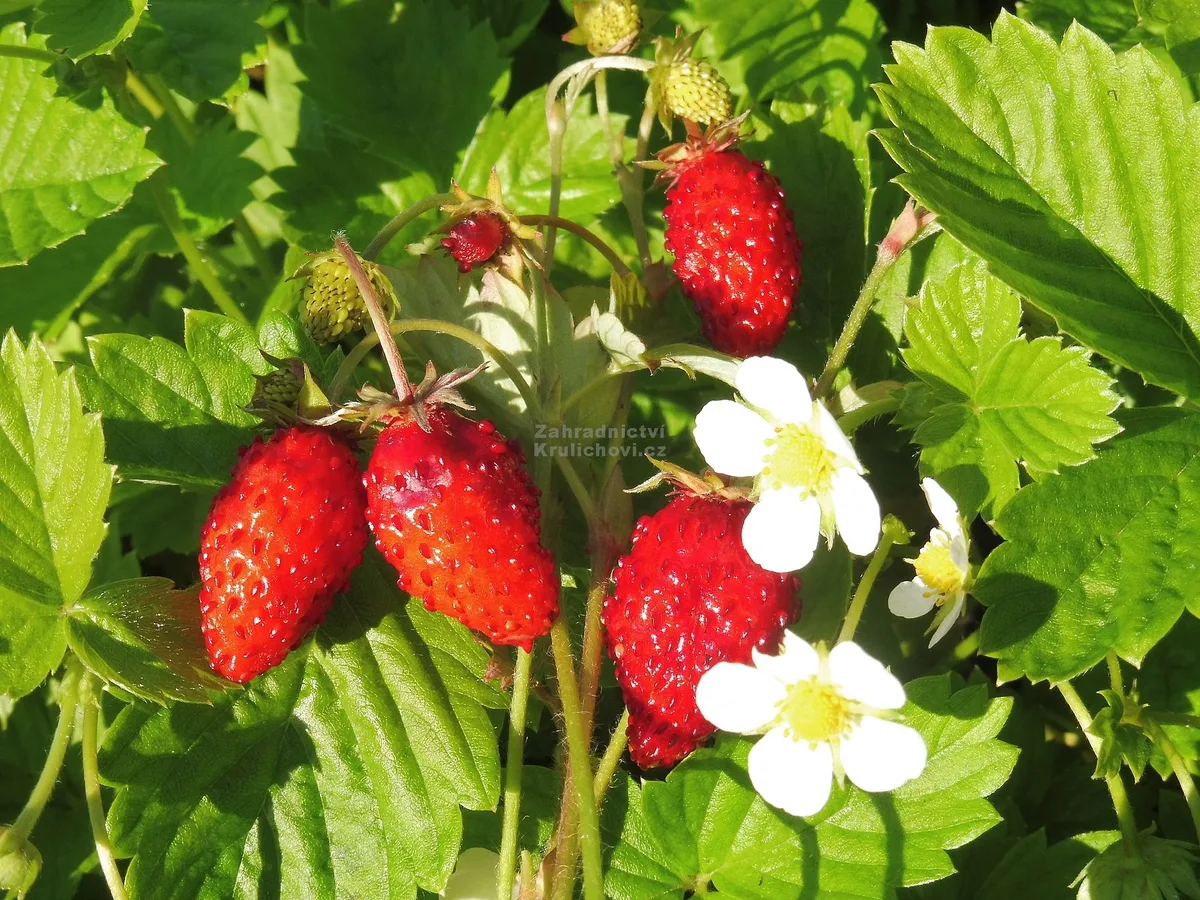
Scientific classification
- Species
- fraise du bois (Fragaria vesca 'Semperflorens')
- Genus
- Fragaria
- Family
- Rosaceae
- Information to be completed
- Toxicity
- Herbaceous Perennial
- Plant type
- 0.1-0.5 metres
- Height
- 0.1-0.5 metres
- Spread
- Semi evergreen
- Foliage
- Matforming
- Habit
- Spring · Summer · Autumn · Winter
- Season of interest
- Full sun
- Sunlight
- Information to be completed
- Ideal temperature









fraise du bois pictures
Distribution of fraise du bois
Distribution map
- Native
- Introduced
- Cultivated
Source:WCVP v16 · Royal Botanic Gardens, Kew · CC BY 3.0 · Boundaries:WGSRPD / TDWG
Culture
Information to be completed
Toxicity
Information to be completed
Quick identification of fraise du bois
Information to be completed
fraise du bois care guide
- Moderate regular watering, allowing brief slight drying between soakings
- Watering
- Full sun
- Sunlight
- Information to be completed
- Ideal temperature

Watering
Moderate regular watering, allowing brief slight drying between soakings
Fertilizing
 Fertilizing
Balanced perennial feed every four weeks from spring through summer
Pruning
 Pruning
Remove excess runners
Propagation
 Propagation
Remove and transplant runners. Propagate by seed sow at 13-18°C in spring
Growing
 Growing
Grow in fertile, moist but well-drained soil. Can be grown in a wide range of soils, but thrives in alkaline soils. Tolerant of partial shade; for best fruiting grow full sun. Good for the edge of informal borders or as a ground cover; can spread. Suitable for container cultivation
People also ask
Information to be completed
Common pests and diseases
Diseases
May be susceptible to strawberry viruses and root rot. Fruit prone to grey moulds
Pests
May be susceptible to aphids, slugs, glasshouse red spider mite and vine weevil
Explore the plant health library →




