
vine-leaved passion flower
Also known as: grape-leaved passion flower
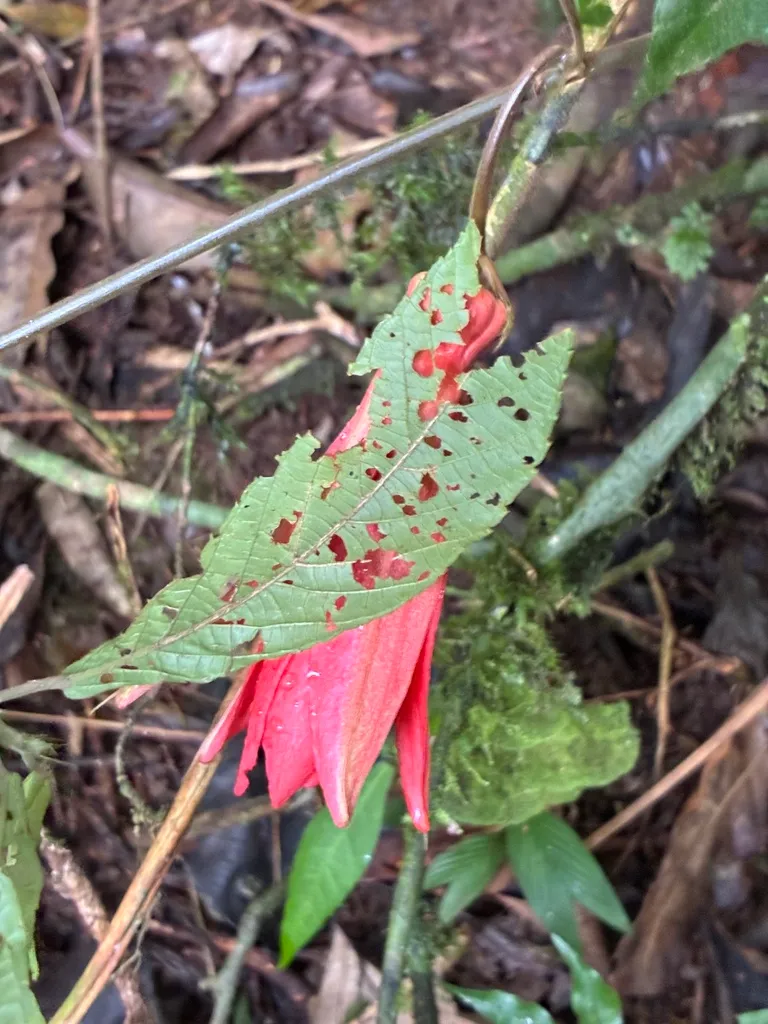
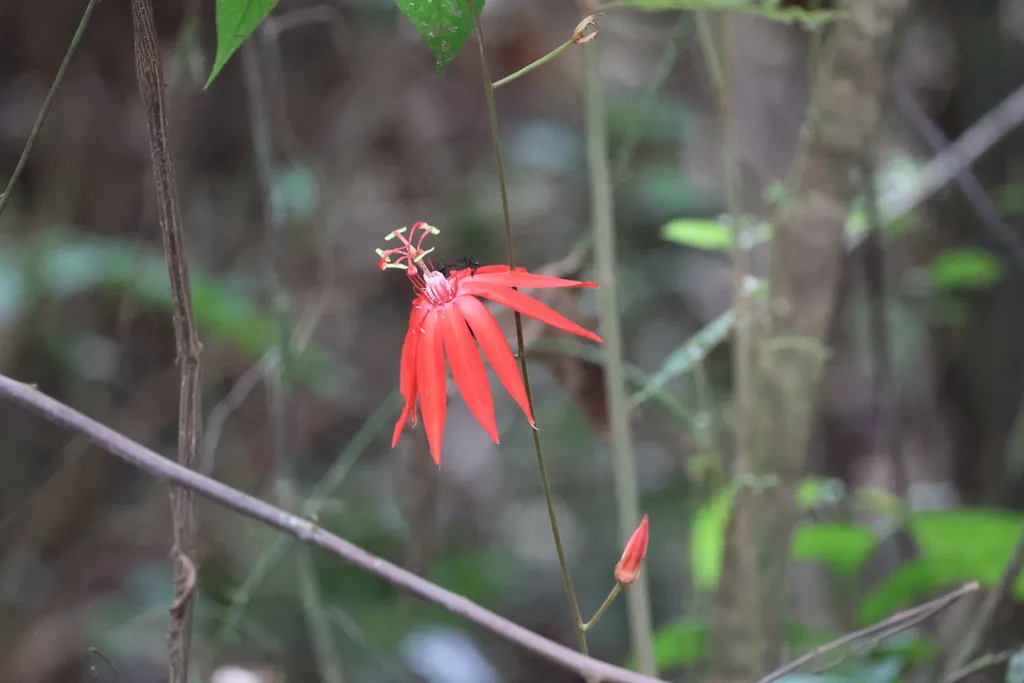
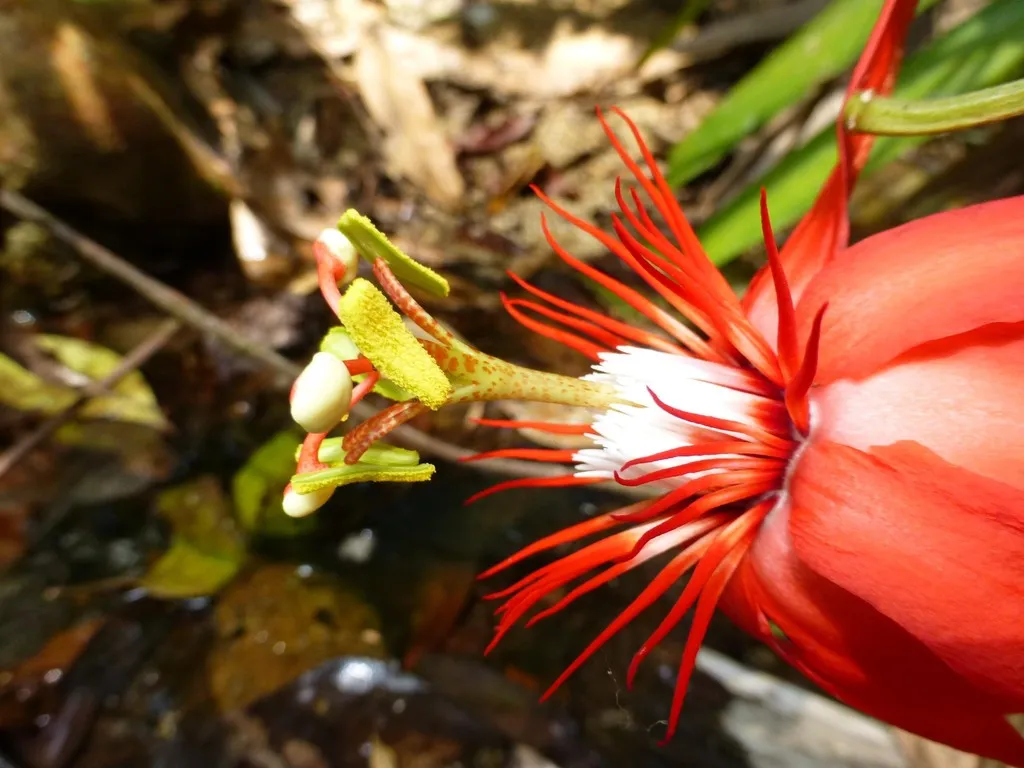
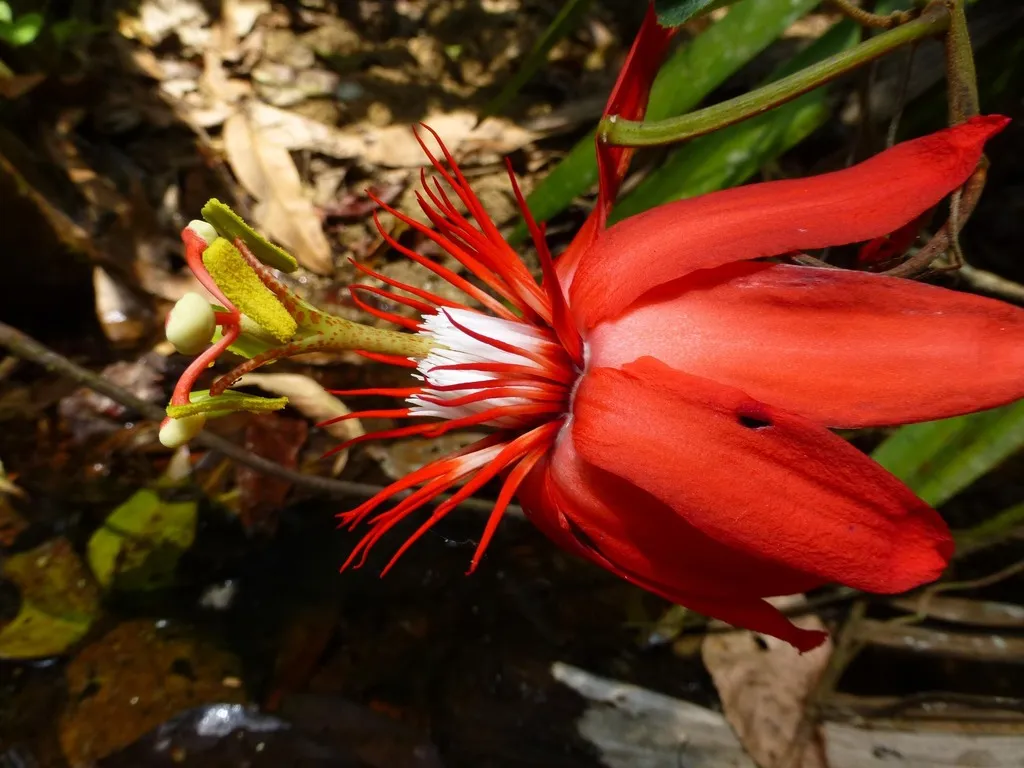
A vigorous climber with slender, downy, reddish-brown stems and glossy, dark green, three lobed leaves. From early summer to autumn it bears bowl-shaped, bright red flowers, up to 20cm across, with red, white or yellow filaments. The edible, egg-shaped fruit are green with white mottling
Scientific classification
- Species
- vine-leaved passion flower (Passiflora vitifolia)
- Genus
- Passiflora
- Family
- Passifloraceae
- Information to be completed
- Toxicity
- Fruit Edible · Climber Wall Shrub · Conservatory Greenhouse
- Plant type
- 4-8 metres
- Height
- 0.5-1 metres
- Spread
- Evergreen
- Foliage
- Climbing
- Habit
- Spring · Summer · Autumn · Winter
- Season of interest
- Full sun · Partial shade
- Sunlight
- Information to be completed
- Ideal temperature









vine-leaved passion flower pictures
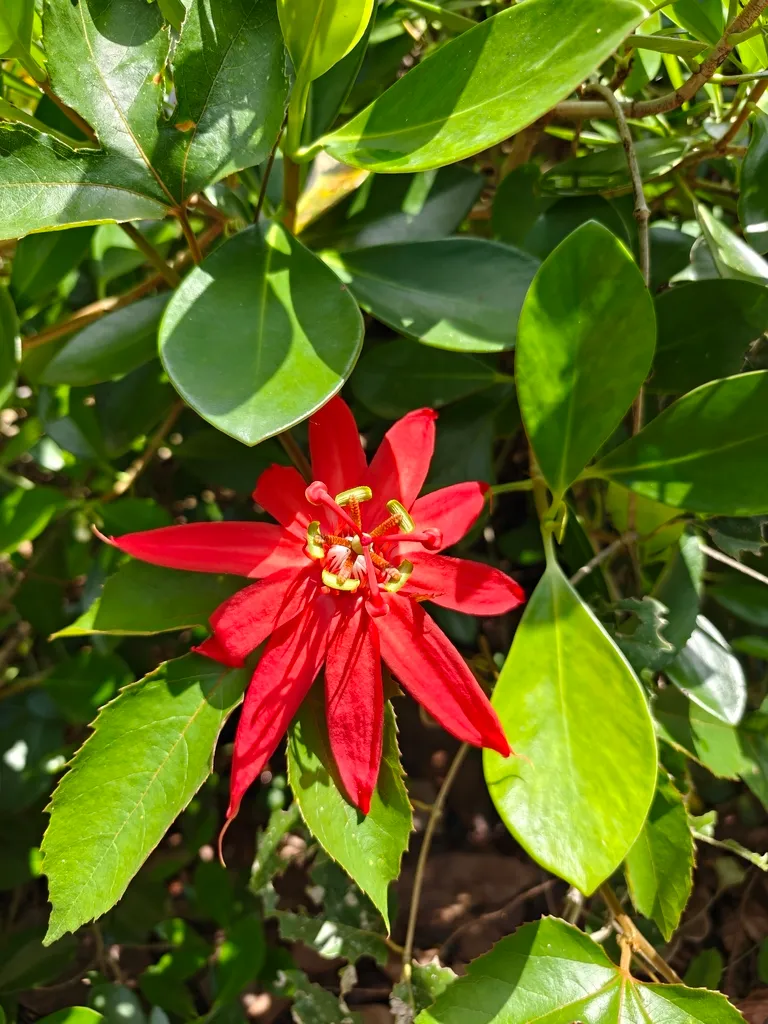
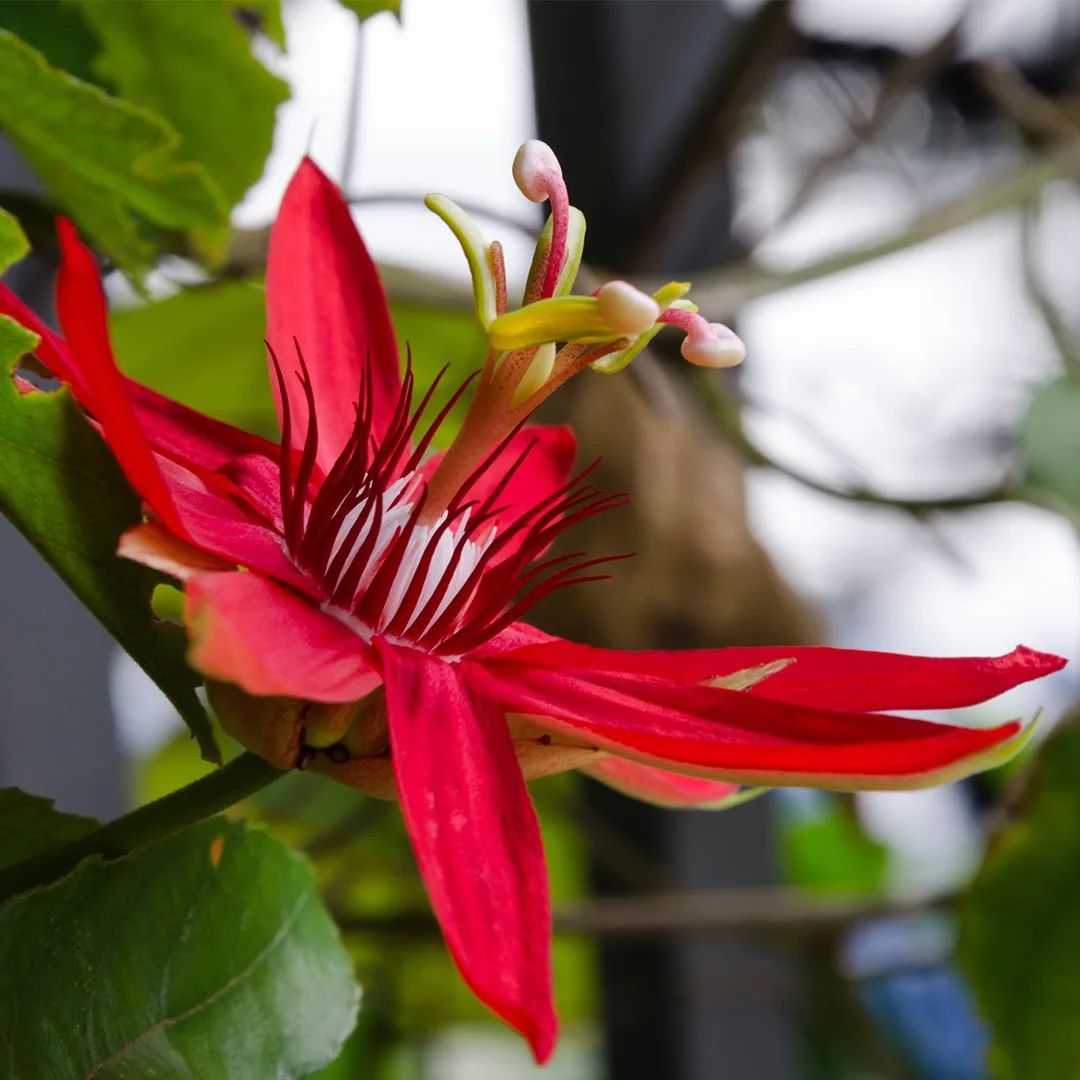
Distribution of vine-leaved passion flower
Distribution map
Central America
Information to be completed
Culture
Information to be completed
Toxicity
Information to be completed
Quick identification of vine-leaved passion flower
Information to be completed
vine-leaved passion flower care guide
- Moderate regular watering, avoid prolonged drought or waterlogging
- Watering
- Full sun · Partial shade
- Sunlight
- Information to be completed
- Ideal temperature

Watering
Moderate regular watering, avoid prolonged drought or waterlogging
Fertilizing
 Fertilizing
Balanced feed in spring and light repeat in growth season
Pruning
 Pruning
Routine pruning is unnecessary; shorten overlong shoots to fit the available space. For last-year flowering growth, prune after flowering; for current-year flowering growth, prune in late winter or spring. This guidance is for established plants.
Propagation
 Propagation
Propagate by seed sown at 13 to 18°C in spring or root semi-hardwood cuttings in summer. Layering can be carried out in spring or autumn
Growing
 Growing
Grow under glass in loam-based potting compost in full light with shade from hot sun. Water freely when in growth and keep just moist in winter
People also ask
Information to be completed
Common pests and diseases
Diseases
May be susceptible to honey fungus (rarely) and a virus
Pests
May be susceptible to glasshouse red spider mite, scale insects and glasshouse whitefly
Explore the plant health library →




