
lyme grass
Also known as: European dune grass; sea lyme grass; sea lyme-grass
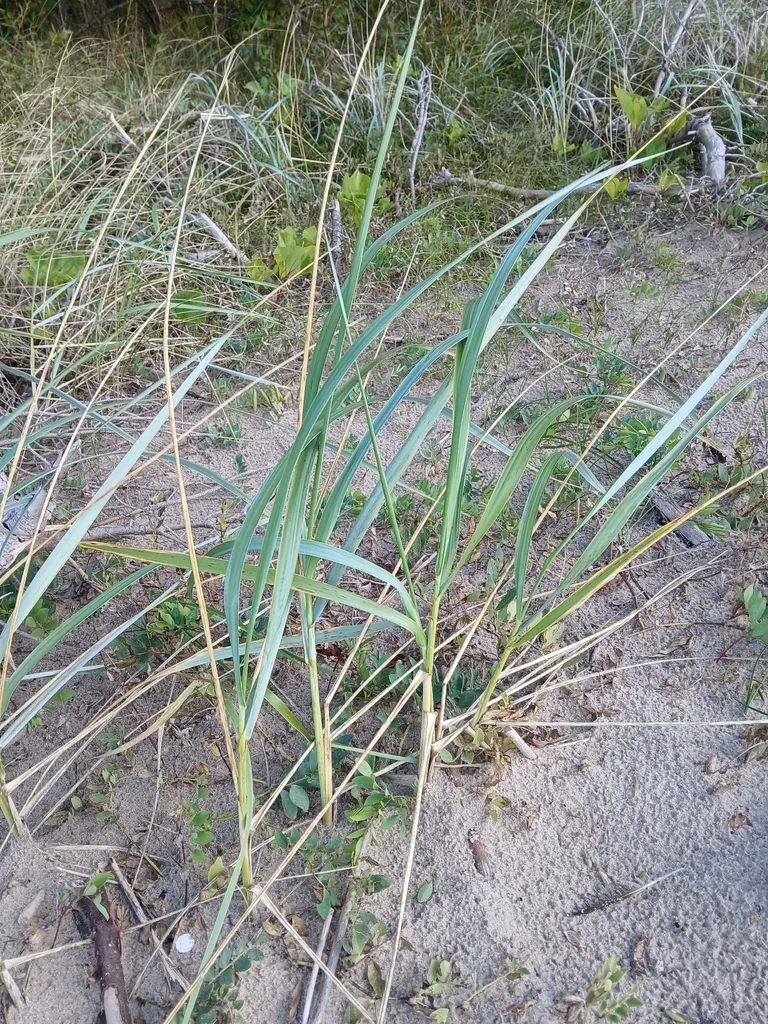
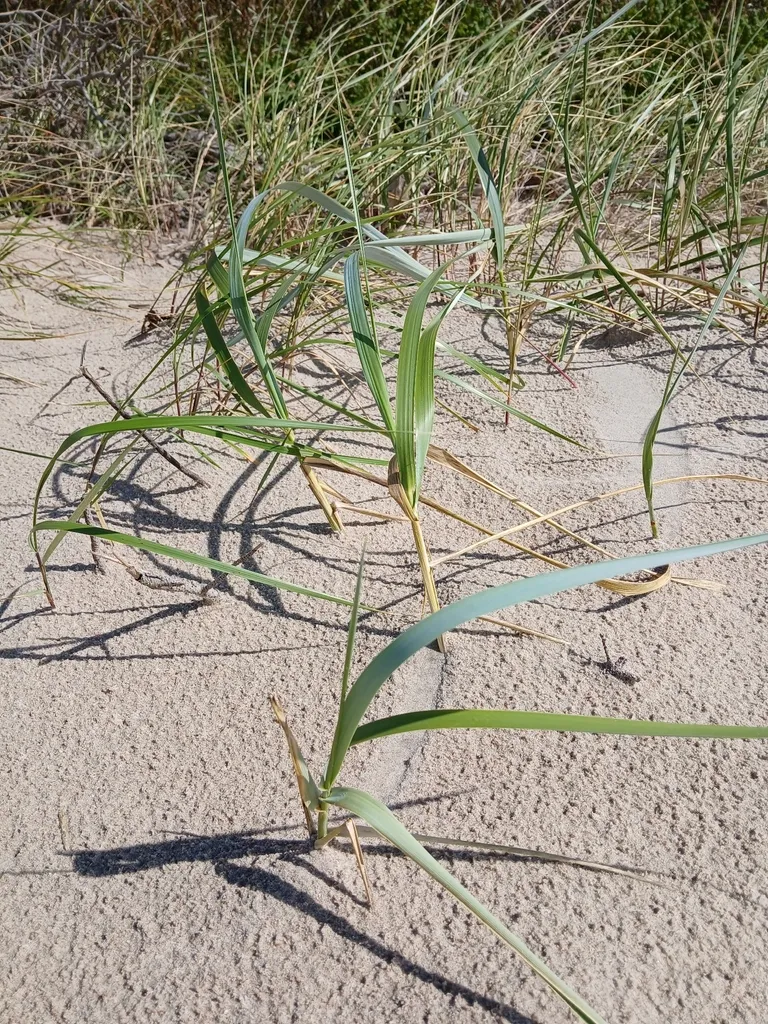
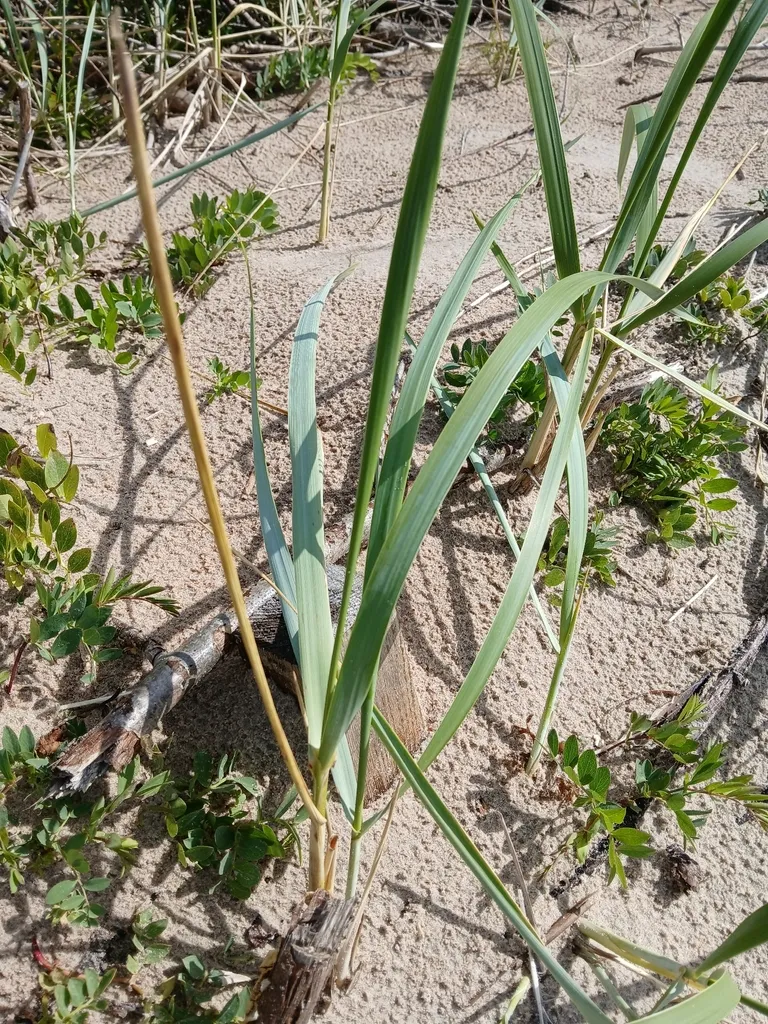
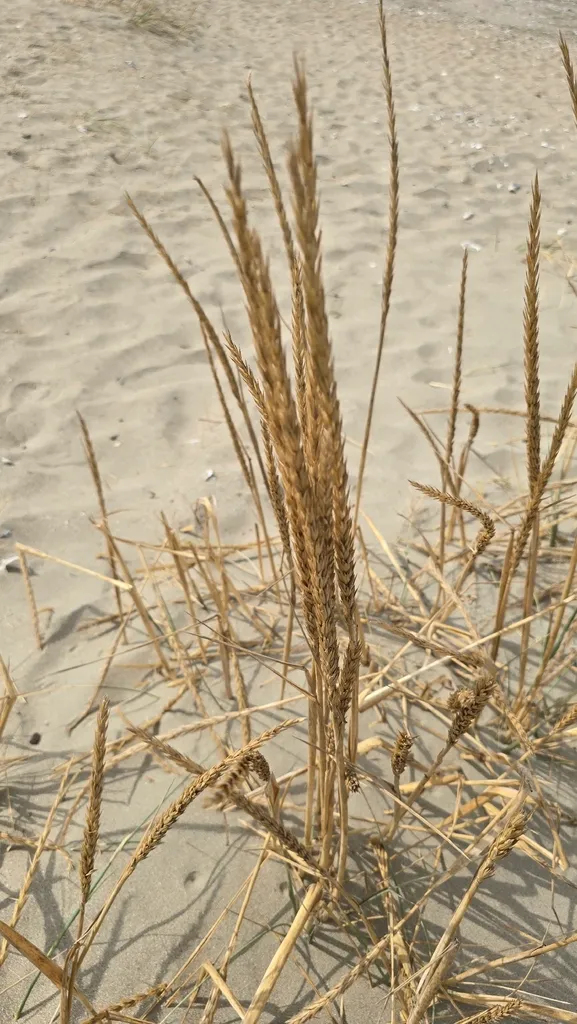
Densely tufted grass to 1.5m tall, with long rhizomes, forming loose, spreading clumps of arching, pale, blue-grey leaves about 60cm long. Produces stiff, upright stems bearing spike-like racemes 35cm long of blue-grey then buff spikelets throughout summer
Scientific classification
- Species
- lyme grass (Leymus arenarius)
- Genus
- Leymus
- Family
- Poaceae
- Order
- Poales
- Class
- Liliopsida
- Phylum
- Magnoliophyta
- Information to be completed
- Toxicity
- Grass Like
- Plant type
- 1-1.5 metres
- Height
- wider than 8 metres
- Spread
- Evergreen · Semi evergreen
- Foliage
- Clump forming · Tufted
- Habit
- Autumn · Winter · Spring · Summer
- Season of interest
- Full sun
- Sunlight
- Information to be completed
- Ideal temperature









lyme grass pictures
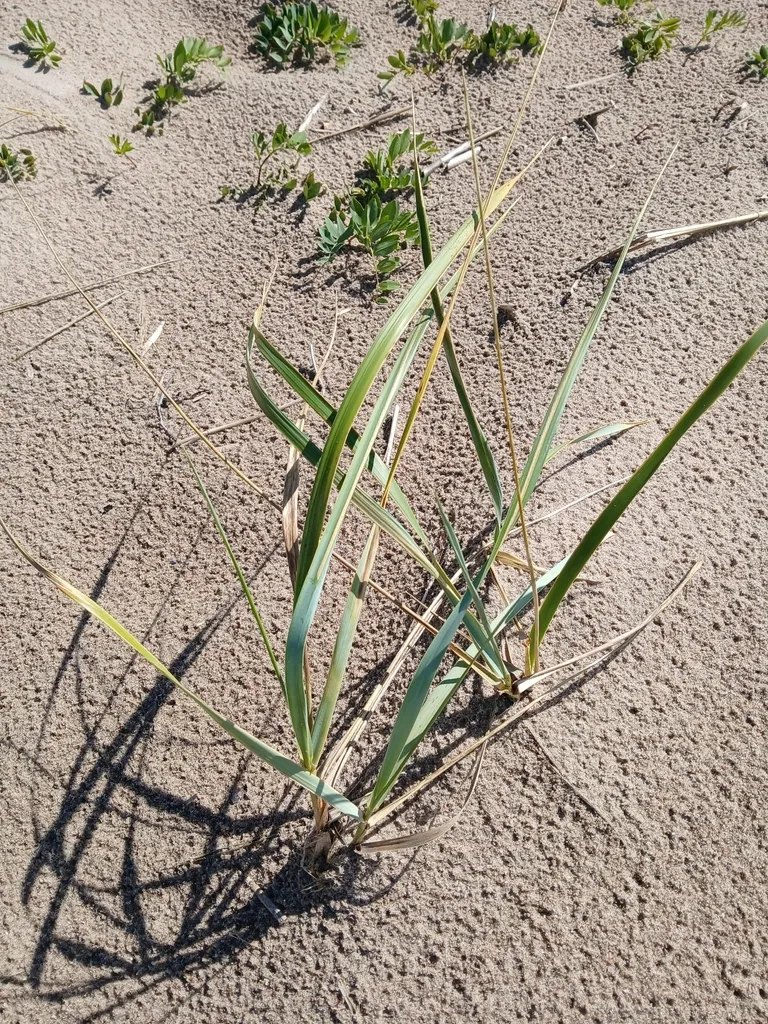
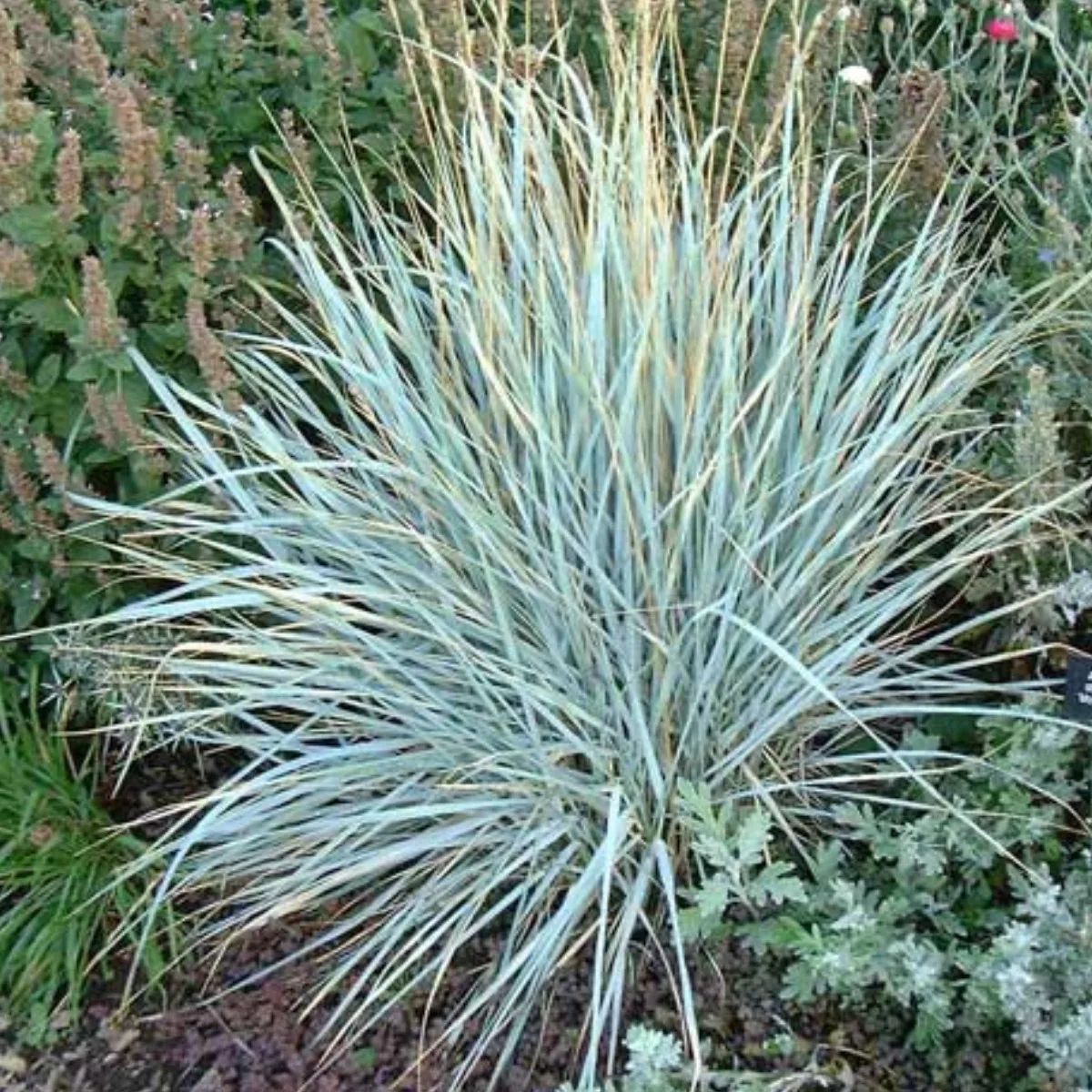
Distribution of lyme grass
Distribution map
- Native
- Introduced
- Cultivated
Source:WCVP v16 · Royal Botanic Gardens, Kew · CC BY 3.0 · Boundaries:WGSRPD / TDWG
lyme grass care guide
- Moderate regular watering, avoid prolonged drought or waterlogging
- Watering
- Full sun
- Sunlight

Watering
Moderate regular watering, avoid prolonged drought or waterlogging
Fertilizing
 Fertilizing
Balanced feed in spring and light repeat in growth season
Pruning
 Pruning
Cut down dead growth in autumn
Propagation
 Propagation
Propagate by division from mid spring to early autumn
Growing
 Growing
Grow in any well-drained soil in full sun. Suited to coastal areas for stabilising sand dunes. Spread is indefinite so may be difficult to contain, so not suited to small gardens. See ornamental grasses cultivation
Common pests and diseases
Diseases
Generally disease-free
Pests
Generally pest-free
Explore the plant health library →




