
lily of the valley
Also known as: conval lily; lady's tears; liriconfancy; May bells; May lily; mayflower; mugget; Our Lady's tears; word lily
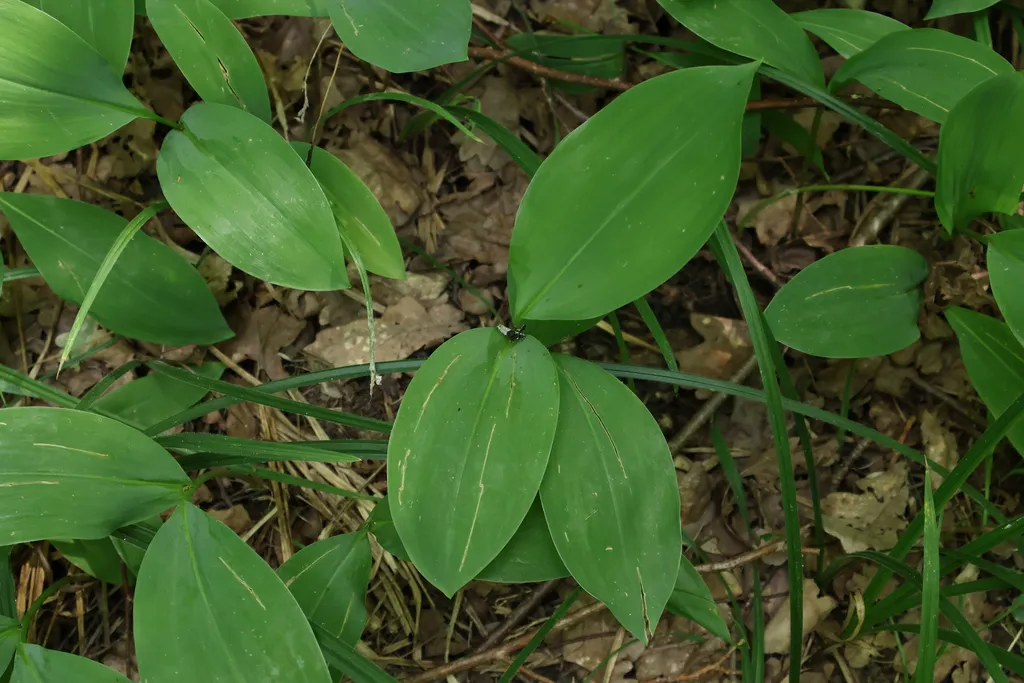
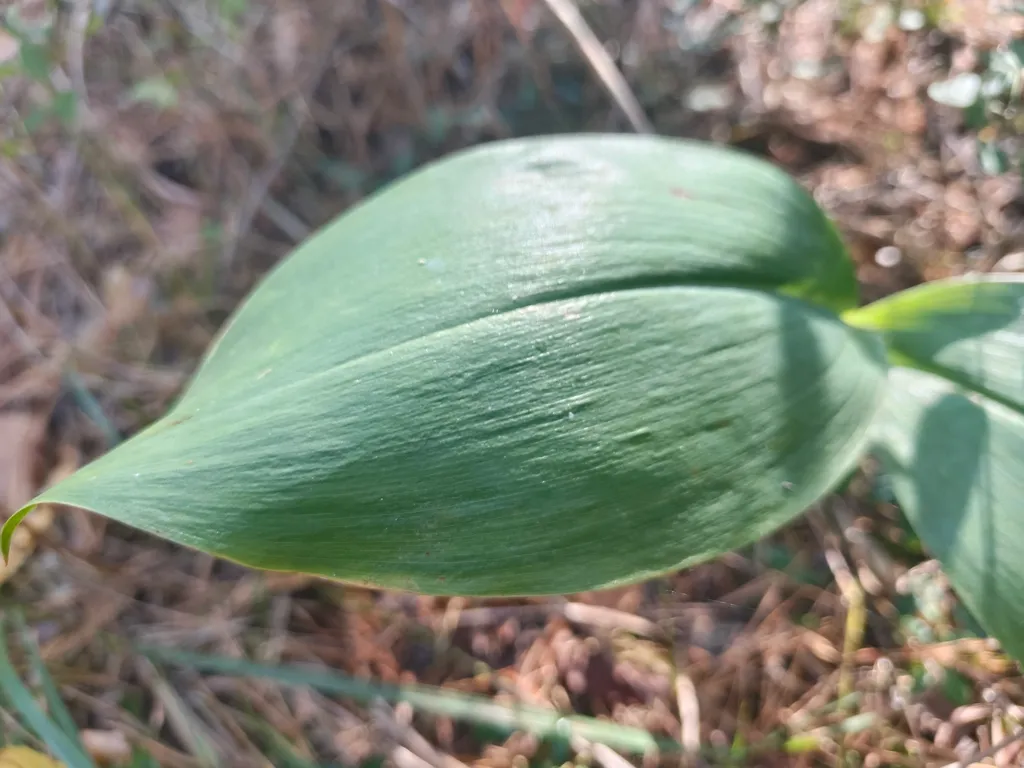
A perennial to 25cm in height, forming extensive colonies. Erect racemes of nodding, bell-shaped, fragrant white flowers arise with the paired, elliptic leaves
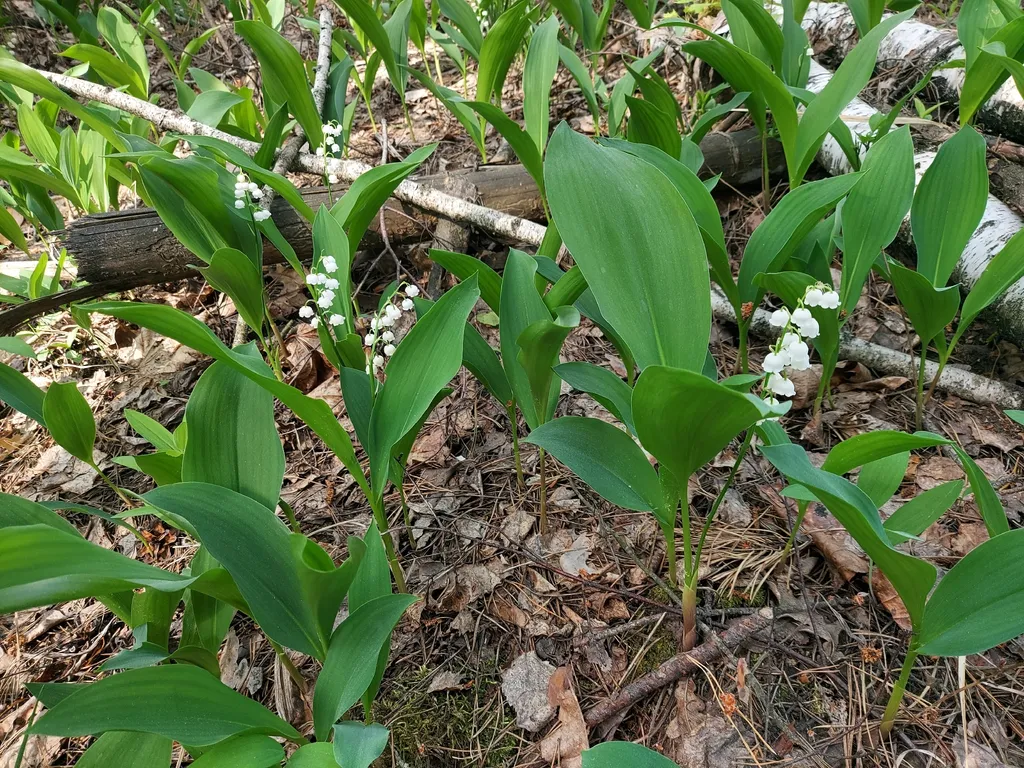
Scientific classification
- Species
- lily of the valley (Convallaria majalis)
- Genus
- Convallaria
- Family
- Asparagaceae
- TOXIC if eaten. Wear gloves and other protective equipment when handling
- Toxicity
- Herbaceous Perennial
- Plant type
- 0.1-0.5 metres
- Height
- 0.1-0.5 metres
- Spread
- Deciduous
- Foliage
- Matforming
- Habit
- Spring · Summer · Autumn
- Season of interest
- Full shade · Partial shade
- Sunlight
- Information to be completed
- Ideal temperature









lily of the valley pictures
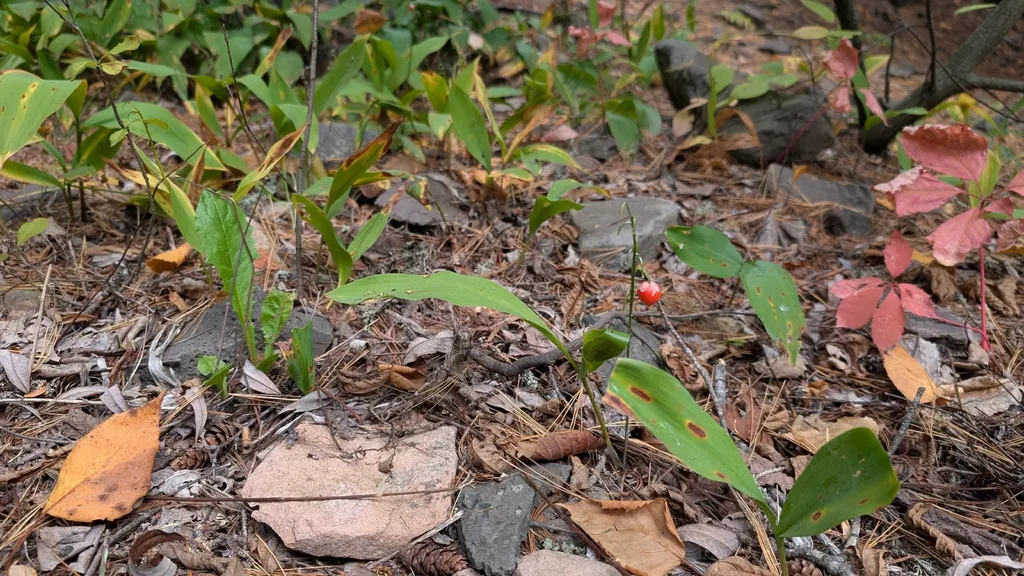
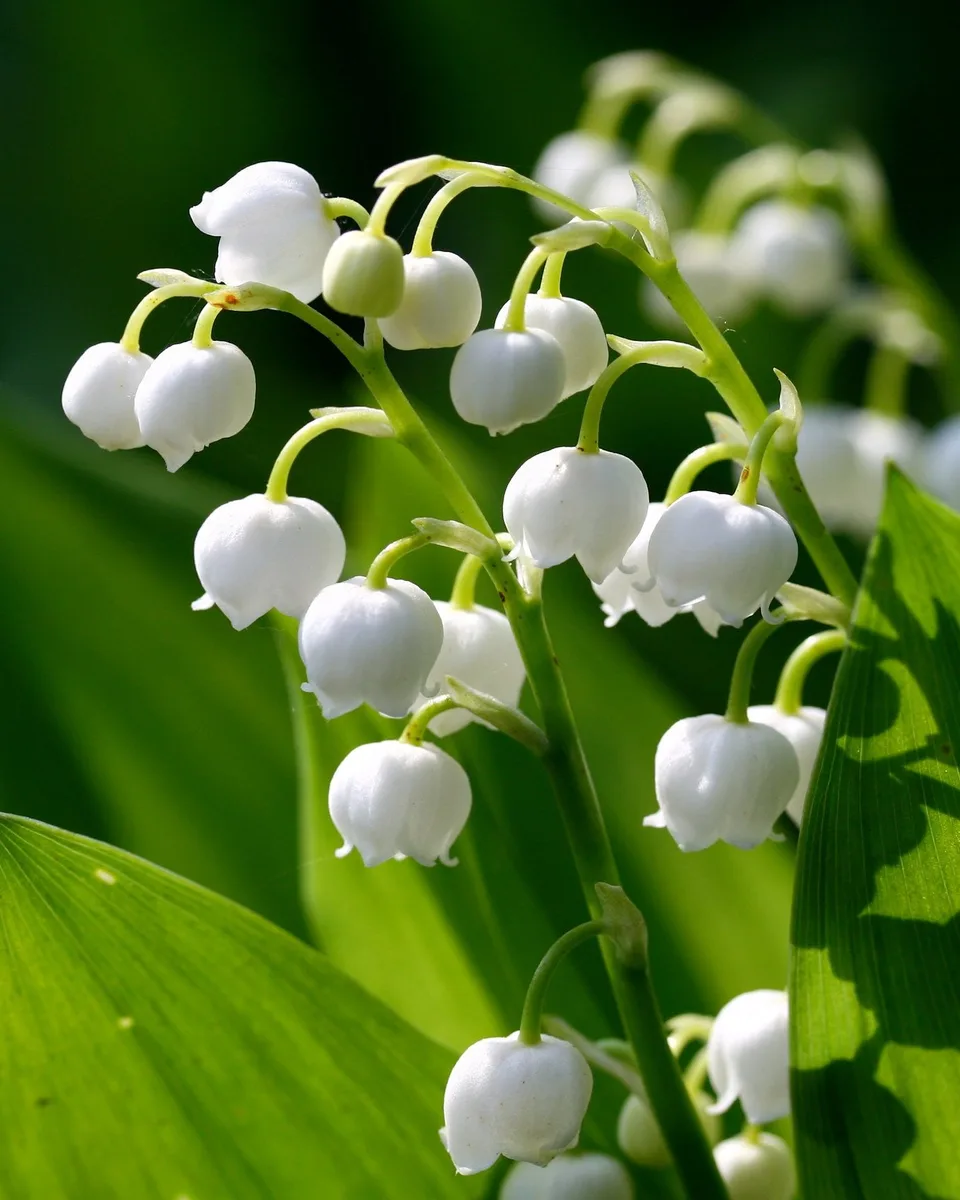
Distribution of lily of the valley
Distribution map
Northern Temperate regions
Information to be completed
Culture
Information to be completed
Toxicity
TOXIC if eaten. Wear gloves and other protective equipment when handling
Quick identification of lily of the valley
Information to be completed
lily of the valley care guide
- Moderate regular watering, allowing brief slight drying between soakings
- Watering
- Full shade · Partial shade
- Sunlight
- Information to be completed
- Ideal temperature

Watering
Moderate regular watering, allowing brief slight drying between soakings
Fertilizing
 Fertilizing
Balanced perennial feed every four weeks from spring through summer
Pruning
 Pruning
No pruning required
Propagation
 Propagation
Propagate by seed sown in containers in a cold frame as soon as ripe (remove flesh from seed prior to sowing) or propagate by division in autumn
Growing
 Growing
Grow in a fertile, humus-rich moist soil in full or partial shade. Top dress with leaf mould in autumn.
People also ask
Information to be completed
Common pests and diseases
Diseases
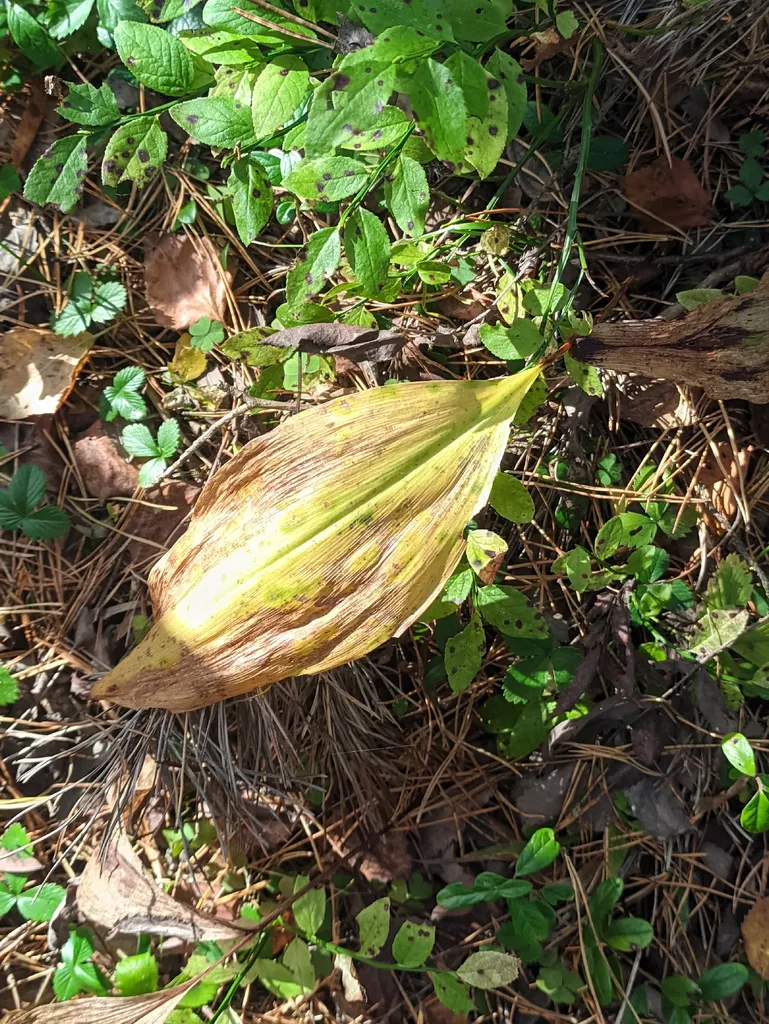
May be susceptible to grey moulds and leaf spots
Pests
May be susceptible to swift moth caterpillar
Explore the plant health library →




