
bronze fennel
Also known as: purple leaf fennel
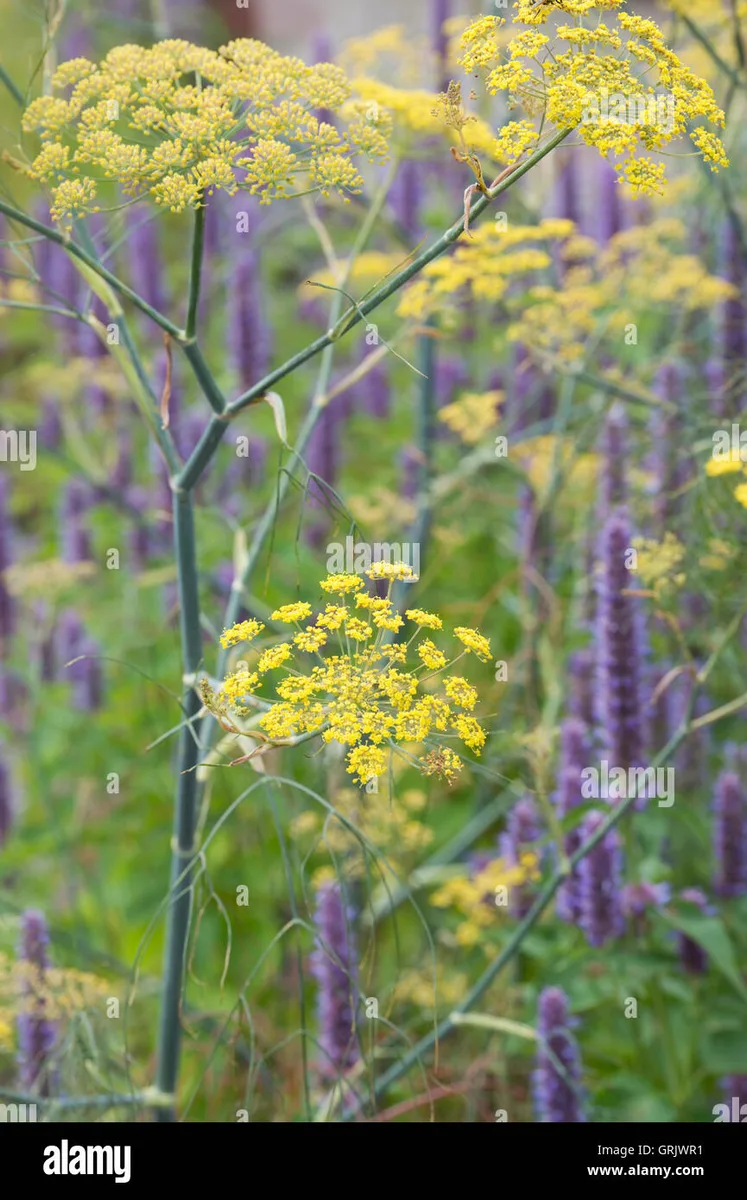
Upright, clump-forming perennial plantto 1.8m tall, with finely divided aromatic foliage which is purple when young, later dark grey-green; flat flowerheads of tiny yellow flowers on tall stems appear in summer; both leaves and fruits are aniseed scented
Scientific classification
- Species
- bronze fennel (Foeniculum vulgare 'Purpureum')
- Genus
- Foeniculum
- Family
- Apiaceae
- Order
- Apiales
- Class
- Magnoliopsida
- Phylum
- Tracheophyta
- Information to be completed
- Toxicity
- Herbaceous Perennial
- Plant type
- 1.5-2.5 metres
- Height
- 0.5-1 metres
- Spread
- Deciduous
- Foliage
- Bushy · Clump forming
- Habit
- Spring · Summer · Autumn
- Season of interest
- Full sun
- Sunlight
- Information to be completed
- Ideal temperature









bronze fennel pictures
Distribution of bronze fennel
Distribution map
- Native
- Introduced
- Cultivated
Source:WCVP v16 · Royal Botanic Gardens, Kew · CC BY 3.0 · Boundaries:WGSRPD / TDWG
bronze fennel care guide
- Moderate regular watering, avoid prolonged drought or waterlogging
- Watering
- Full sun
- Sunlight

Watering
Moderate regular watering, avoid prolonged drought or waterlogging
Fertilizing
 Fertilizing
Balanced feed in spring and light repeat in growth season
Pruning
 Pruning
Cut back dead stems in autumn or winter. Remove faded flowers to prevent self-seeding
Propagation
 Propagation
Propagate by seed (sown indoors) or alternatively propagate from seed (sown outdoors) in situ. Plants readily self-seed once established
Growing
 Growing
Grow in moist but well-drained, fertile soil. May have the potential to become a nuisance if not managed well. See fennel cultivation for further advice
Common pests and diseases
Diseases
May be susceptible to Powdery mildews
Pests
May be susceptible to aphids and slugs
Explore the plant health library →




