
arctic bramble
Also known as: all fieldberry; allåkerbär; arctic raspberry; crimson bramble; dwarf bramble; dwarf crimson-flowered bramble
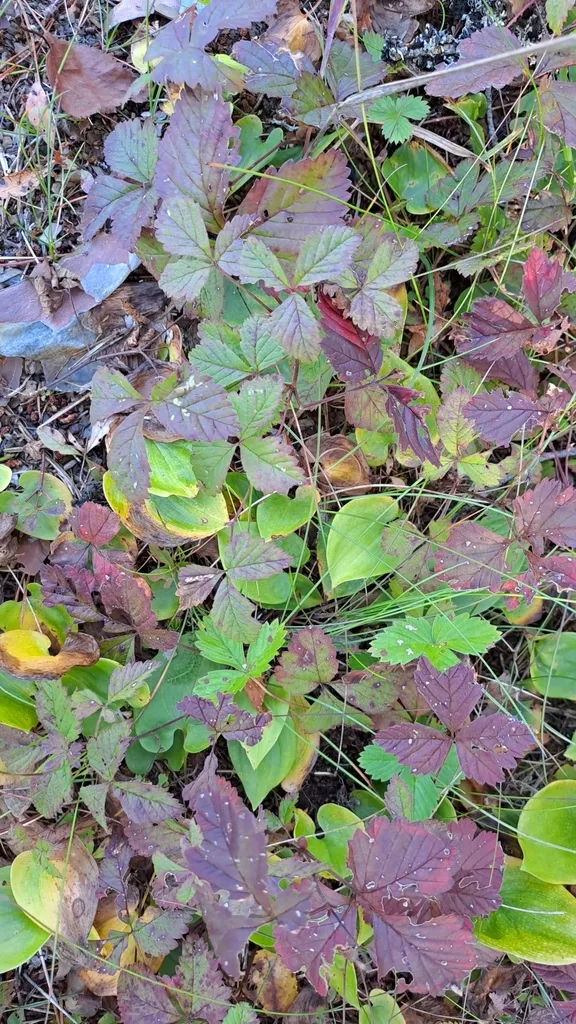
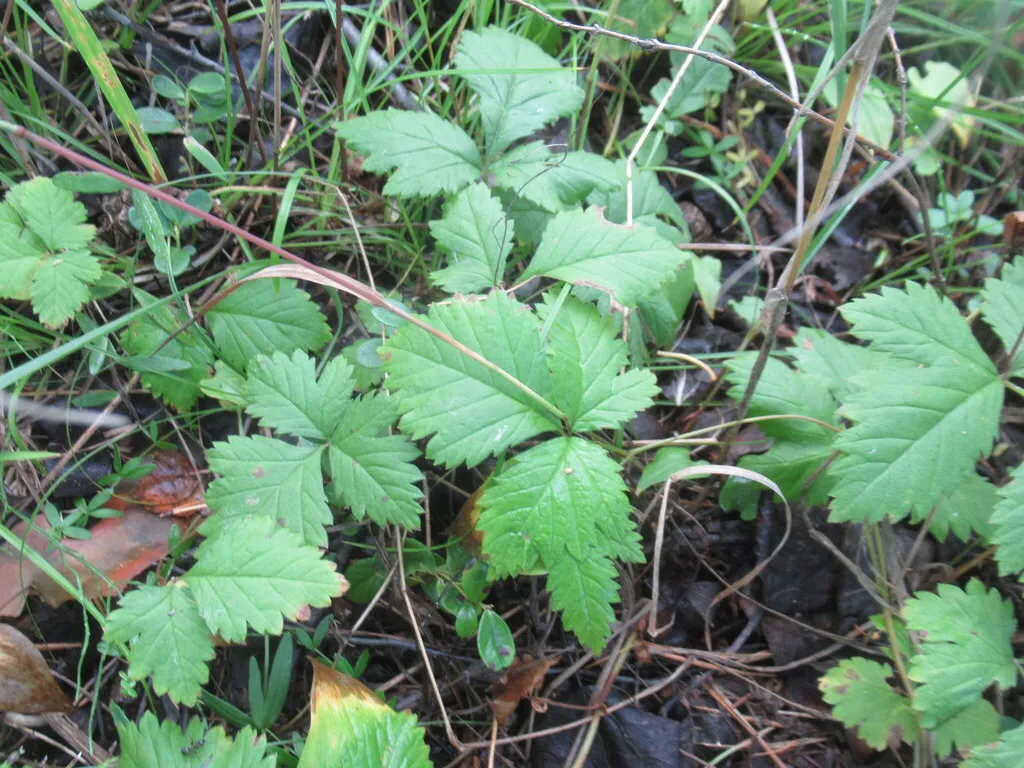
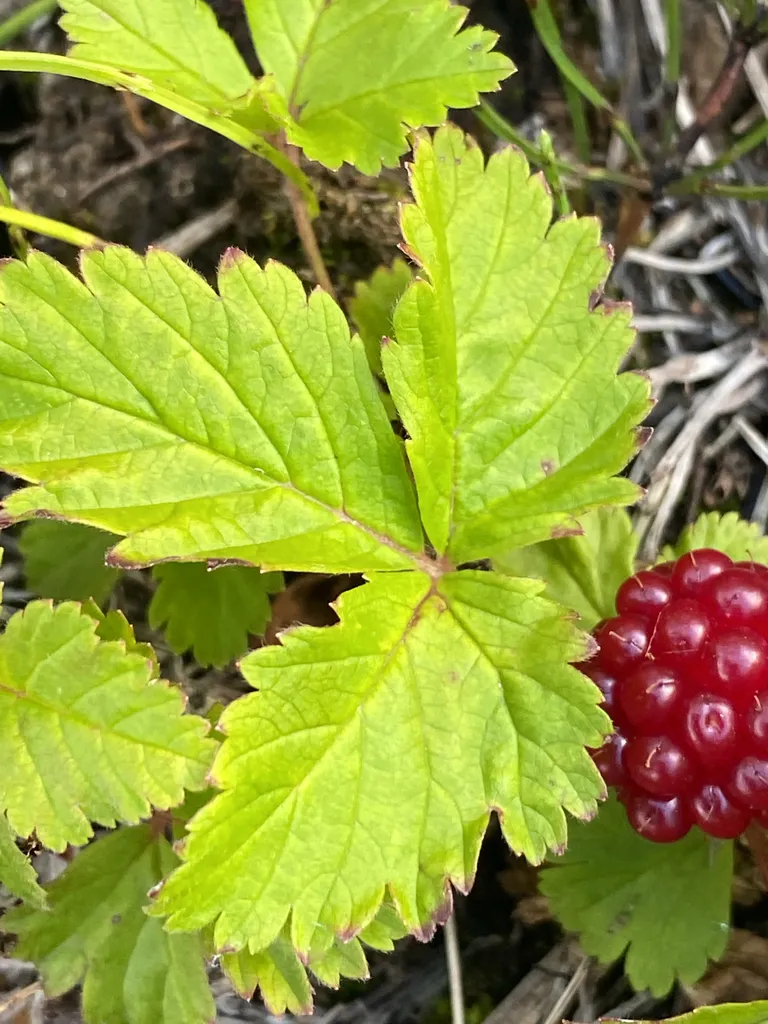
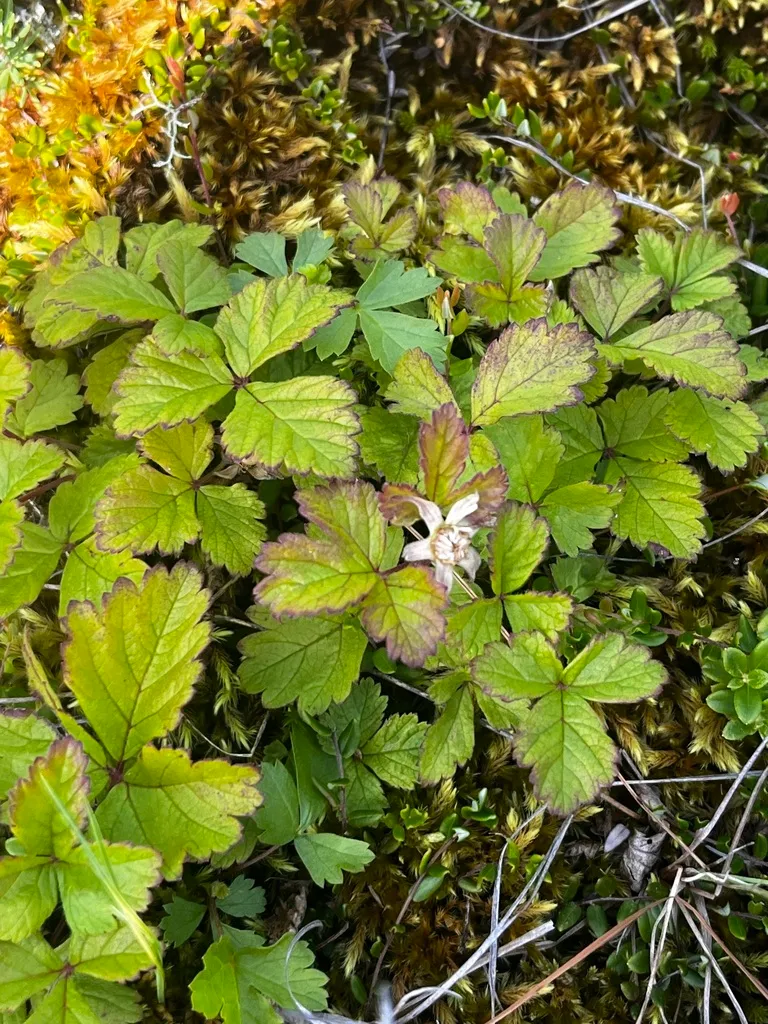
R. arcticus is a thornless, deciduous, spreading perennial or subshrub to 30cm tall and up to 1m wide with three-lobed, serrated-edged leaves. Pink to rose-purple flowers up to 2.5cm across are borne in summer in groups of 1-3 and are followed by deep red or dark purple edible, roundish fruits up to 1cm in diameter
Scientific classification
- Species
- arctic bramble (Rubus arcticus)
- Genus
- Rubus
- Family
- Rosaceae
- Information to be completed
- Toxicity
- Shrubs · Fruit Edible · Herbaceous Perennial
- Plant type
- 0.1-0.5 metres
- Height
- 0.5-1 metres
- Spread
- Deciduous
- Foliage
- Clump forming
- Habit
- Spring · Summer · Autumn · Winter
- Season of interest
- Full sun · Partial shade
- Sunlight
- Information to be completed
- Ideal temperature









arctic bramble pictures
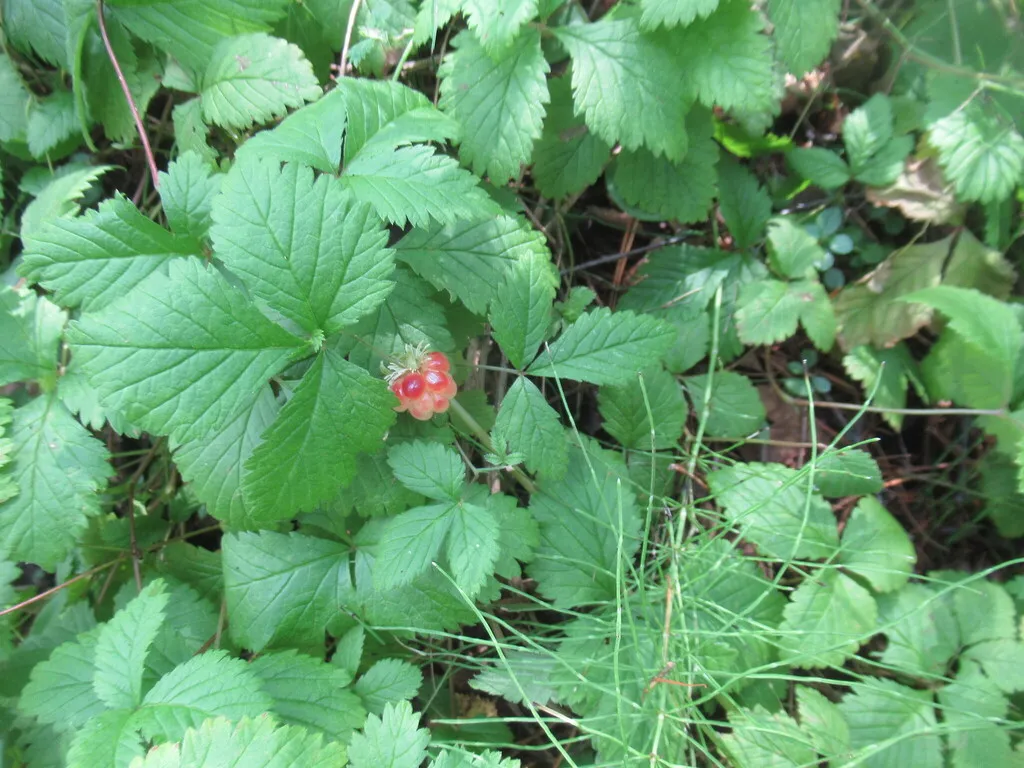
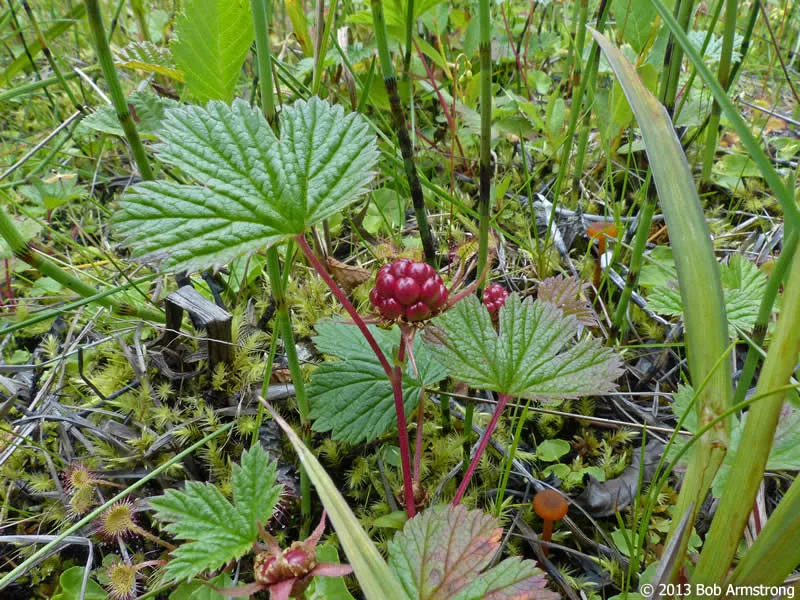
Distribution of arctic bramble
Distribution map
Subarctic and Northern Temperate
Information to be completed
Culture
Information to be completed
Toxicity
Information to be completed
Quick identification of arctic bramble
Information to be completed
arctic bramble care guide
- Moderate regular watering, avoid prolonged drought or waterlogging
- Watering
- Full sun · Partial shade
- Sunlight
- Information to be completed
- Ideal temperature

Watering
Moderate regular watering, avoid prolonged drought or waterlogging
Fertilizing
 Fertilizing
Balanced feed in spring and light repeat in growth season
Pruning
 Pruning
None required
Propagation
 Propagation
Propagate by seed
Growing
 Growing
Grows best in a moist, acidic or neutral soil in full sun or partial shade
People also ask
Information to be completed
Common pests and diseases
Diseases
May be susceptible to grey moulds and honey fungus (rarely)
Pests
Generally pest-free
Explore the plant health library →




