
hybrid mahonia
Also known as: Information to be completed
an upright evergreen shrub with a mixture of simple, thin leaves and more leathery, 3-parted leaves; small clusters of yellow flowers open in early summer sometimes followed by black berries
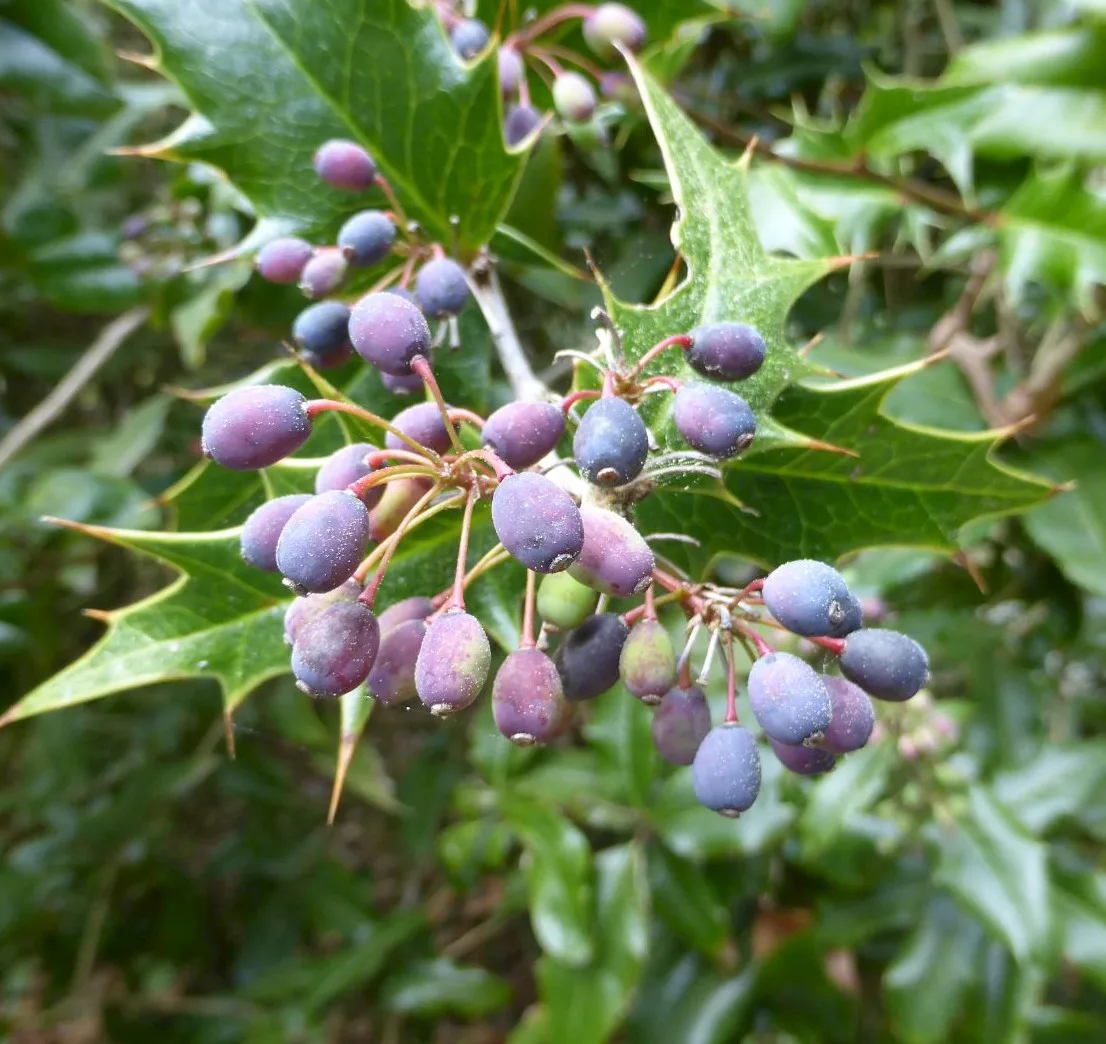
Scientific classification
- Species
- hybrid mahonia (×Mahoberberis aquisargentii)
- Genus
- ×Mahoberberis
- Family
- Berberidaceae
- Order
- Ranunculales
- Class
- Magnoliopsida
- Phylum
- Magnoliophyta
- Fruit is ornamental, not to be eaten. Wear gloves and other protective equipment when handling]
- Toxicity
- Shrubs
- Plant type
- 1.5-2.5 metres
- Height
- 1.5-2.5 metres
- Spread
- Evergreen
- Foliage
- Bushy
- Habit
- Spring · Summer · Autumn · Winter
- Season of interest
- Full shade · Full sun · Partial shade
- Sunlight
- Information to be completed
- Ideal temperature









hybrid mahonia pictures
Toxicity
Fruit is ornamental, not to be eaten. Wear gloves and other protective equipment when handling]
hybrid mahonia care guide
- Deep watering during dry spells, allowing slight surface drying between soakings
- Watering
- Full shade · Full sun · Partial shade
- Sunlight

Watering
Deep watering during dry spells, allowing slight surface drying between soakings
Fertilizing
 Fertilizing
Balanced shrub or tree feed once each early spring
Pruning
 Pruning
None required, but will withstand being cut back hard. Remove one or two older branches every few years
Propagation
 Propagation
Can be propagated by semi-ripe cuttings in late summer or early autumn
Growing
 Growing
Grow in any soil and in any aspect
Common pests and diseases
Diseases
May be susceptible to powdery mildews and sometimes by honey fungus
Pests
Berberis sawfly may be a problem
Explore the plant health library →




