
Balkan spurge
Also known as: Information to be completed
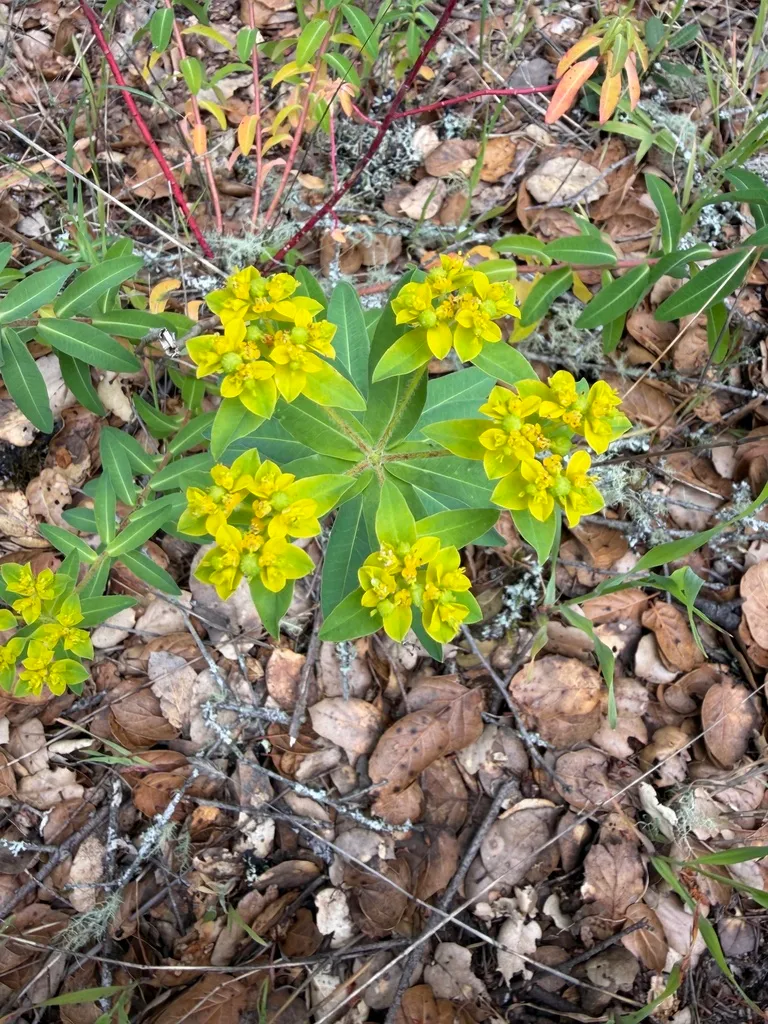
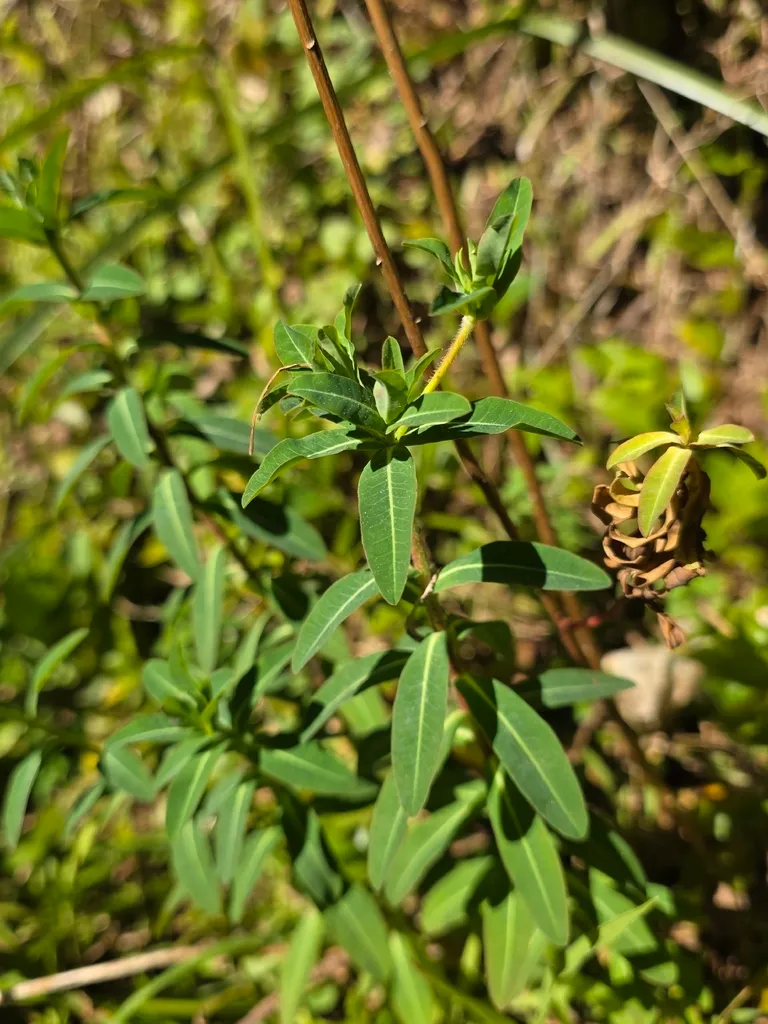
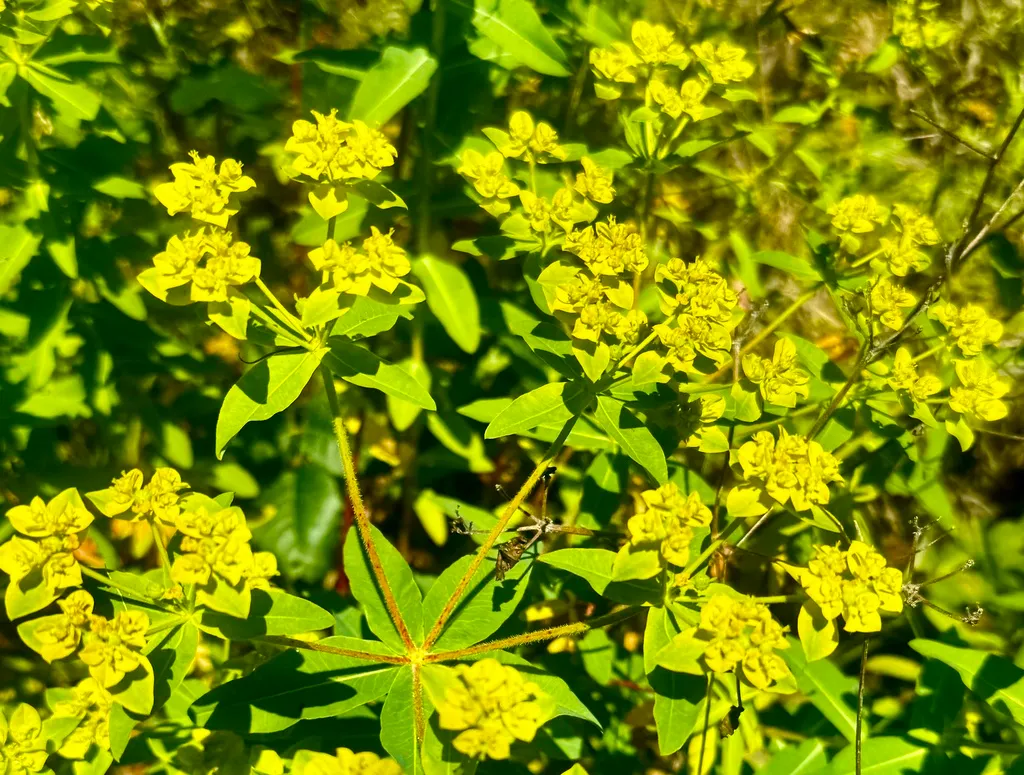
A short-lived, neat, clump-forming herbaceous perennial that's usually grown as an annual. The stem leaves are dark green and no more than 5cm long and 2cm wide. The chartreuse-yellow flowerhead leaves appear in flat heads, 15cm wide, for a long period from spring to autumn
Scientific classification
- Species
- Balkan spurge (Euphorbia oblongata)
- Genus
- Euphorbia
- Family
- Euphorbiaceae
- Order
- Malpighiales
- Class
- Magnoliopsida
- Phylum
- Magnoliophyta
- IRRITANT to skin/eye, harmful if eaten. Wear gloves and other protective equipment when handling]
- Toxicity
- Herbaceous Perennial
- Plant type
- 0.5-1 metres
- Height
- 0.1-0.5 metres
- Spread
- Deciduous
- Foliage
- Bushy
- Habit
- Autumn · Spring · Summer
- Season of interest
- Partial shade
- Sunlight
- Information to be completed
- Ideal temperature









Balkan spurge pictures
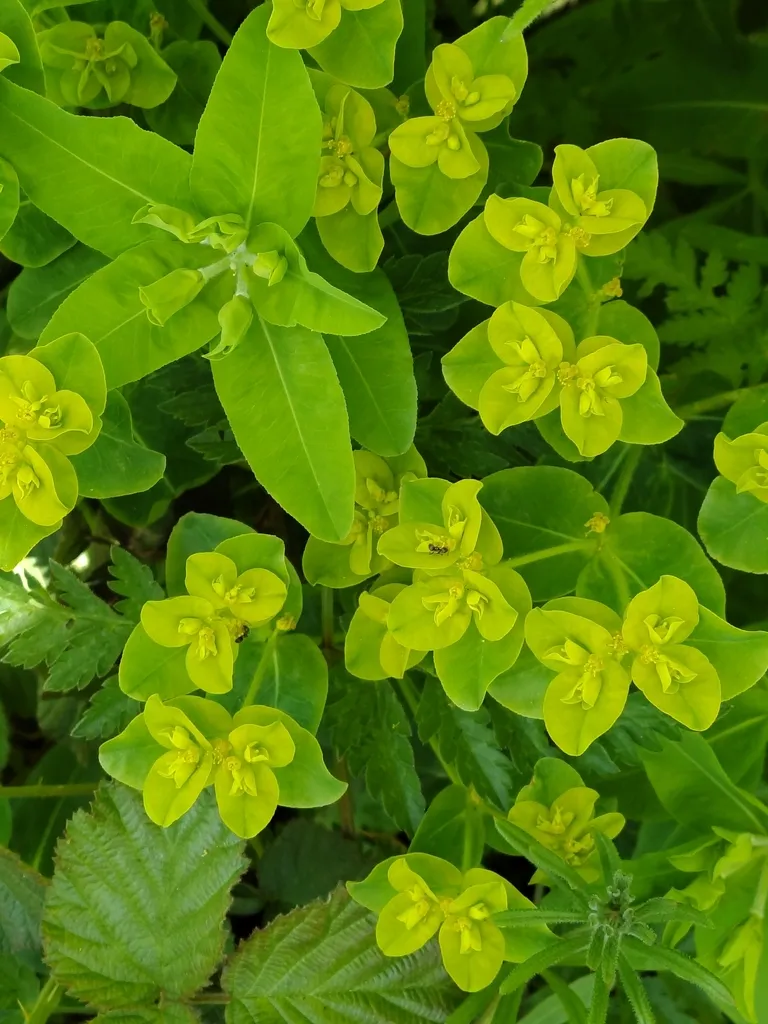
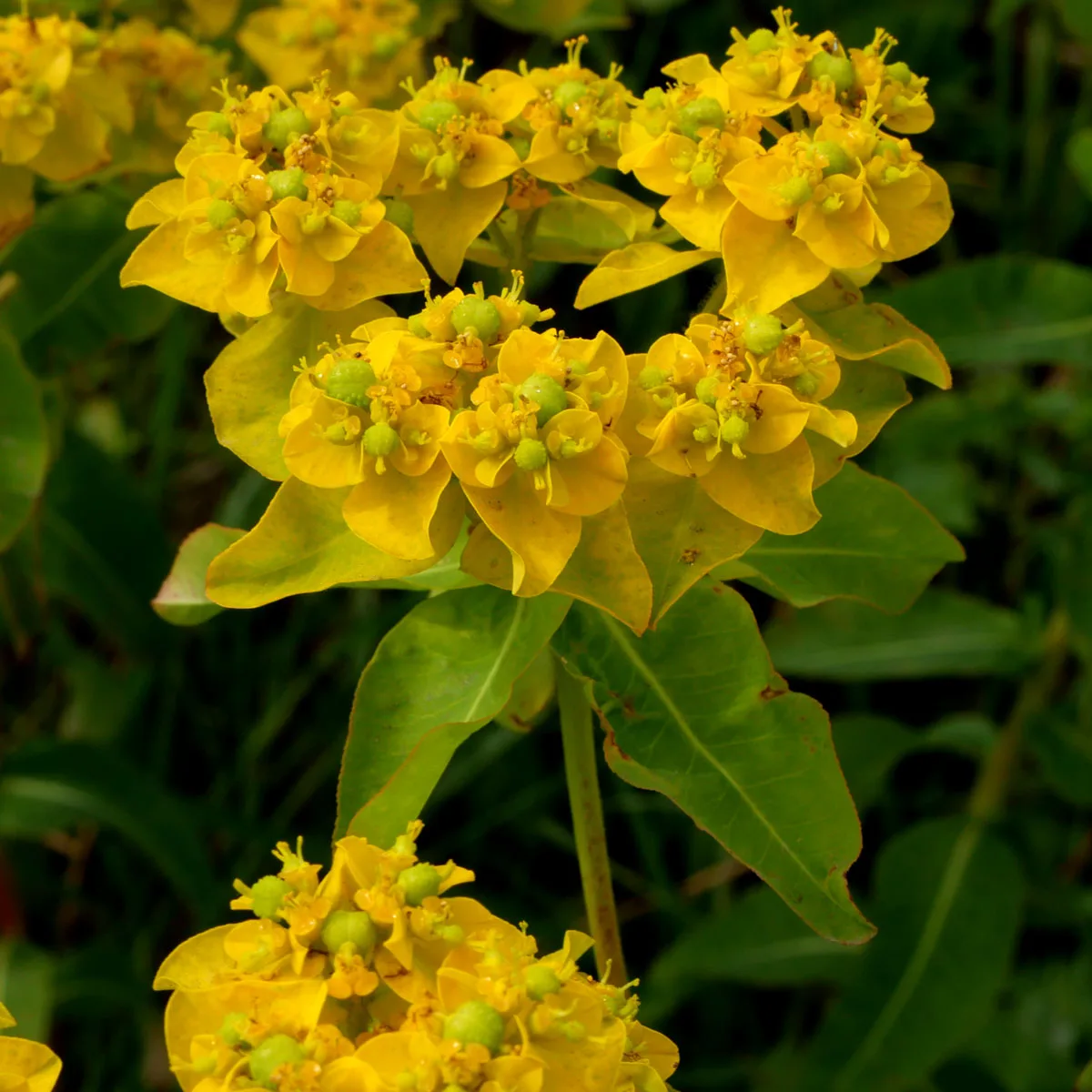
Distribution of Balkan spurge
Distribution map
- Native
- Introduced
- Cultivated
Source:WCVP v16 · Royal Botanic Gardens, Kew · CC BY 3.0 · Boundaries:WGSRPD / TDWG
Toxicity
IRRITANT to skin/eye, harmful if eaten. Wear gloves and other protective equipment when handling]
Balkan spurge care guide
- Water moderately, allowing the soil to dry slightly between waterings.
- Watering
- Partial shade
- Sunlight

Watering
Water moderately, allowing the soil to dry slightly between waterings.
Fertilizing
 Fertilizing
Apply a balanced fertilizer in spring and again in summer.
Pruning
 Pruning
Cut back flowered shoots to base or collect stems for flower-arranging as needed
Propagation
 Propagation
Propagate by seed sown in pots in a cold frame as soon as ripe or sow directly in spring
Growing
 Growing
Best grown in moist, humus-rich, but well-drained soil in light dappled shade with sun for part of the day. Great for flower arranging. Self-sows so may have the potential to become a nuisance if not well managed. See Euphorbia for further advice
Common pests and diseases
Diseases
Generally disease-free
Pests
Generally pest-free
Explore the plant health library →




