
wire-netting bush
Also known as: Information to be completed
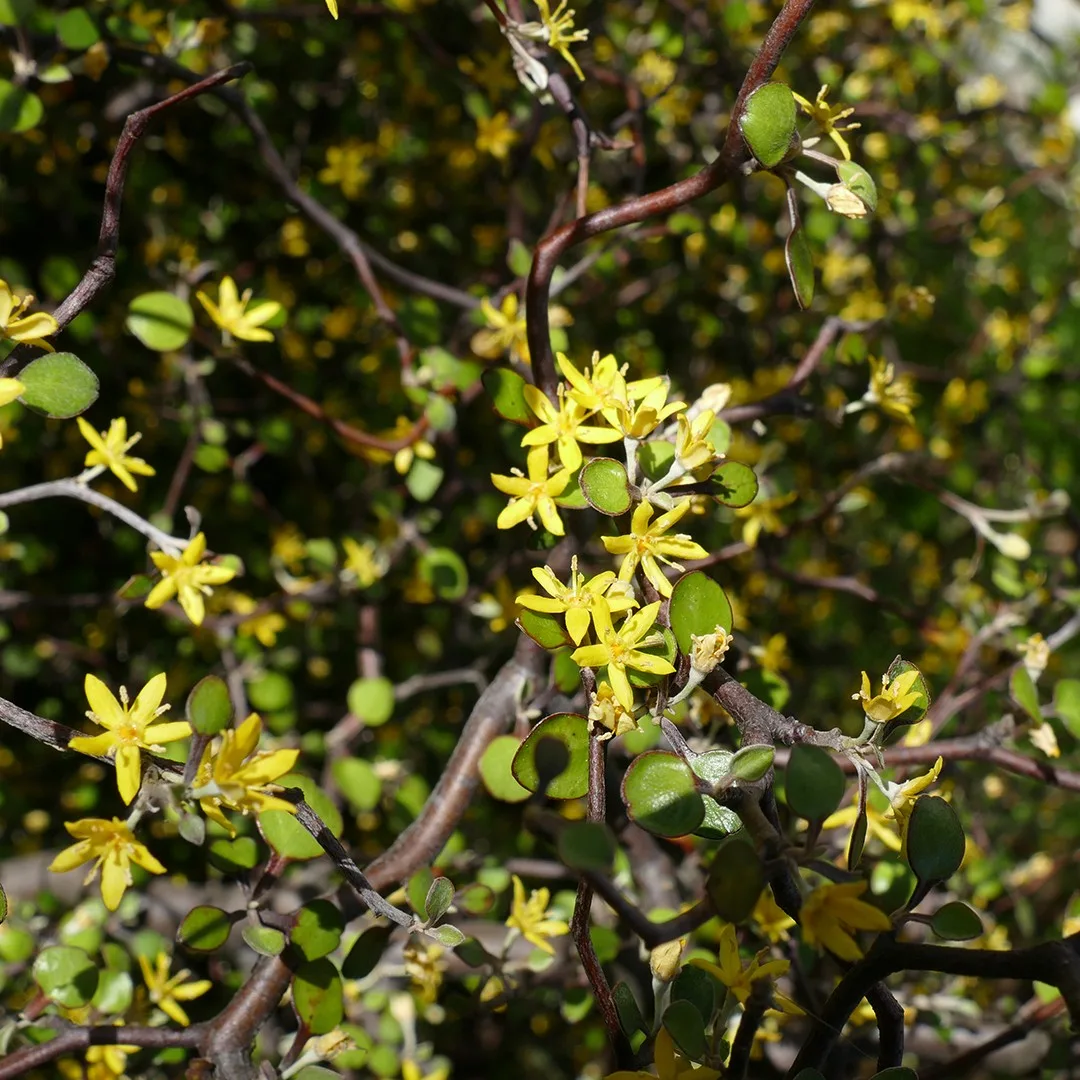
A rounded shrub forming a mass of interlaced branches bearing small, dark green leaves and, in spring, clusters of small yellow flowers followed by red or yellow berries
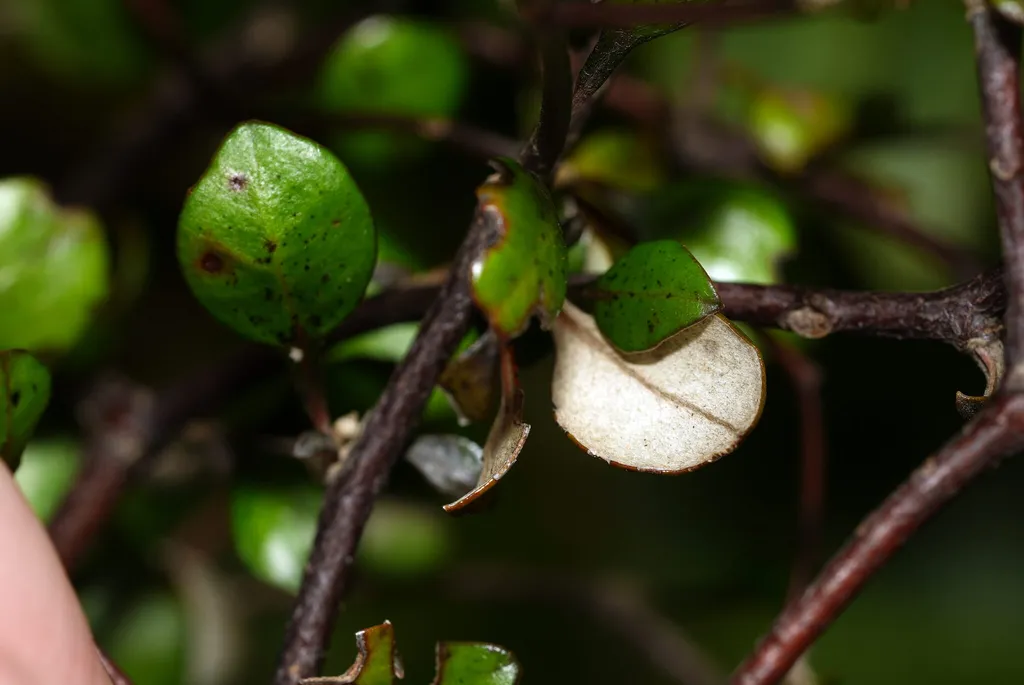
Scientific classification
- Species
- wire-netting bush (Corokia cotoneaster)
- Genus
- Corokia
- Family
- Argophyllaceae
- Fruit are ornamental - not to be eaten. Wear gloves and other protective equipment when handling
- Toxicity
- Shrubs
- Plant type
- 1.5-2.5 metres
- Height
- 1.5-2.5 metres
- Spread
- Evergreen
- Foliage
- Bushy
- Habit
- Spring · Summer · Autumn · Winter
- Season of interest
- Full sun
- Sunlight
- Information to be completed
- Ideal temperature









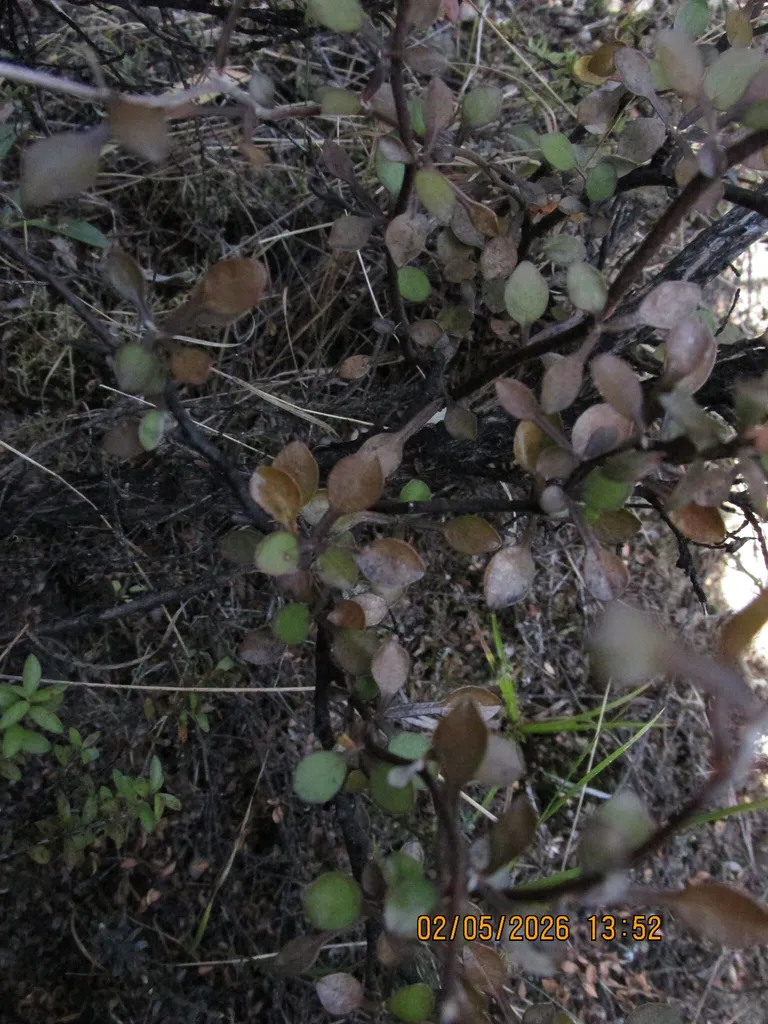
wire-netting bush pictures
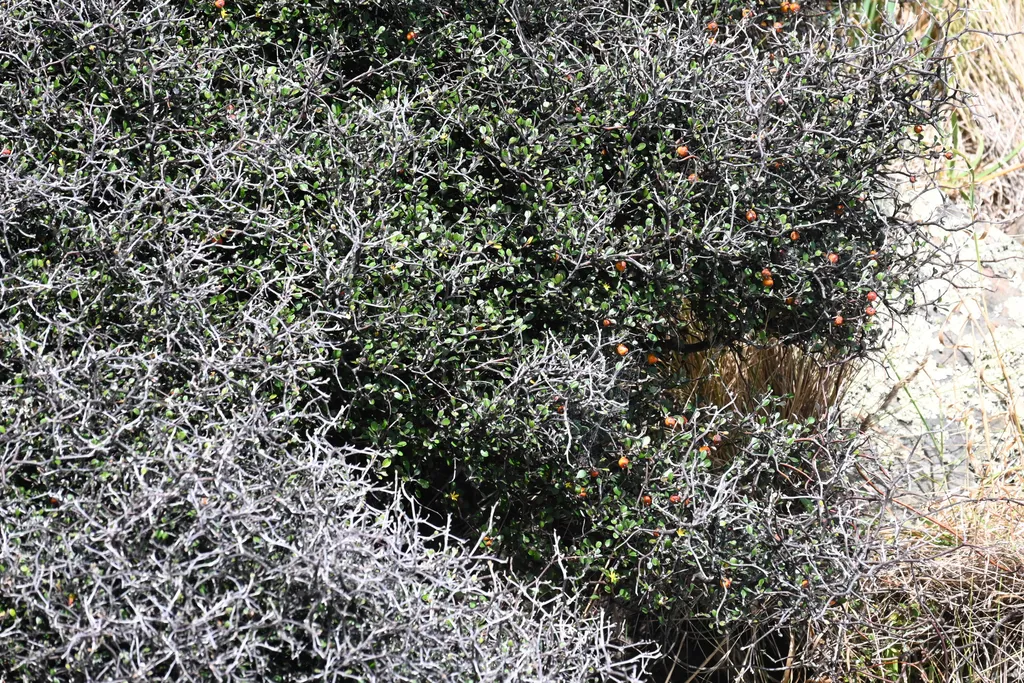
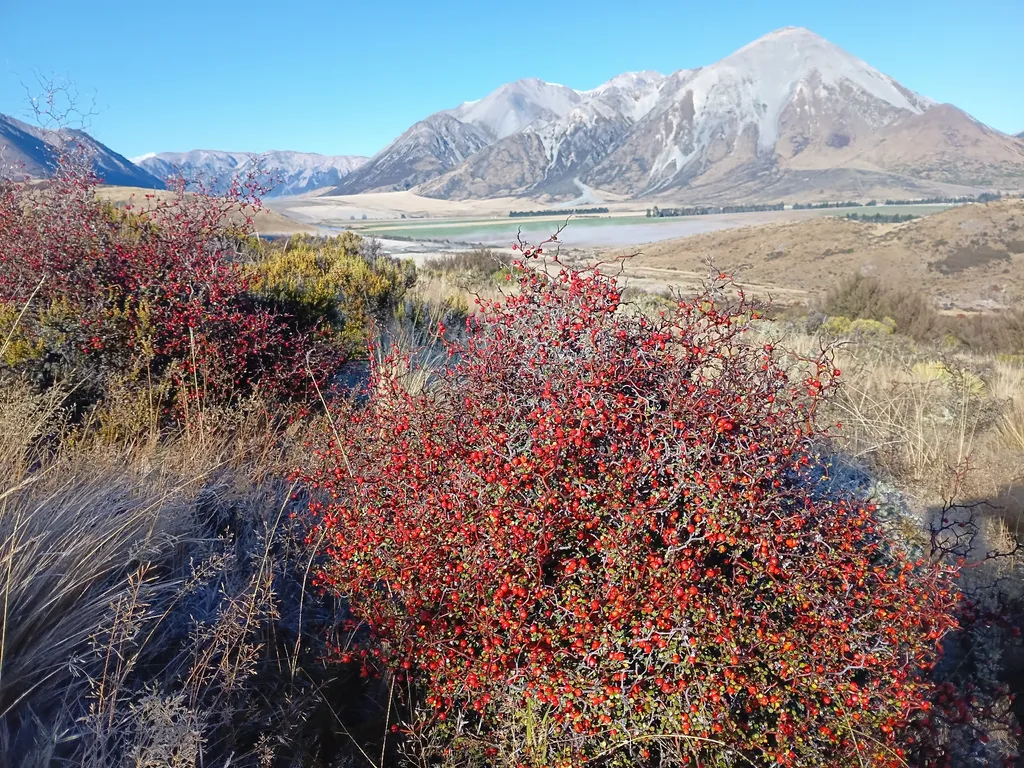
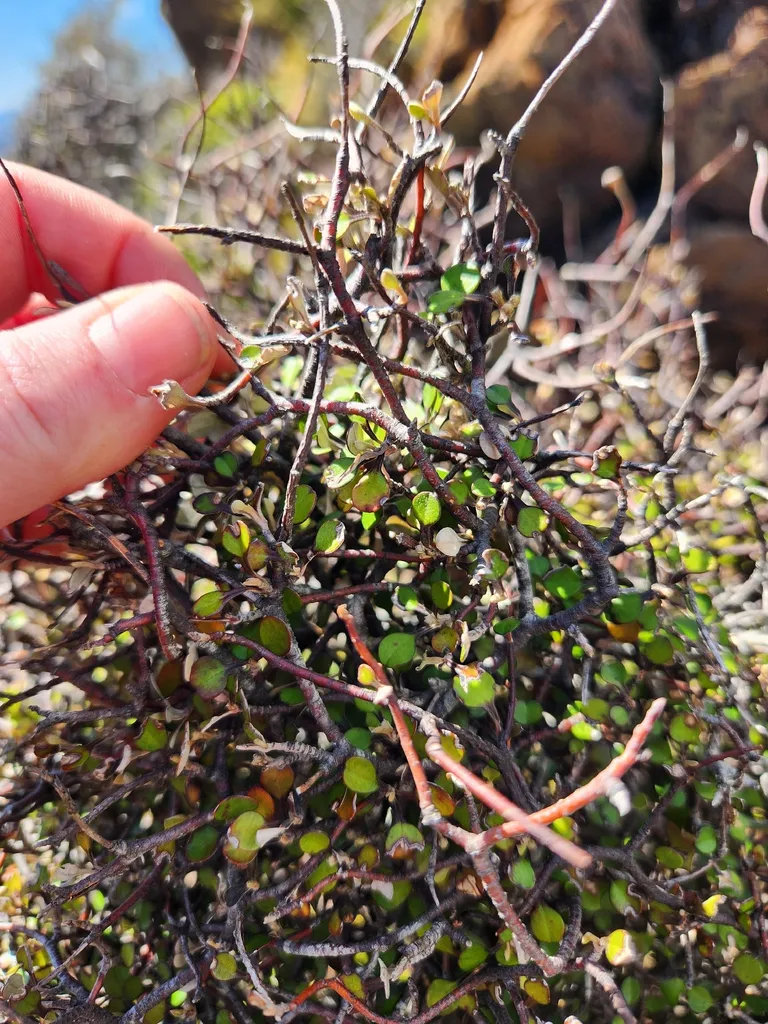
Distribution of wire-netting bush
Distribution map
New Zealand
Information to be completed
Culture
Information to be completed
Toxicity
Fruit are ornamental - not to be eaten. Wear gloves and other protective equipment when handling
Quick identification of wire-netting bush
Information to be completed
wire-netting bush care guide
- Moderate regular watering, allowing slight drying between waterings
- Watering
- Full sun
- Sunlight
- Information to be completed
- Ideal temperature

Watering
Moderate regular watering, allowing slight drying between waterings
Fertilizing
 Fertilizing
Balanced feed monthly during active growth season
Pruning
 Pruning
Usually little pruning is needed. Lightly shape if necessary, removing dead, damaged or diseased shoots. Prune after flowering.
Propagation
 Propagation
Root greenwood cuttings in early summer, or semi-ripe cuttings in mid or late summer
Growing
 Growing
Grow in fertile well-drained soil in full sun with shelter from cold drying winds
People also ask
Information to be completed
Common pests and diseases
Diseases
May be susceptible to honey fungus in gardens where it is present but insufficient data to determine degree of susceptibility
Pests
Generally pest-free
Explore the plant health library →




