
Pyrus communis 'Baronne de Mello'
Also known as: Information to be completed
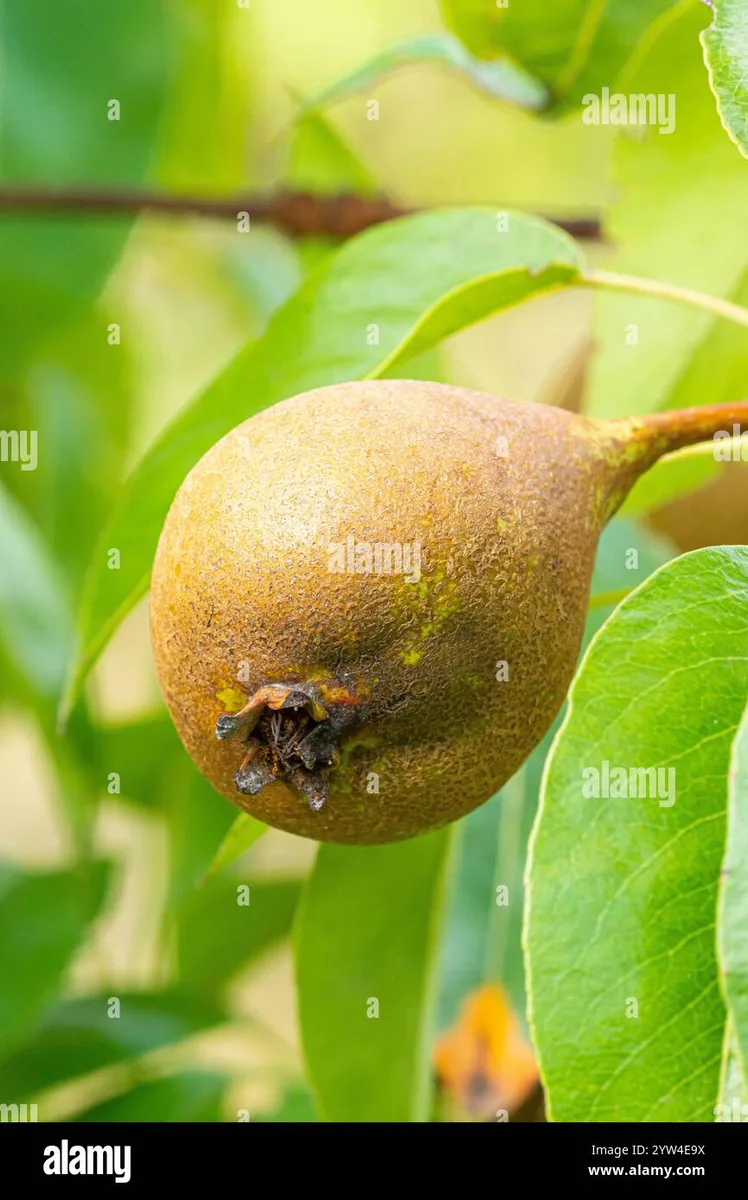
A dessert cultivar producing small, golden-brown, russetted pears with an aromatic flavour; fruits ripen late and need warm conditions to ripen fully
Scientific classification
- Species
- Pyrus communis 'Baronne de Mello' (Pyrus communis 'Baronne de Mello')
- Genus
- Pyrus
- Family
- Rosaceae
- Order
- Rosales
- Class
- Magnoliopsida
- Phylum
- Magnoliophyta
- Information to be completed
- Toxicity
- Fruit Edible · Trees
- Plant type
- Information to be completed
- Height
- Information to be completed
- Spread
- Deciduous
- Foliage
- Information to be completed
- Habit
- Spring · Autumn
- Season of interest
- Full sun
- Sunlight
- Information to be completed
- Ideal temperature









Pyrus communis 'Baronne de Mello' pictures
Distribution of Pyrus communis 'Baronne de Mello'
Distribution map
- Native
- Introduced
- Cultivated
Source:WCVP v16 · Royal Botanic Gardens, Kew · CC BY 3.0 · Boundaries:WGSRPD / TDWG
Pyrus communis 'Baronne de Mello' care guide
- Water regularly to keep soil moist during growth and fruit development.
- Watering
- Full sun
- Sunlight

Watering
Water regularly to keep soil moist during growth and fruit development.
Fertilizing
 Fertilizing
Apply a balanced fruit-tree fertilizer in early spring and after fruit set.
Pruning
 Pruning
Prune according to chosen training method. See pruning new pear trees, summer pear pruning, winter pear pruning, renovating pear trees and pruning established fans
Propagation
 Propagation
Propagate by chip budding in late summer, or grafting in mid-winter, onto a clonal rootstock for pears. Fruit grown from pips is unlikely to resemble the parent
Growing
 Growing
Needs a deep, fertile, moist but well-drained, fairly neutral soil in a sheltered, sunny position. Will not thrive on very acid soils, shallow chalk soils or with shade for more than half the day. See pear cultivation for further advice
Common pests and diseases
Diseases
May be susceptible to blossom wilt, brown rot, fireblight, pear scab, European pear rust and honey fungus (rarely)
Pests
May be susceptible to aphids, caterpillars, codling moth, pear blister mite, pear midge and pear and cherry slugworm
Explore the plant health library →




