
Cape wattle
Also known as: Cape Leeuwin wattle; crested wattle; plume albizia; two-spiked acacia
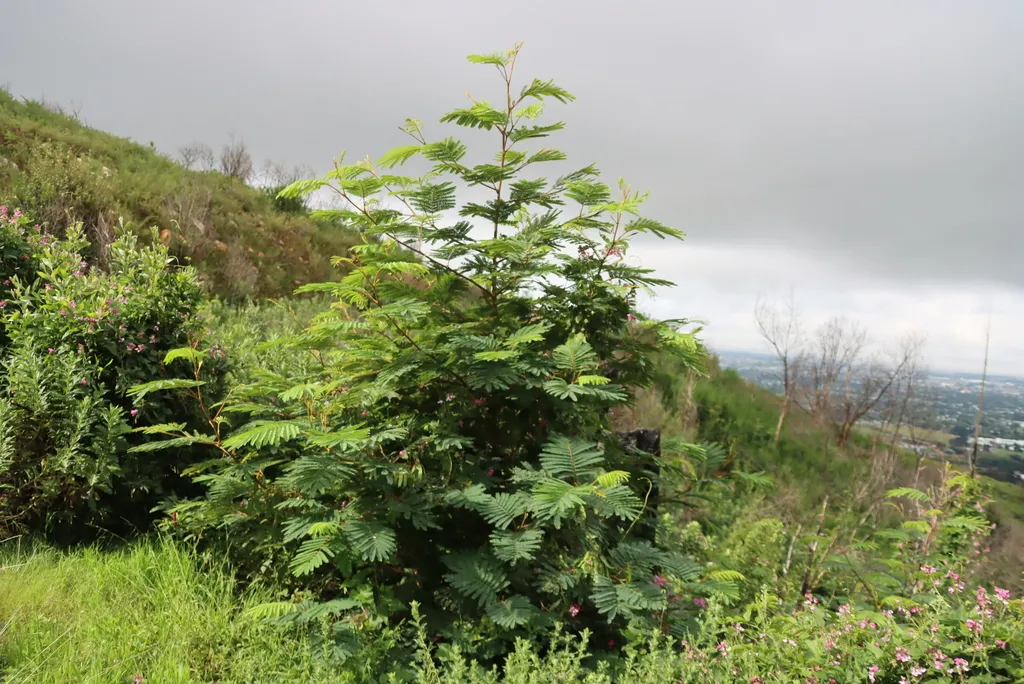
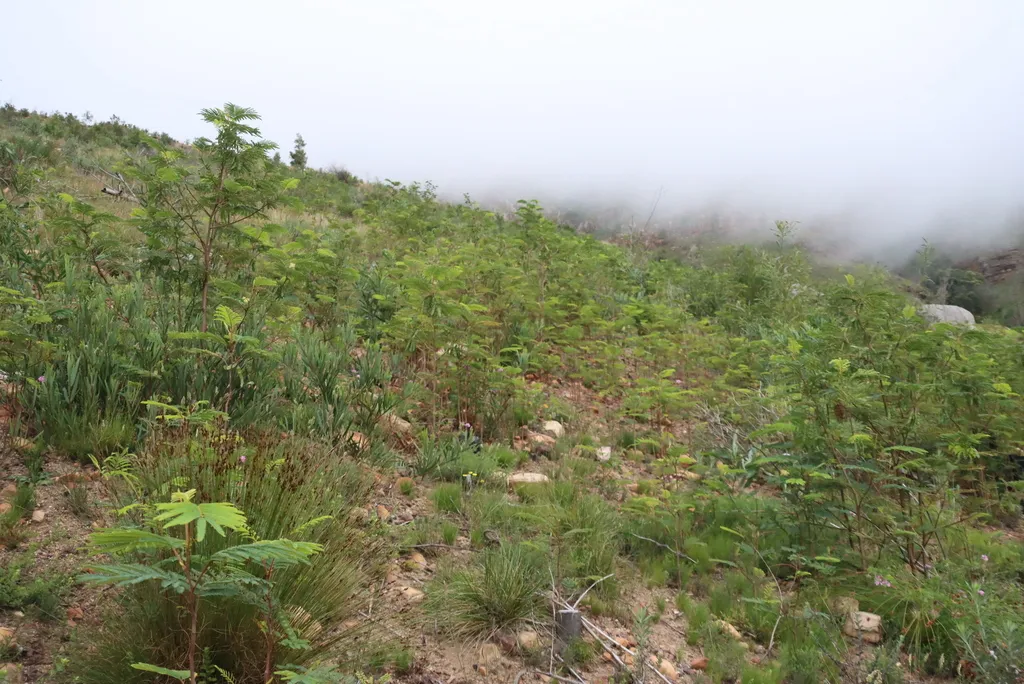
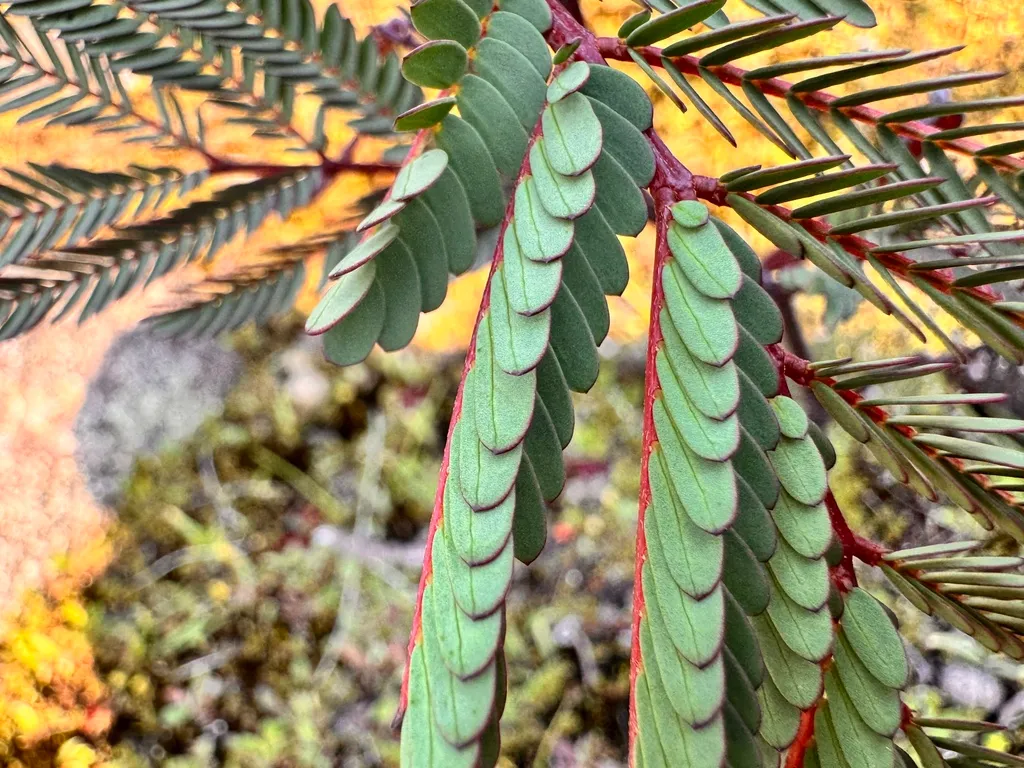
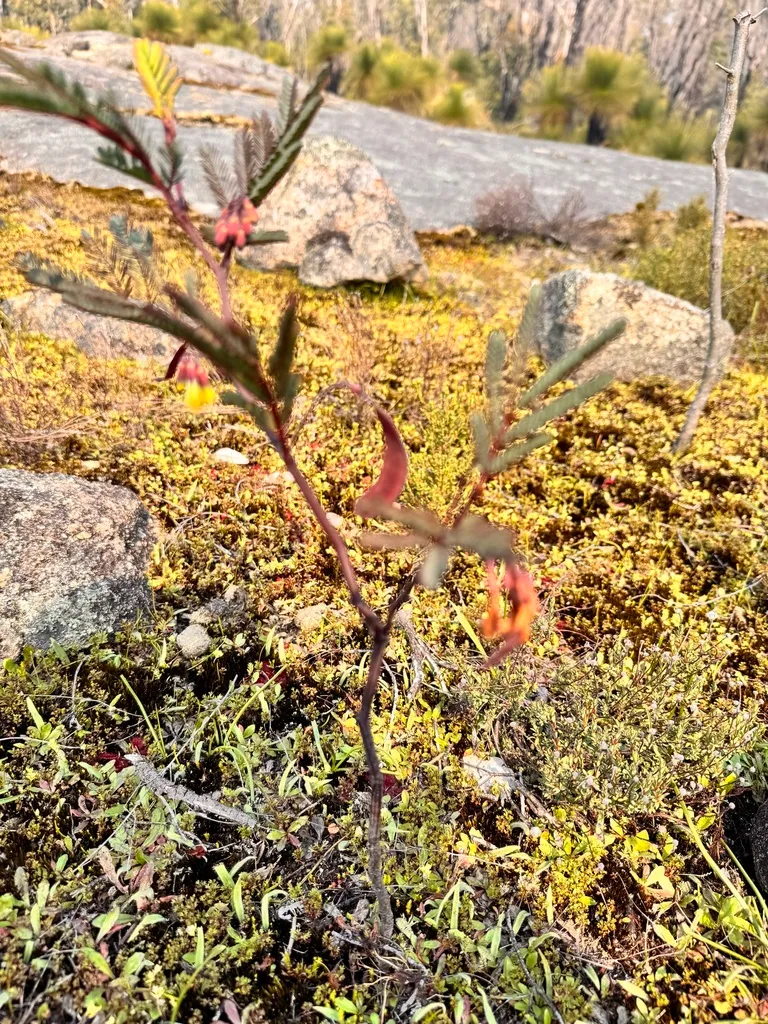
A tender shrub or small tree with dark green, feathery foliage, leaflets oblong to ovate. In late Spring, bottle brush type, cream flowers appear in axillary spikes, followed by large brown seeds resembling pea-pods
Scientific classification
- Species
- Cape wattle (Paraserianthes lophantha)
- Genus
- Paraserianthes
- Family
- Fabaceae
- Order
- Fabales
- Class
- Magnoliopsida
- Phylum
- Magnoliophyta
- All parts may cause a mild stomach upset if ingested. Wear gloves and other protective equipment when handling
- Toxicity
- Shrubs
- Plant type
- 4-8 metres
- Height
- 2.5-4 metres
- Spread
- Evergreen
- Foliage
- Bushy
- Habit
- Spring · Summer · Autumn · Winter
- Season of interest
- Full sun
- Sunlight
- Information to be completed
- Ideal temperature









Cape wattle pictures
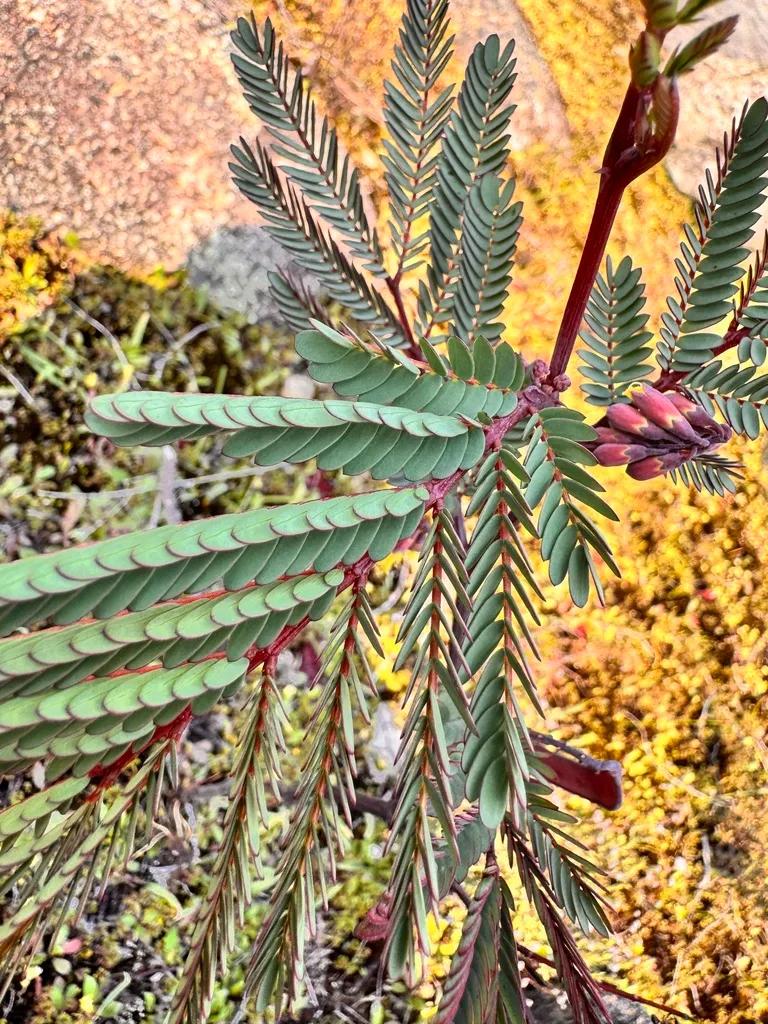
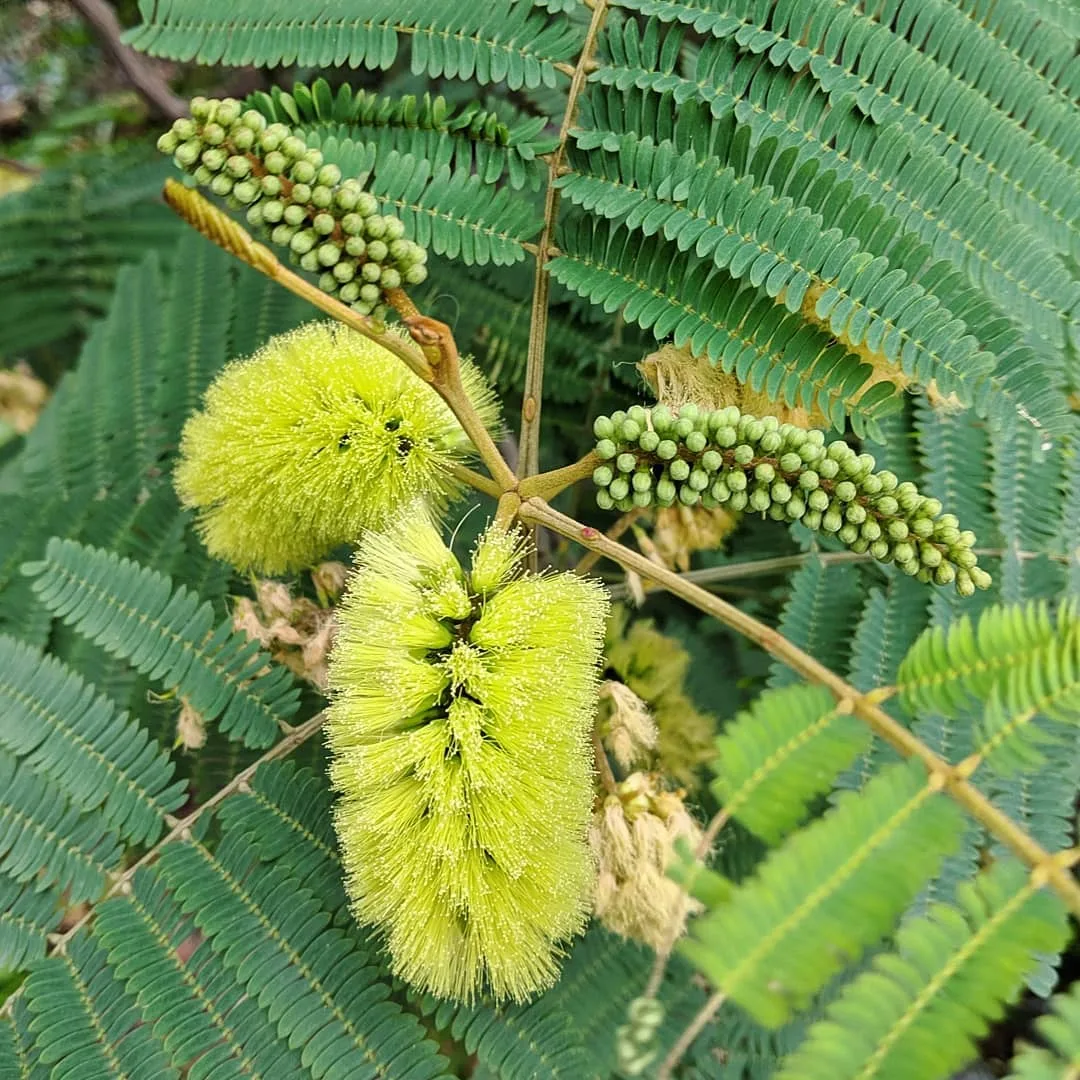
Distribution of Cape wattle
Distribution map
- Native
- Introduced
- Cultivated
Source:WCVP v16 · Royal Botanic Gardens, Kew · CC BY 3.0 · Boundaries:WGSRPD / TDWG
Toxicity
All parts may cause a mild stomach upset if ingested. Wear gloves and other protective equipment when handling
Cape wattle care guide
- Deep watering in hot dry spells, limit water supply cold winter
- Watering
- Full sun
- Sunlight

Watering
Deep watering in hot dry spells, limit water supply cold winter
Fertilizing
 Fertilizing
Slow-release tree feed applied once annually at early springtime
Pruning
 Pruning
Little pruning is needed. Remove diseased, damaged, crowded or crossing shoots and unwanted growth. Timing depends on the plant: generally late winter or early spring; plants prone to bleeding and deciduous magnolias need different timing, and deciduous azaleas and lilacs are pruned after flowering.
Propagation
 Propagation
Propagate by semi-hardwood cuttings in Summer
Growing
 Growing
Grow in free-draining soil in a sunny, sheltered position. This is a tender shrub that may survive in very sheltered gardens or can be container grown and overwintered indoors. Suitable for a glasshouse
Common pests and diseases
Diseases
May be susceptible to verticillium wilt
Pests
Generally pest-free
Explore the plant health library →




