
sassafras
Also known as: ague tree; sassafras tree; white sassafras
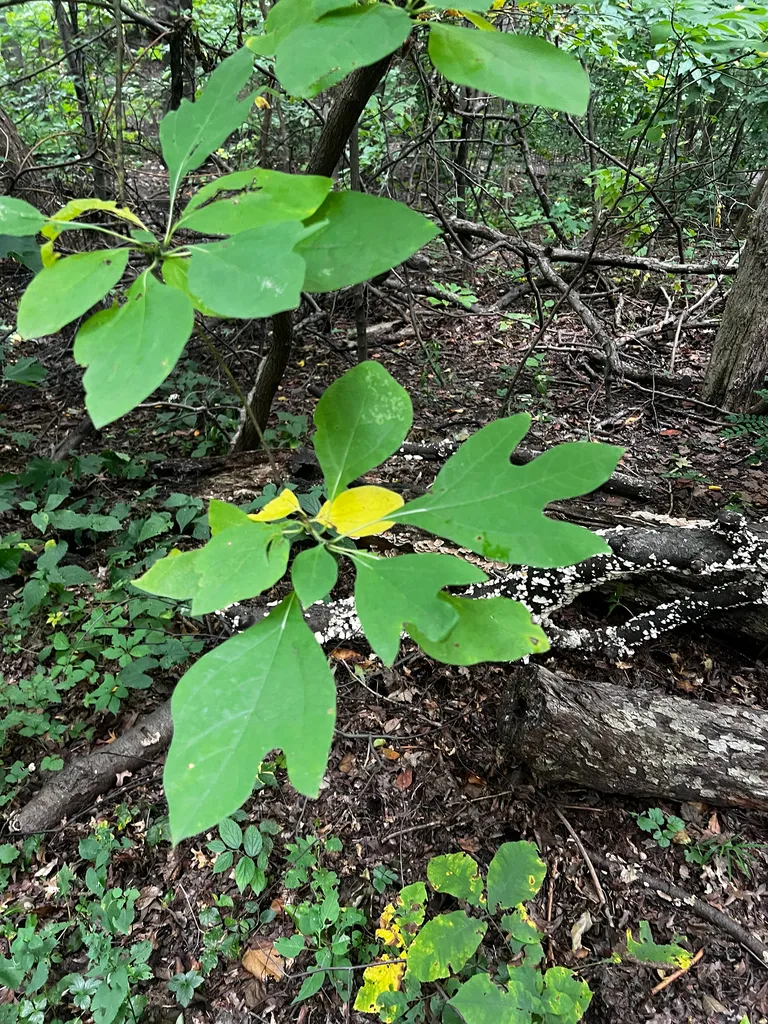
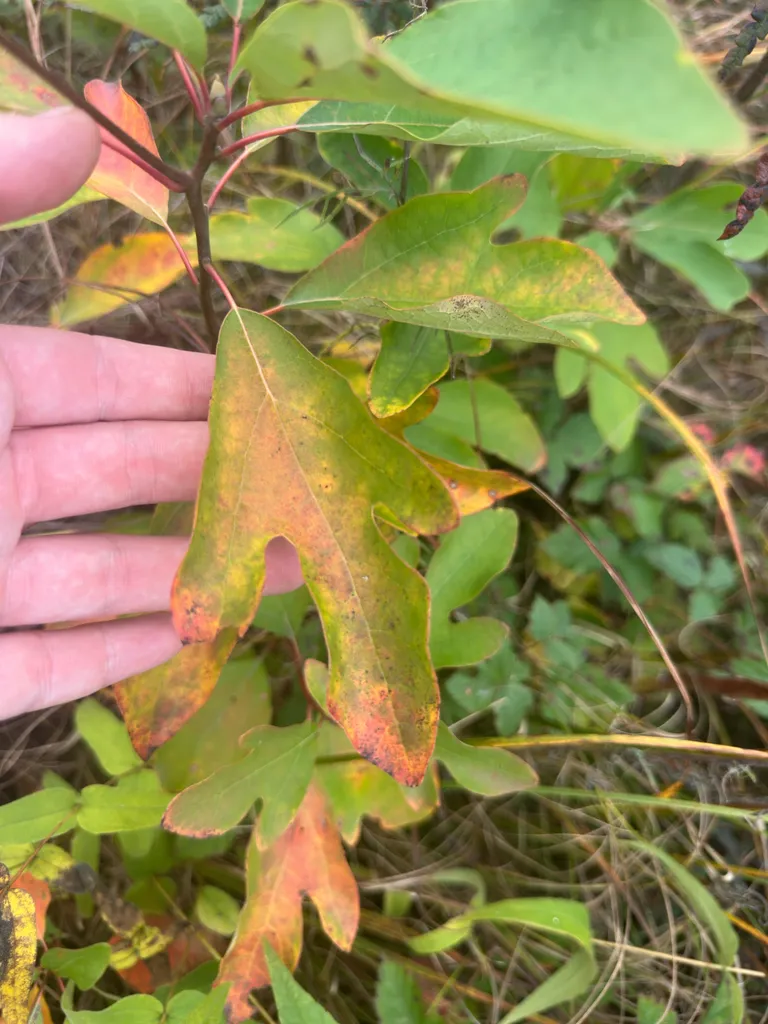
S. albidum forms an upright tree, spreading by suckers. The three-lobed, aromatic foliage is light, glossy green and colours well in autumn. Sprays of small, green flowers open with the leaves and may be followed, on female trees, by red-stalked, dark blue berries
Scientific classification
- Species
- sassafras (Sassafras albidum)
- Genus
- Sassafras
- Family
- Lauraceae
- Order
- Laurales
- Class
- Magnoliopsida
- Phylum
- Tracheophyta
- Information to be completed
- Toxicity
- Trees
- Plant type
- Higher than 12 metres
- Height
- wider than 8 metres
- Spread
- Deciduous
- Foliage
- Columnar upright · Suckering
- Habit
- Autumn · Spring · Summer
- Season of interest
- Full sun · Partial shade
- Sunlight
- Information to be completed
- Ideal temperature









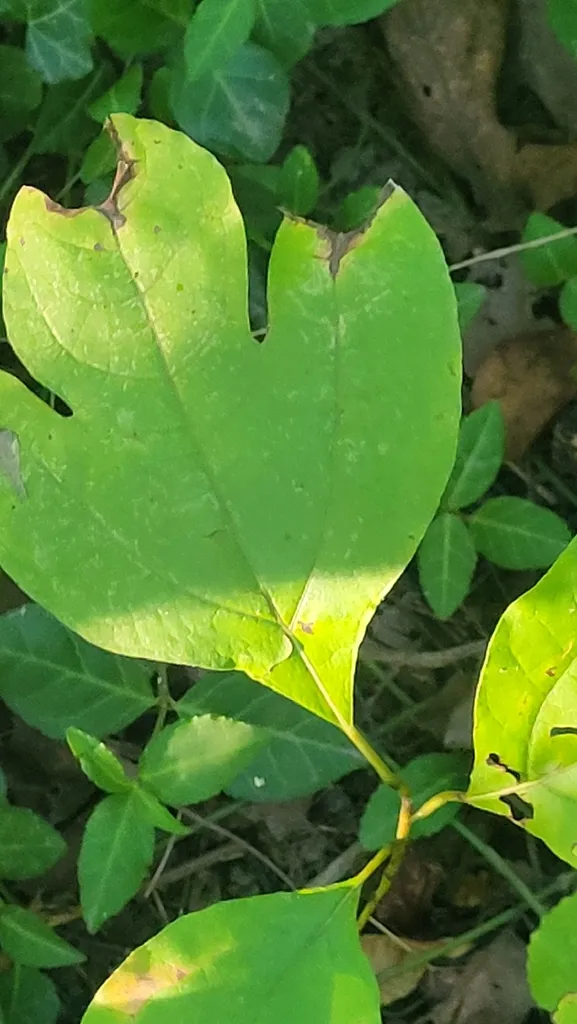
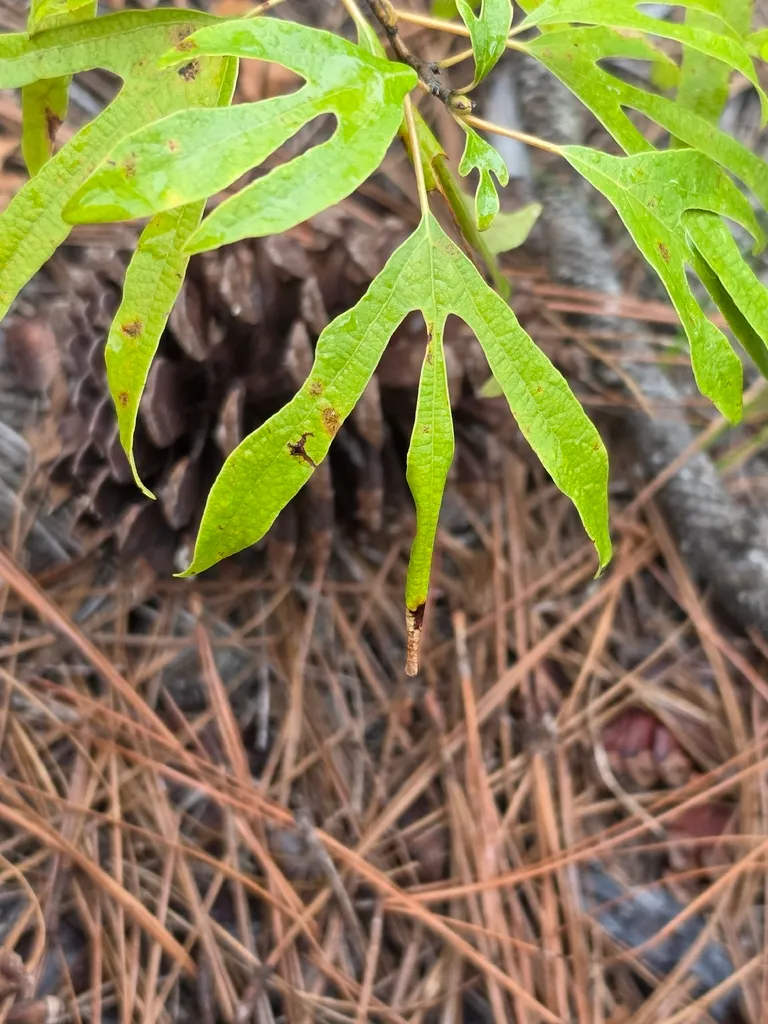
sassafras pictures
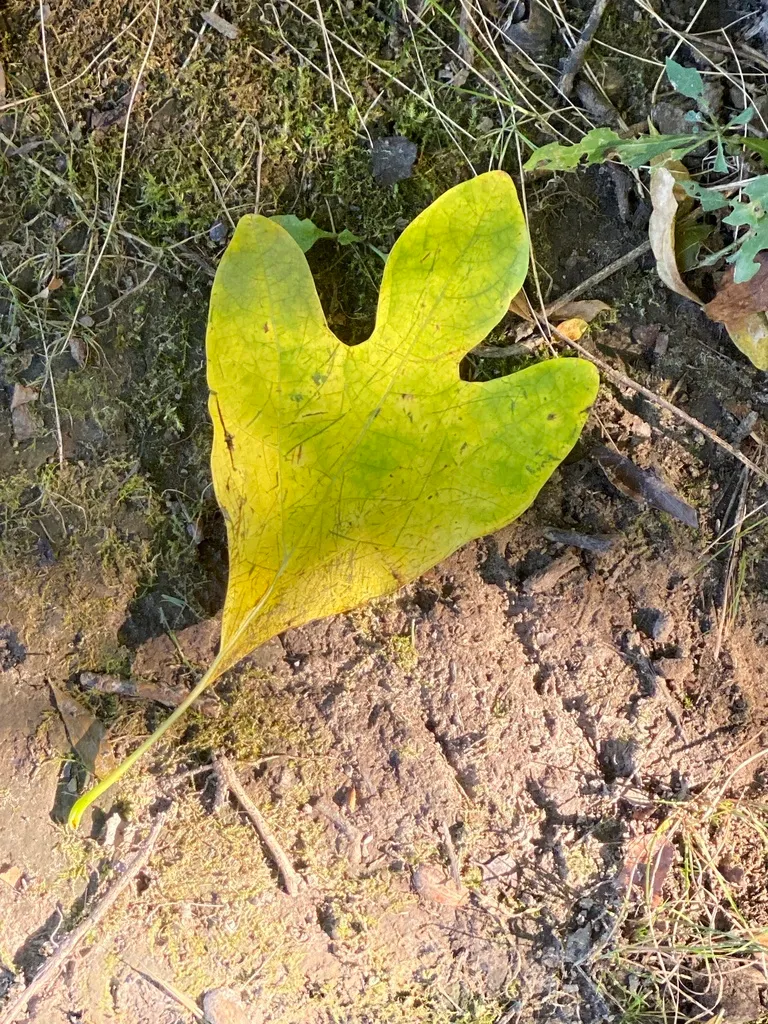
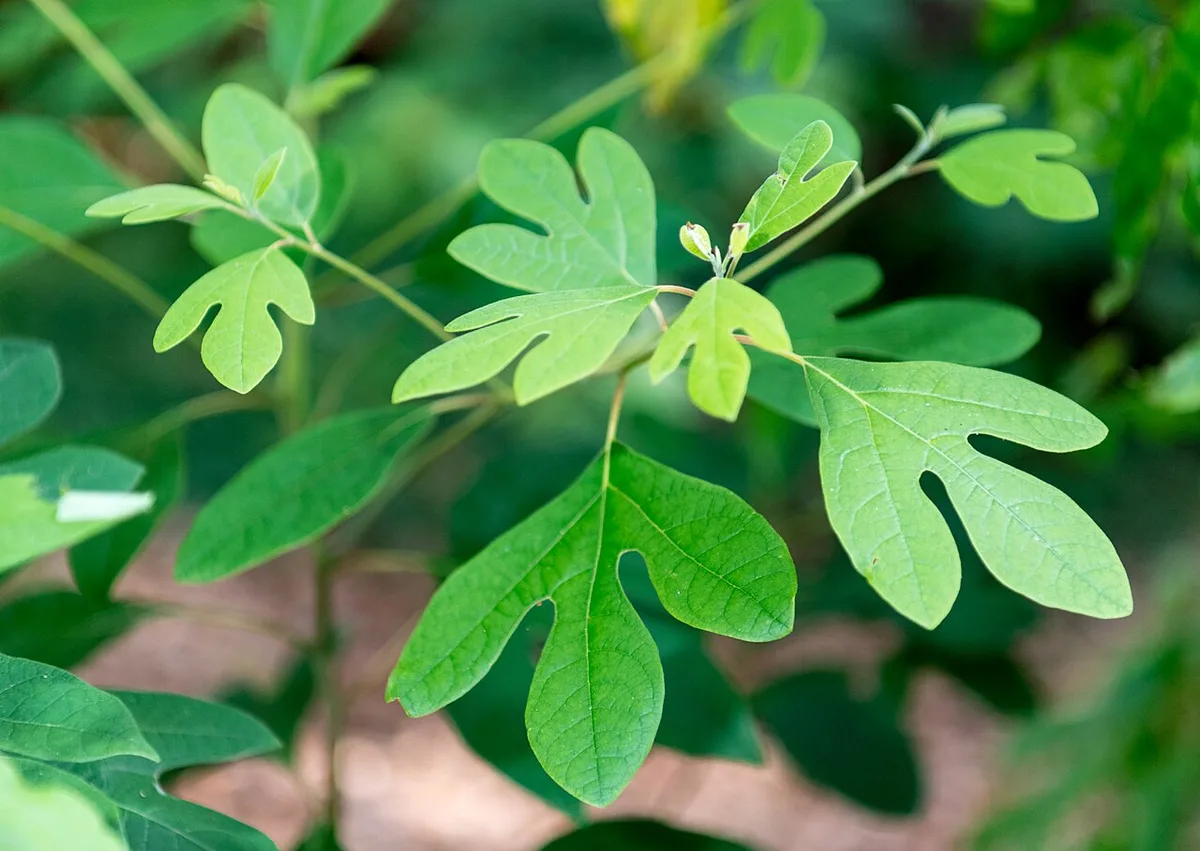
Distribution of sassafras
Distribution map
- Native
- Introduced
- Cultivated
Locally extinct or doubtful records are excluded from native and introduced layers.
Source:WCVP v16 · Royal Botanic Gardens, Kew · CC BY 3.0 · Boundaries:WGSRPD / TDWG
sassafras care guide
- Deep infrequent watering, well drained soil prevents waterlogging risk
- Watering
- Full sun · Partial shade
- Sunlight

Watering
Deep infrequent watering, well drained soil prevents waterlogging risk
Fertilizing
 Fertilizing
Deciduous tree slow-release fertilizer applied once each early spring
Pruning
 Pruning
Little pruning is needed. Remove diseased, damaged, crowded or crossing shoots and unwanted growth. Timing depends on the plant: generally late winter or early spring; plants prone to bleeding and deciduous magnolias need different timing, and deciduous azaleas and lilacs are pruned after flowering.
Propagation
 Propagation
Propagate by seed sown in containers in a cold frame as soon as ripe; take root cuttings in winter
Growing
 Growing
Not always an easy tree to please. Likes woodland conditions - deep, moist but well-drained, preferably acid soil in sun or dappled shade. Mature trees are hardy but young trees can suffer frost damage
Common pests and diseases
Diseases
Generally trouble free
Pests
Generally trouble free
Explore the plant health library →




