
Turkish hazel
Also known as: Information to be completed
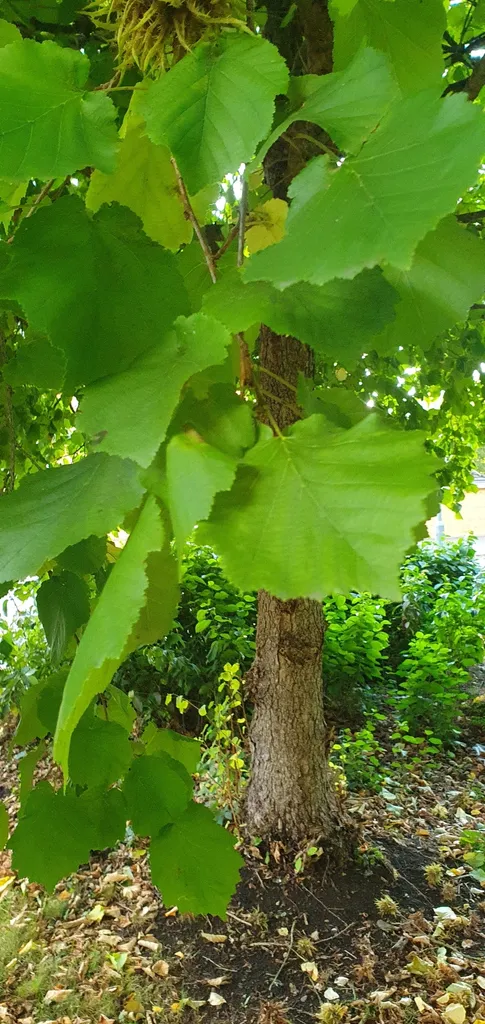
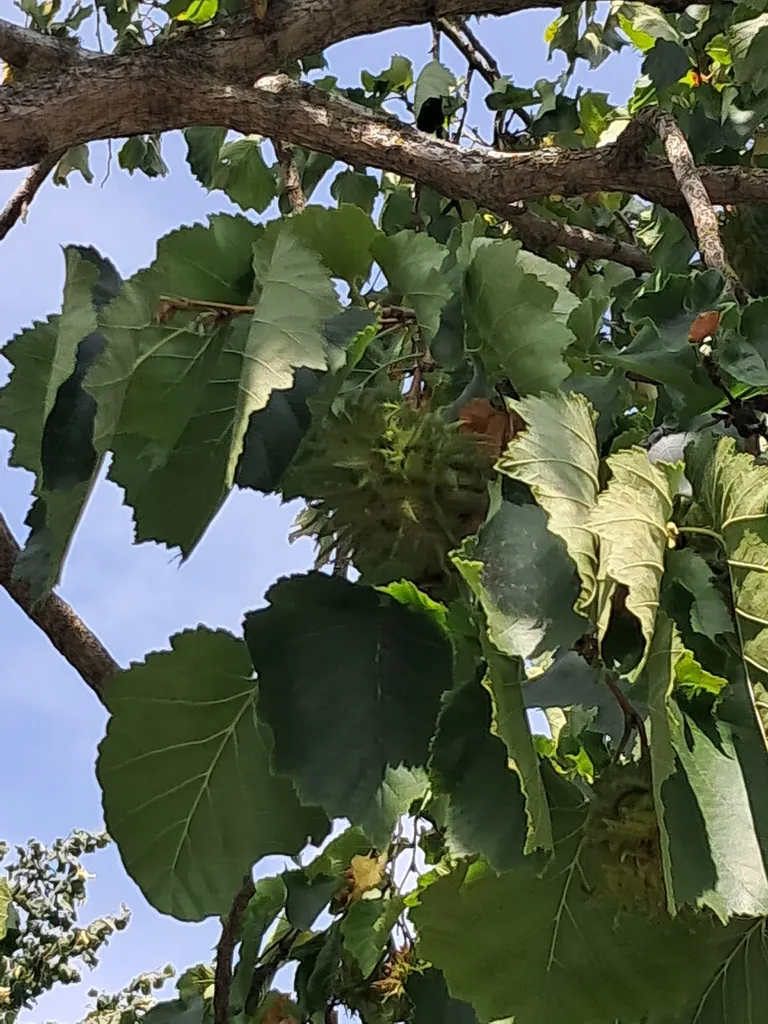
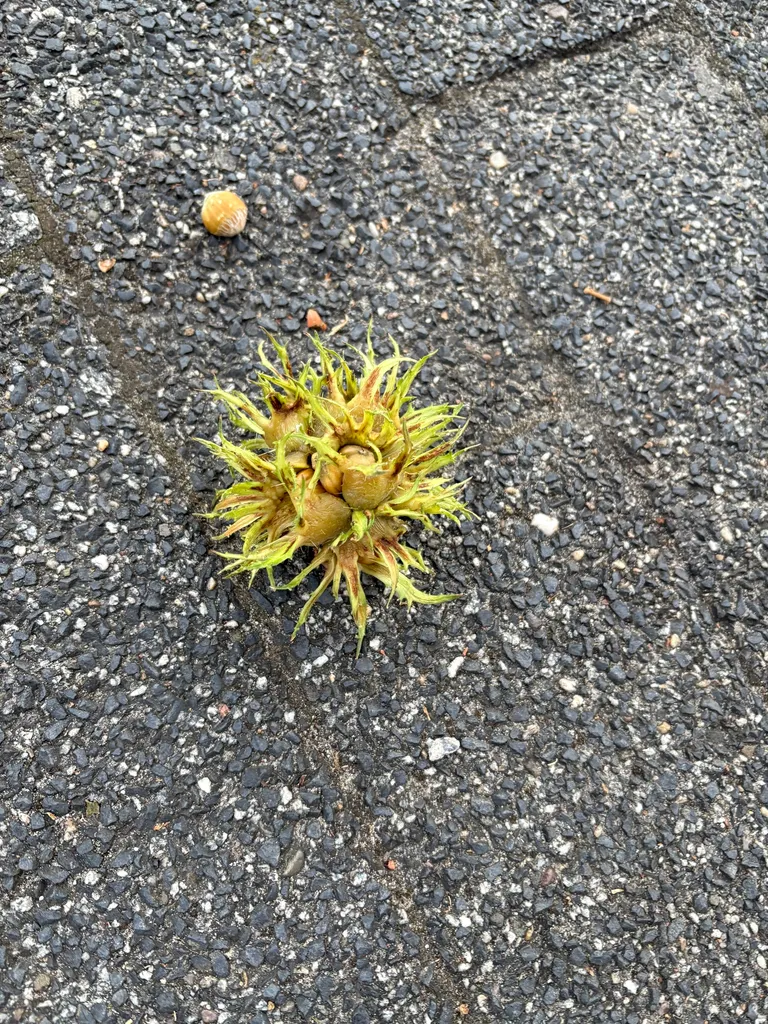
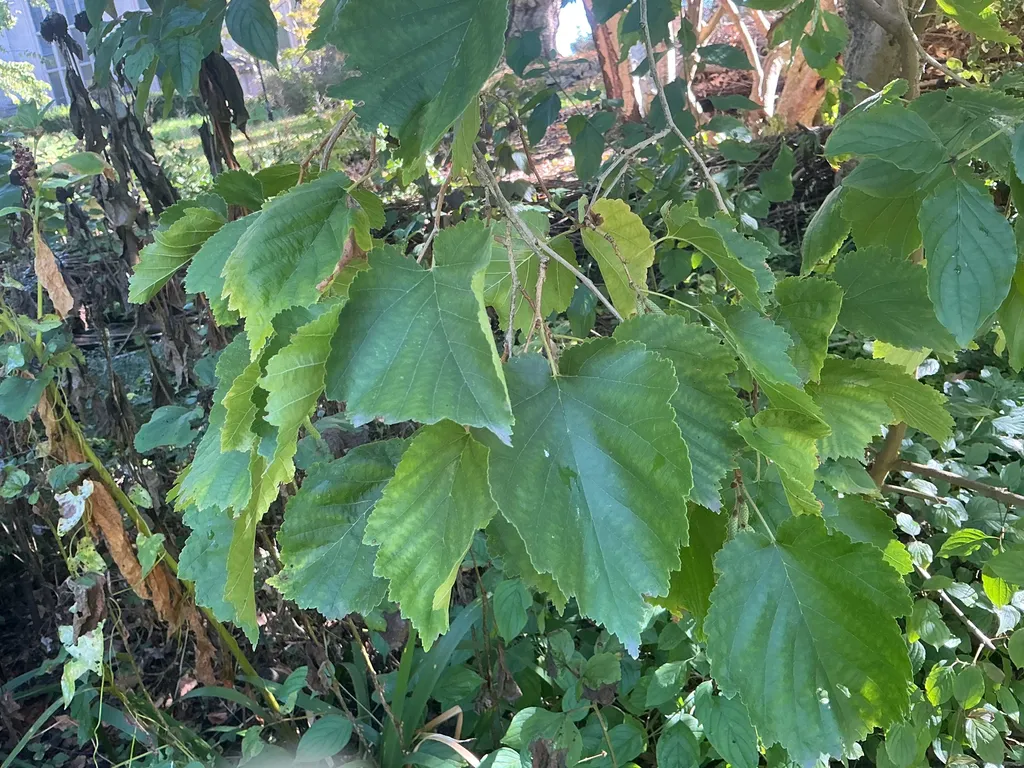
A medium-sized deciduous tree of symmetrical, conical habit, with slightly lobed broadly-ovate leaves. Pendulous yellow catkins to 8cm in length. Nuts held within a deeply fringed husk
Scientific classification
- Species
- Turkish hazel (Corylus colurna)
- Genus
- Corylus
- Family
- Betulaceae
- Information to be completed
- Toxicity
- Trees
- Plant type
- Higher than 12 metres
- Height
- wider than 8 metres
- Spread
- Deciduous
- Foliage
- Columnar upright
- Habit
- Spring · Summer · Autumn
- Season of interest
- Full sun · Partial shade
- Sunlight
- Information to be completed
- Ideal temperature









Turkish hazel pictures
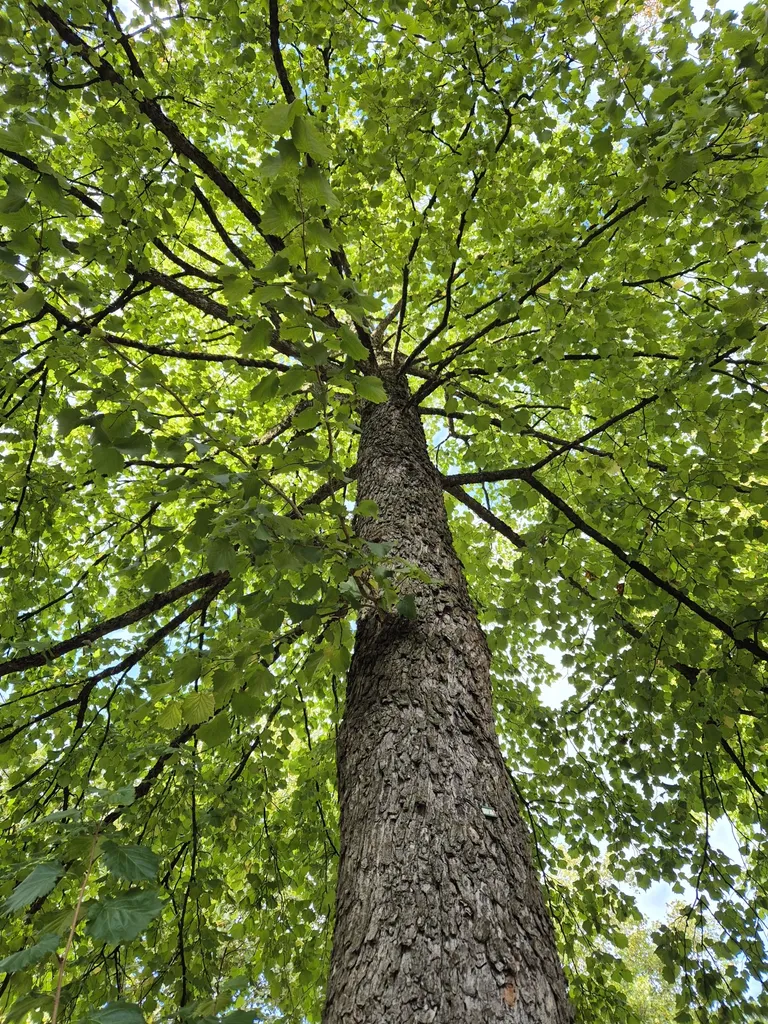
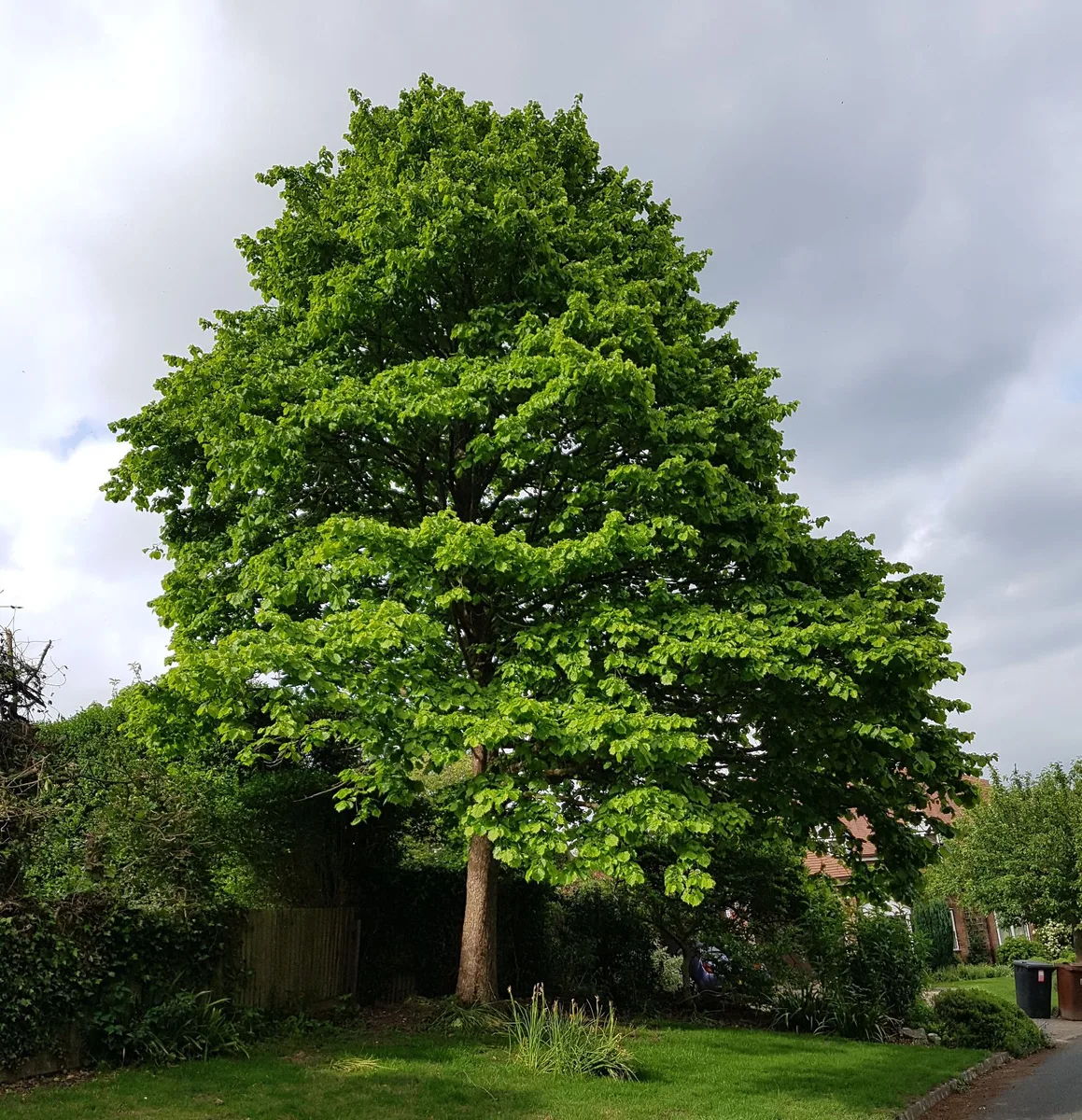
Distribution of Turkish hazel
Distribution map
Southeastern Europe, Western Asia
Information to be completed
Culture
Information to be completed
Toxicity
Information to be completed
Quick identification of Turkish hazel
Information to be completed
Turkish hazel care guide
- Moderate regular watering, allowing brief slight drying between soakings
- Watering
- Full sun · Partial shade
- Sunlight
- Information to be completed
- Ideal temperature

Watering
Moderate regular watering, allowing brief slight drying between soakings
Fertilizing
 Fertilizing
Balanced perennial feed every four weeks from spring through summer
Pruning
 Pruning
For colourful stems or large foliage, prune hard to a low framework. Let young plants establish for one to two years first. Prune in late winter or spring, before or as new growth starts.
Propagation
 Propagation
Propagate by seed or graft
Growing
 Growing
Grow in well-drained soil in sun or partial shade
People also ask
Information to be completed
Common pests and diseases
Diseases
May be susceptible to honey fungus, silver leaf and powdery mildews
Pests
May be be susceptible to caterpillars, gall mites, aphids and sawflies. Squirrels like to feed on the nuts
Explore the plant health library →




