
dragon's teeth
Also known as: wild Tom Thumbs
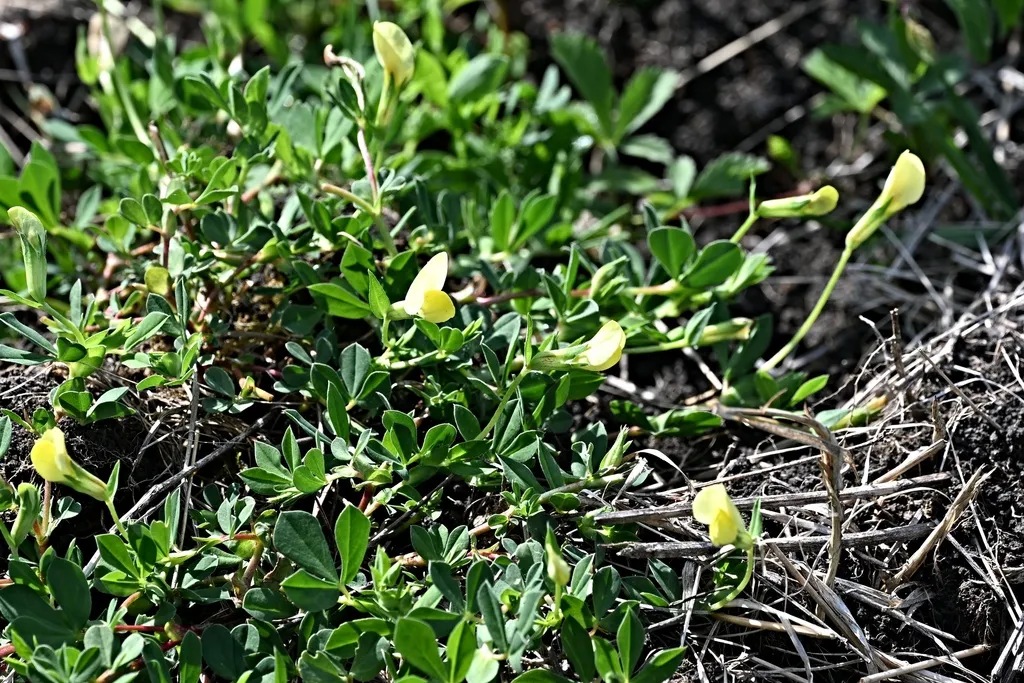
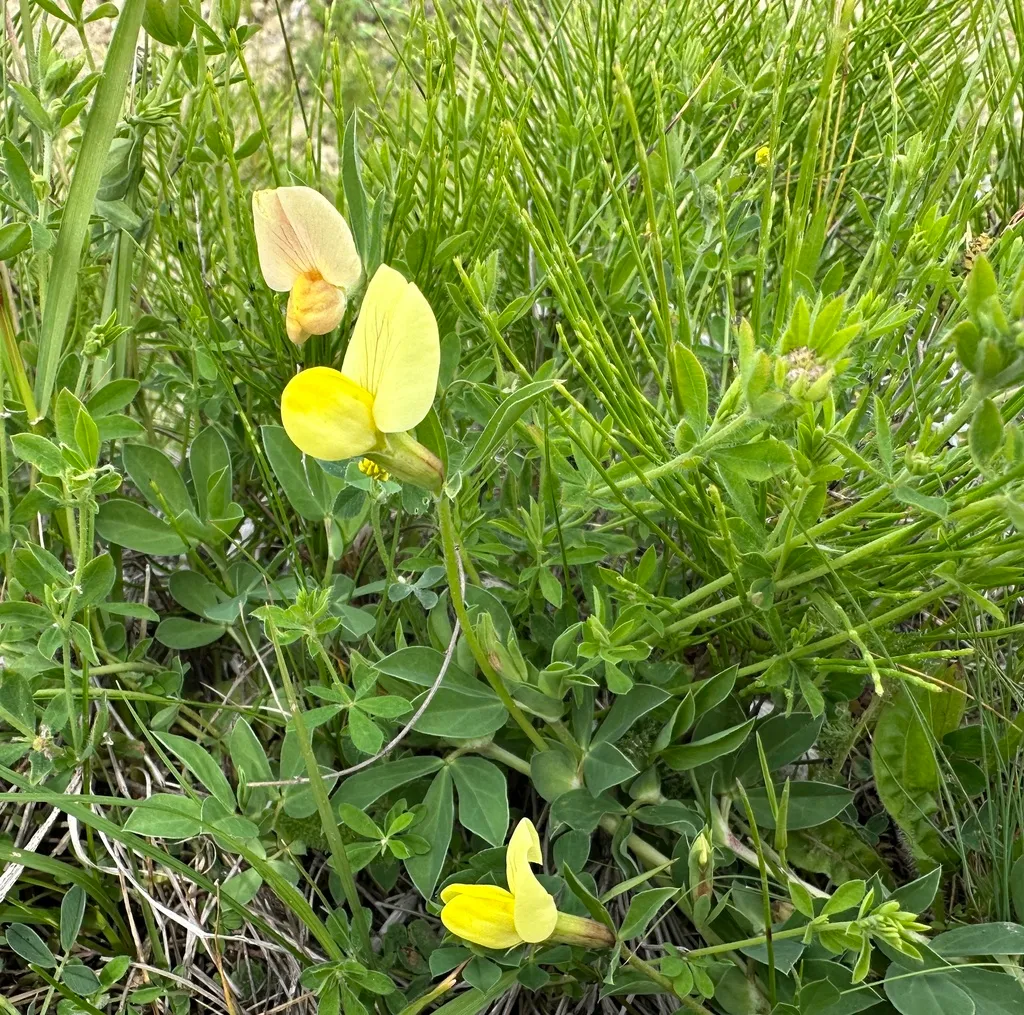
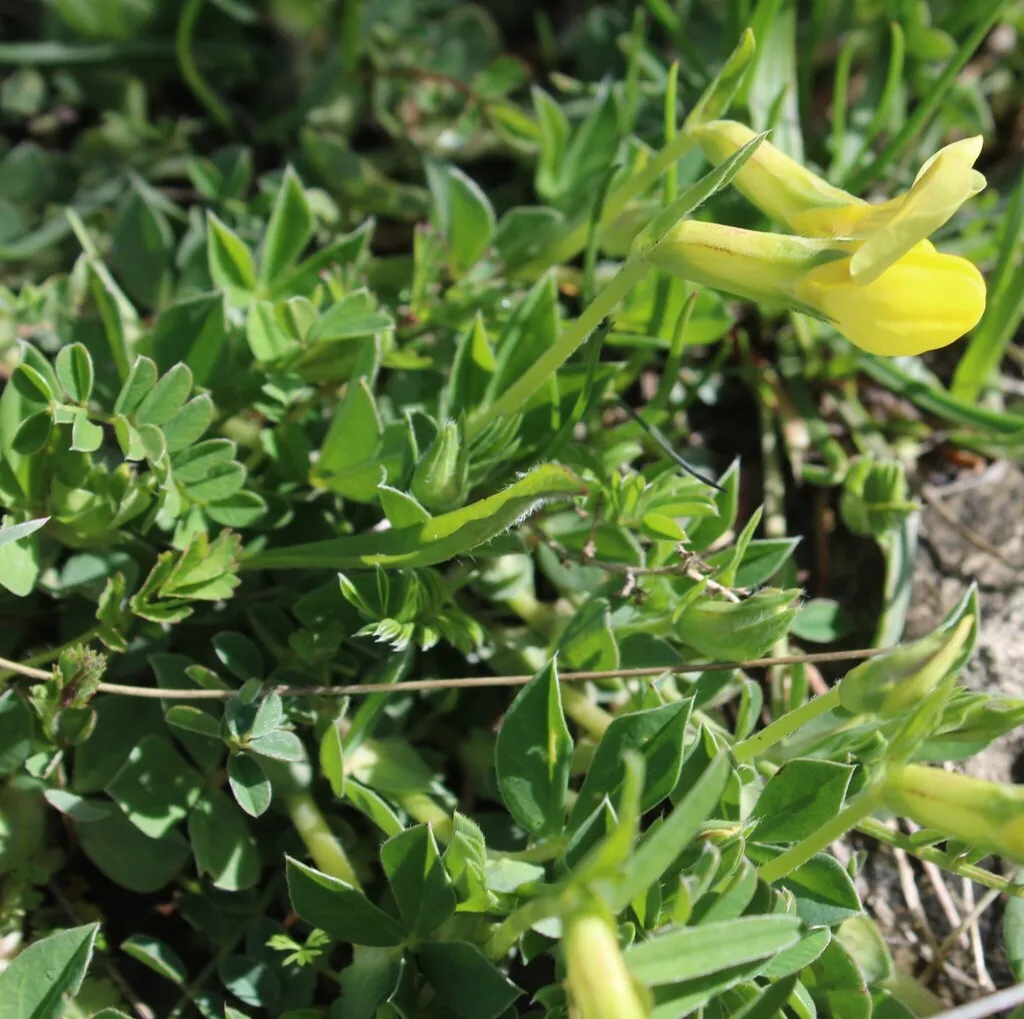
A low-growing perennial, with prostrate to ascending stems up to 30cm long. Leaves are slightly blue-green, and divided into five oval-shaped leaflets, with three held upright and two clasping the stem. Pale yellow, pea-like flowers are produced at the tips of the stems in late spring and early summer
Scientific classification
- Species
- dragon's teeth (Lotus maritimus)
- Genus
- Lotus
- Family
- Fabaceae
- Order
- Fabales
- Class
- Magnoliopsida
- Phylum
- Magnoliophyta
- Information to be completed
- Toxicity
- Information to be completed
- Plant type
- Information to be completed
- Height
- Information to be completed
- Spread
- Deciduous
- Foliage
- Trailing
- Habit
- Spring · Summer
- Season of interest
- Full sun · Partial shade
- Sunlight
- Information to be completed
- Ideal temperature









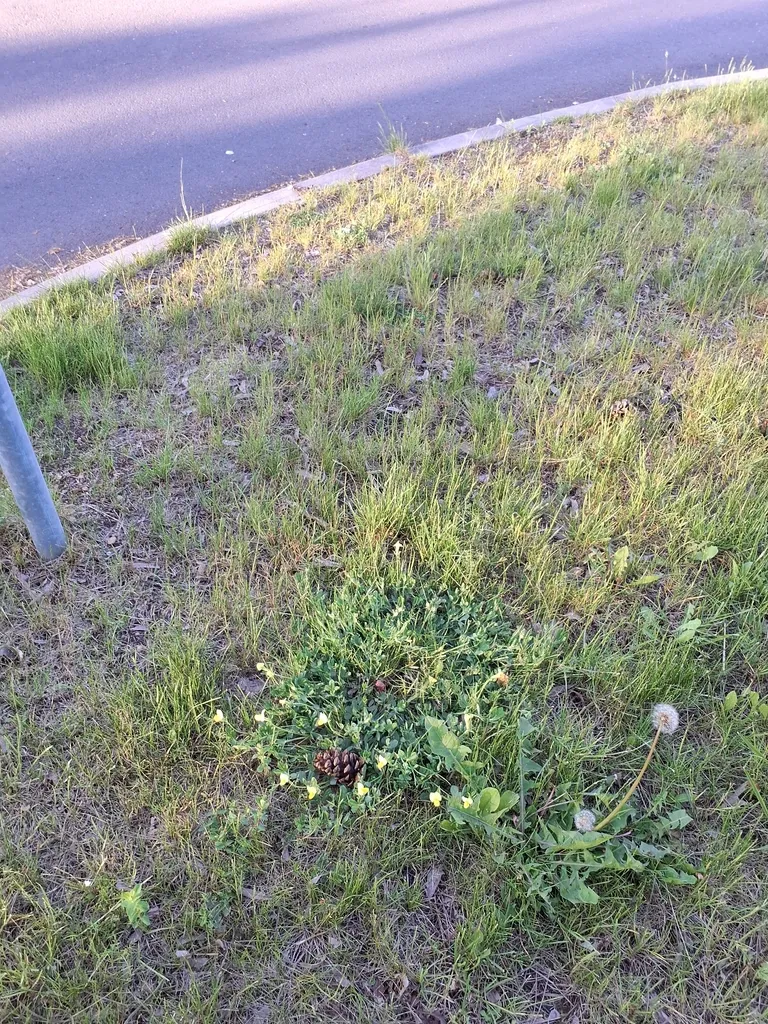
dragon's teeth pictures
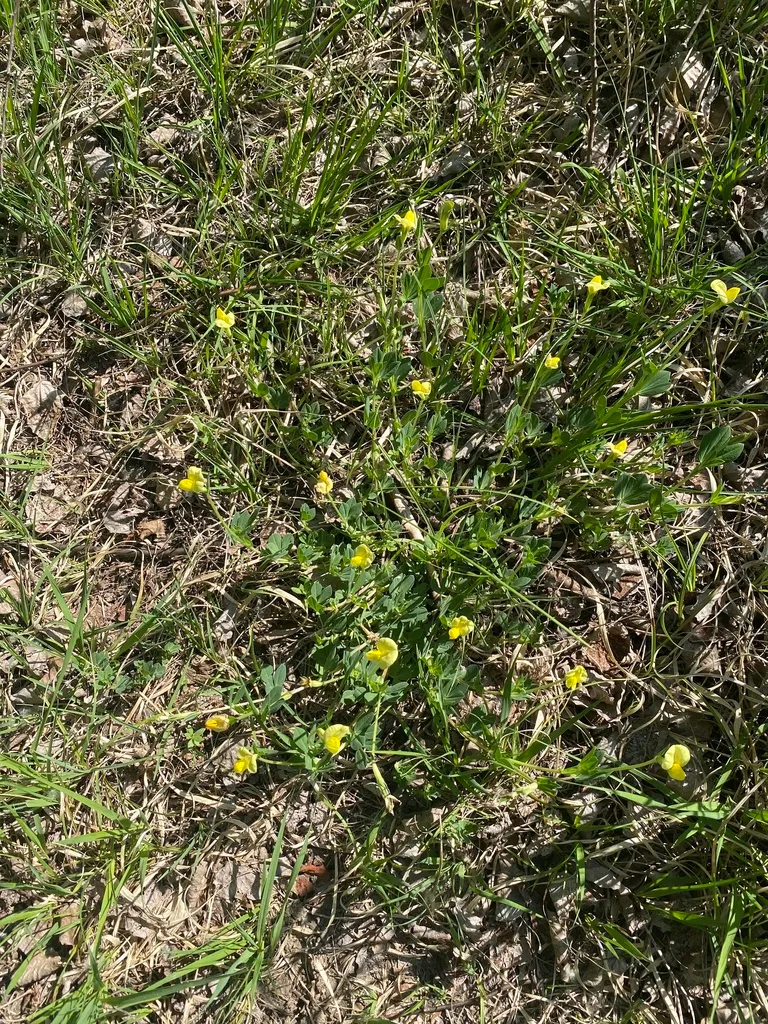
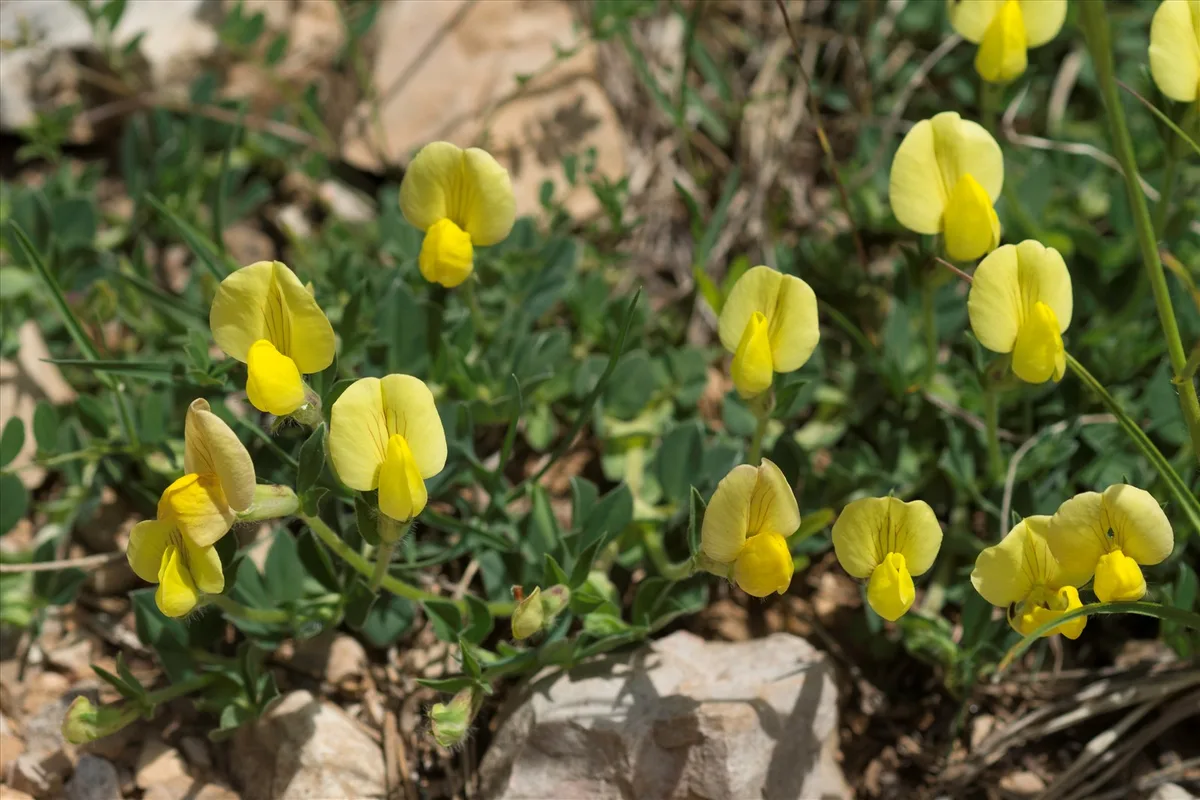
dragon's teeth care guide
- Constantly moist soil or shallow water coverage around root system
- Watering
- Full sun · Partial shade
- Sunlight

Watering
Constantly moist soil or shallow water coverage around root system
Fertilizing
 Fertilizing
Aquatic legume tablet fertilizer inserted monthly into mud substrate
Pruning
 Pruning
Cut back stems to near the base after flowering
Propagation
 Propagation
Propagate by seed
Growing
 Growing
Thrives in a sunny spot in moist but well-drained soil, will tolerate part shade but flowering is best in full sun. Drought and salt tolerant. Ideal for a sunny wall or rock garden
Common pests and diseases
Diseases
May be susceptible to powdery mildews, downy mildews and rust diseases
Pests
May be susceptible to leaf miners, thrips and several moth caterpillars, including lackey moth larvae
Explore the plant health library →




