
lavender mint
Also known as: Information to be completed
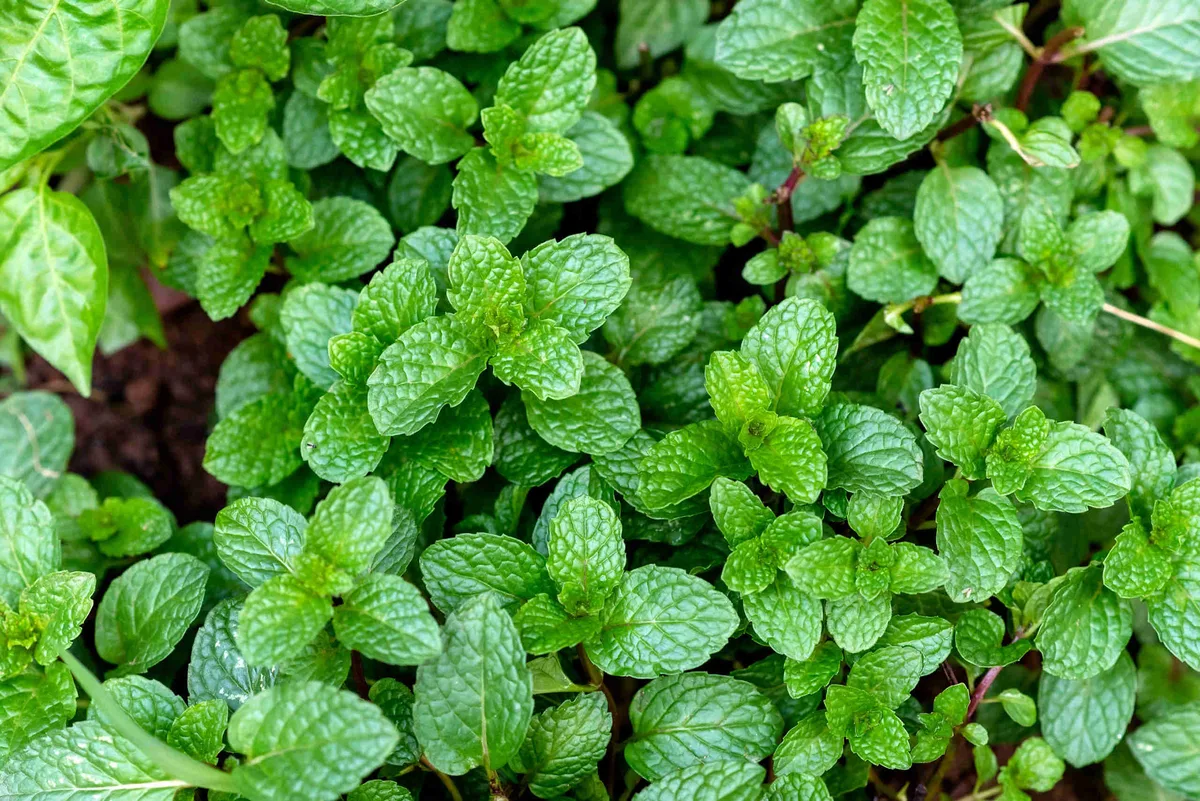
A rhizomatous, deciduous perennial with edible lavender-scented, rounded dark green leaves with a purple and orange blush, and pale purple to pink flowers which appear in the summer
Scientific classification
- Species
- lavender mint (Mentha [Lavender Mint])
- Genus
- Mentha
- Family
- Lamiaceae
- Information to be completed
- Toxicity
- Herbaceous Perennial · Herbs - Culinary
- Plant type
- 0.5-1 metres
- Height
- 1-1.5 metres
- Spread
- Deciduous
- Foliage
- Suckering
- Habit
- Spring · Summer · Autumn
- Season of interest
- Full sun · Partial shade
- Sunlight
- Information to be completed
- Ideal temperature









lavender mint pictures
Distribution of lavender mint
Distribution map
Information to be completed
Information to be completed
Culture
Information to be completed
Toxicity
Information to be completed
Quick identification of lavender mint
Information to be completed
lavender mint care guide
- Moderate regular watering, allowing brief slight drying between soakings
- Watering
- Full sun · Partial shade
- Sunlight
- Information to be completed
- Ideal temperature

Watering
Moderate regular watering, allowing brief slight drying between soakings
Fertilizing
 Fertilizing
Balanced perennial feed every four weeks from spring through summer
Pruning
 Pruning
Cut back at the end of the growing season
Propagation
 Propagation
Propagate by planting portions of rhizome any any time during the growing season; pot these up until they are established. Root-tip cuttings can be taken in spring
Growing
 Growing
Grow in poor, moist soil in full sun. May have to potential to become a nuisance; plant in deep containers and plunge these into the soil to restrict growth. See mint cultivation for further details
People also ask
Information to be completed
Common pests and diseases
Diseases
May be susceptible to powdery mildews and a rust, especially during drought
Pests
May be susceptible to green mint beetle, blue mint beetle, mint moth and sage leaf hopper
Explore the plant health library →




