
Erica andevalensis
Also known as: Information to be completed
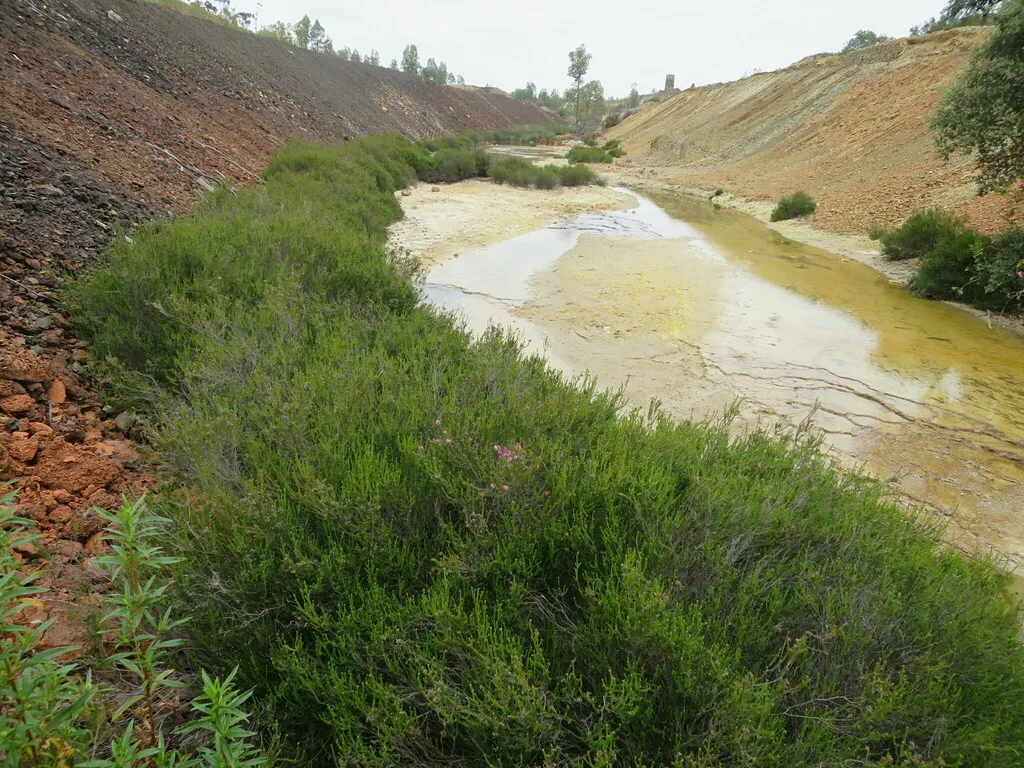
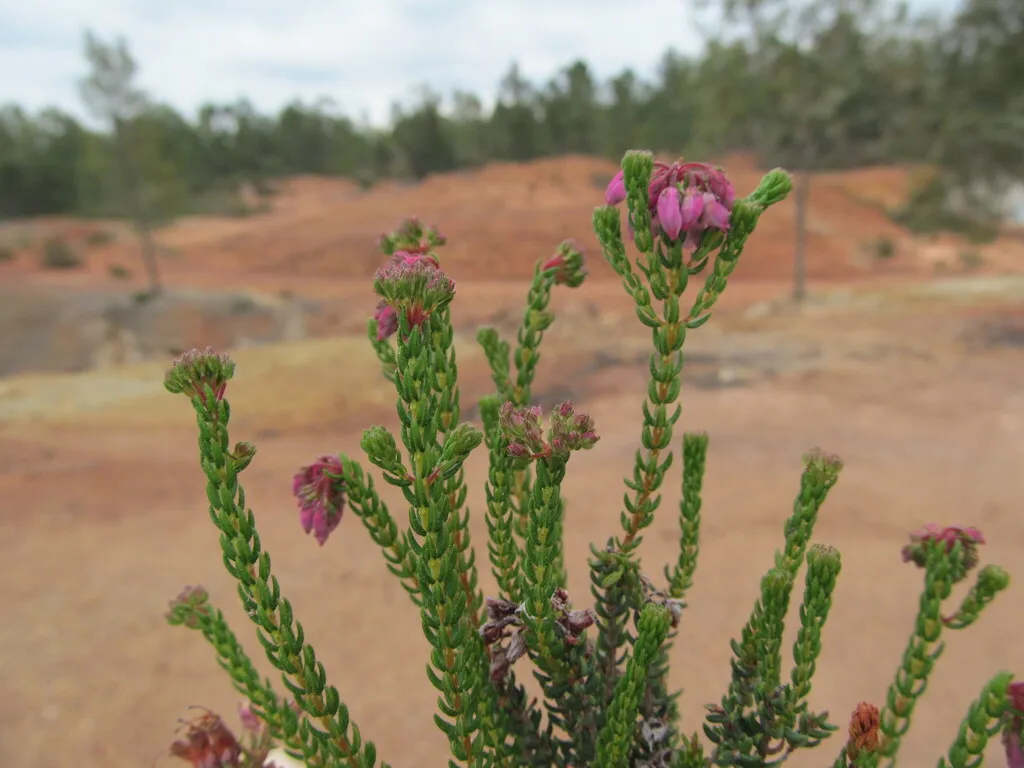
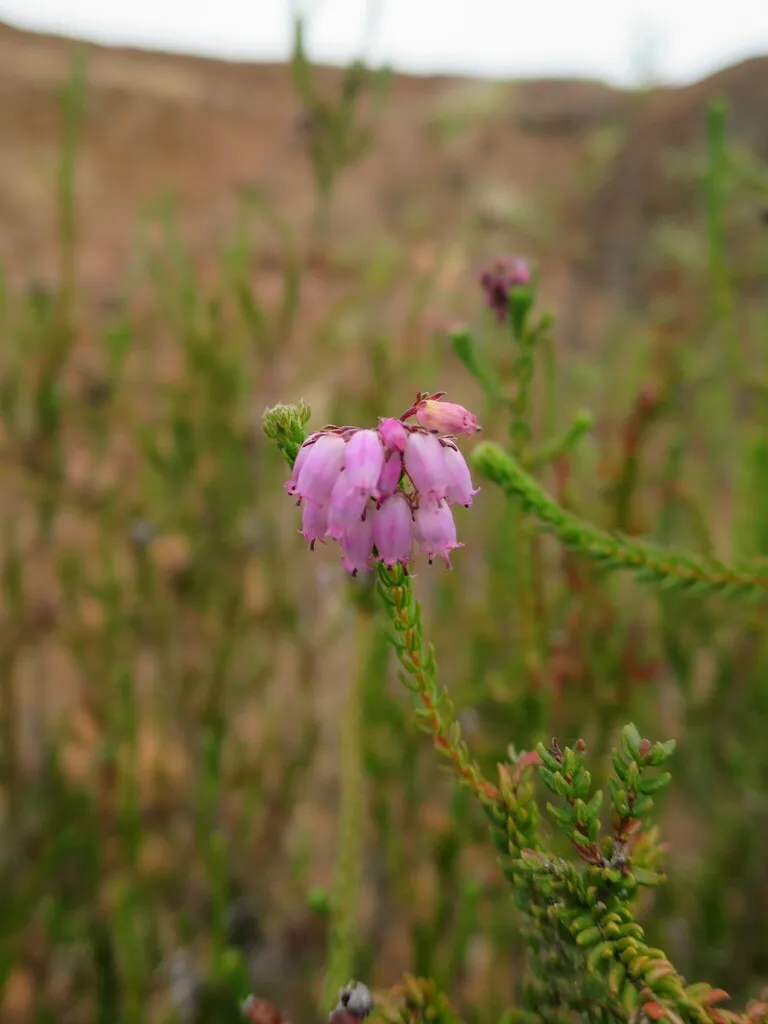
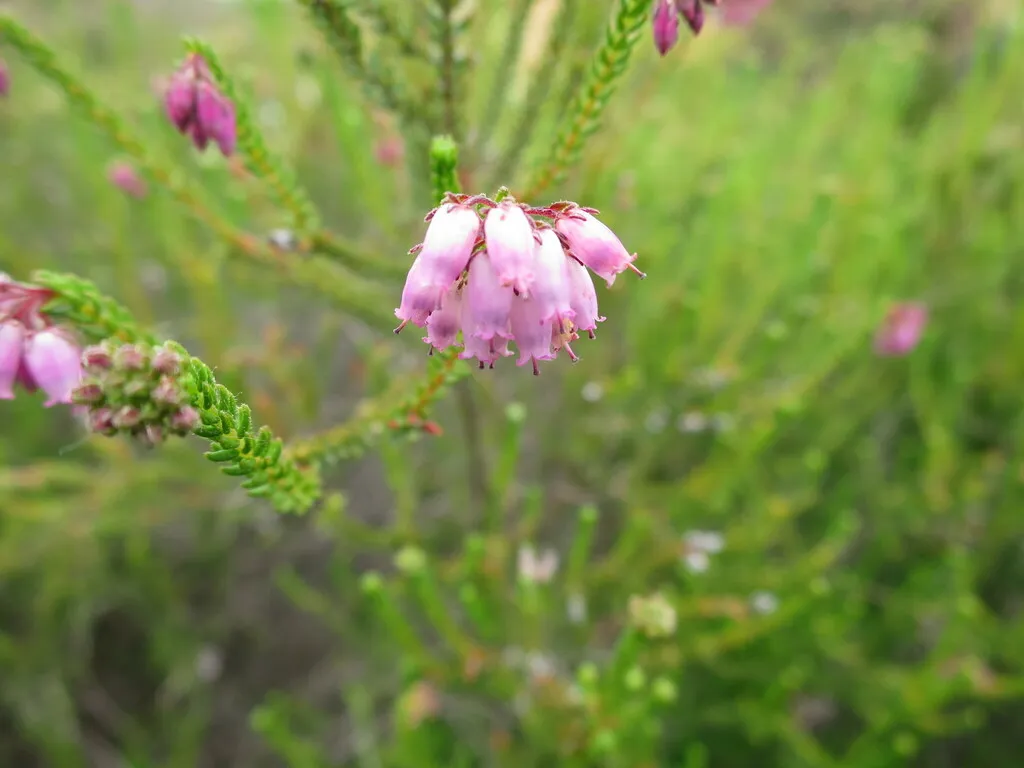
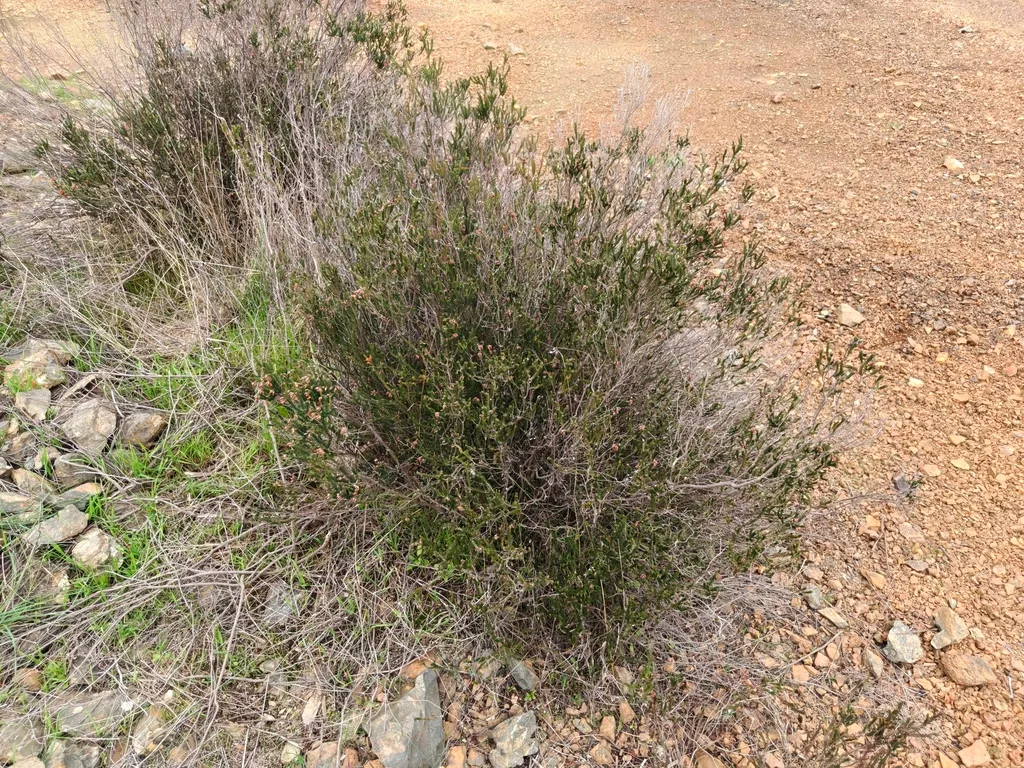
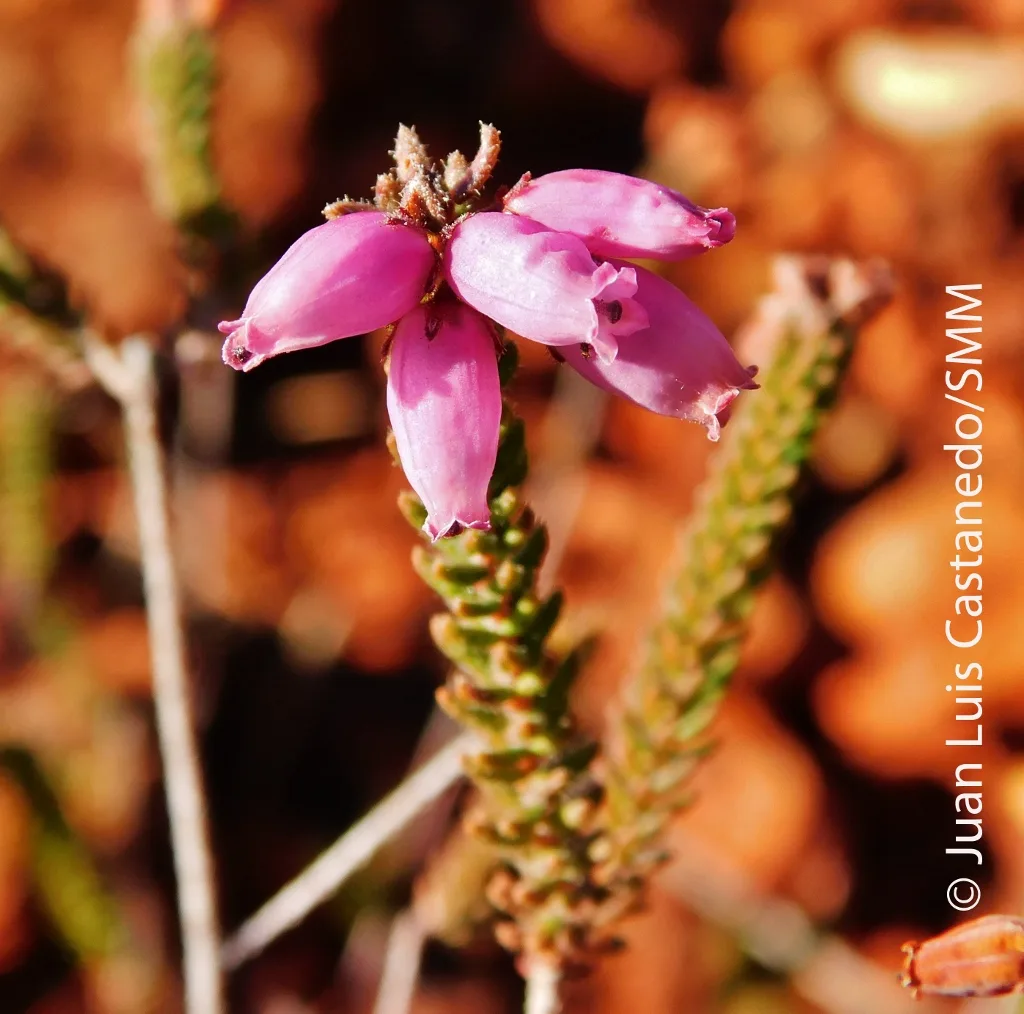
An upright, twiggy, evergreen shrub to about 1.5m, with tiny, dark green leaves in whorls of four. Terminal clusters of small, tubular, dark pink flowers appear from mid-summer to early autumn. Tolerates difficult conditions including soil pollution and temporary flooding
Scientific classification
- Species
- Erica andevalensis (Erica andevalensis)
- Genus
- Erica
- Family
- Ericaceae
- Information to be completed
- Toxicity
- Shrubs
- Plant type
- 1-1.5 metres
- Height
- 0.5-1 metres
- Spread
- Evergreen
- Foliage
- Bushy
- Habit
- Spring · Summer · Autumn · Winter
- Season of interest
- Full sun
- Sunlight
- Information to be completed
- Ideal temperature









Erica andevalensis pictures
Distribution of Erica andevalensis
Distribution map
Spain and Portugal
Information to be completed
Culture
Information to be completed
Toxicity
Information to be completed
Quick identification of Erica andevalensis
Information to be completed
Erica andevalensis care guide
- Light regular watering, acidic soil should stay mildly moist and airy
- Watering
- Full sun
- Sunlight
- Information to be completed
- Ideal temperature

Watering
Light regular watering, acidic soil should stay mildly moist and airy
Fertilizing
 Fertilizing
Acidic heather feed every four weeks spring through early autumn months
Pruning
 Pruning
Prune lightly as needed to remove unwanted shoots and keep the shrub in shape. Prune in mid- to late spring.
Propagation
 Propagation
Propagate by semi-hardwood cuttings in mid- or late summer
Growing
 Growing
Grows best in well-drained, neutral to acid soil in full sun. See Hardy heathers for more detailed advice
People also ask
Information to be completed
Common pests and diseases
Diseases
May be susceptible to fungal diseases, including honey fungus (rarely), and Phytophthora root rot, in wet conditions
Pests
Generally pest-free
Explore the plant health library →




