
buffalo currant
Also known as: clove currant; Missouri currant
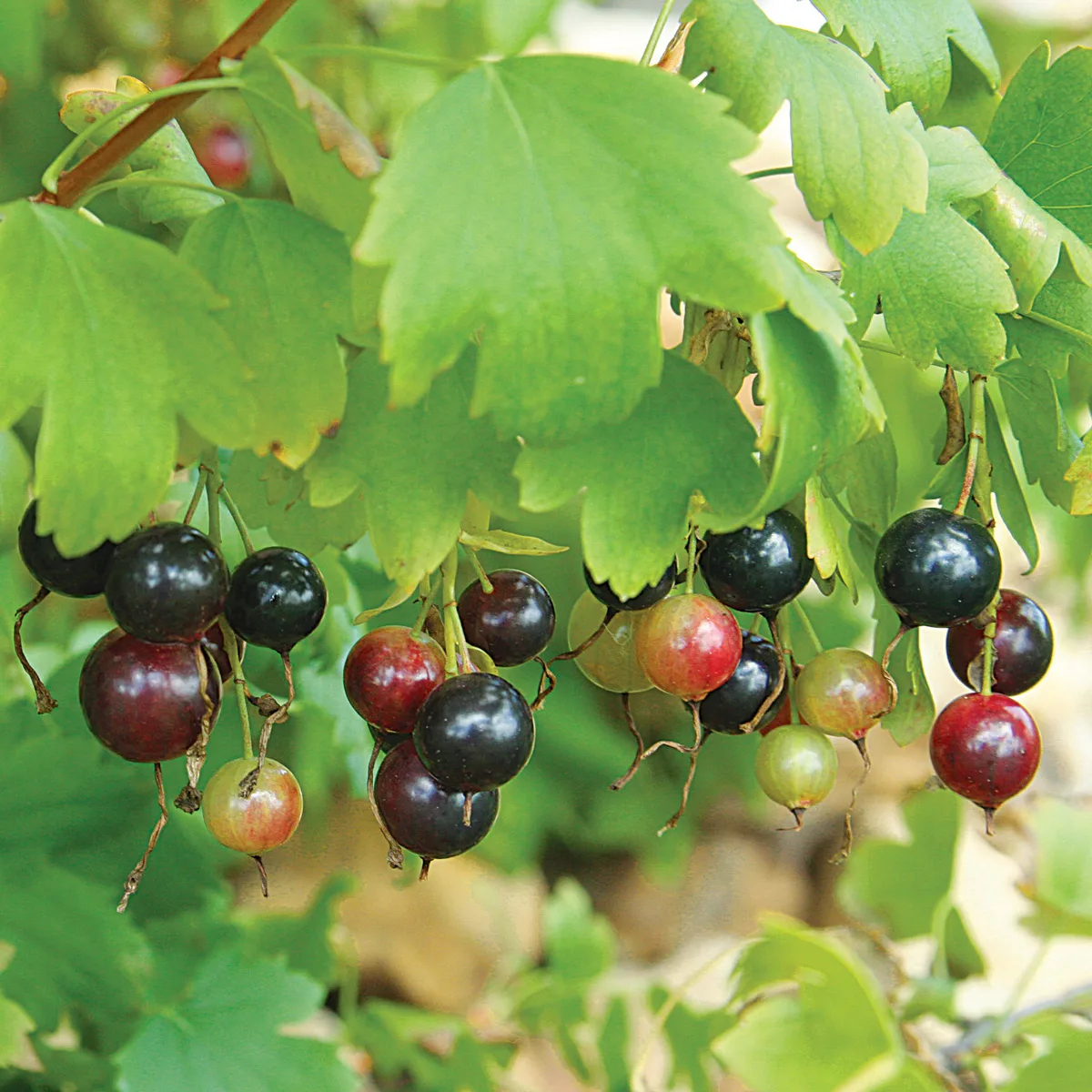
R. odoratum is a spineless, upright shrub with hairy young shoots. Broadly ovate, 3-5 lobed, toothed bright green leaves turn red and purple in in autumn. In mid and late spring tubular fragrant yellow flowers are borne in pendent racemes 5cm long. Spherical black fruits follow
Scientific classification
- Species
- buffalo currant (Ribes odoratum)
- Genus
- Ribes
- Family
- Grossulariaceae
- Information to be completed
- Toxicity
- Shrubs
- Plant type
- 1.5-2.5 metres
- Height
- 1.5-2.5 metres
- Spread
- Deciduous
- Foliage
- Bushy
- Habit
- Spring · Summer · Autumn
- Season of interest
- Full sun
- Sunlight
- Information to be completed
- Ideal temperature









buffalo currant pictures
Distribution of buffalo currant
Distribution map
Central USA
Information to be completed
Culture
Information to be completed
Toxicity
Information to be completed
Quick identification of buffalo currant
Information to be completed
buffalo currant care guide
- Moderate deep watering during dry periods, free drainage preferred
- Watering
- Full sun
- Sunlight
- Information to be completed
- Ideal temperature

Watering
Moderate deep watering during dry periods, free drainage preferred
Fertilizing
 Fertilizing
Balanced shrub feed once in spring
Pruning
 Pruning
Cut flowered growth back to strong young shoots below, removing up to a fifth of old stems near the base each year. Prune immediately after flowering.
Propagation
 Propagation
Propagate by hardwood cuttings in winter
Growing
 Growing
Grow in moderately fertile well-drained soil in full sun
People also ask
Information to be completed
Common pests and diseases
Diseases
May be susceptible to a leaf spot, powdery mildews, coral spot and sometimes honey fungus
Pests
May be susceptible to gall mites, gall midge and aphids
Explore the plant health library →




