
cornflower
Also known as: barbeau; blaver; blue blaw; blue bonnets; blue bow; blue sailors; blue tops; break-your-spectacles; brushes; bunk; corn binks; corn centaury; cornbottle; French pink; happy skies; haw dods; hurtsickle; ragged sailor; bachelor's buttons; blawort; blue poppy; bluebottle; bluets; ragged robin; witches' bells
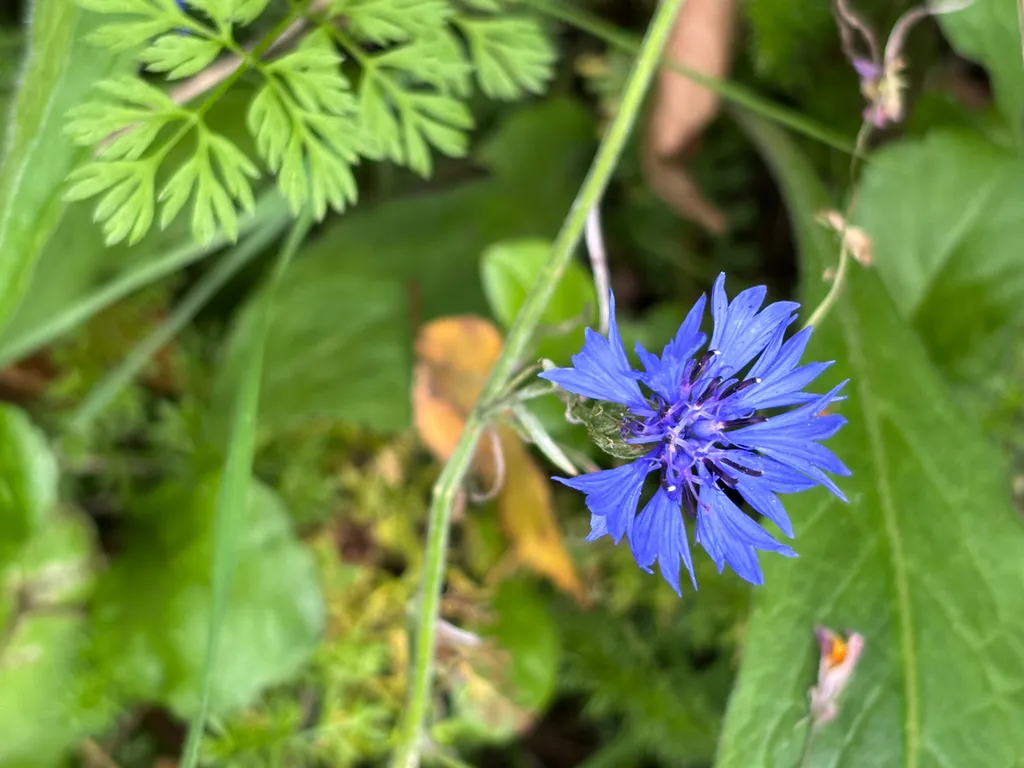
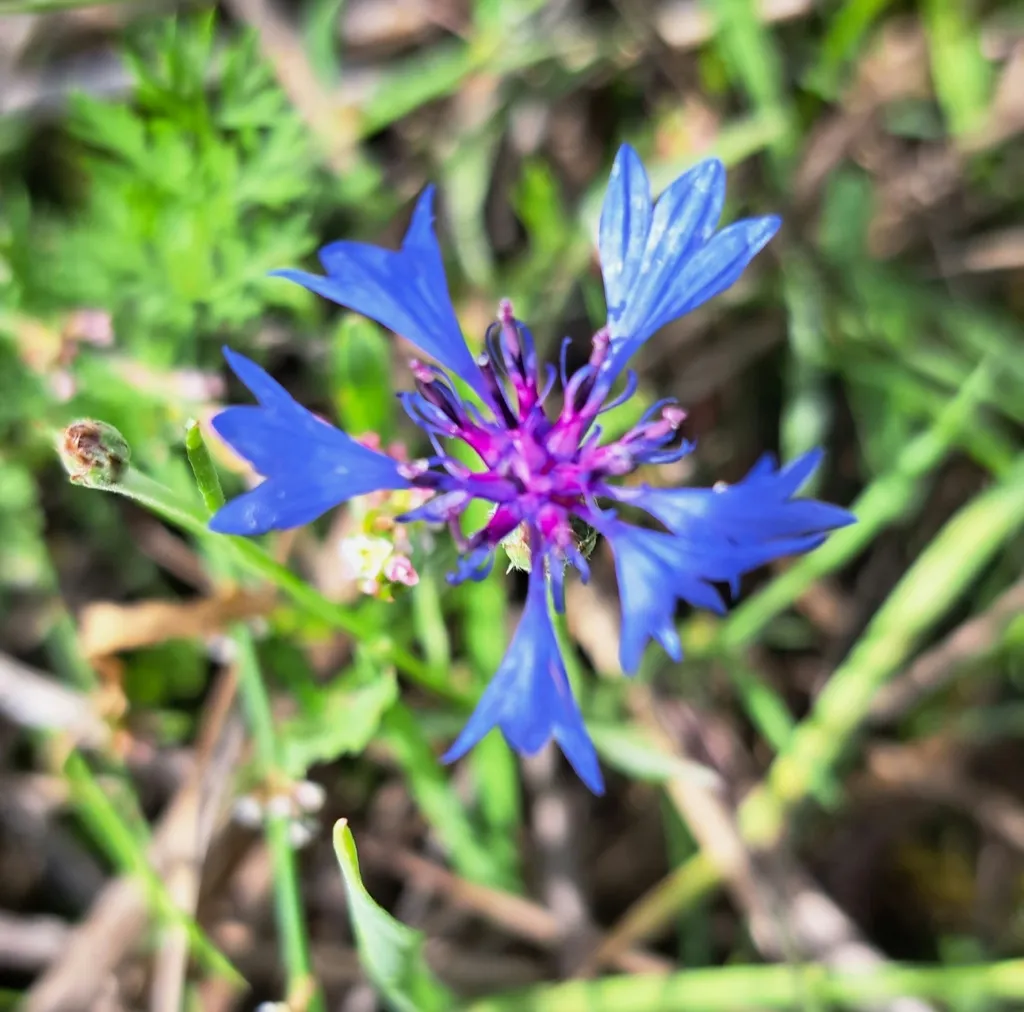
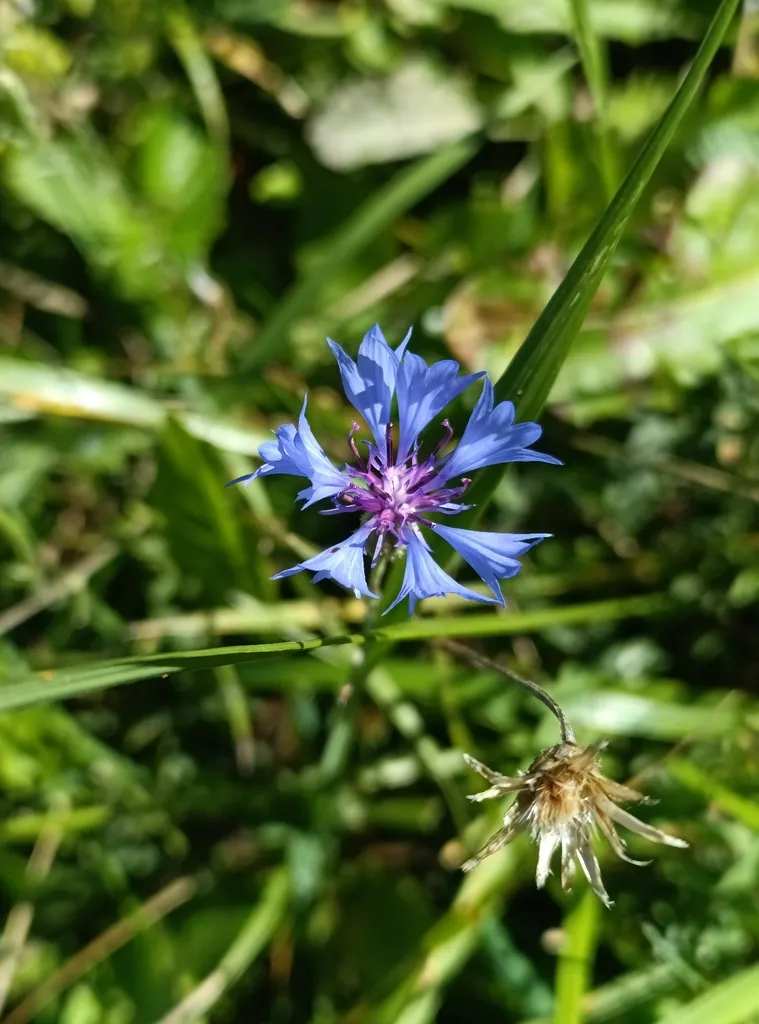
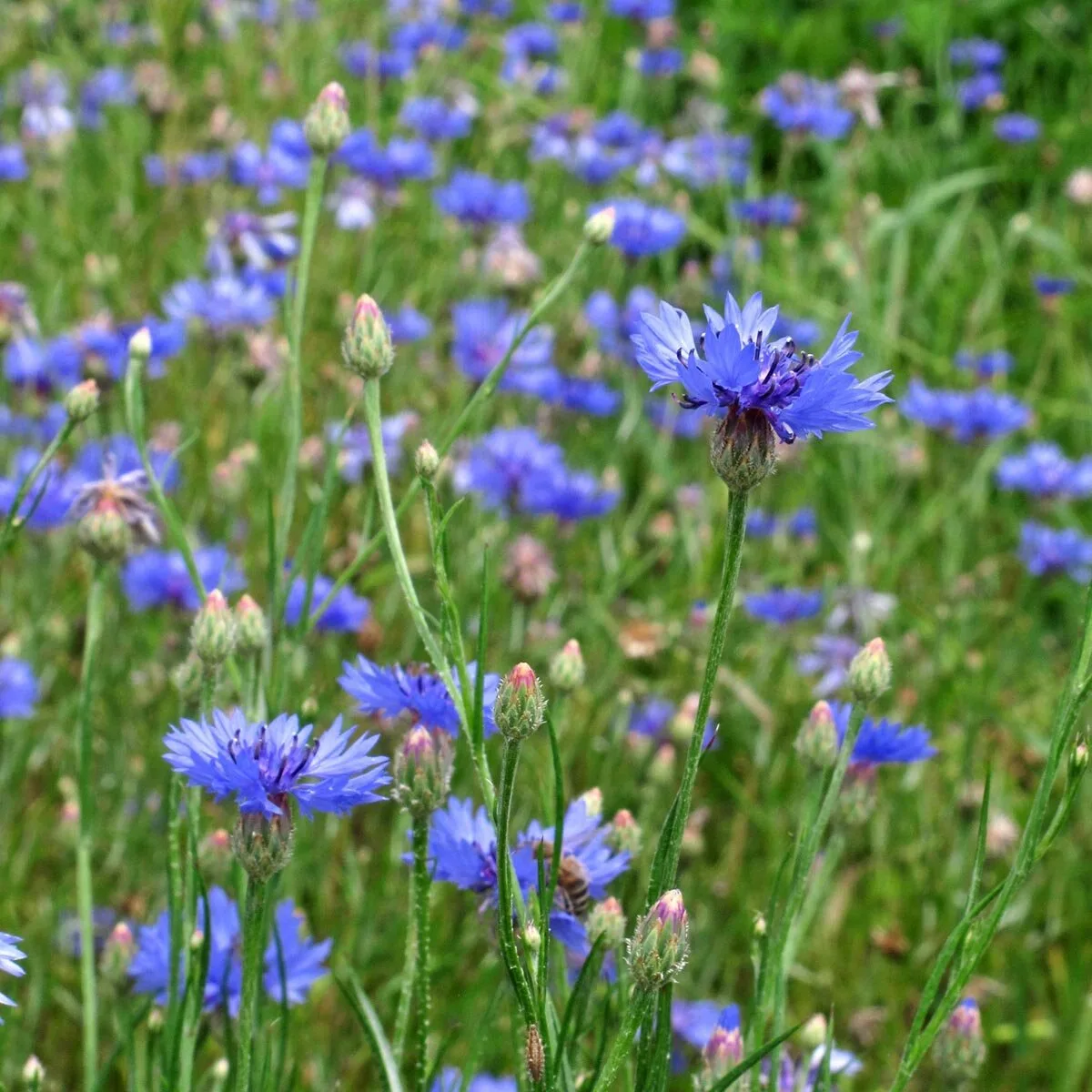
Upright annual to 75cm, with simple or slightly lobed leaves and solitary deep blue flower-heads 3-4cm across in late spring and summer
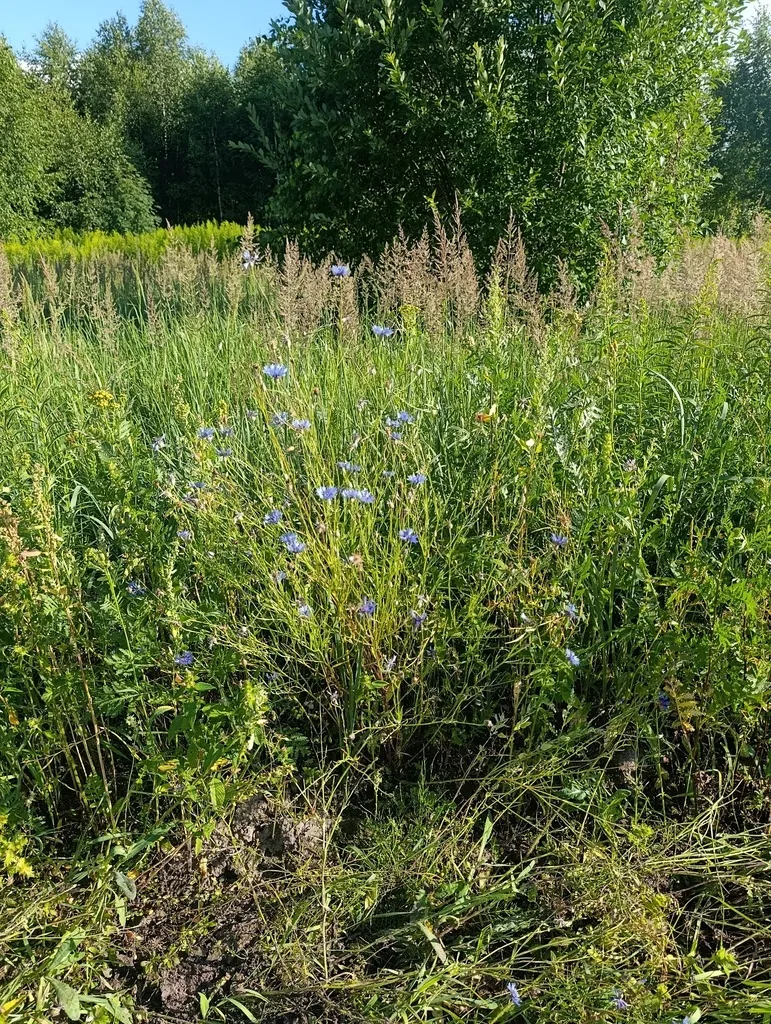
Scientific classification
- Species
- cornflower (Centaurea cyanus)
- Genus
- Centaurea
- Family
- Asteraceae
- Information to be completed
- Toxicity
- Annual Biennial
- Plant type
- 0.5-1 metres
- Height
- 0.1-0.5 metres
- Spread
- Deciduous
- Foliage
- Clump forming
- Habit
- Spring · Summer
- Season of interest
- Full sun
- Sunlight
- Information to be completed
- Ideal temperature









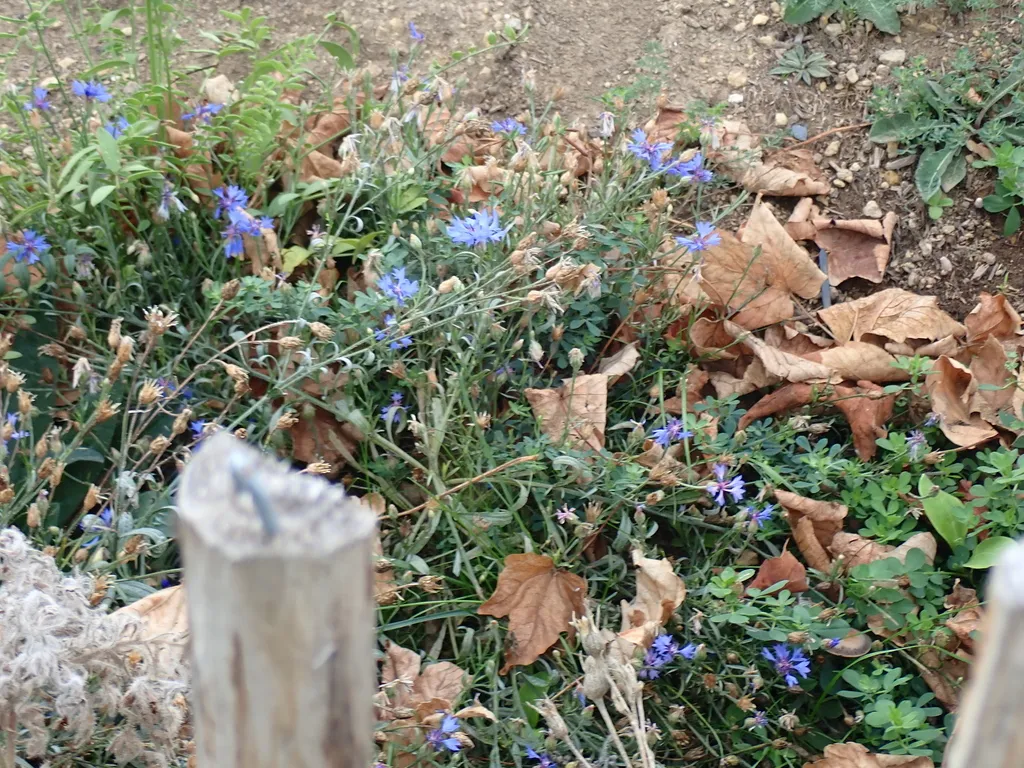
cornflower pictures
Distribution of cornflower
Distribution map
Northern Termperate regions
Information to be completed
Culture
Information to be completed
Toxicity
Information to be completed
Quick identification of cornflower
Information to be completed
cornflower care guide
- Moderate regular watering, allowing brief slight drying between soakings
- Watering
- Full sun
- Sunlight
- Information to be completed
- Ideal temperature

Watering
Moderate regular watering, allowing brief slight drying between soakings
Fertilizing
 Fertilizing
Balanced perennial feed every four weeks from spring through summer
Pruning
 Pruning
Deadhead regularly to prolong flowering
Propagation
 Propagation
Propagate by seed sown in-situ in spring or autumn
Growing
 Growing
Grow in well-drained soil in full sun
People also ask
Information to be completed
Common pests and diseases
Diseases
May be susceptible to Powdery mildews
Pests
Generally pest-free
Explore the plant health library →




