
woolly blue violet
Also known as: common blue violet; Confederate violet; northern blue violet
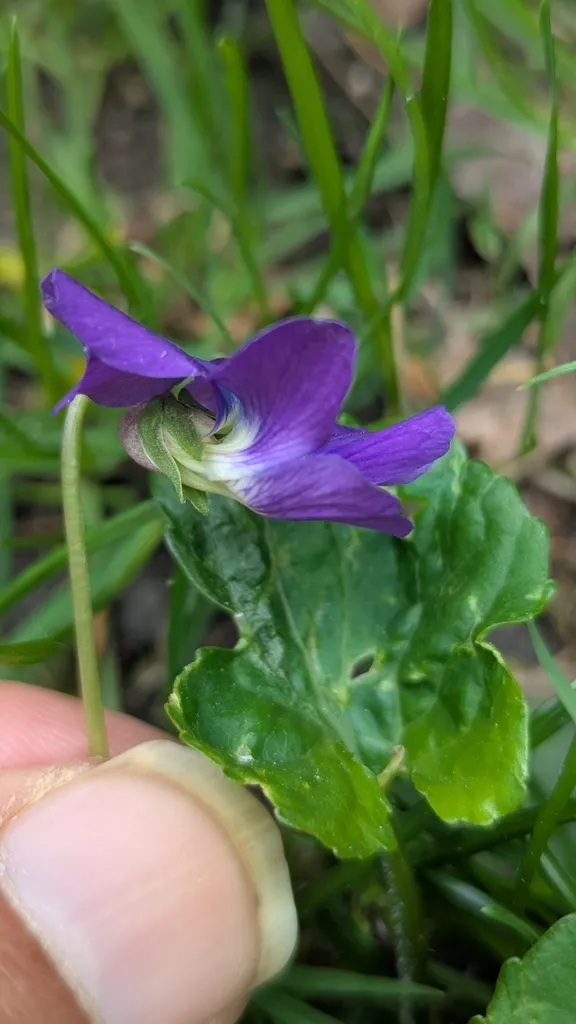
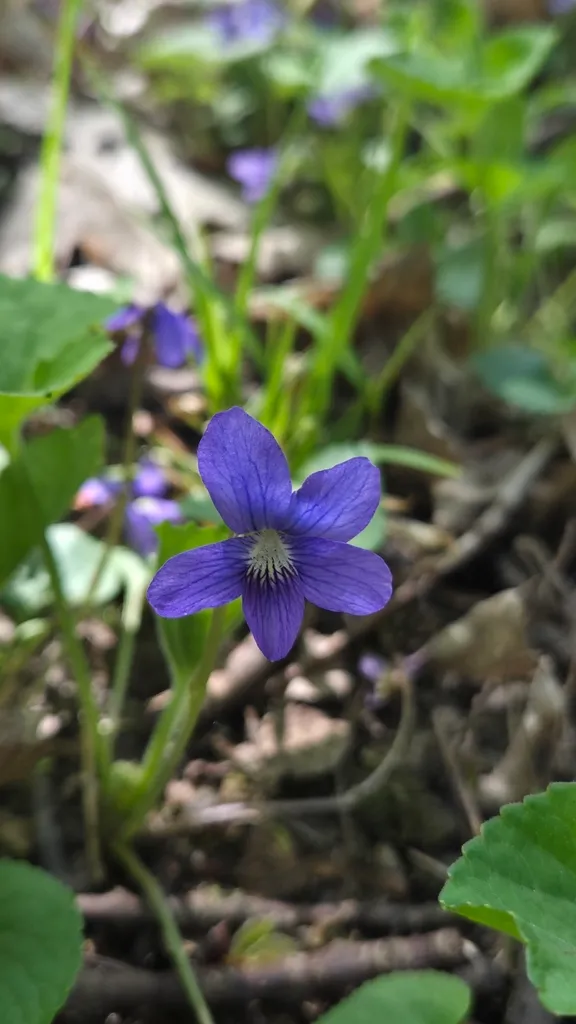
a stemless, rhizomatous perennial to 15cm tall with deciduous, heart-shaped leaves to 10cm long. Short-spurred, violet-blue flowers to 2cm in diameter are borne on leafless stalks in spring
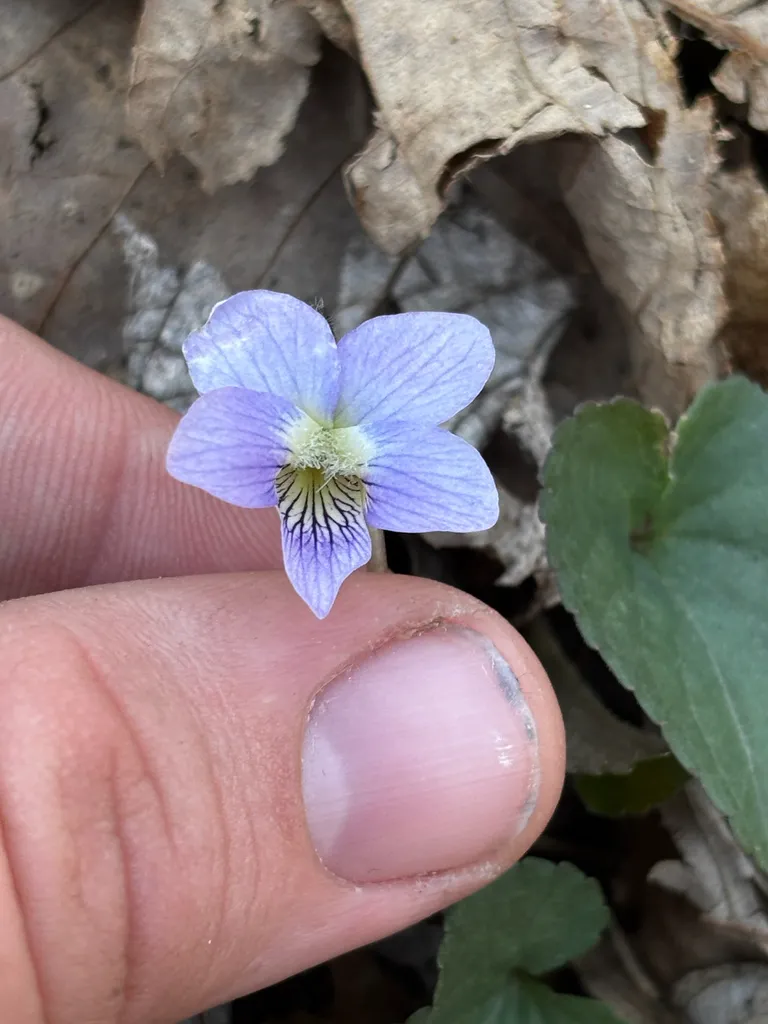
Scientific classification
- Species
- woolly blue violet (Viola sororia)
- Genus
- Viola
- Family
- Violaceae
- Information to be completed
- Toxicity
- Herbaceous Perennial
- Plant type
- 0.1-0.5 metres
- Height
- 0.1-0.5 metres
- Spread
- Deciduous
- Foliage
- Bushy
- Habit
- Spring · Summer
- Season of interest
- Full sun · Partial shade
- Sunlight
- Information to be completed
- Ideal temperature









woolly blue violet pictures
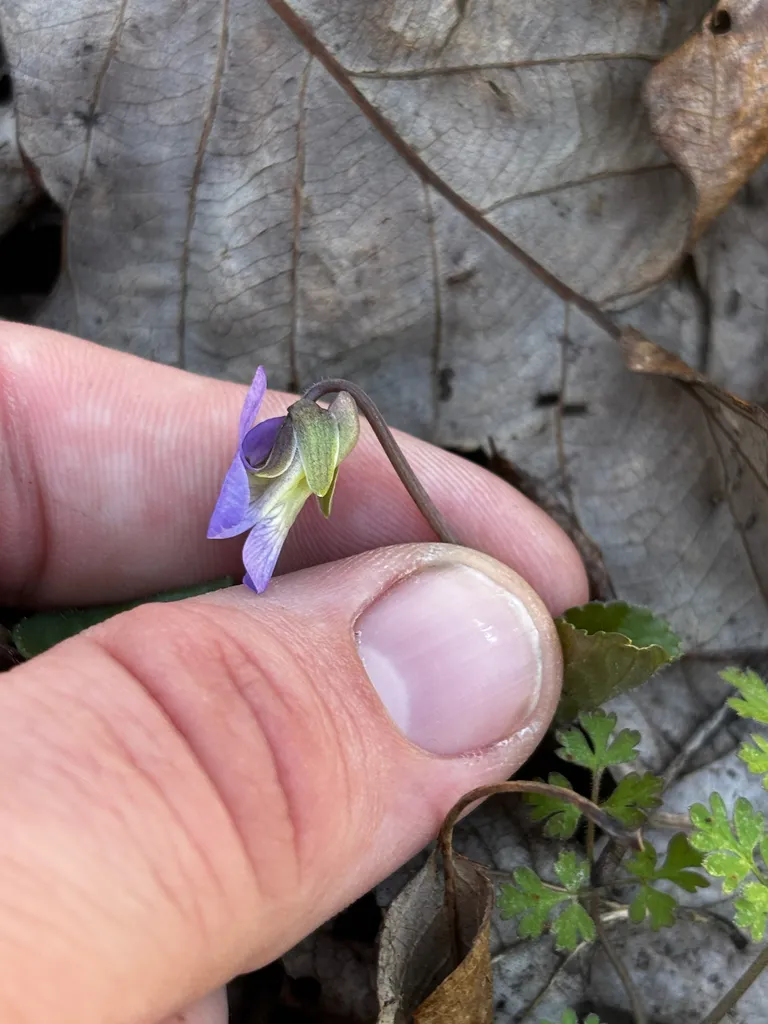
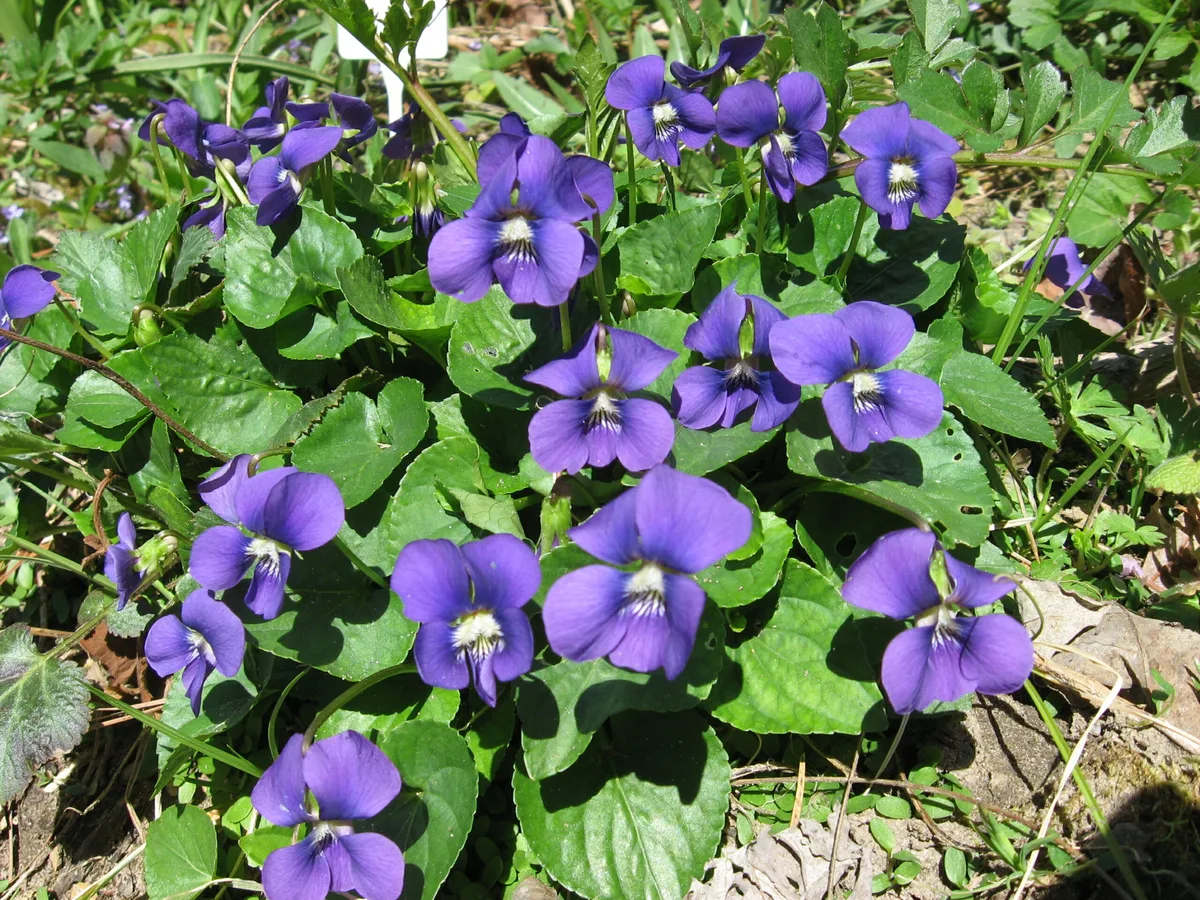
Distribution of woolly blue violet
Distribution map
Eastern North America
Information to be completed
Culture
Information to be completed
Toxicity
Information to be completed
Quick identification of woolly blue violet
Information to be completed
woolly blue violet care guide
- Moderate regular watering, allowing brief slight drying between soakings
- Watering
- Full sun · Partial shade
- Sunlight
- Information to be completed
- Ideal temperature

Watering
Moderate regular watering, allowing brief slight drying between soakings
Fertilizing
 Fertilizing
Balanced perennial feed every four weeks from spring through summer
Pruning
 Pruning
Deadhead to prolong flowering unless seed is required
Propagation
 Propagation
Propagate by seed sown in late winter or early spring
Growing
 Growing
Grow in fertile, humus-rich, moist but well-drained soil in full sun or partial shade; self seeds freely
People also ask
Information to be completed
Common pests and diseases
Diseases
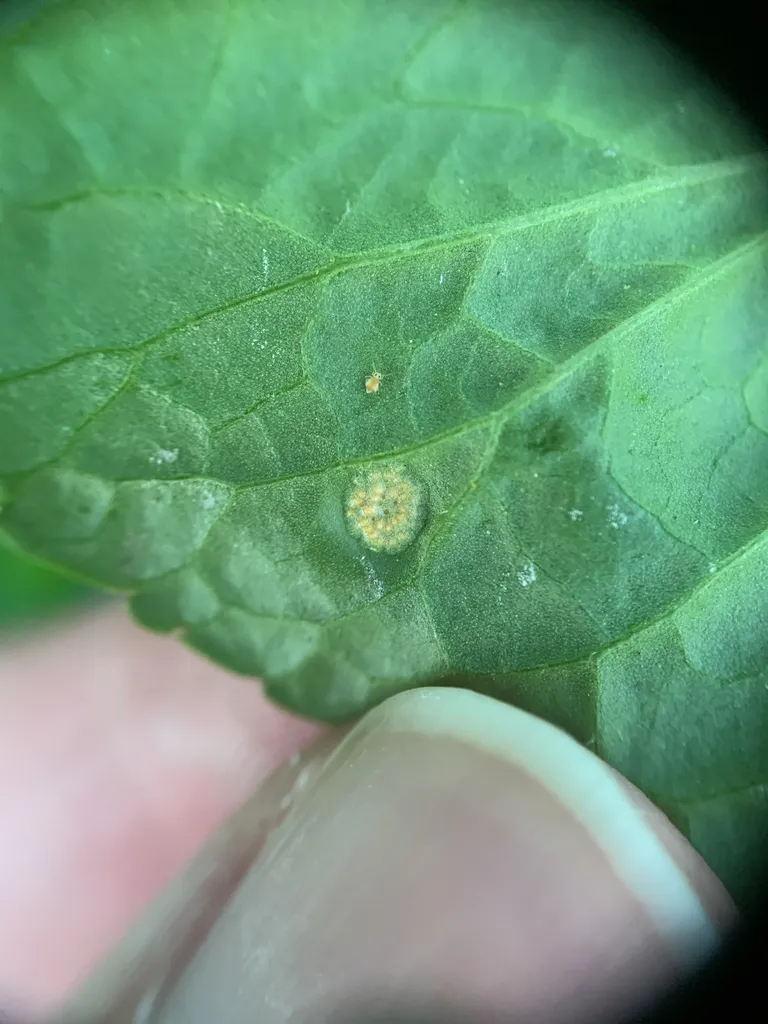
May be subject to powdery mildews, pansy leaf spot, a virus and a rust
Pests
May be attacked by slugs, snails, aphids, glasshouse red spider mite, violet gall midge
Explore the plant health library →




