
Stokes' aster
Also known as: cornflower aster
A perennial with basal, lance-shaped leaves up to 20cm long forming an evergreen rosette. Upright stems to around 50cm tall with shorter, stem-clasping leaves bear cornflower-like purple-blue flowerheads in summer and early autumn
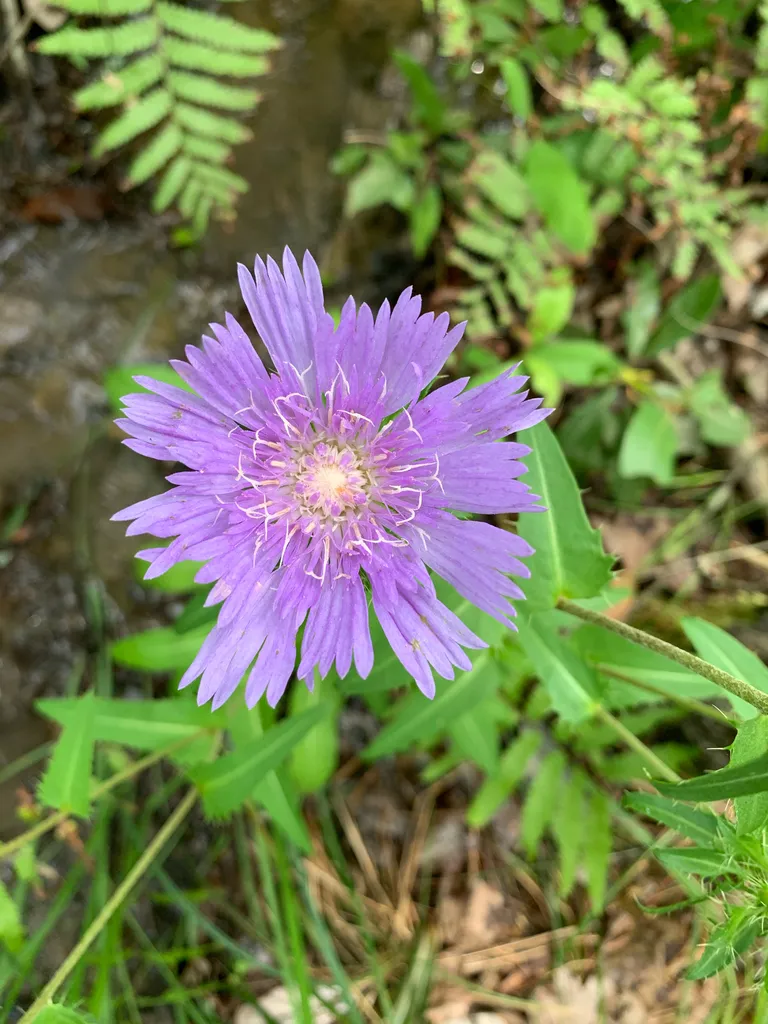
Scientific classification
- Species
- Stokes' aster (Stokesia laevis)
- Genus
- Stokesia
- Family
- Asteraceae
- Information to be completed
- Toxicity
- Herbaceous Perennial
- Plant type
- 0.1-0.5 metres
- Height
- 0.1-0.5 metres
- Spread
- Evergreen
- Foliage
- Bushy
- Habit
- Spring · Summer · Autumn · Winter
- Season of interest
- Full sun
- Sunlight
- Information to be completed
- Ideal temperature









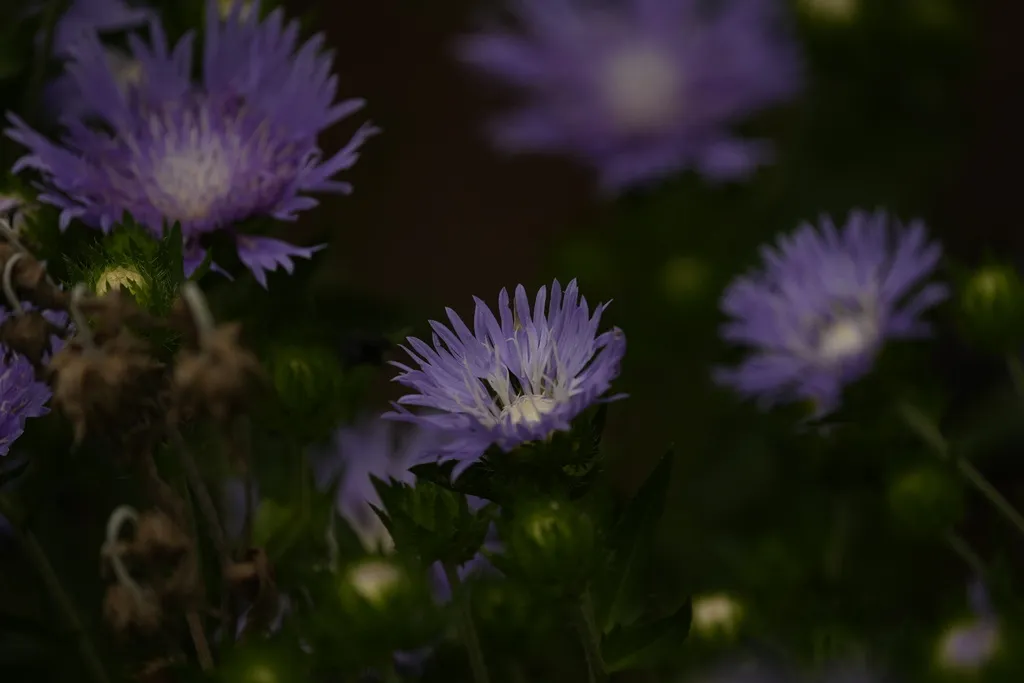
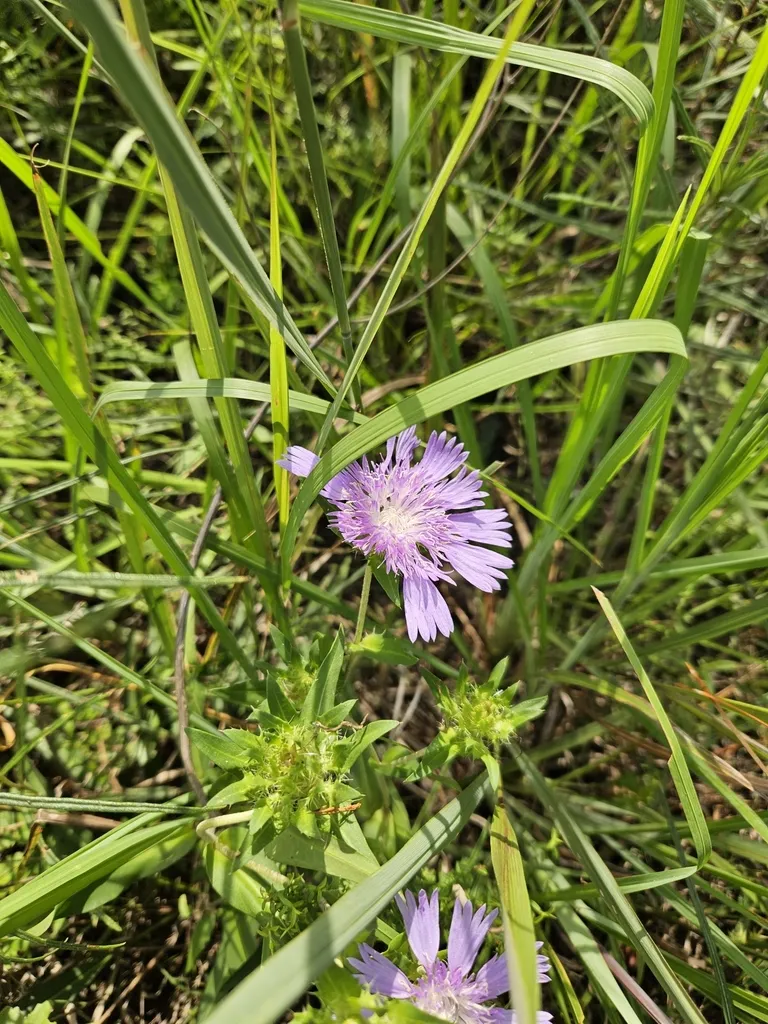
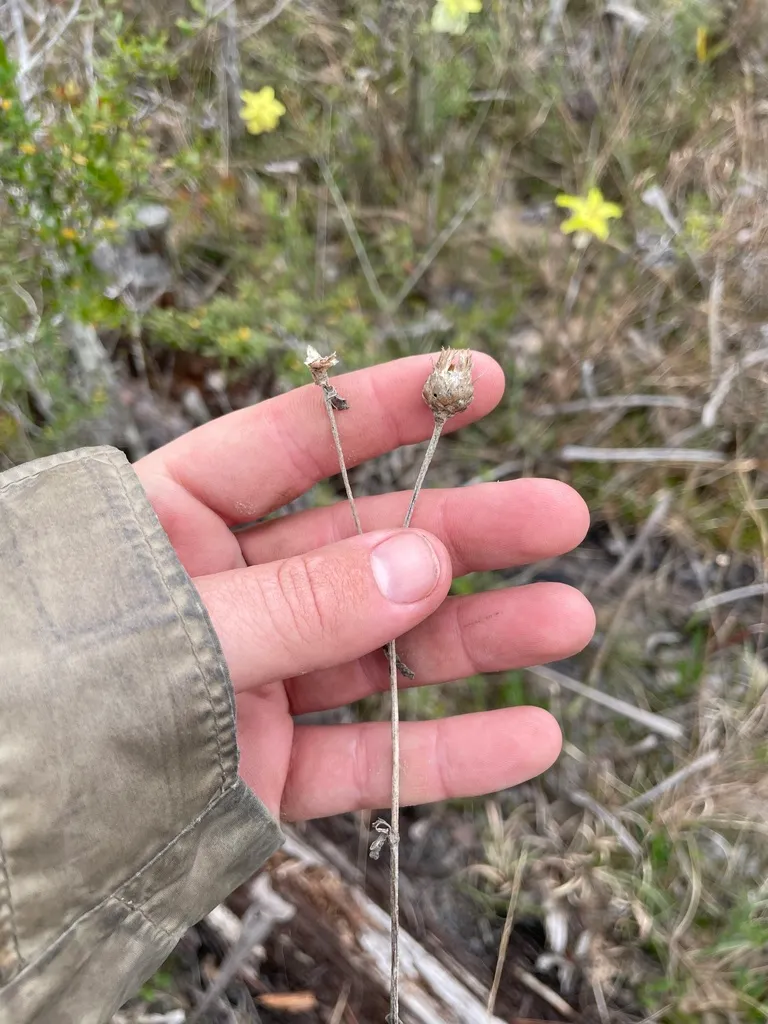
Stokes' aster pictures
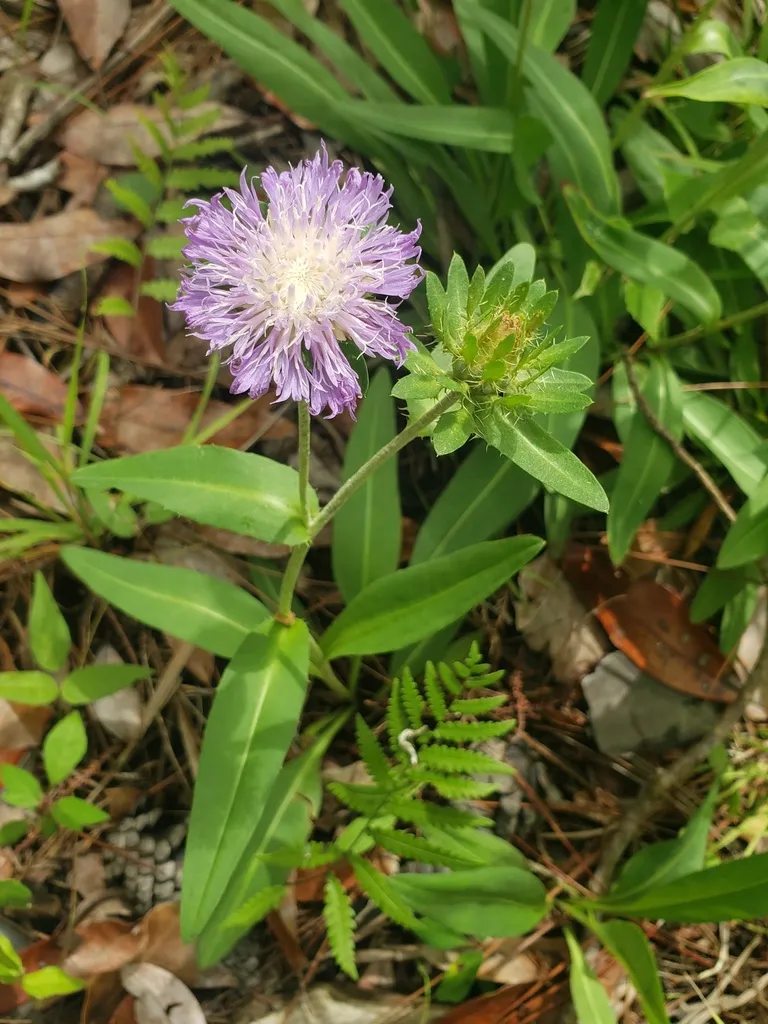
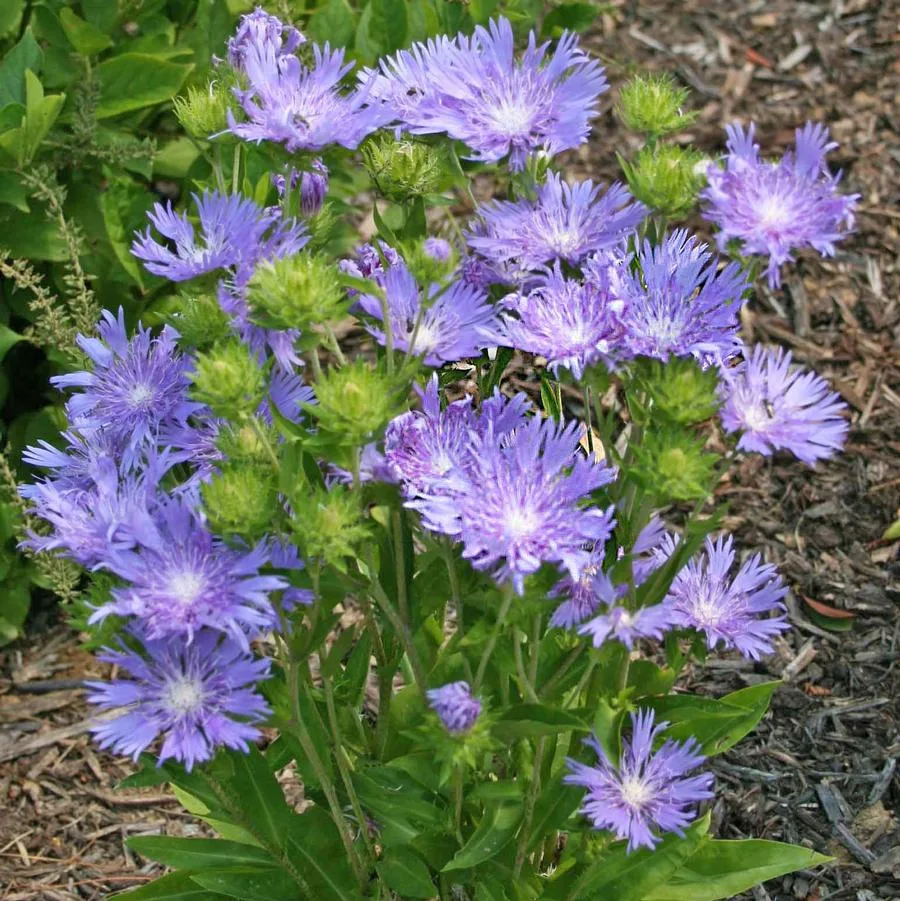
Distribution of Stokes' aster
Distribution map
Southeastern US
Information to be completed
Culture
Information to be completed
Toxicity
Information to be completed
Quick identification of Stokes' aster
Information to be completed
Stokes' aster care guide
- Moderate regular watering, avoid prolonged drought and stagnant waterlogging
- Watering
- Full sun
- Sunlight
- Information to be completed
- Ideal temperature

Watering
Moderate regular watering, avoid prolonged drought and stagnant waterlogging
Fertilizing
 Fertilizing
Balanced perennial feed every four weeks spring through summer growth
Pruning
 Pruning
Deadhead to prolong flowering. Tidy foliage in spring when new growth appears
Propagation
 Propagation
Propagate by seed, by division in spring or root cuttings in late winter
Growing
 Growing
Grow in a sunny, sheltered position in a fertile, well-drained soil; liable to rot in wet winter soils
People also ask
Information to be completed
Common pests and diseases
Diseases
Generally disease-free
Pests
Generally pest-free
Explore the plant health library →




