
bonsai crassula
Also known as: Information to be completed
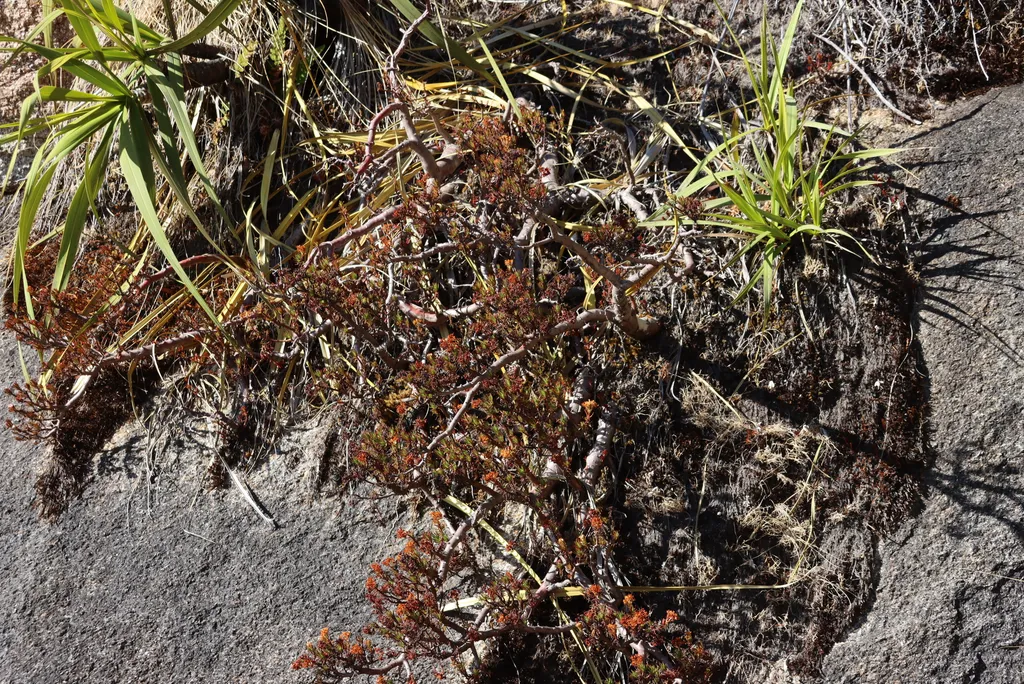
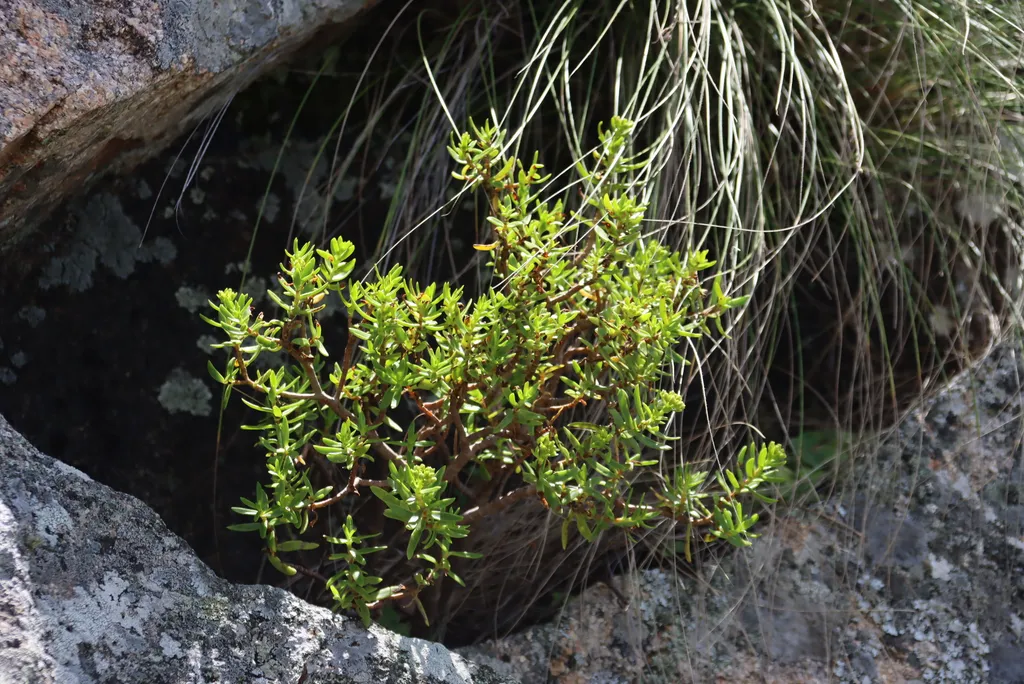
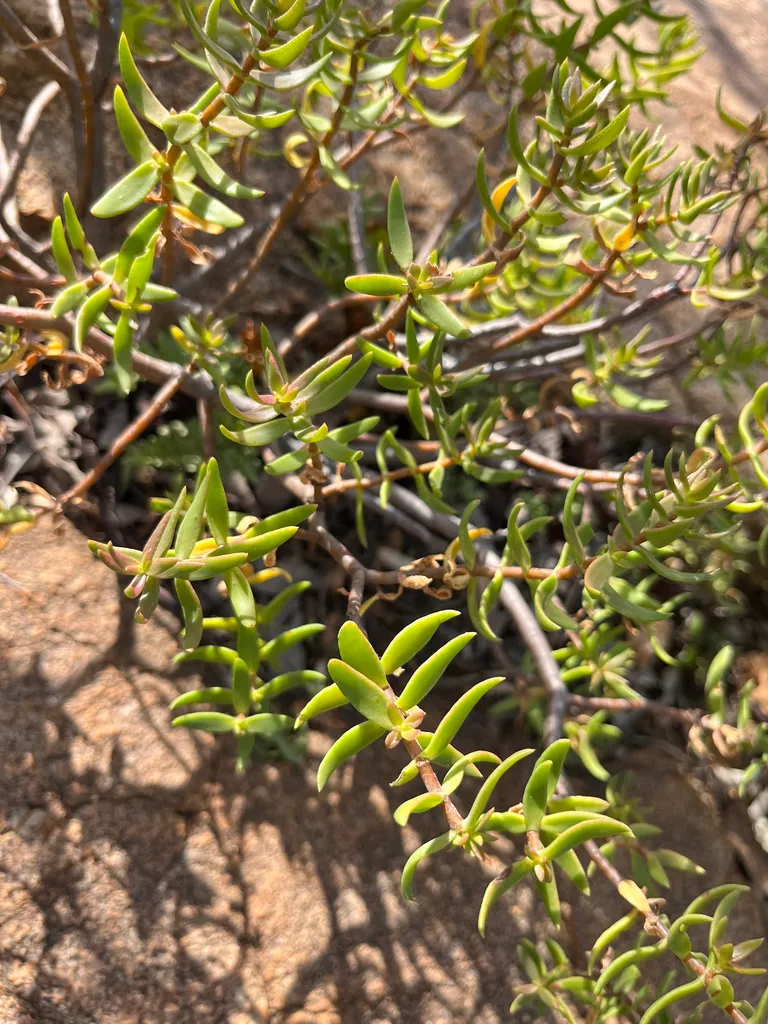
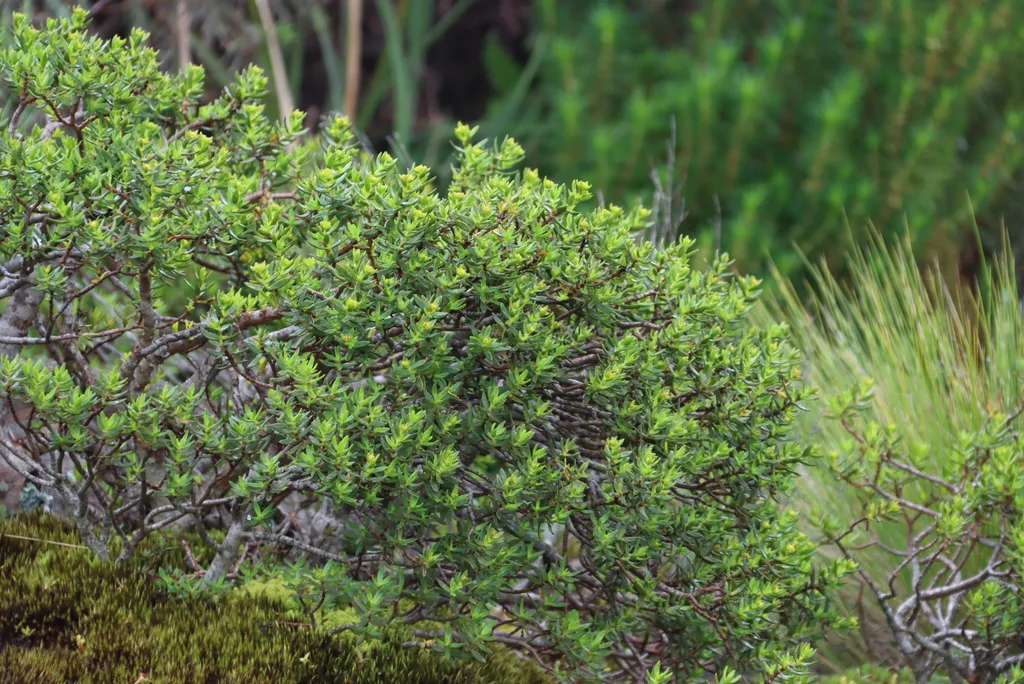
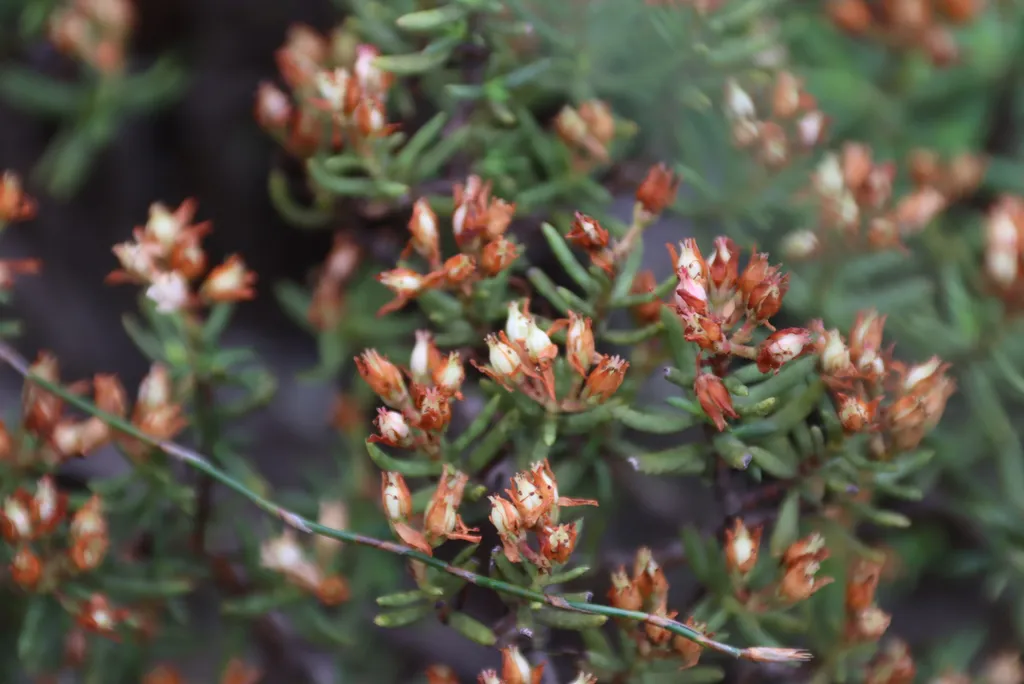
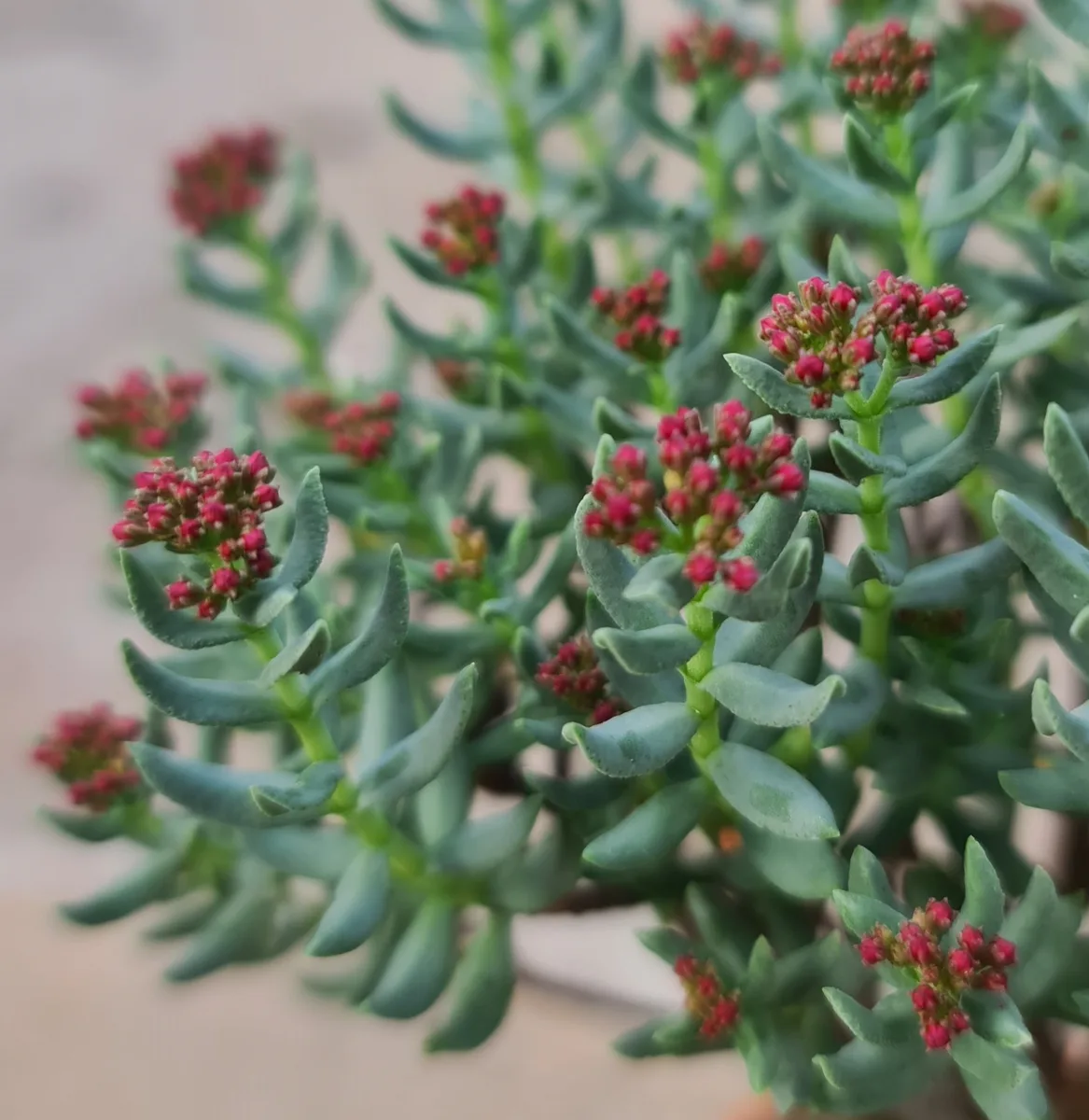
A shrubby perennial succulent, 20-60cm high, with erect fleshy stems and many branches; leaves are narrow, pointed, red-tinged mid-green, 1-3cm long and 1-8mm wide. Clusters of starry pale pink or white flowers appear in late summer; the flowers are scented but not everybody finds the scent pleasant
Scientific classification
- Species
- bonsai crassula (Crassula sarcocaulis)
- Genus
- Crassula
- Family
- Crassulaceae
- Information to be completed
- Toxicity
- Alpine Rockery · Cactus Succulent
- Plant type
- 0.5-1 metres
- Height
- 0.1-0.5 metres
- Spread
- Evergreen
- Foliage
- Bushy
- Habit
- Spring · Summer · Autumn · Winter
- Season of interest
- Full sun
- Sunlight
- Information to be completed
- Ideal temperature









bonsai crassula pictures
Distribution of bonsai crassula
Distribution map
- Native
- Introduced
- Cultivated
Source:WCVP v16 · Royal Botanic Gardens, Kew · CC BY 3.0 · Boundaries:WGSRPD / TDWG
Culture
Information to be completed
Toxicity
Information to be completed
Quick identification of bonsai crassula
Information to be completed
bonsai crassula care guide
- Let gritty soil dry fully before each thorough watering cycle
- Watering
- Full sun
- Sunlight
- Information to be completed
- Ideal temperature

Watering
Let gritty soil dry fully before each thorough watering cycle
Fertilizing
 Fertilizing
Very dilute low-nitrogen succulent feed monthly in warm growth
Pruning
 Pruning
No pruning required
Propagation
 Propagation
Propagate by seed sown at 15-18°C in early spring, or by stem or leaf cuttings in spring or summer
Growing
 Growing
Unusually for this genus, this is a frost-tolerant species and can tolerate temperatures down to -5°C. Grow in very well-drained soil in full sun, for example in sheltered parts of a rock garden; it can also be grown under glass, in cactus compost in full light. See cacti and succulent cultivation
People also ask
Information to be completed
Common pests and diseases
Diseases
Generally disease free
Pests
May be affected by mealybugs, vine weevil, aphids, and scale insects
Explore the plant health library →




