
lily of the Orinoco
Also known as: Information to be completed
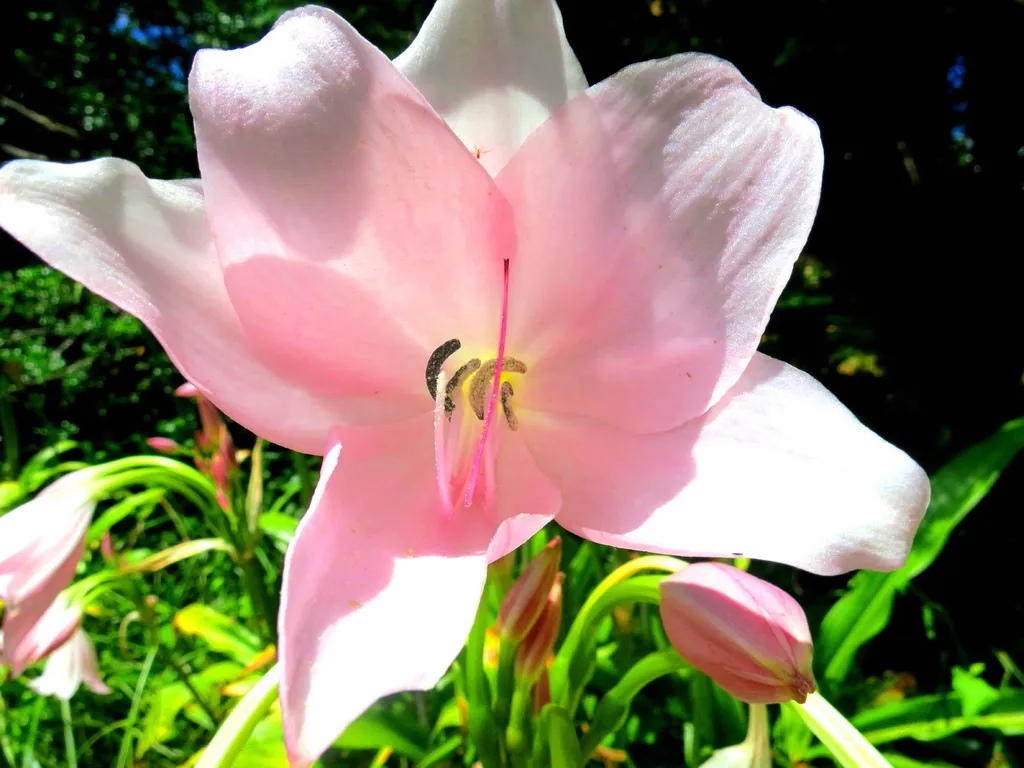
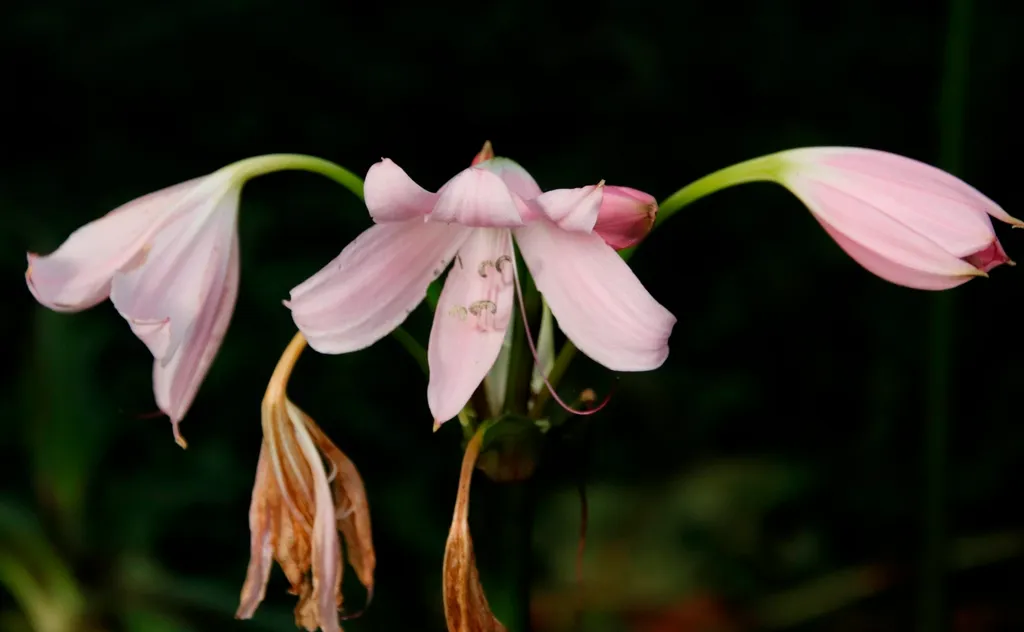
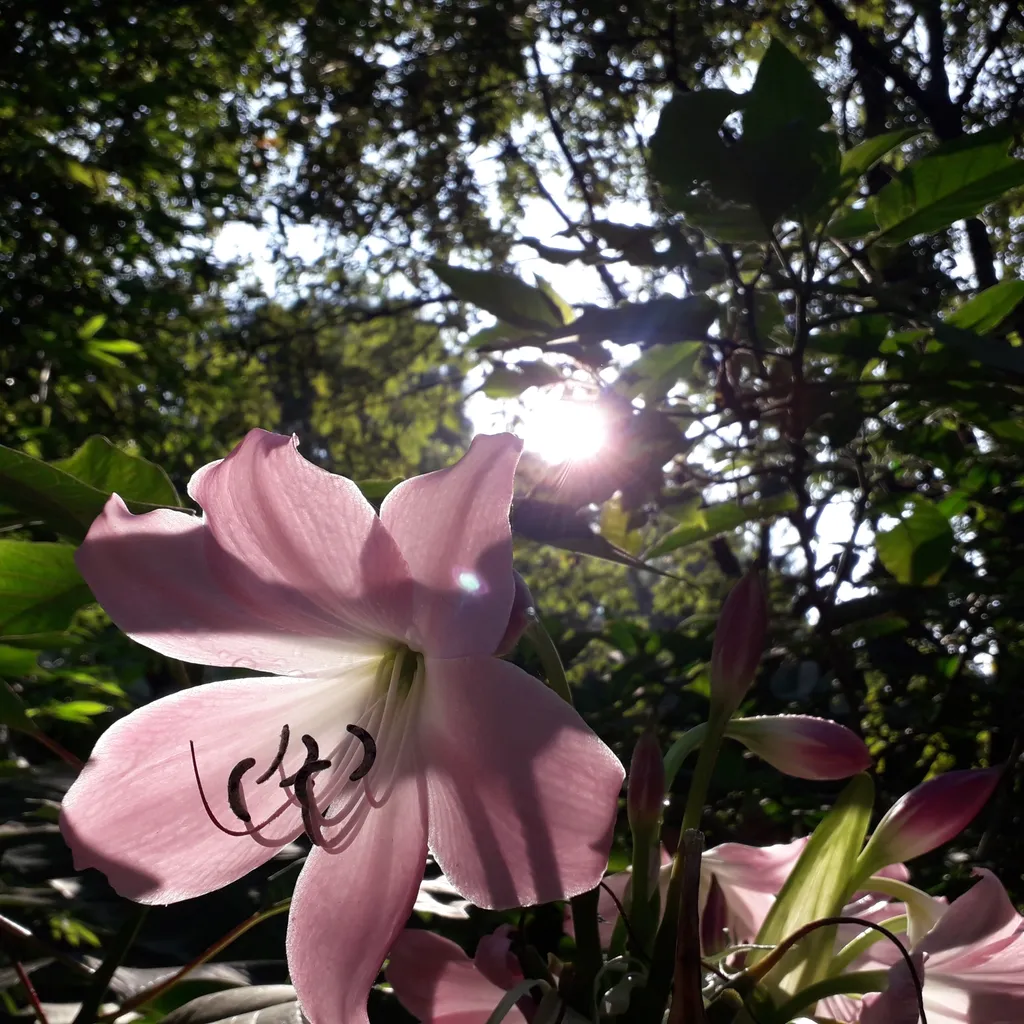
A bulb that produces clumps of strappy leaves reaching 1m. Elegant, nodding clusters of amaryllis-type flowers open in late summer to early autumn. These are white, sometimes tinged light pink
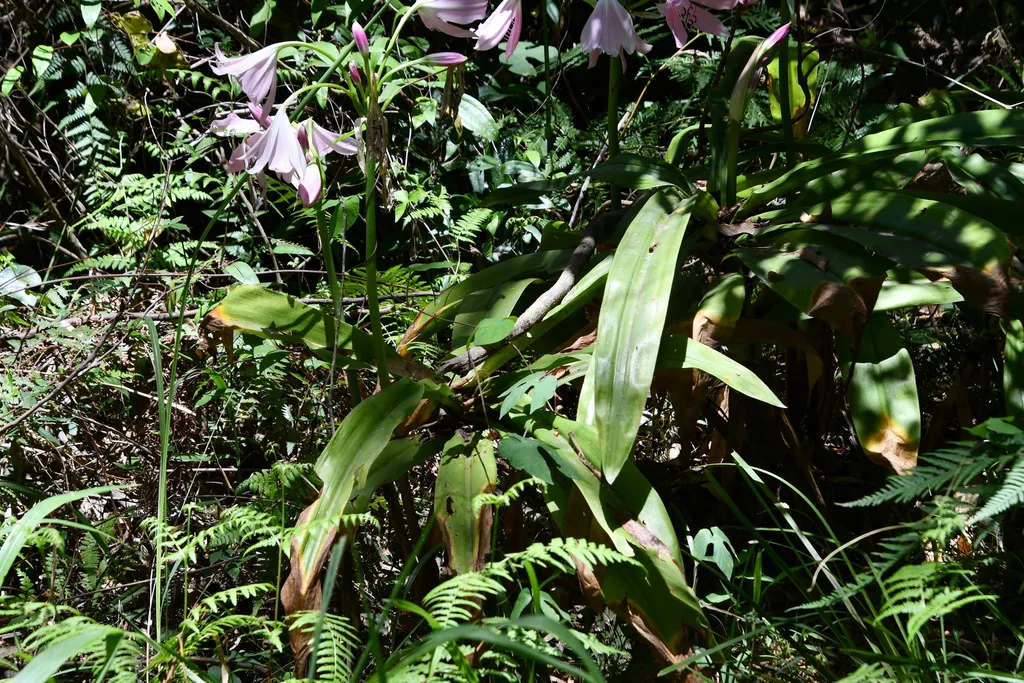
Scientific classification
- Species
- lily of the Orinoco (Crinum moorei)
- Genus
- Crinum
- Family
- Amaryllidaceae
- Ornamental bulbs - not to be eaten. Wear gloves and other protective equipment when handling
- Toxicity
- Bulbs · Conservatory Greenhouse
- Plant type
- 0.5-1 metres
- Height
- 0.5-1 metres
- Spread
- Deciduous
- Foliage
- Clump forming
- Habit
- Spring · Summer · Autumn
- Season of interest
- Full sun
- Sunlight
- Information to be completed
- Ideal temperature









lily of the Orinoco pictures
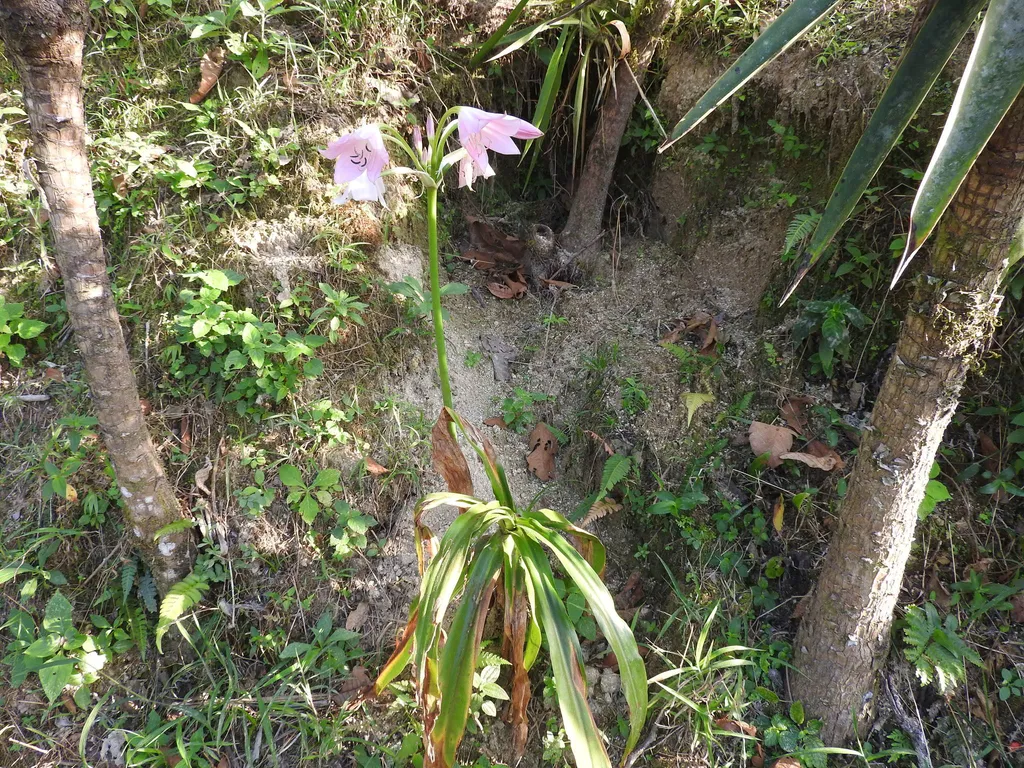
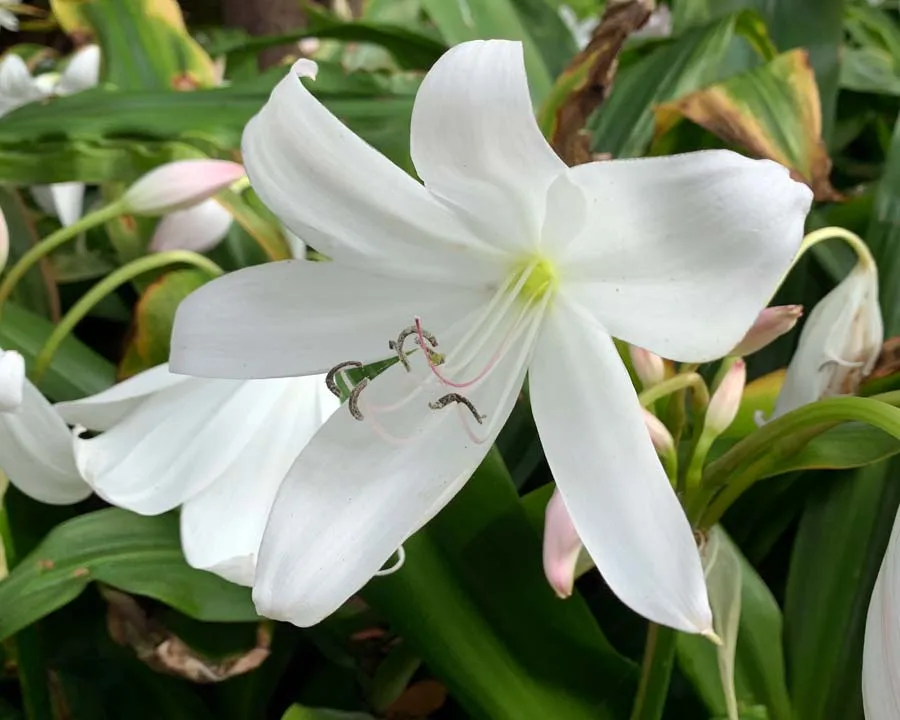
Distribution of lily of the Orinoco
Distribution map
South Africa
Information to be completed
Culture
Information to be completed
Toxicity
Ornamental bulbs - not to be eaten. Wear gloves and other protective equipment when handling
Quick identification of lily of the Orinoco
Information to be completed
lily of the Orinoco care guide
- Moderate regular watering, avoid prolonged drought or waterlogging
- Watering
- Full sun
- Sunlight
- Information to be completed
- Ideal temperature

Watering
Moderate regular watering, avoid prolonged drought or waterlogging
Fertilizing
 Fertilizing
Balanced feed in spring and light repeat in growth season
Pruning
 Pruning
No pruning required
Propagation
 Propagation
Propagate by seed sown in containers with bottom heat when ripe, or from bulbils in spring
Growing
 Growing
Grow in moist but well-drained, deep, humus-rich, fertile soil. Will need protection from frosts in colder areas. Can be grown in pots. Keep neck of the bulb just proud of the soil
People also ask
Information to be completed
Common pests and diseases
Diseases
Generally disease free
Pests
Generally pest-free but young growth may be susceptible to
Explore the plant health library →




