
Aunt Eliza
Also known as: Information to be completed
A cormous perennial producing strongly-pleated, olive green leaves to 1m long. In late summer it produces downward curved, orange flowers to 6cm long that are borne alternately on branched, zigzagged stems
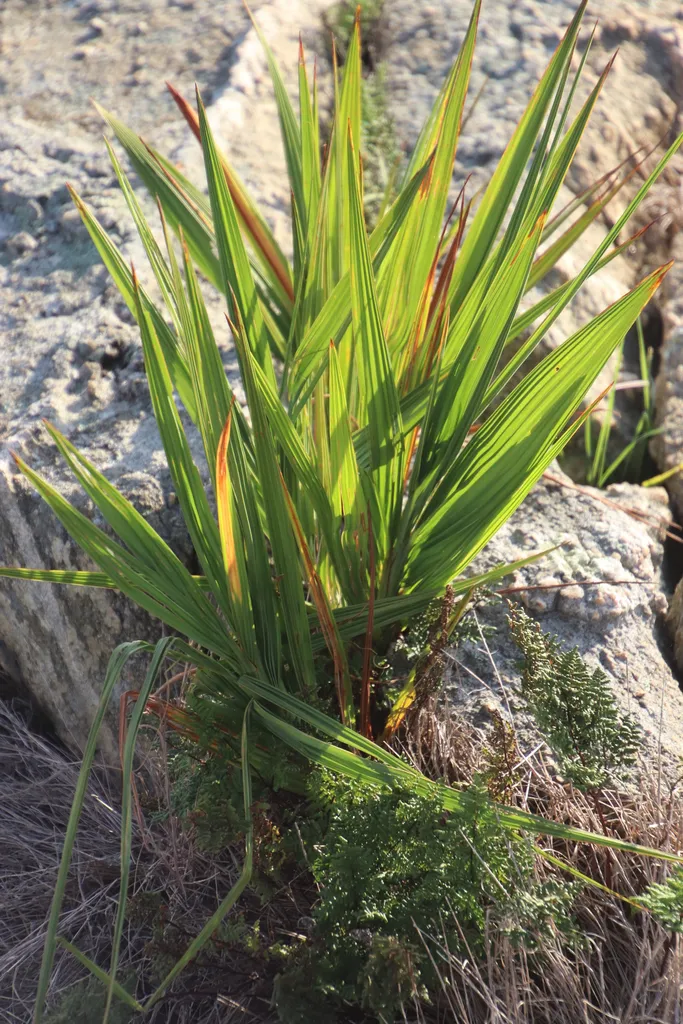
Scientific classification
- Species
- Aunt Eliza (Crocosmia paniculata)
- Genus
- Crocosmia
- Family
- Iridaceae
- Information to be completed
- Toxicity
- Bulbs · Herbaceous Perennial
- Plant type
- 1-1.5 metres
- Height
- 0.1-0.5 metres
- Spread
- Deciduous
- Foliage
- Clump forming
- Habit
- Spring · Summer · Autumn
- Season of interest
- Full sun · Partial shade
- Sunlight
- Information to be completed
- Ideal temperature









Aunt Eliza pictures
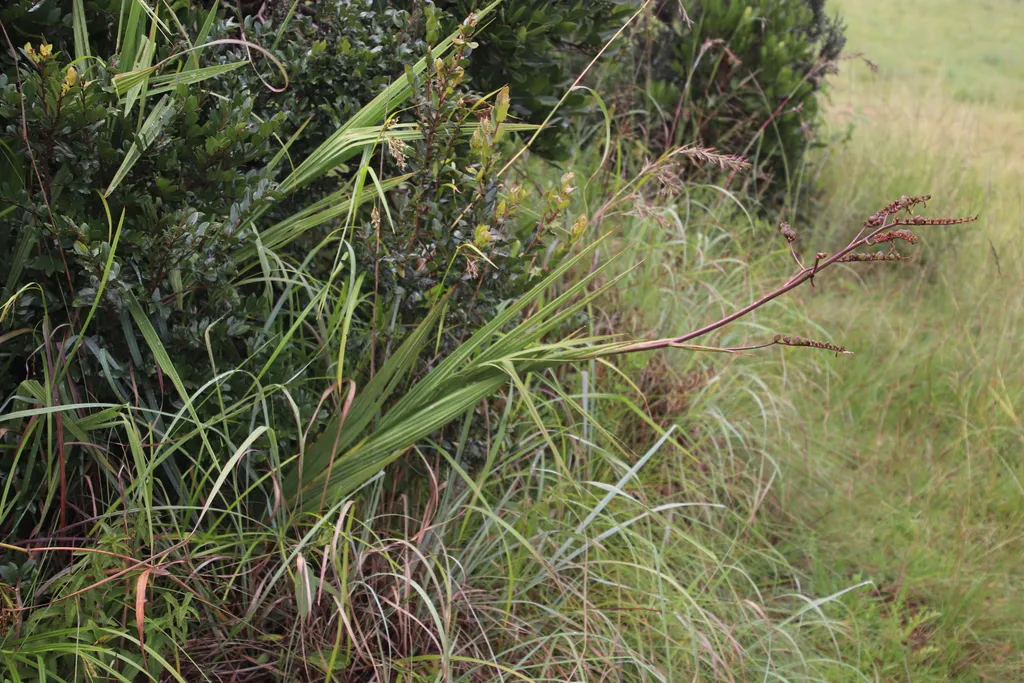
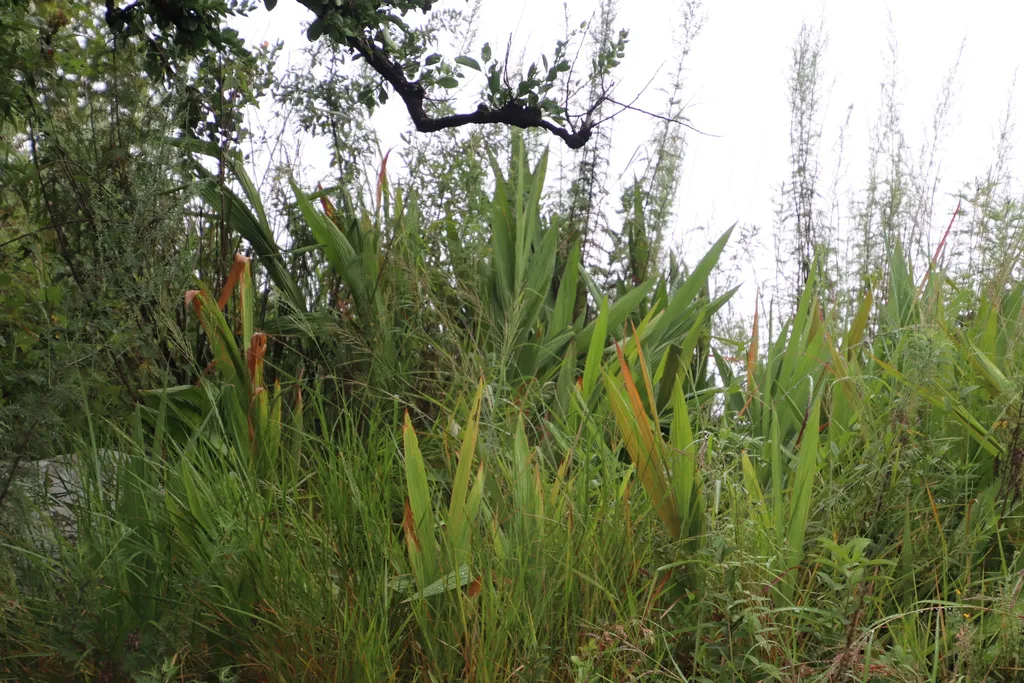
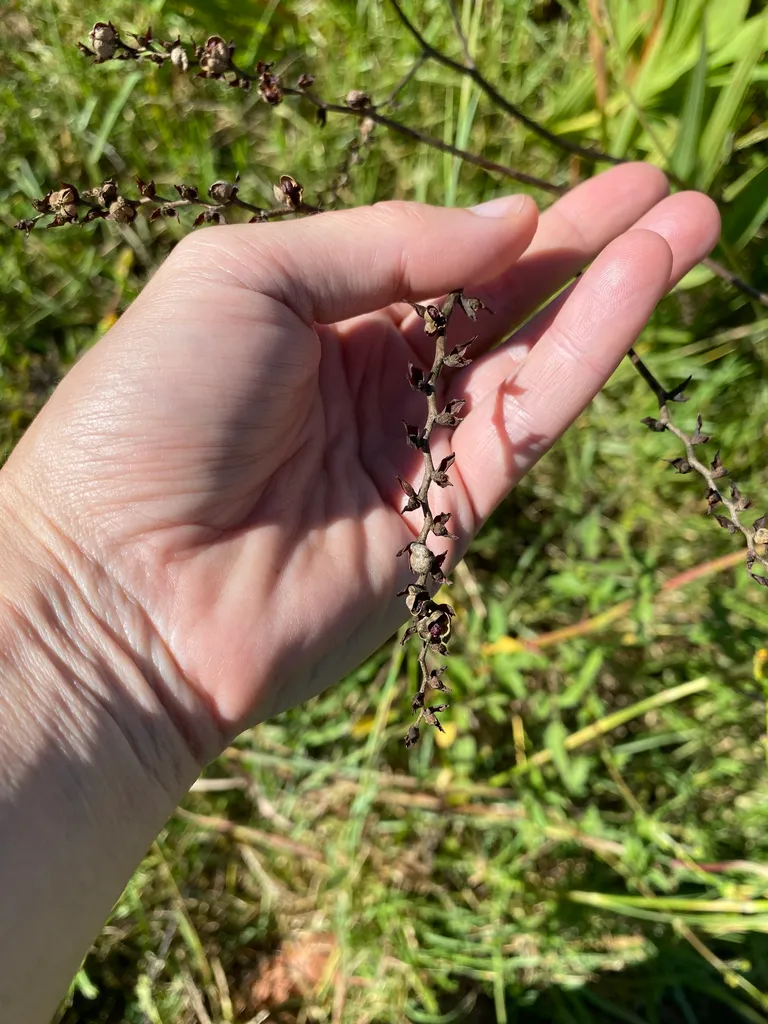
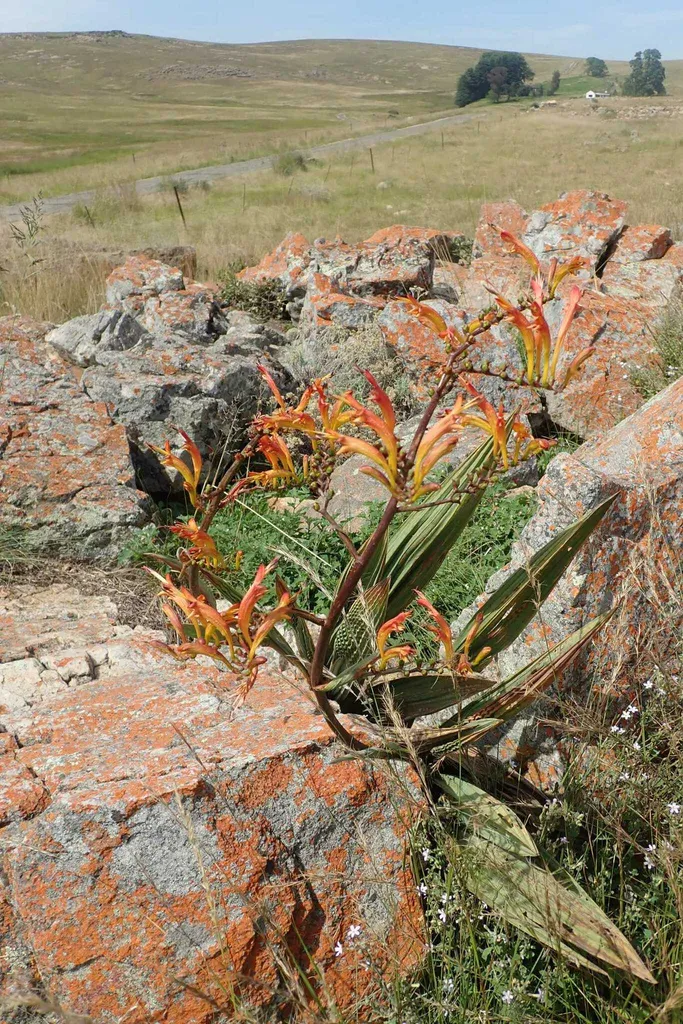
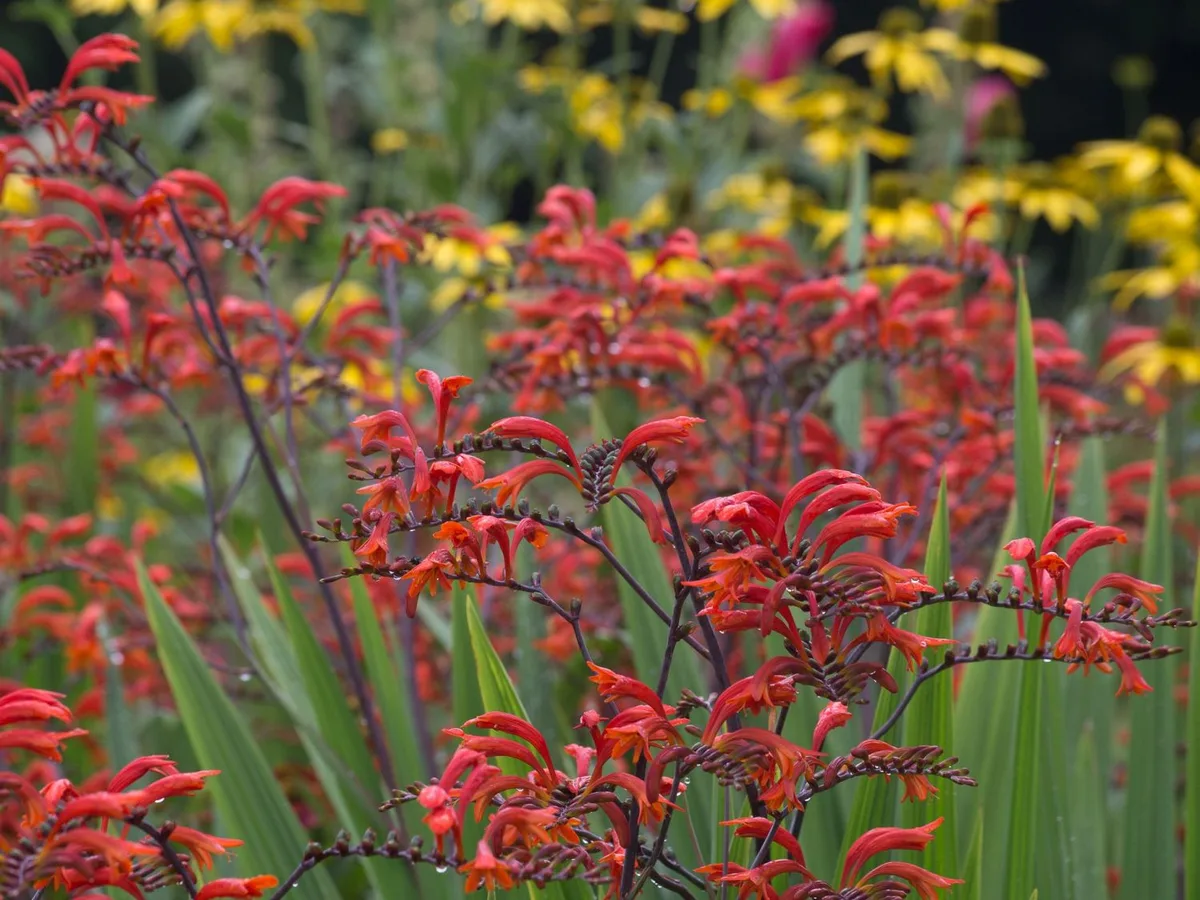
Distribution of Aunt Eliza
Distribution map
South Africa
Information to be completed
Culture
Information to be completed
Toxicity
Information to be completed
Quick identification of Aunt Eliza
Information to be completed
Aunt Eliza care guide
- Keep soil evenly moist during active growth, drier once winter dormancy arrives
- Watering
- Full sun · Partial shade
- Sunlight
- Information to be completed
- Ideal temperature

Watering
Keep soil evenly moist during active growth, drier once winter dormancy arrives
Fertilizing
 Fertilizing
Balanced crocosmia feed every three weeks from spring into midsummer
Pruning
 Pruning
Cut back faded foliage in autumn or spring
Propagation
 Propagation
Propagate by division in spring just before growth starts, plant corms 8-10cm deep
Growing
 Growing
Grow in a moderately fertile, humus-rich soil that is moist but well-drained. Thrives in sun or partial shade. Mulch first winter. In colder areas prone to periods of prolonged frost protect with dry mulch such as bark. Has the potential to become a nuisance in some gardens if not managed well
People also ask
Information to be completed
Common pests and diseases
Diseases
Generally disease free
Pests
May be susceptible to glasshouse red spider mite
Explore the plant health library →




