
Potts' montbretia
Also known as: Information to be completed
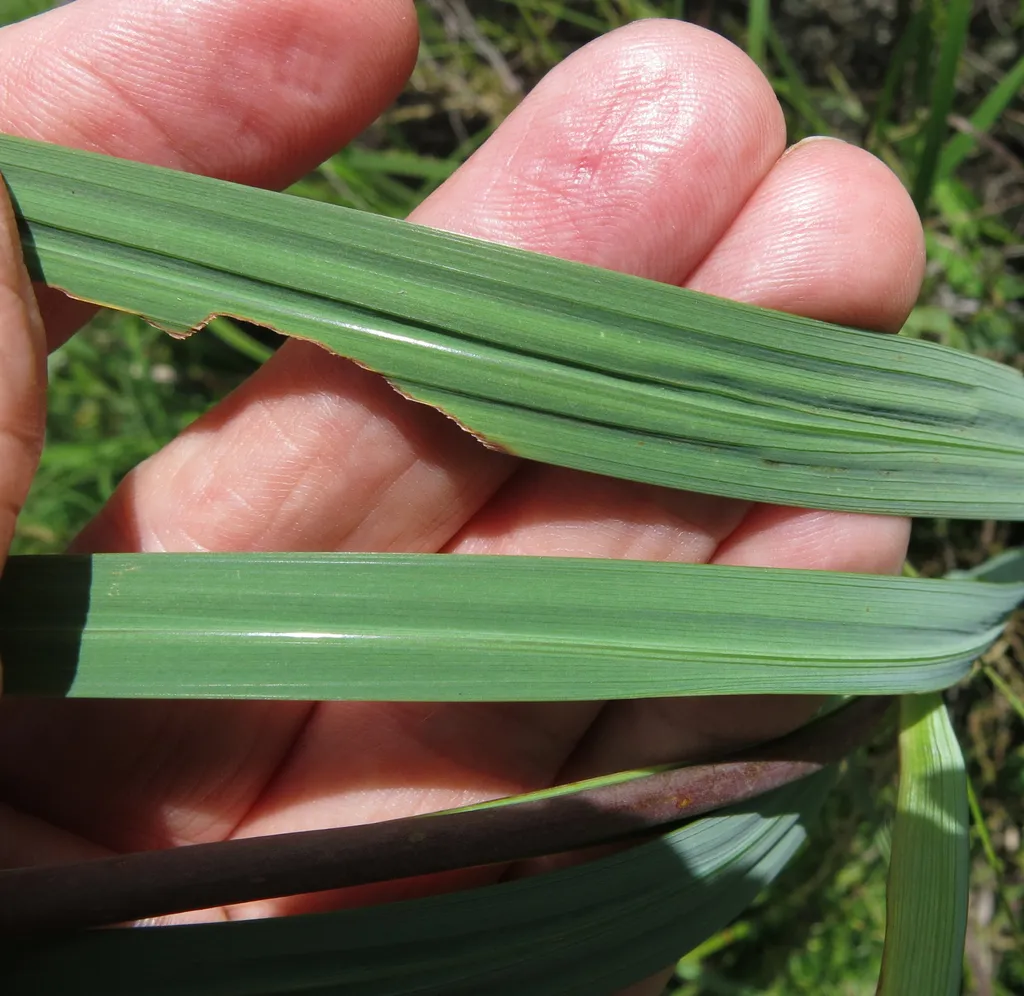
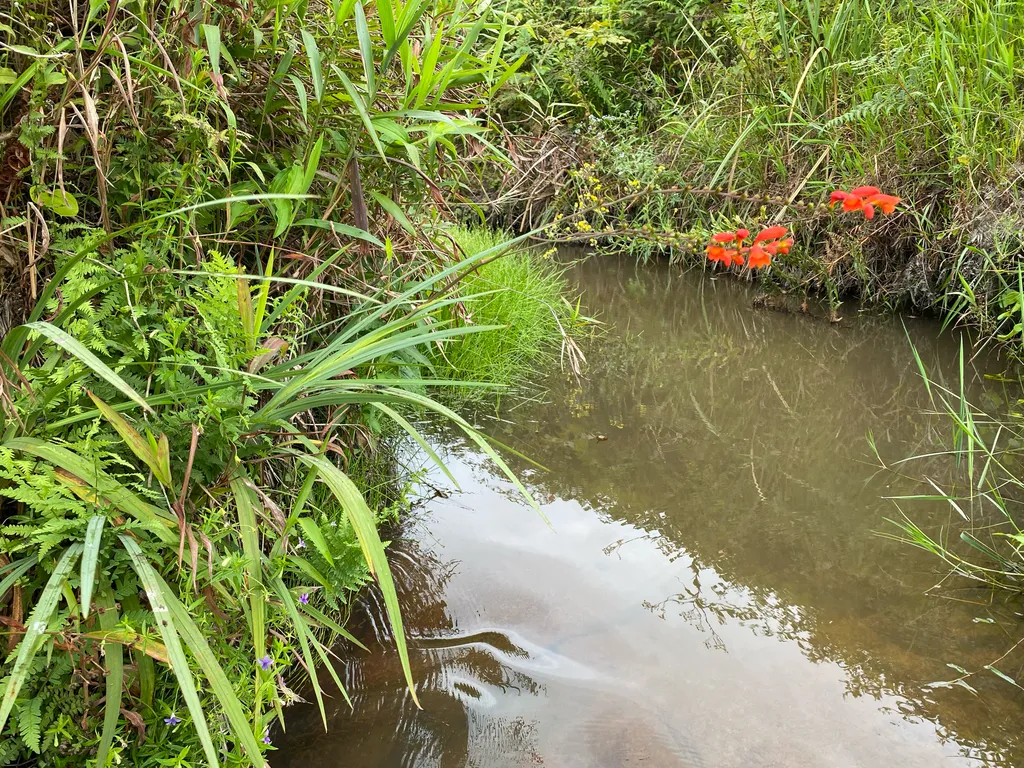
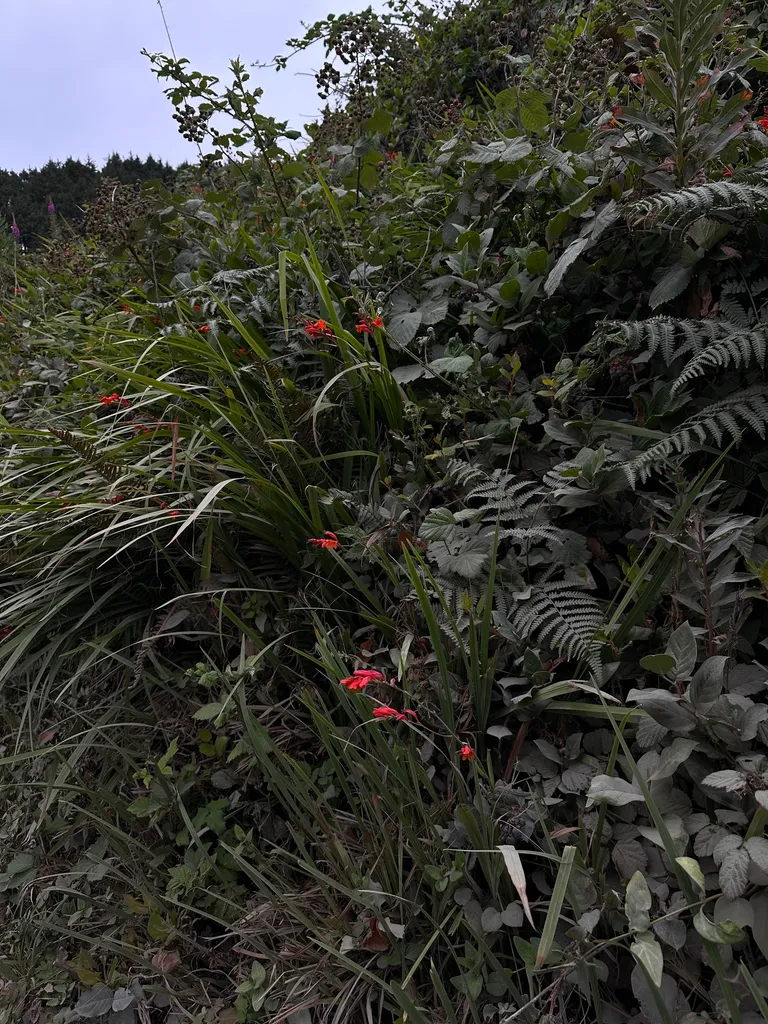
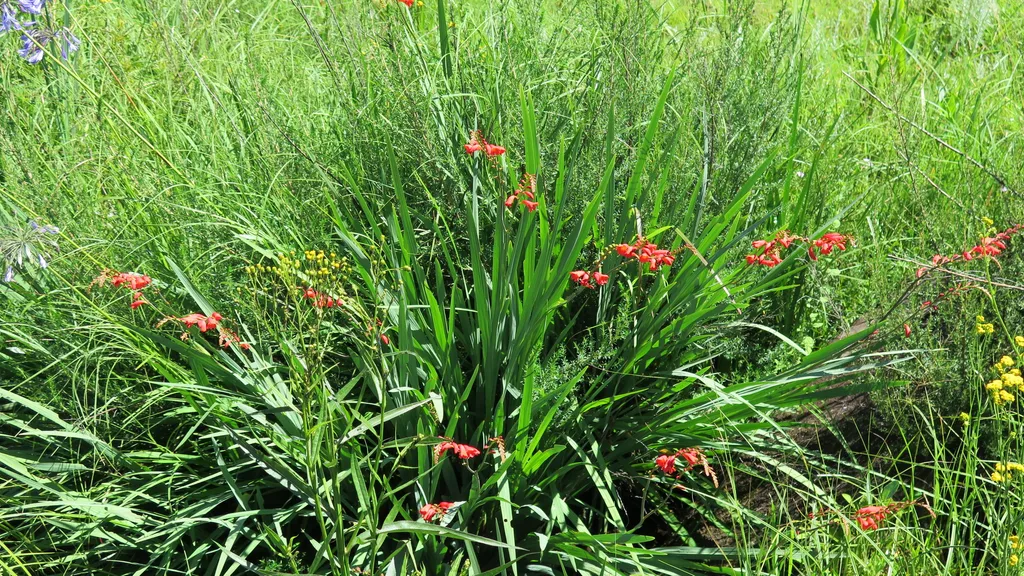
An upright, clump-forming cormous perennial with mid-green broad, strappy leaves and long arches of tubular red flowers with an orange throats throughout the summer and autumn
Scientific classification
- Species
- Potts' montbretia (Crocosmia pottsii)
- Genus
- Crocosmia
- Family
- Iridaceae
- Order
- Asparagales
- Class
- Liliopsida
- Phylum
- Tracheophyta
- Information to be completed
- Toxicity
- Bulbs
- Plant type
- 0.5-1 metres
- Height
- 0.5-1 metres
- Spread
- Deciduous
- Foliage
- Clump forming
- Habit
- Spring · Summer · Autumn
- Season of interest
- Full sun · Partial shade
- Sunlight
- Information to be completed
- Ideal temperature









Potts' montbretia pictures
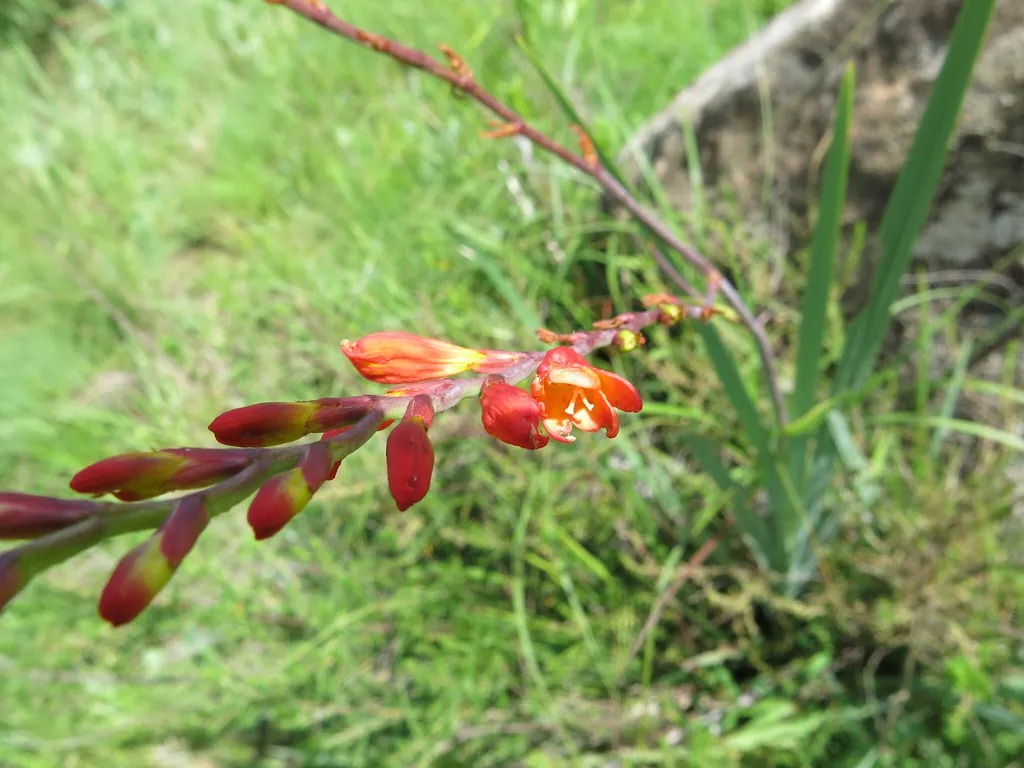
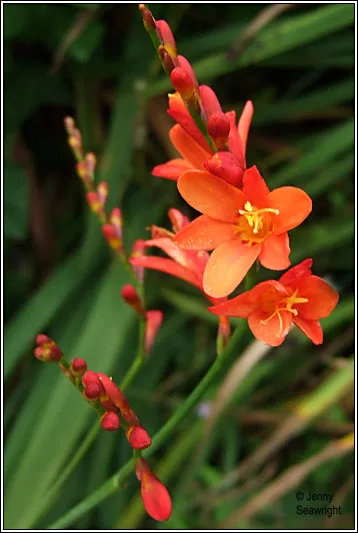
Distribution of Potts' montbretia
Distribution map
- Native
- Introduced
- Cultivated
Source:WCVP v16 · Royal Botanic Gardens, Kew · CC BY 3.0 · Boundaries:WGSRPD / TDWG
Potts' montbretia care guide
- Keep soil evenly moist during active growth, drier once winter dormancy arrives
- Watering
- Full sun · Partial shade
- Sunlight

Watering
Keep soil evenly moist during active growth, drier once winter dormancy arrives
Fertilizing
 Fertilizing
Balanced crocosmia feed every three weeks from spring into midsummer
Pruning
 Pruning
No pruning required, except removal of dead leaves and flower stems in autumn, or before new growth starts in spring
Propagation
 Propagation
Propagate by division of established clumps in spring, just before new growth starts
Growing
 Growing
Plant 8-10cm deep in fertile, humus-rich, moist but well-drained and preferably sandy soil in full sun or partial shade; in colder areas plant somewhere with shelter from cold drying winds, such as near a wall, and protect in winter with a thick, dry, organic mulch; if clumps become congested, divide them in early spring. Has the potential to become a nuisance in some gardens if not managed well
Common pests and diseases
Diseases
Generally disease-free
Pests
May be susceptible to glasshouse red spider mite
Explore the plant health library →




