
red clover
Also known as: bee bread; broad-leaved clover; clover grass; common clover; cow grass; marl grass; pinkies; purple clover; purplewort; suckles; sugar plum
Red clover reaches 30-50cm in height and bears trifoliate leaves and rounded clusters of pinkish-red flowers 2-3cm acrossfrom May to September. Traditionally an element of hay meadows where it fixes nitrogen in its roots. A great source of nectar, especially for bees
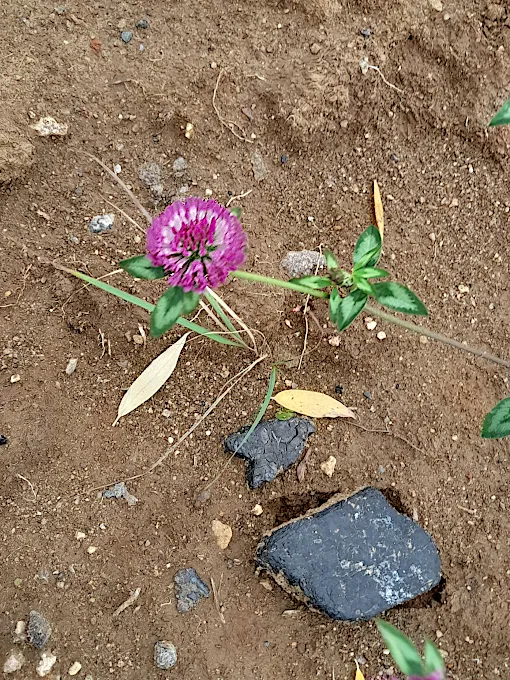
Scientific classification
- Species
- red clover (Trifolium pratense)
- Genus
- Trifolium
- Family
- Fabaceae
- Information to be completed
- Toxicity
- Herbaceous Perennial
- Plant type
- 0.1-0.5 metres
- Height
- Information to be completed
- Spread
- Deciduous
- Foliage
- Bushy
- Habit
- Spring · Summer · Autumn
- Season of interest
- Full sun
- Sunlight
- Information to be completed
- Ideal temperature









red clover pictures
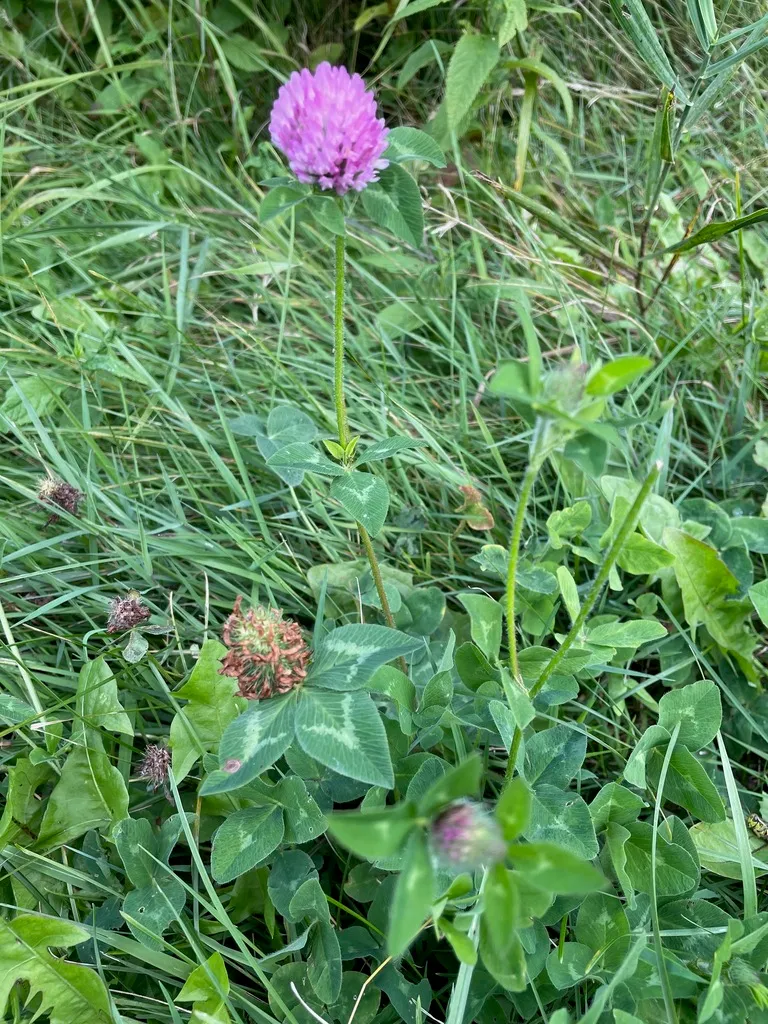
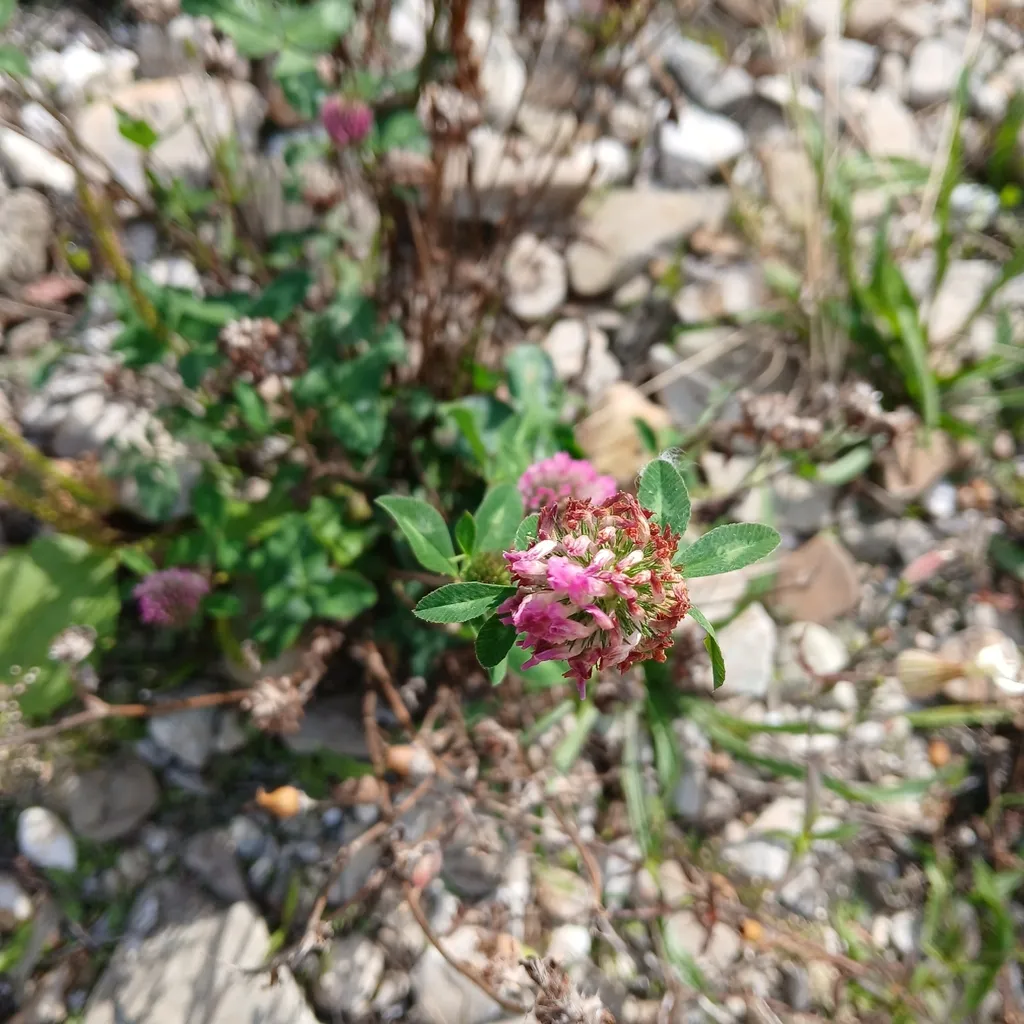
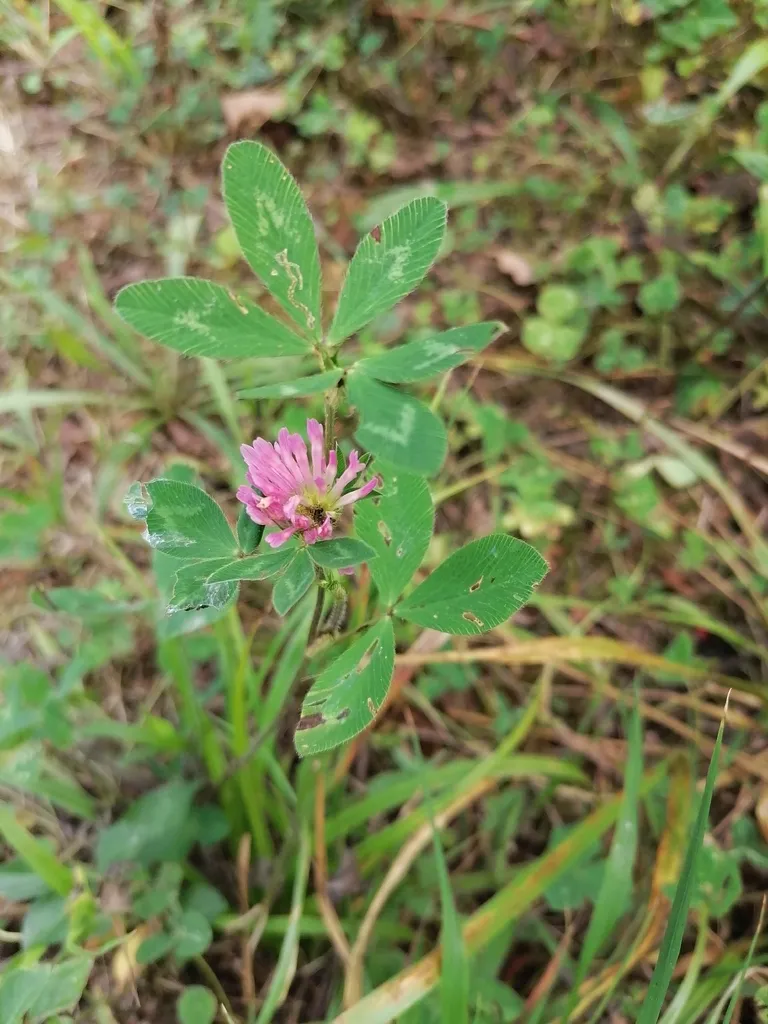
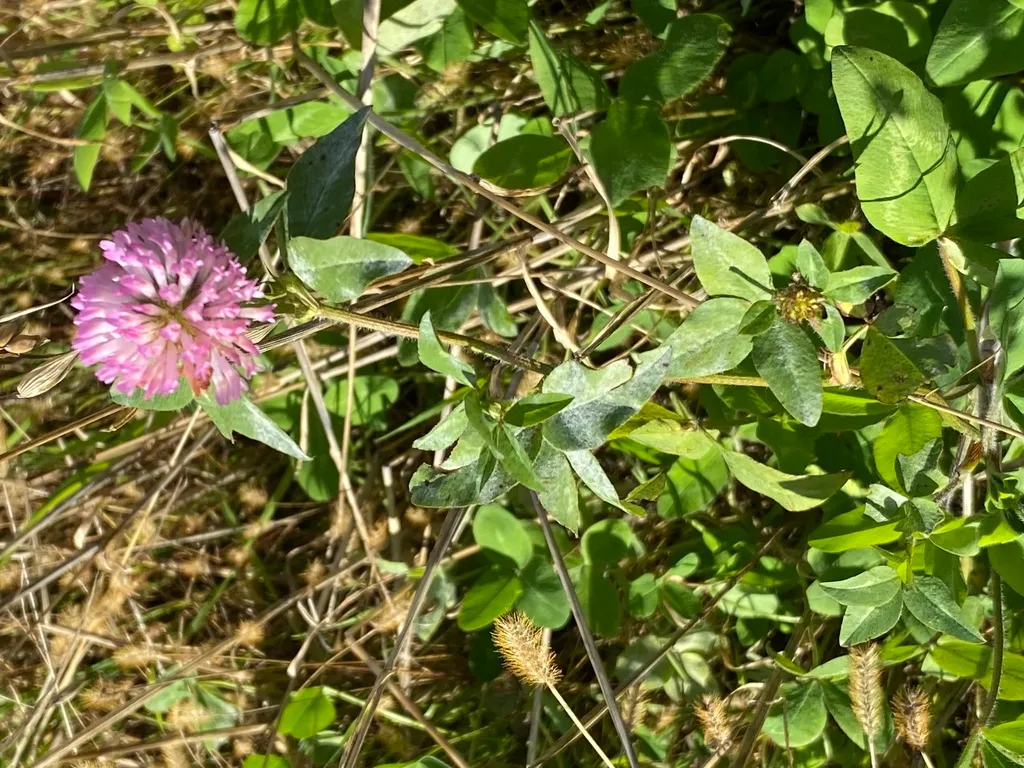
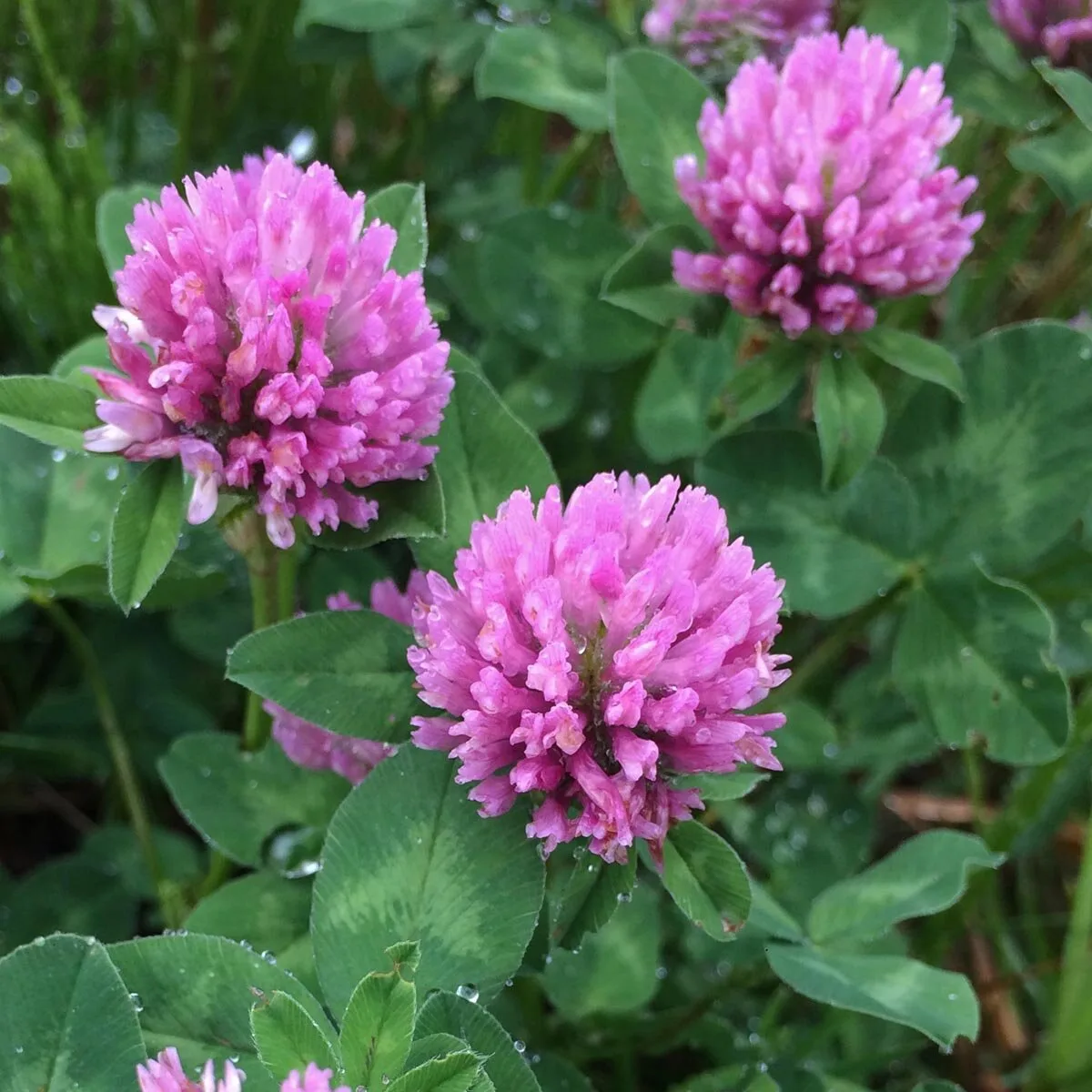
Distribution of red clover
Distribution map
Information to be completed
Information to be completed
Culture
Information to be completed
Toxicity
Information to be completed
Quick identification of red clover
Information to be completed
red clover care guide
- Maintain light consistent dampness, tolerate brief dry soil spells
- Watering
- Full sun
- Sunlight
- Information to be completed
- Ideal temperature

Watering
Maintain light consistent dampness, tolerate brief dry soil spells
Fertilizing
 Fertilizing
Weak balanced liquid feed every six weeks spring through fall
Pruning
 Pruning
None required
Propagation
 Propagation
Propagate by seed
Growing
 Growing
Prefers a sunny site and a slightly acid soil with low levels of nitrogenl (ie un-manured ground). Naturally occurs in grassland
People also ask
Information to be completed
Common pests and diseases
Diseases
Trouble-free
Pests
Trouble-free
Explore the plant health library →




