
Byzantine crocus
Also known as: iris-flowered crocus
A perennial corm with lilac to light purple flowers produced before the leaves in early autumn. Inner tepals much smaller than outer ones, which reflex in strong sun
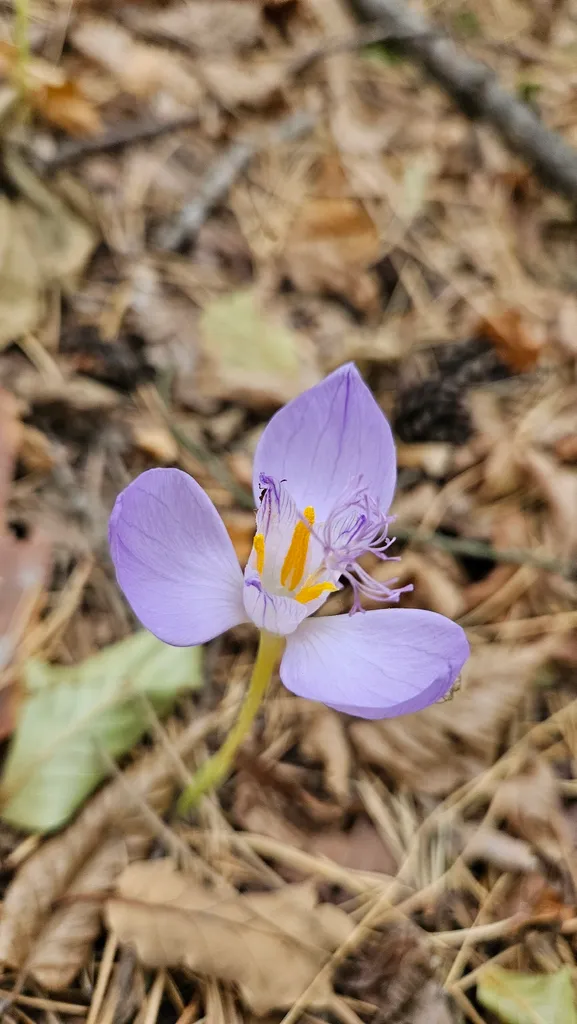
Scientific classification
- Species
- Byzantine crocus (Crocus banaticus)
- Genus
- Crocus
- Family
- Iridaceae
- Ornamental bulbs - not to be eaten. Wear gloves and other protective equipment when handling
- Toxicity
- Alpine Rockery · Bulbs
- Plant type
- Up to 10 cm
- Height
- 0-0.1 metre
- Spread
- Deciduous
- Foliage
- Tufted
- Habit
- Autumn
- Season of interest
- Full sun · Partial shade
- Sunlight
- Information to be completed
- Ideal temperature









Byzantine crocus pictures
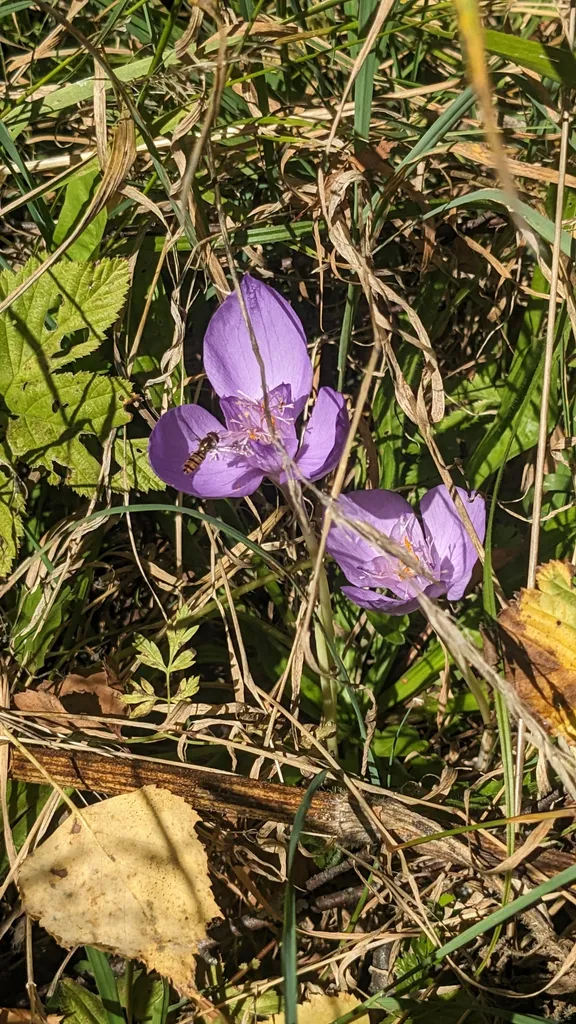
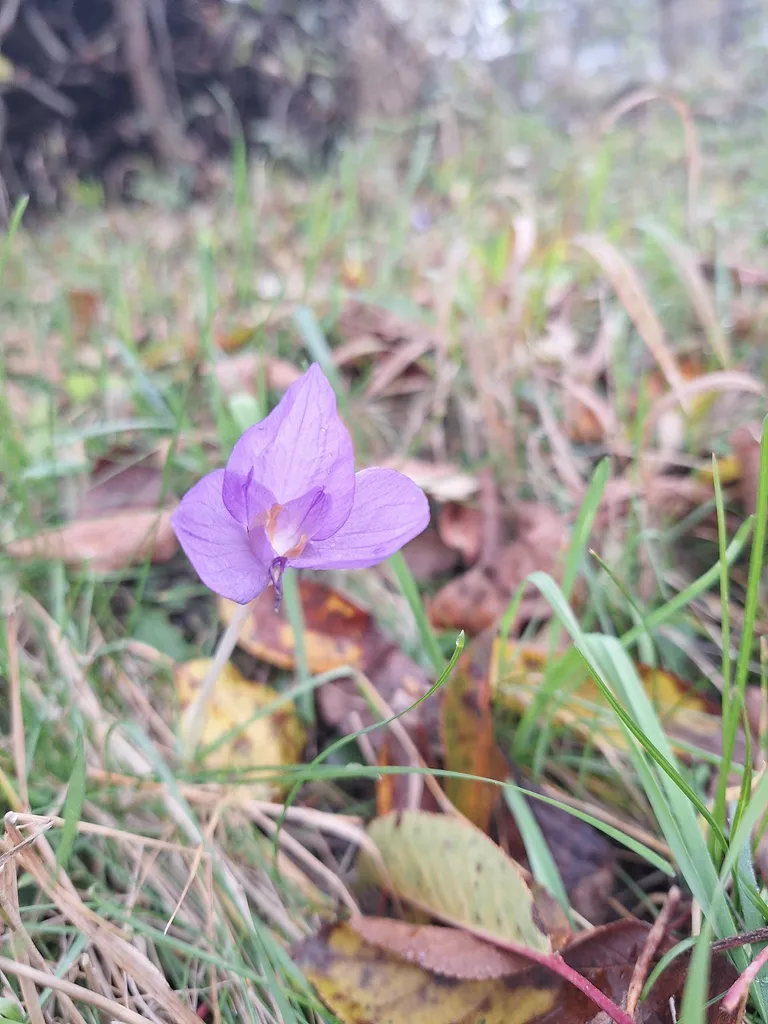
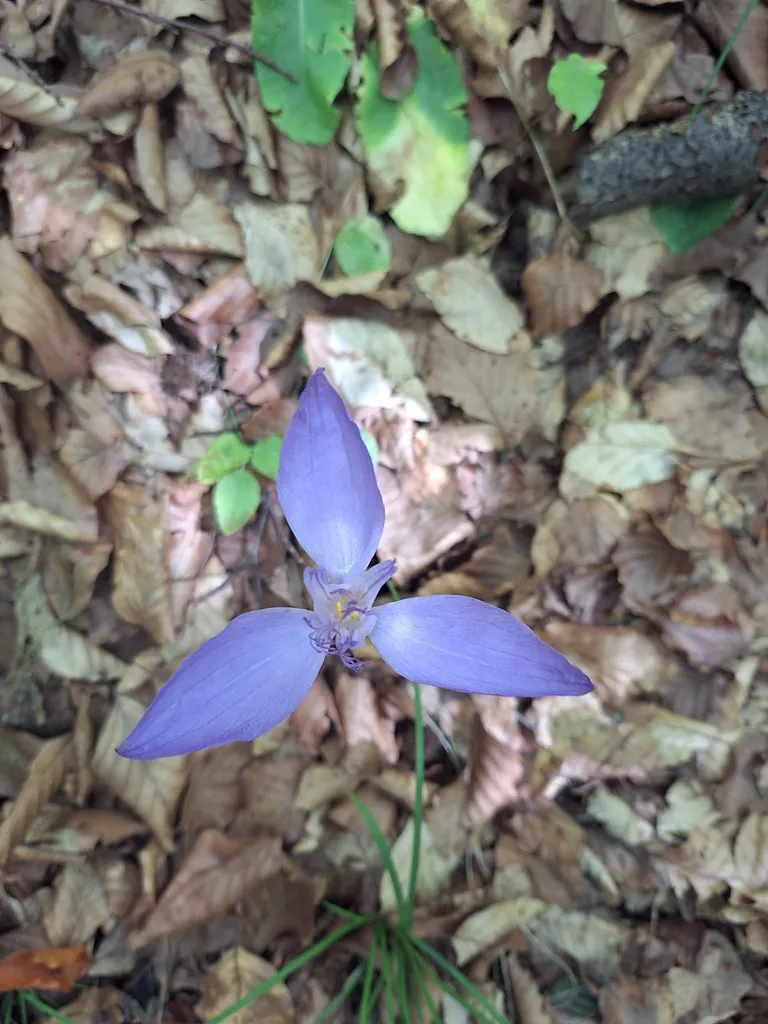
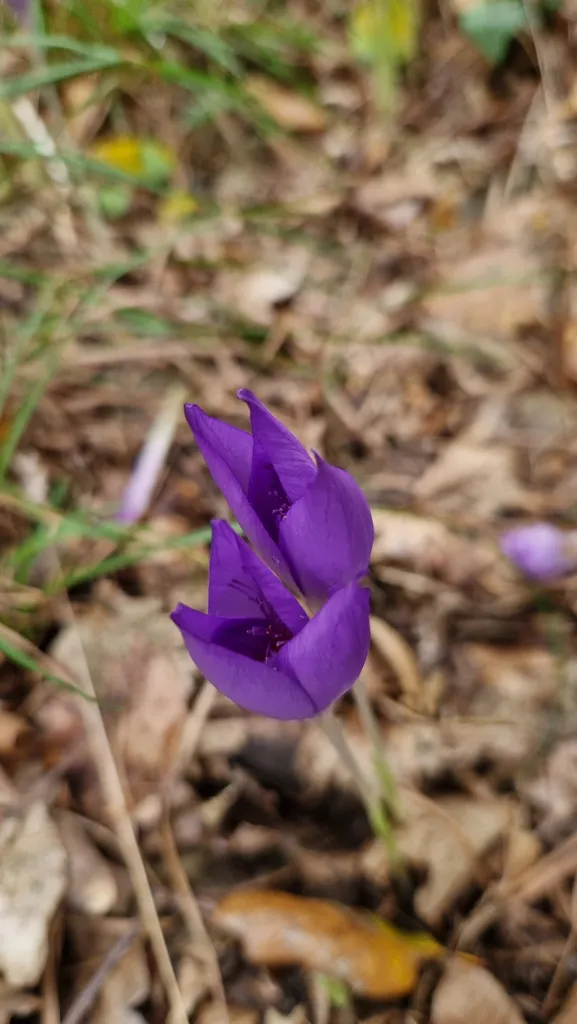
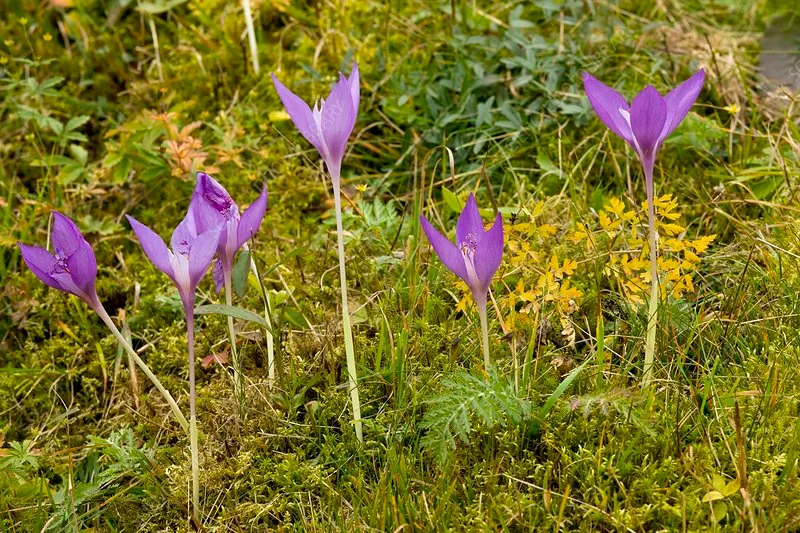
Distribution of Byzantine crocus
Distribution map
Eastern Europe
Information to be completed
Culture
Information to be completed
Toxicity
Ornamental bulbs - not to be eaten. Wear gloves and other protective equipment when handling
Quick identification of Byzantine crocus
Information to be completed
Byzantine crocus care guide
- Moist in growth, dry down after foliage yellows
- Watering
- Full sun · Partial shade
- Sunlight
- Information to be completed
- Ideal temperature

Watering
Moist in growth, dry down after foliage yellows
Fertilizing
 Fertilizing
Light bulb feed in late winter or early spring
Pruning
 Pruning
No pruning required
Propagation
 Propagation
Propagate by seed, sown in pots in a cold frame when ripe or remove cormlets when dormant
Growing
 Growing
Grow in a moderately fertile, humus-rich, moderately well-drained soil
People also ask
Information to be completed
Common pests and diseases
Diseases
Generally disease-free, corms may rot in storage
Pests
May be susceptible to rodents and birds
Explore the plant health library →




