
Bory crocus
Also known as: Information to be completed
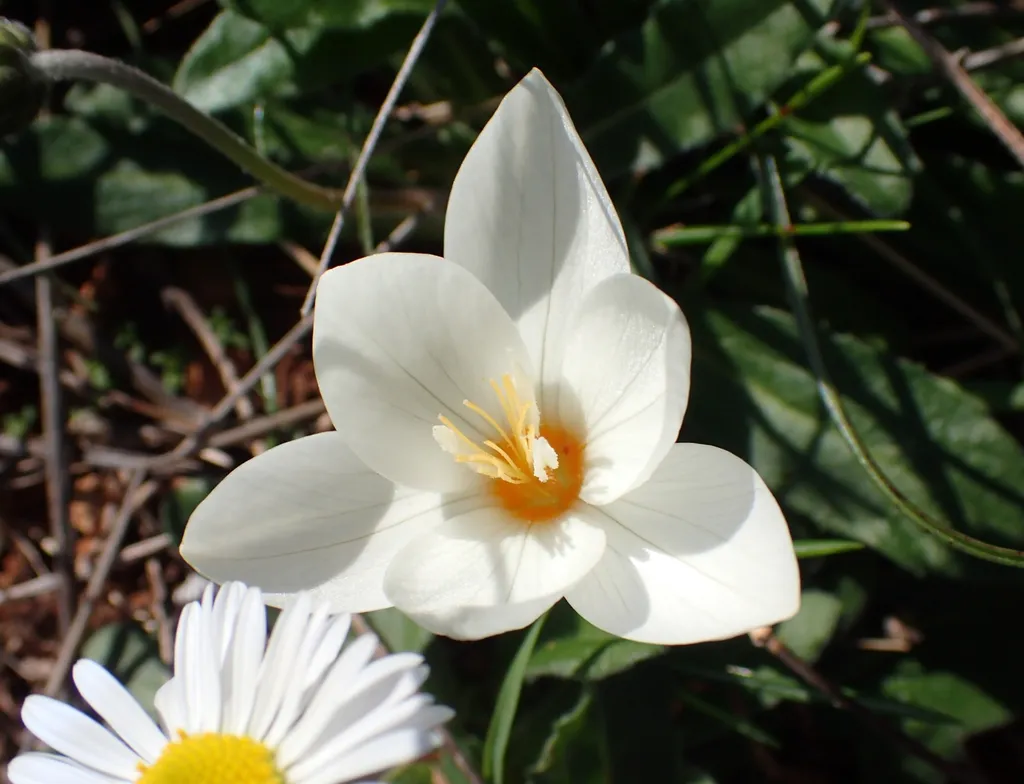
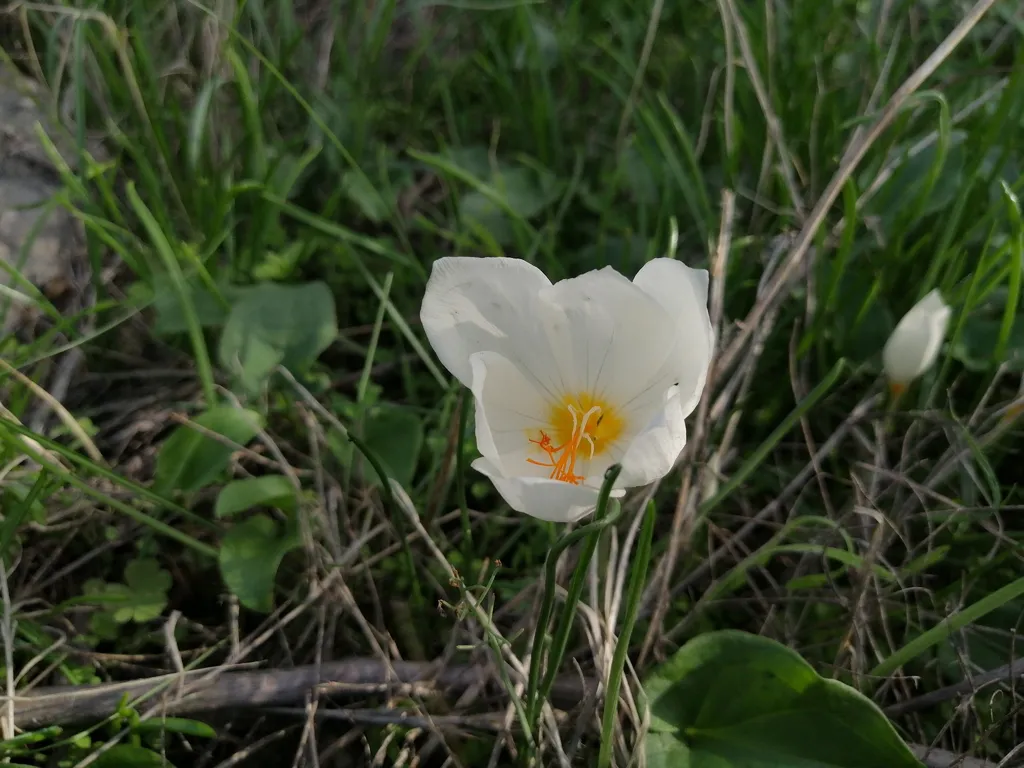
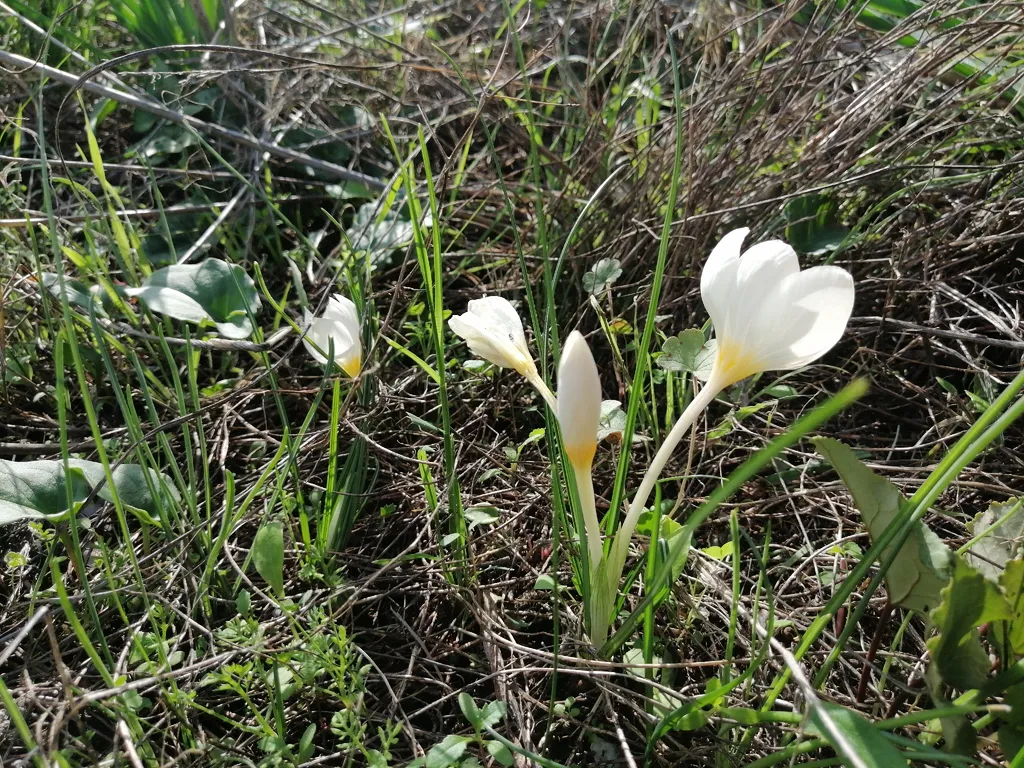
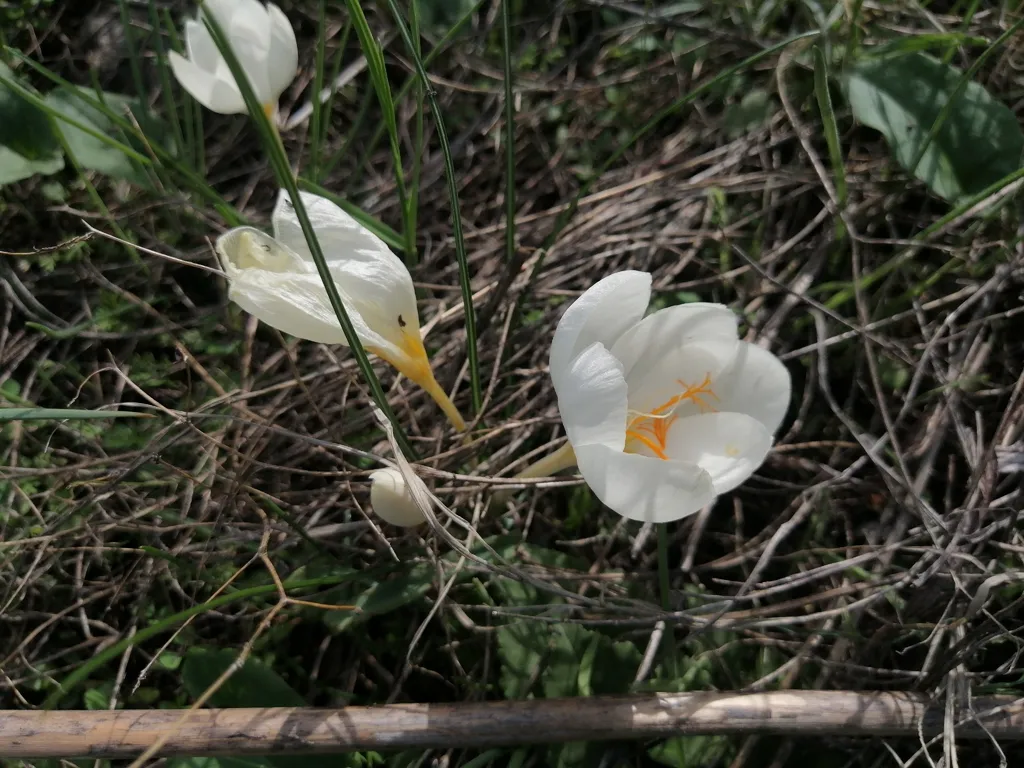
A cormous perennial 8cm high with tufted green leaves with a central silvery-white stripe, and flowers up to 5cm long, creamy white with golden yellow centres and orange stigmas and stamens, and sometimes veined or flushed mauve outside, in autumn; crocuses are a good source of pollen for pollinators
Scientific classification
- Species
- Bory crocus (Crocus boryi)
- Genus
- Crocus
- Family
- Iridaceae
- Ornamental bulbs - not to be eaten. Wear gloves and other protective equipment when handling
- Toxicity
- Bulbs
- Plant type
- Up to 10 cm
- Height
- 0-0.1 metre
- Spread
- Deciduous
- Foliage
- Tufted
- Habit
- Autumn
- Season of interest
- Full sun
- Sunlight
- Information to be completed
- Ideal temperature









Bory crocus pictures
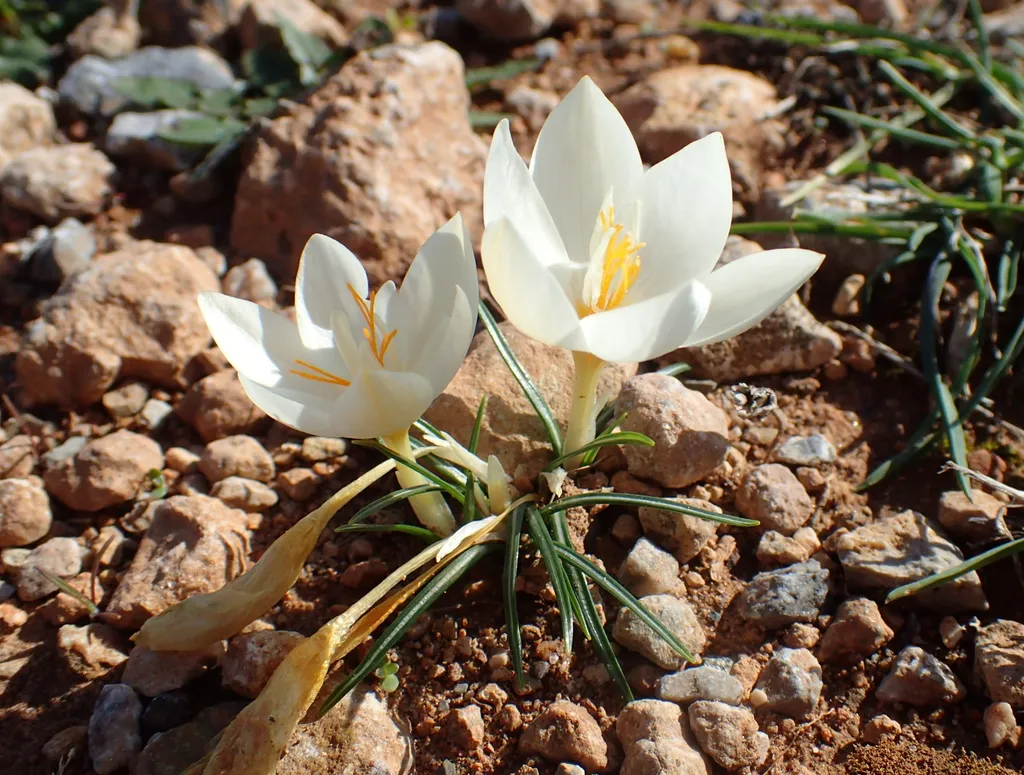
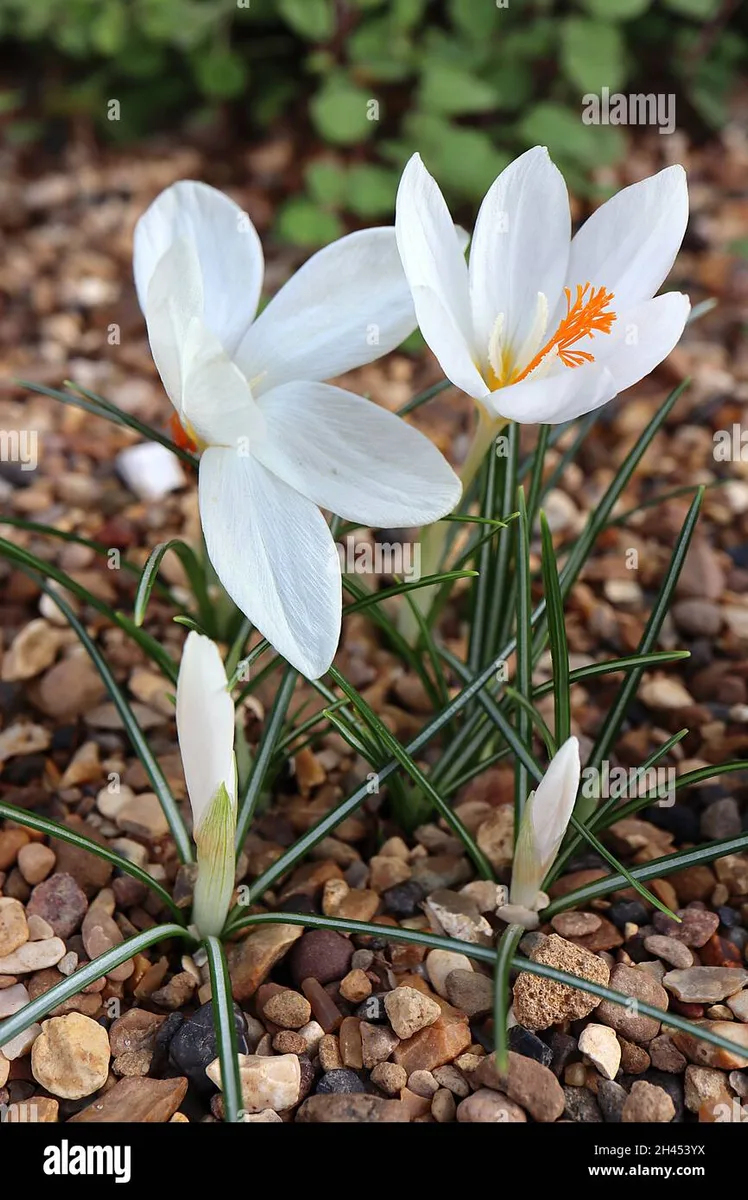
Distribution of Bory crocus
Distribution map
W and Southern Greece Crete
Information to be completed
Culture
Information to be completed
Toxicity
Ornamental bulbs - not to be eaten. Wear gloves and other protective equipment when handling
Quick identification of Bory crocus
Information to be completed
Bory crocus care guide
- Water sparingly during growth, keep dry during summer dormancy.
- Watering
- Full sun
- Sunlight
- Information to be completed
- Ideal temperature

Watering
Water sparingly during growth, keep dry during summer dormancy.
Fertilizing
 Fertilizing
Apply a low-nitrogen bulb fertilizer in early spring as growth begins.
Pruning
 Pruning
No pruning required
Propagation
 Propagation
Propagate by removing cormlets during dormancy; for more advice, see bulb propagation
Growing
 Growing
Plant 8-10cm deep in late summer in full light in a bulb frame or alpine house, in a mix of equal parts loam, leaf mould, and grit or sharp sand; in the growing season, water freely and apply a low-nitrogen fertilizer monthly, but in summer when dormant keep completely dry; for more advice, see bulb cultivation
People also ask
Information to be completed
Common pests and diseases
Diseases
Generally disease-free, corms may rot in storage
Pests
May be susceptible to rodents and birds
Explore the plant health library →




