
snow on the mountain
Also known as: ghost weed; mountain snow; mountain spurge; snow in summer; snow thoroughwort
A herbaceous, hardy annual producing a single stem reaching 30-90cm (1-3ft) high, with narrowly oval light-green leaves in spring. The uppermost leaves gradually develop broad, pure white margins during the course of the season. The flowers are produced on branched stems at the end of the main stem and consist of insignificant, petal-less, greenish-yellow true flowers, surrounded by clusters of showy white bracts.
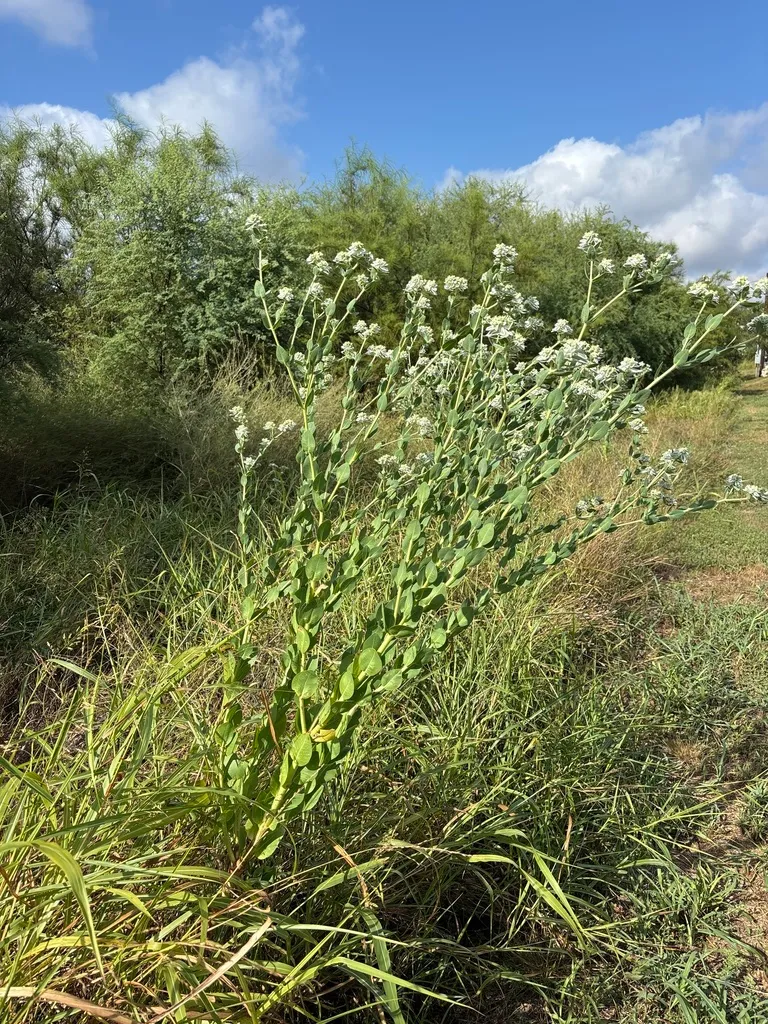
Scientific classification
- Species
- snow on the mountain (Euphorbia marginata)
- Genus
- Euphorbia
- Family
- Euphorbiaceae
- IRRITANT to skin/eye, harmful if eaten. Wear gloves and other protective equipment when handling]
- Toxicity
- Annual Biennial
- Plant type
- 0.5-1 metres
- Height
- 0.1-0.5 metres
- Spread
- Deciduous
- Foliage
- Bushy
- Habit
- Spring · Summer · Autumn
- Season of interest
- Full sun · Partial shade
- Sunlight
- Information to be completed
- Ideal temperature









snow on the mountain pictures
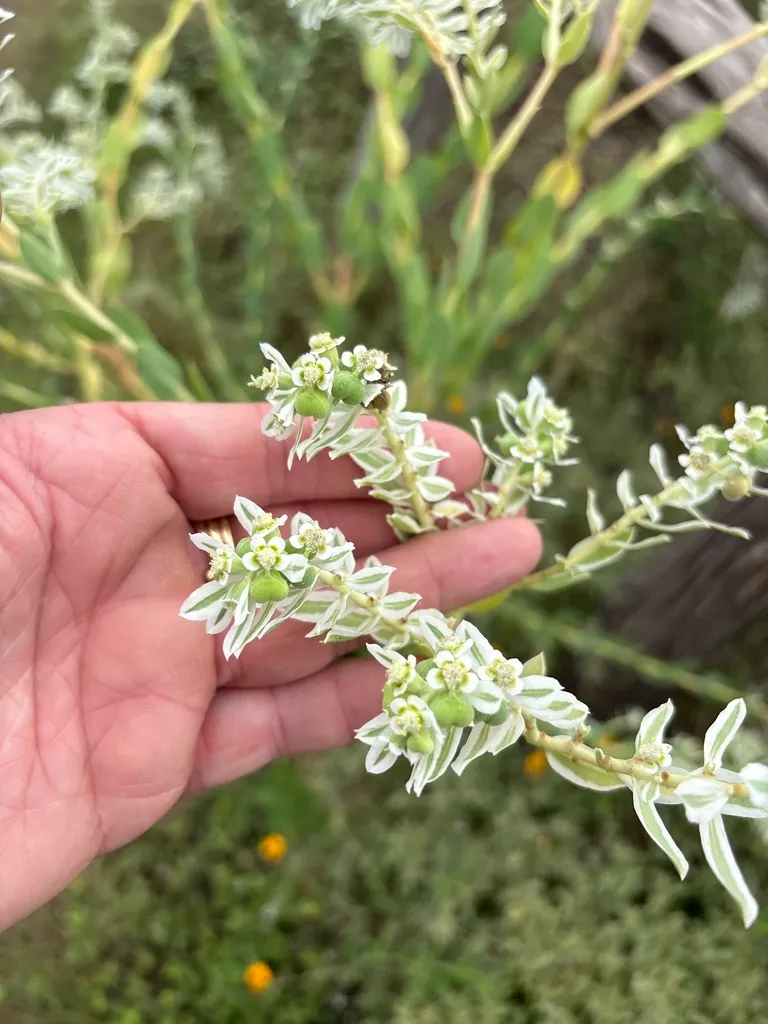
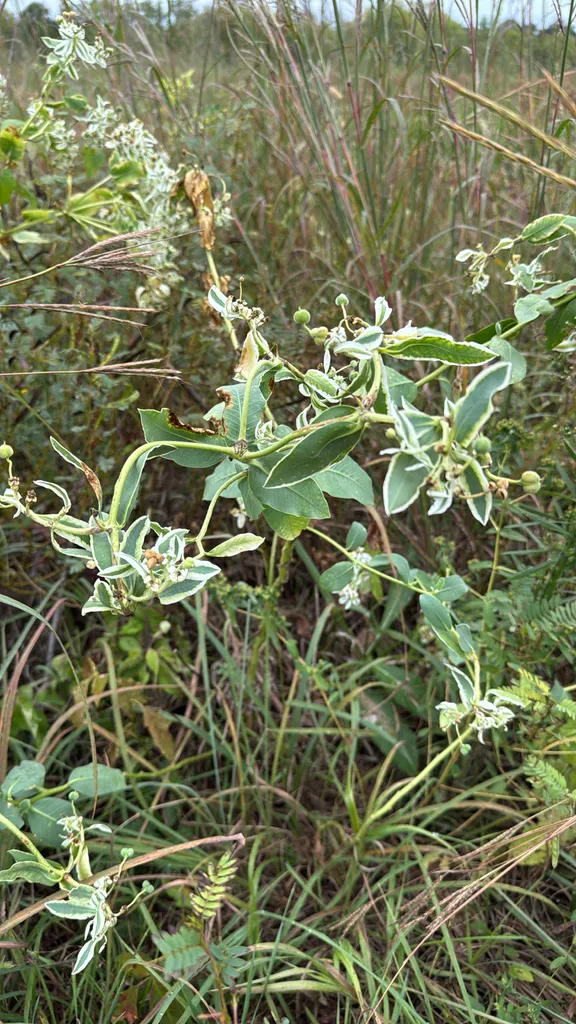
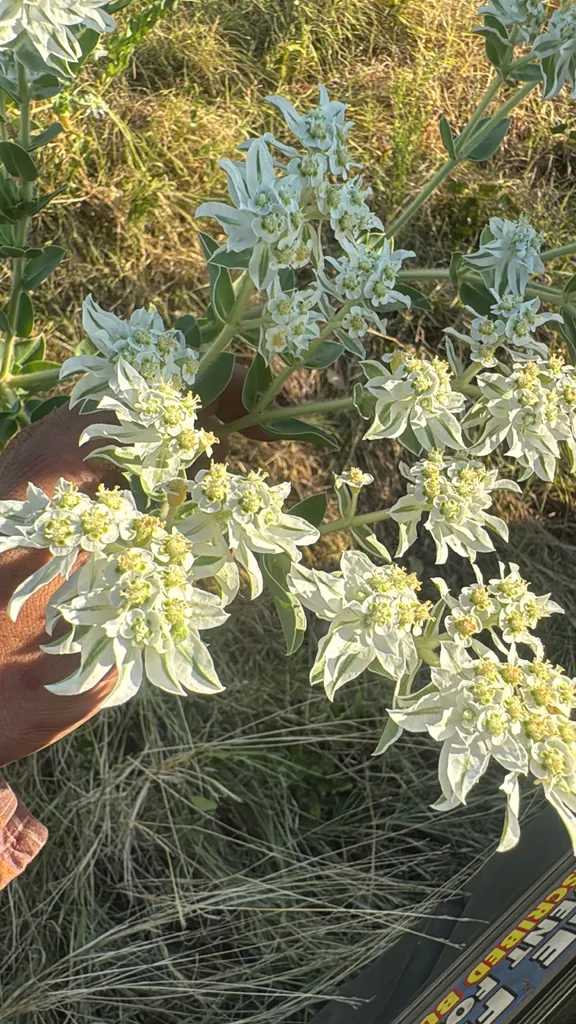
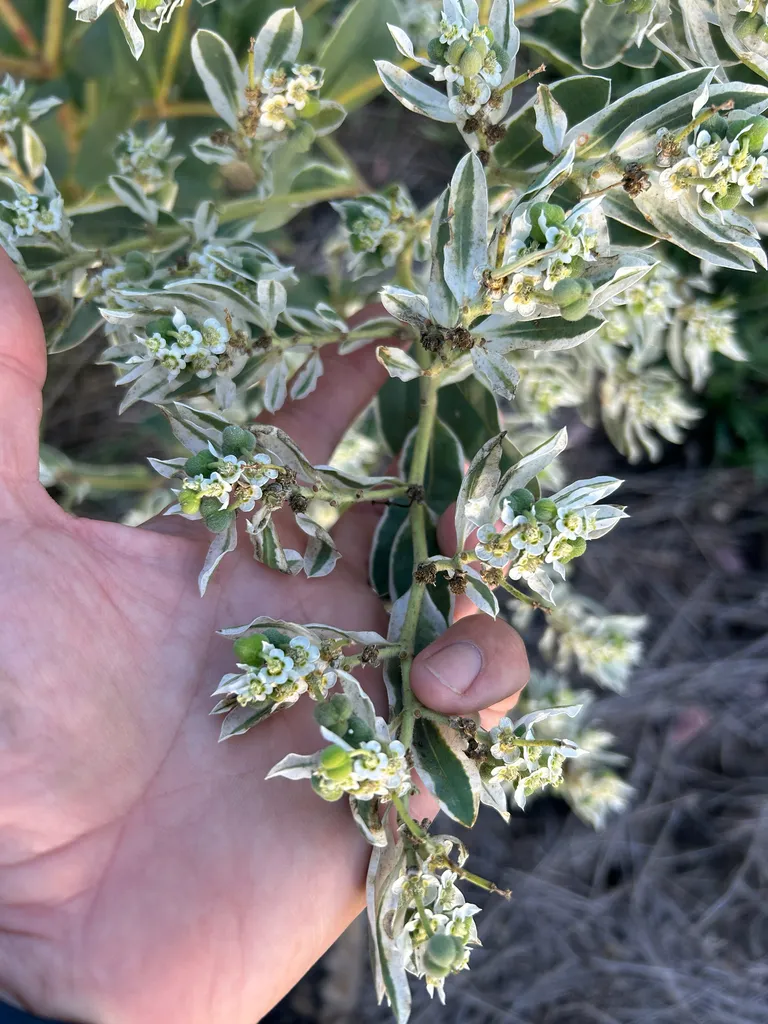
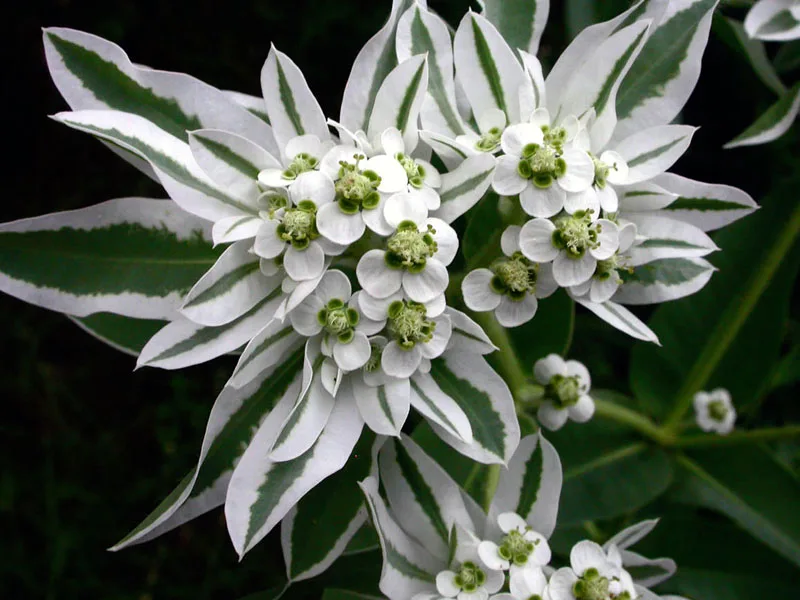
Distribution of snow on the mountain
Distribution map
- Native
- Introduced
- Cultivated
Source:WCVP v16 · Royal Botanic Gardens, Kew · CC BY 3.0 · Boundaries:WGSRPD / TDWG
Culture
Information to be completed
Toxicity
IRRITANT to skin/eye, harmful if eaten. Wear gloves and other protective equipment when handling]
Quick identification of snow on the mountain
Information to be completed
snow on the mountain care guide
- Moderate regular watering, avoid prolonged drought or waterlogging
- Watering
- Full sun · Partial shade
- Sunlight
- Information to be completed
- Ideal temperature

Watering
Moderate regular watering, avoid prolonged drought or waterlogging
Fertilizing
 Fertilizing
Balanced feed in spring and light repeat in growth season
Pruning
 Pruning
Remove plants after flowering in autumn
Propagation
 Propagation
Propagate by seed in spring
Growing
 Growing
Grows best in well-drained soil, in full sun to partial shade. See Euphorbia for further advice
People also ask
Information to be completed
Common pests and diseases
Diseases
Generally disease-free
Pests
Generally pest-free
Explore the plant health library →




