
Corsican crocus
Also known as: Information to be completed
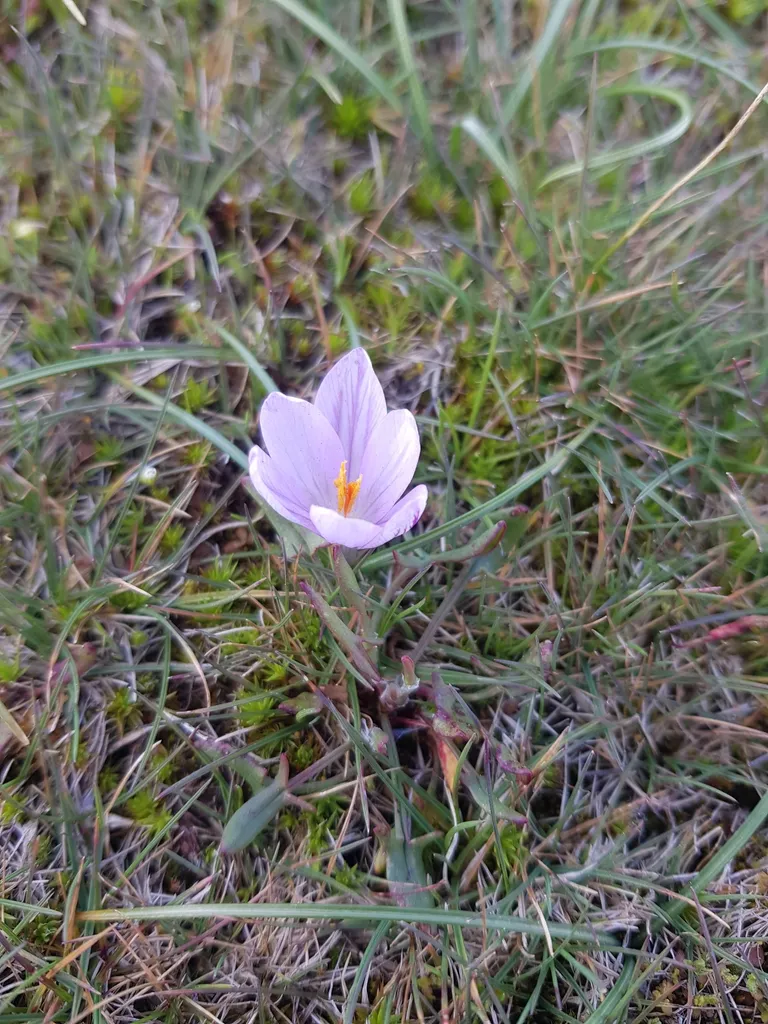
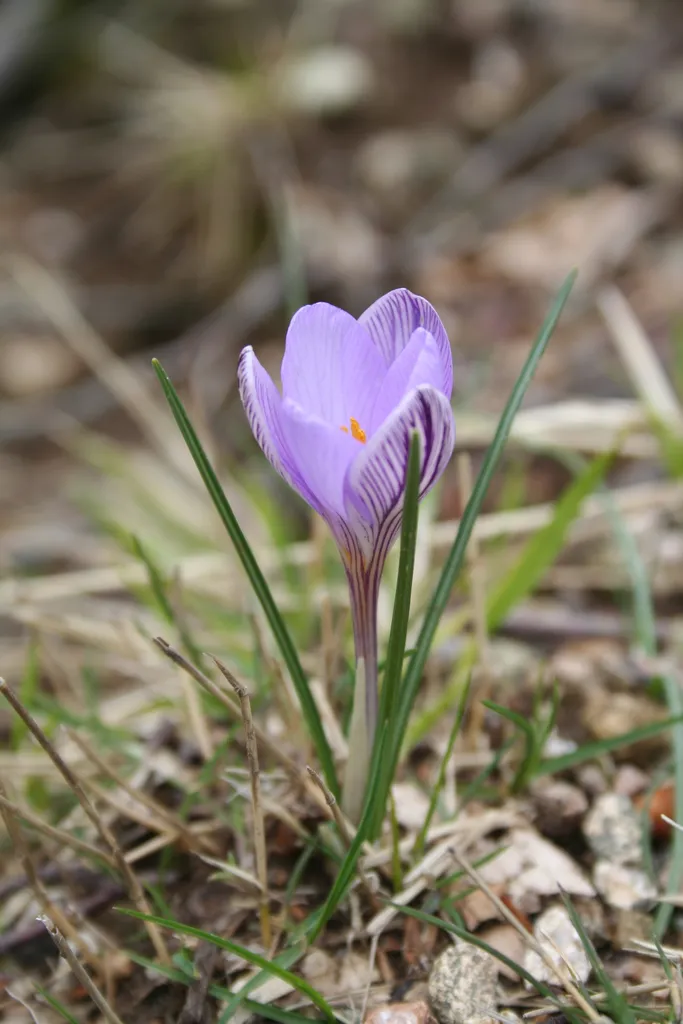
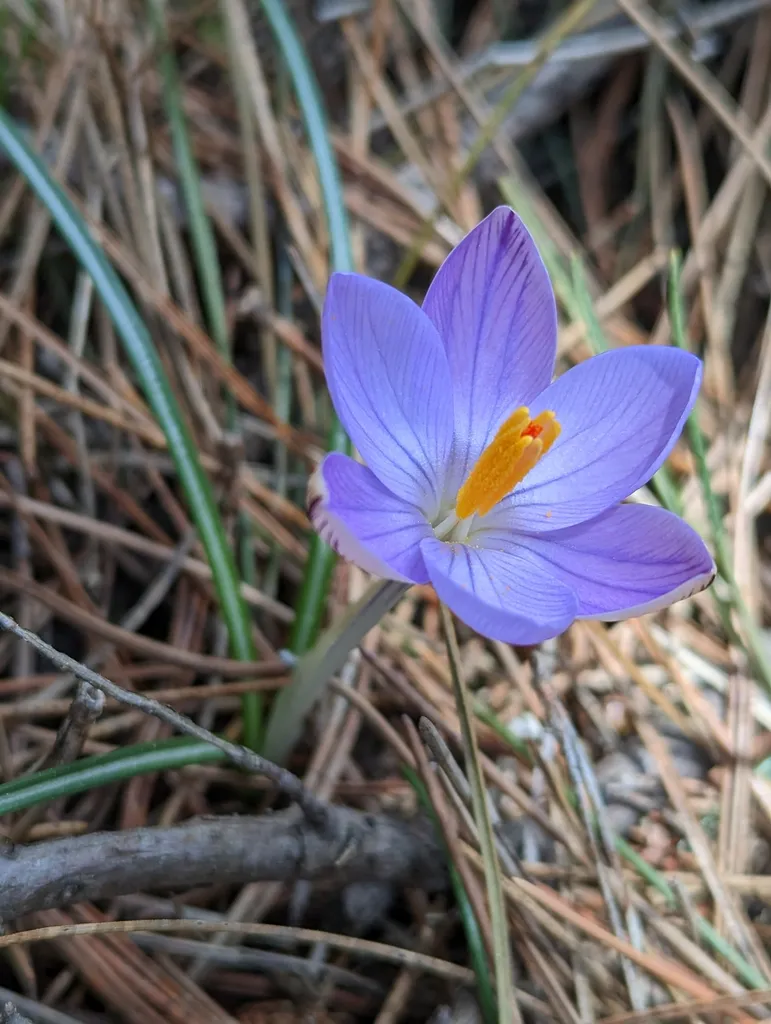
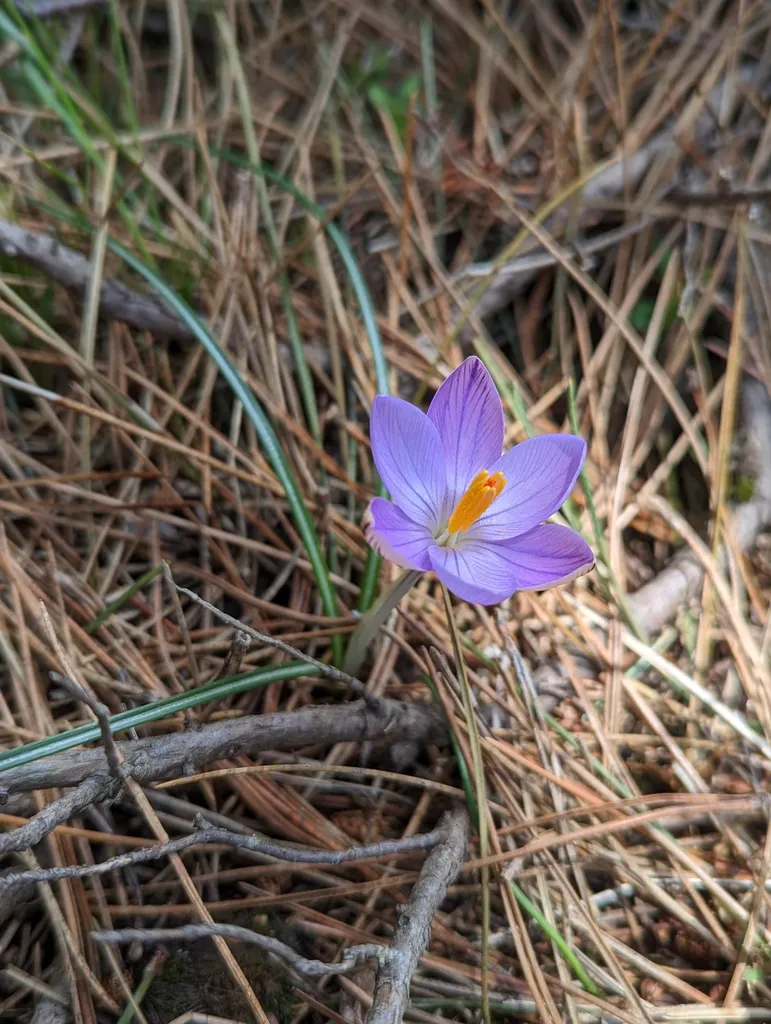
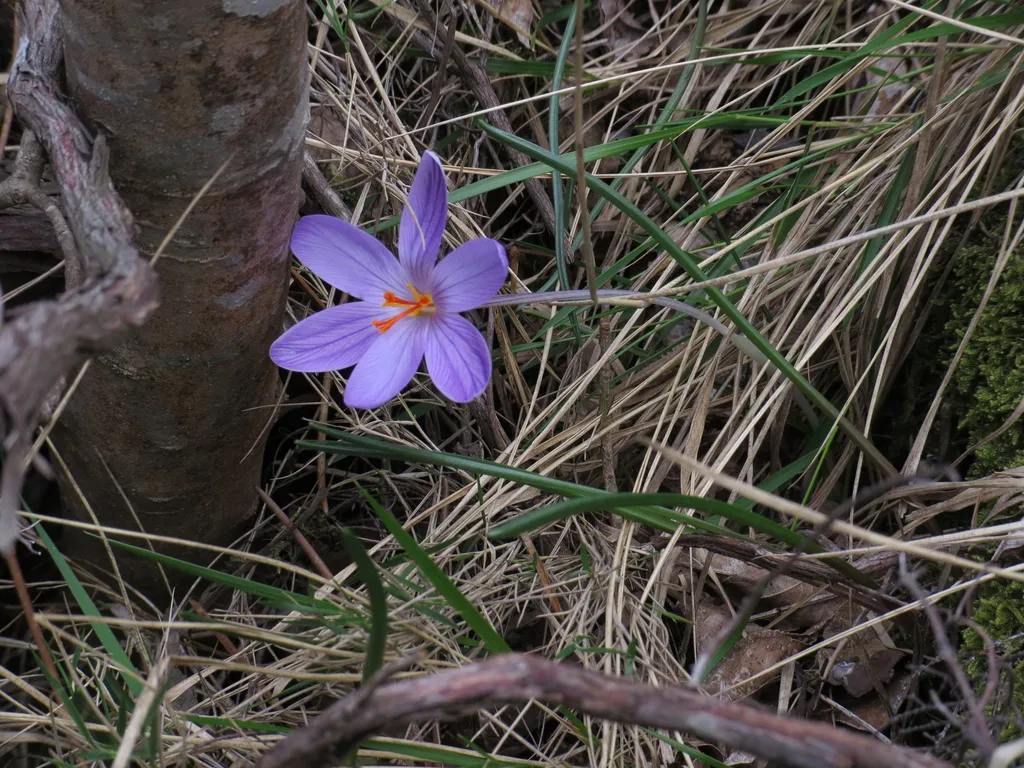
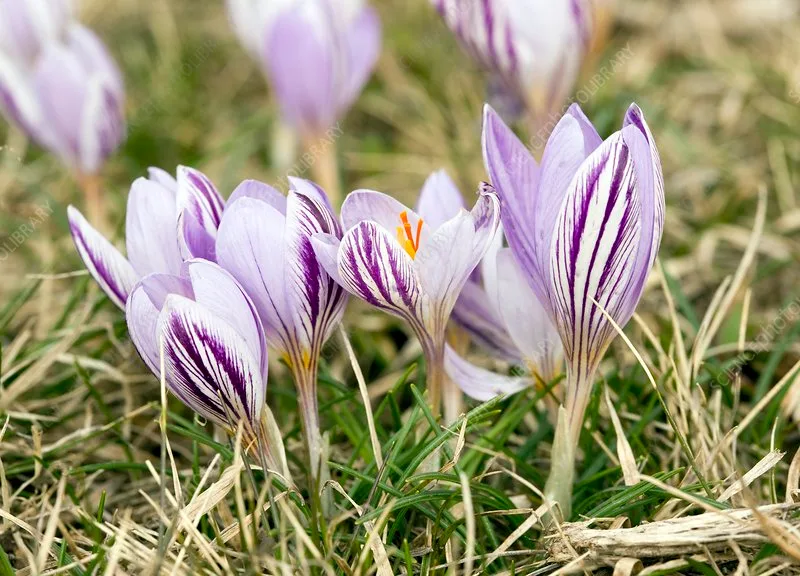
A perennial corm flowering as the leaves develop. Fragrant flowers with tepals to 3.5cm in length are lilac within, creamy outside with deep purple stripes
Scientific classification
- Species
- Corsican crocus (Crocus corsicus)
- Genus
- Crocus
- Family
- Iridaceae
- Ornamental bulbs - not to be eaten. Wear gloves and other protective equipment when handling
- Toxicity
- Bulbs
- Plant type
- Up to 10 cm
- Height
- 0-0.1 metre
- Spread
- Deciduous
- Foliage
- Tufted
- Habit
- Spring · Summer
- Season of interest
- Full sun
- Sunlight
- Information to be completed
- Ideal temperature









Corsican crocus pictures
Distribution of Corsican crocus
Distribution map
Corsica
Information to be completed
Culture
Information to be completed
Toxicity
Ornamental bulbs - not to be eaten. Wear gloves and other protective equipment when handling
Quick identification of Corsican crocus
Information to be completed
Corsican crocus care guide
- Water moderately during active growth; keep dry during summer dormancy.
- Watering
- Full sun
- Sunlight
- Information to be completed
- Ideal temperature

Watering
Water moderately during active growth; keep dry during summer dormancy.
Fertilizing
 Fertilizing
Apply a corm fertilizer at planting time; no feed needed during dormancy.
Pruning
 Pruning
No pruning required
Propagation
 Propagation
Propagate by seed sown in containers in a cold frame when ripe or remove cormlets when dormant
Growing
 Growing
Grow in a bulb frame or alpine house in a mix of equal parts loam, leaf mould and sharp sand or grit. Water freely in the growing season and apply a low-nitrogen fertiliser monthly. Keep completely dry in summer dormancy. Can be grown outdoors in a gritty, poor to moderately fertile soil
People also ask
Information to be completed
Common pests and diseases
Diseases
Generally disease-free, corms may rot in storage
Pests
May be susceptible to rodents and birds
Explore the plant health library →




