
pygmy crocus
Also known as: Information to be completed
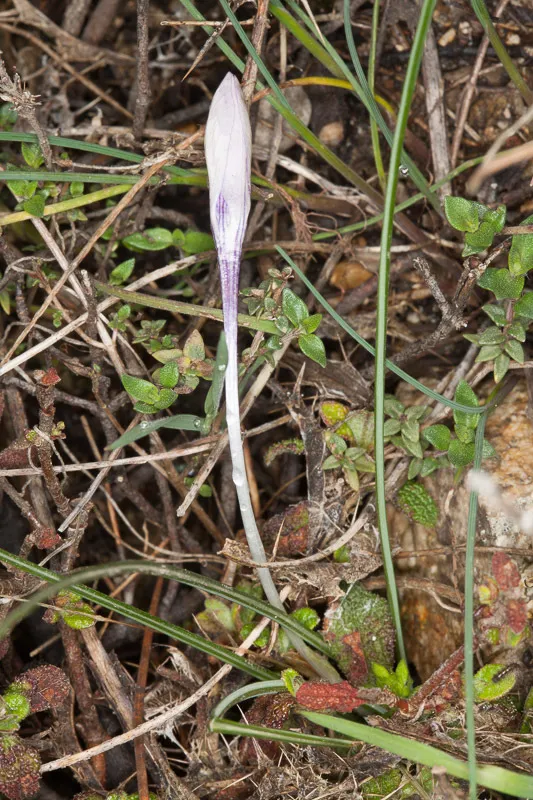
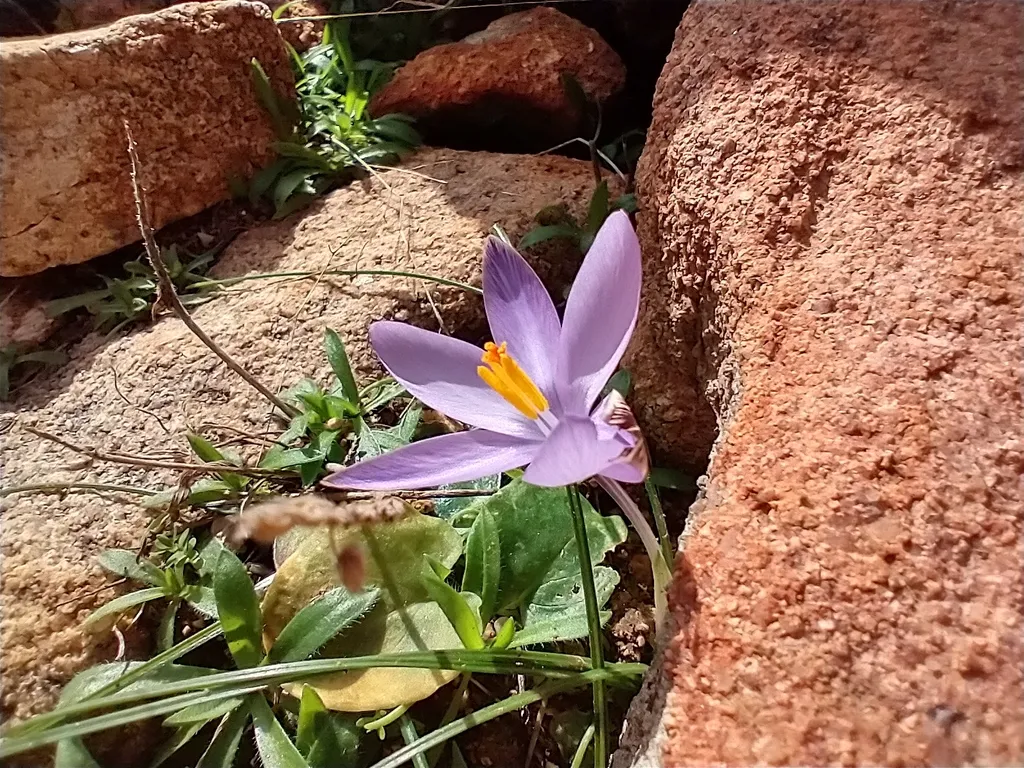
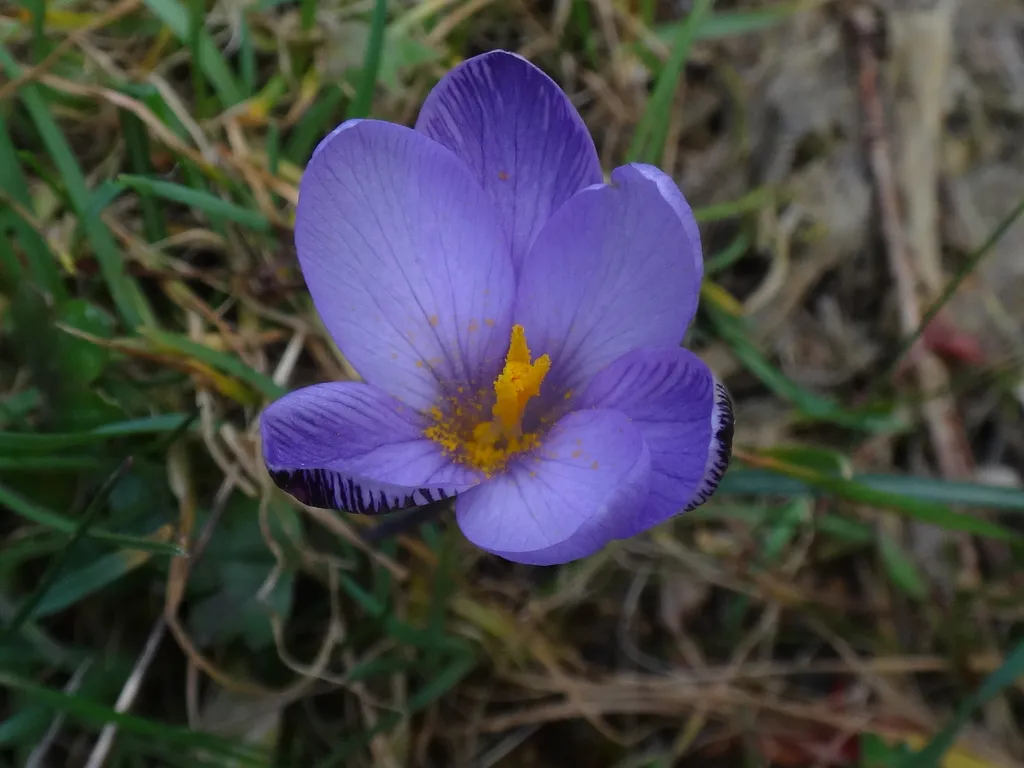
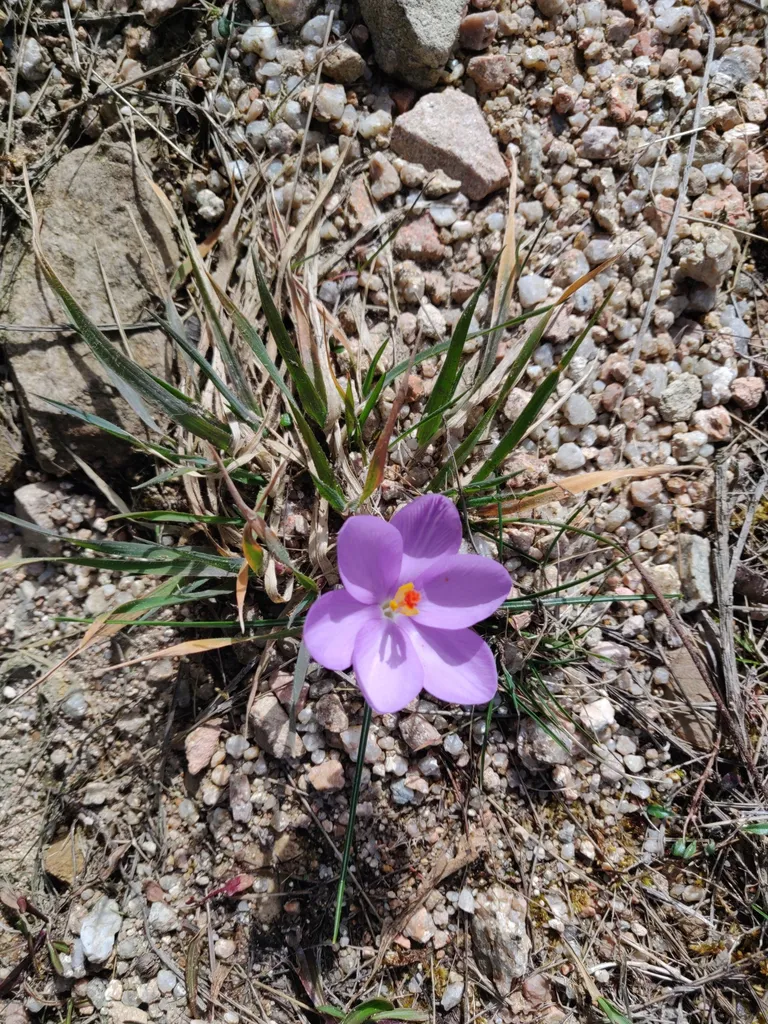
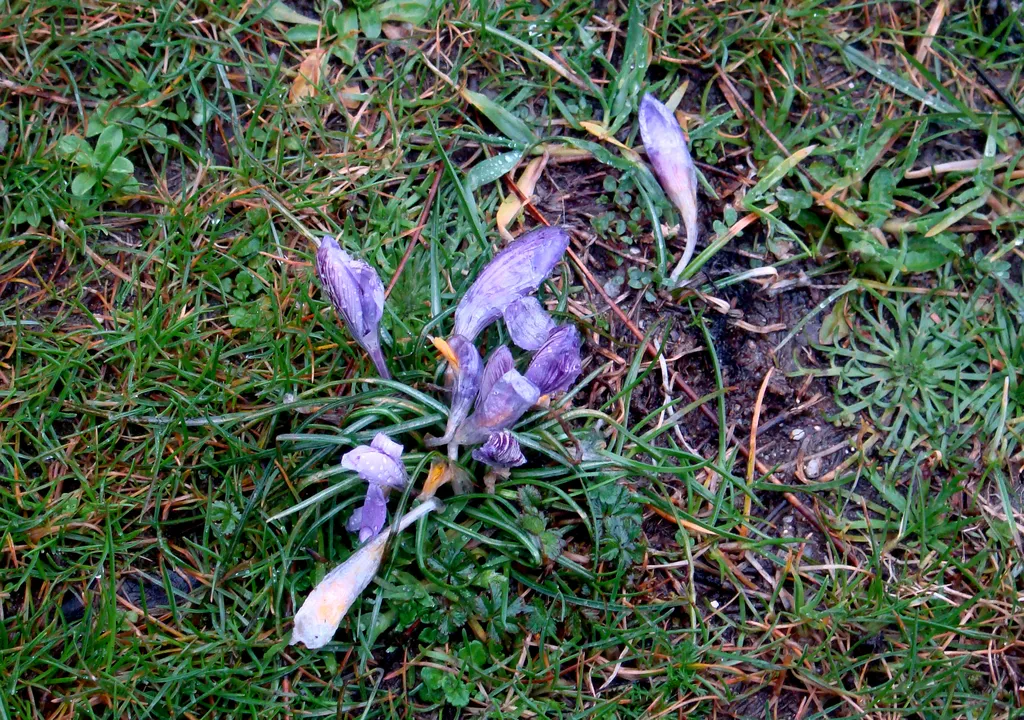
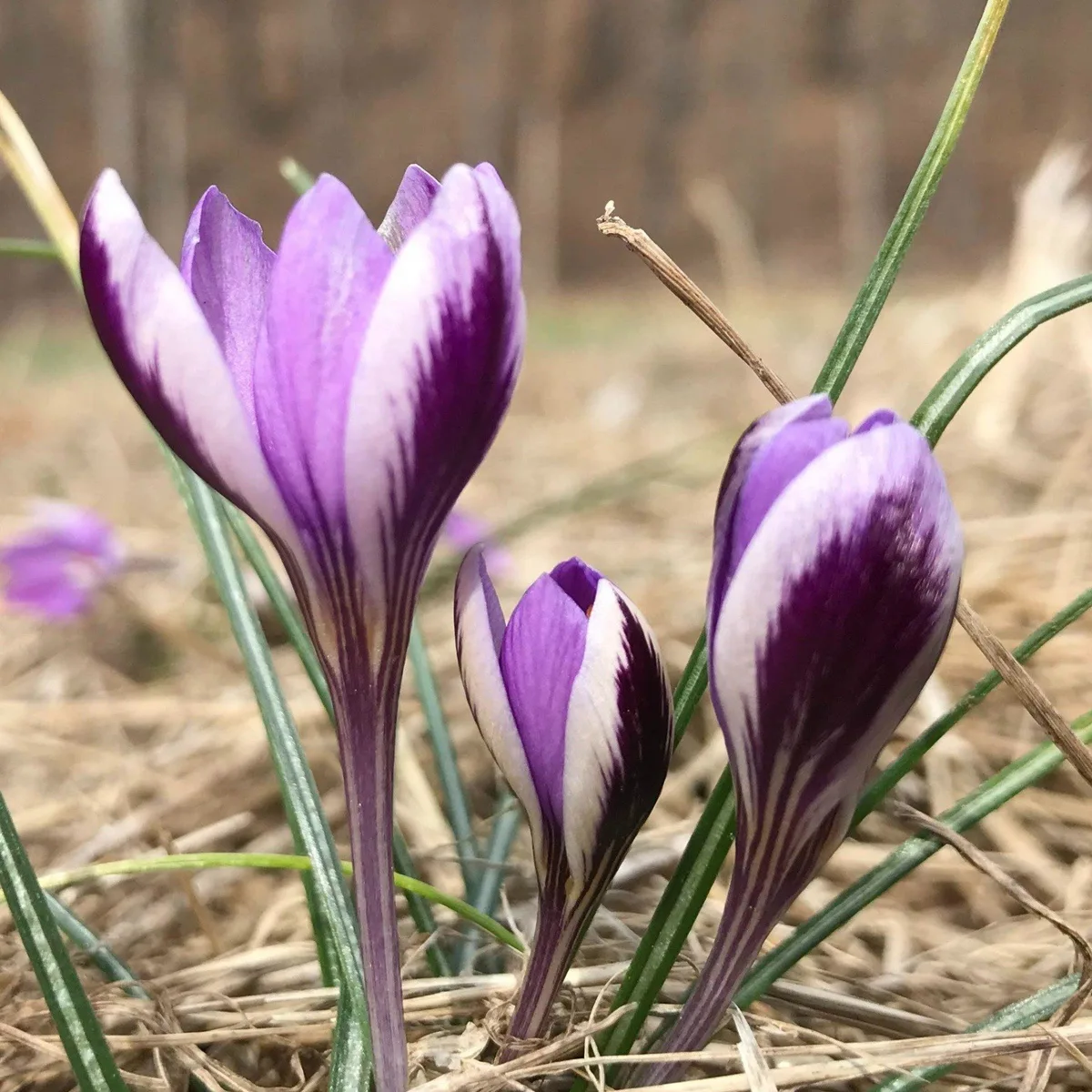
A species that flowers in late-spring, bearing one to two flowers per corm. These are violet with purple striping or feathering on the outside of the three outer petals
Scientific classification
- Species
- pygmy crocus (Crocus minimus)
- Genus
- Crocus
- Family
- Iridaceae
- Ornamental bulbs - not to be eaten. Wear gloves and other protective equipment when handling
- Toxicity
- Bulbs · Alpine Rockery
- Plant type
- Up to 10 cm
- Height
- 0-0.1 metre
- Spread
- Deciduous
- Foliage
- Information to be completed
- Habit
- Spring
- Season of interest
- Full sun
- Sunlight
- Information to be completed
- Ideal temperature









pygmy crocus pictures
Distribution of pygmy crocus
Distribution map
Corsica, Sardinia
Information to be completed
Culture
Information to be completed
Toxicity
Ornamental bulbs - not to be eaten. Wear gloves and other protective equipment when handling
Quick identification of pygmy crocus
Information to be completed
pygmy crocus care guide
- Moist soil during active growth, reduce watering after foliage declines
- Watering
- Full sun
- Sunlight
- Information to be completed
- Ideal temperature

Watering
Moist soil during active growth, reduce watering after foliage declines
Fertilizing
 Fertilizing
Light bulb fertilizer once at emergence and again after flowering
Pruning
 Pruning
None required
Propagation
 Propagation
Propagate by division of clumps or potting up of cormlets
Growing
 Growing
A cormous plant that requires a well-drained and sunny situation. Plant 5-6cm deep in late summer or early autumn. You may feed after flowering when leaves are still in active growth
People also ask
Information to be completed
Common pests and diseases
Diseases
Generally disease-free, corms may rot in storage
Pests
May be susceptible to rodents and birds
Explore the plant health library →




