
Tournefort crocus
Also known as: Information to be completed
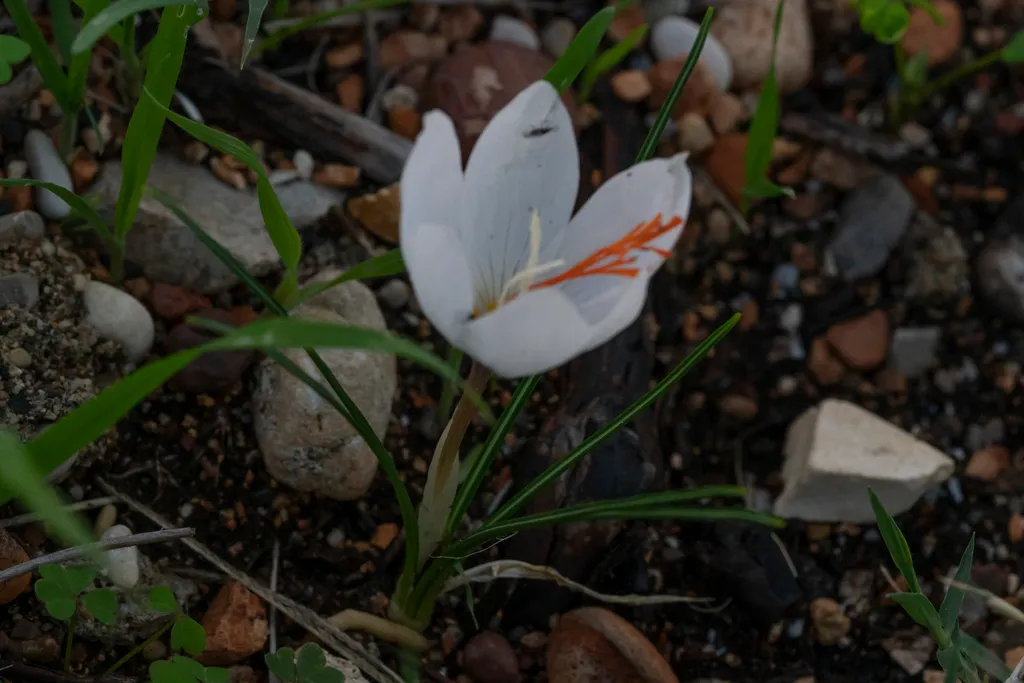
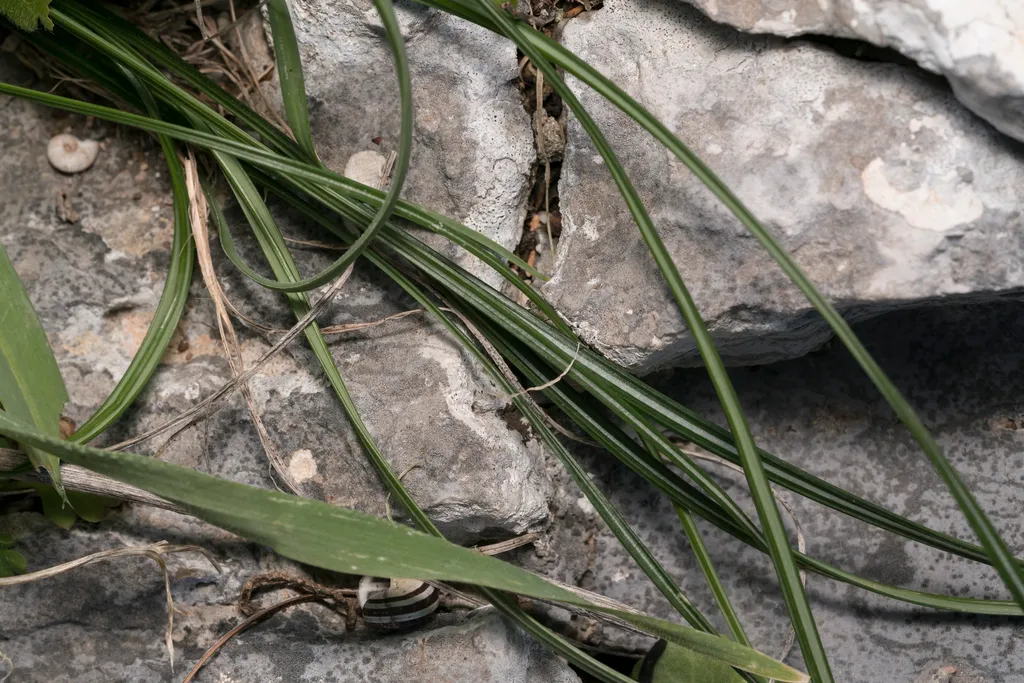
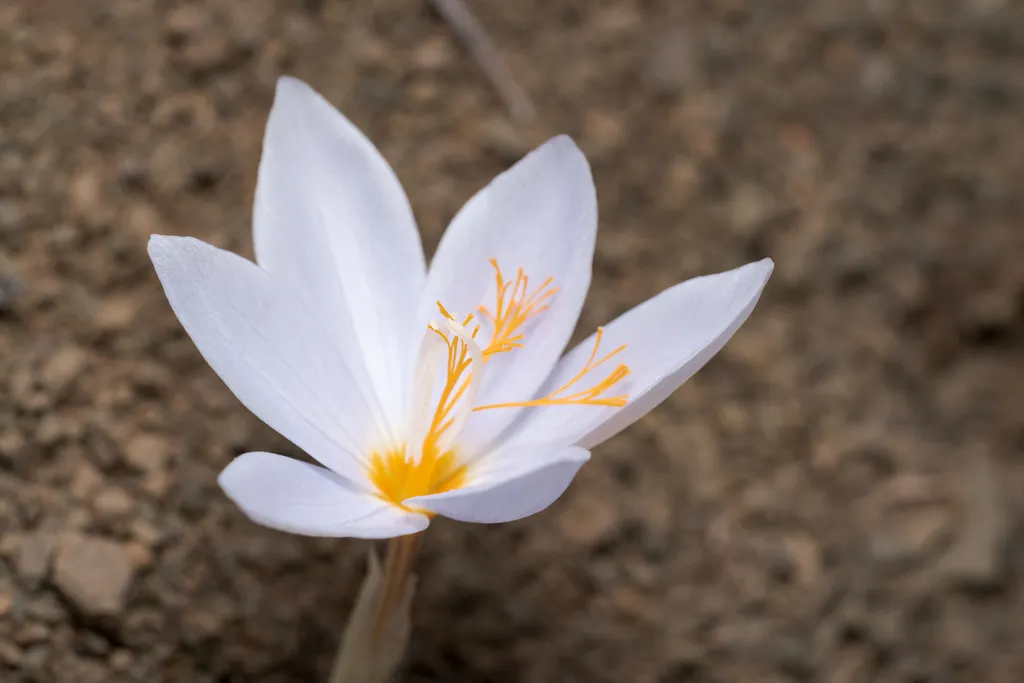
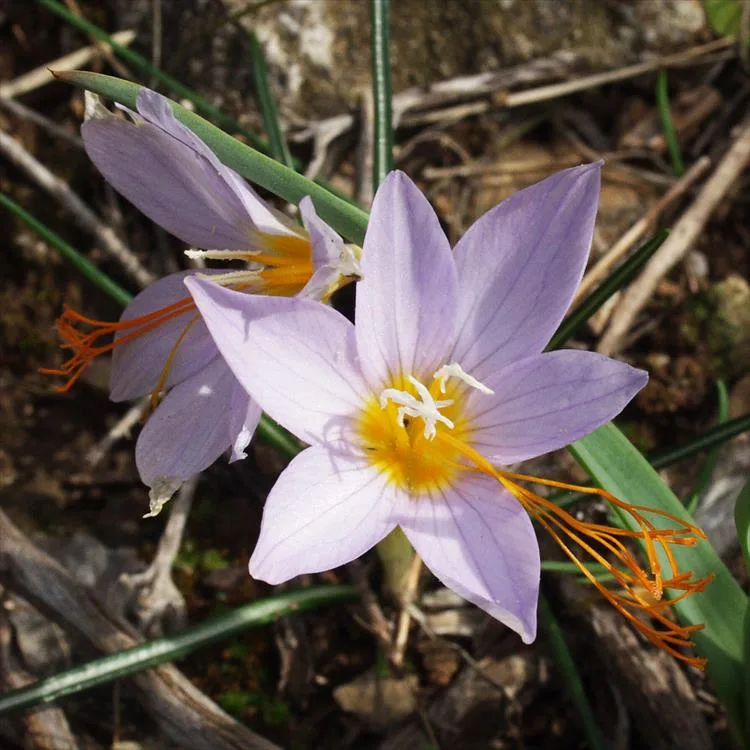
A cormous perennial, with narrow leaves appearing at the same time as the solitary lilac-blue flowers, which have a yellow throat and bright orange style branches
Scientific classification
- Species
- Tournefort crocus (Crocus tournefortii)
- Genus
- Crocus
- Family
- Iridaceae
- Order
- Asparagales
- Class
- Liliopsida
- Phylum
- Tracheophyta
- Ornamental bulbs - not to be eaten. Wear gloves and other protective equipment when handling
- Toxicity
- Bulbs
- Plant type
- Up to 10 cm
- Height
- 0-0.1 metre
- Spread
- Deciduous
- Foliage
- Tufted
- Habit
- Winter
- Season of interest
- Full sun
- Sunlight
- Information to be completed
- Ideal temperature









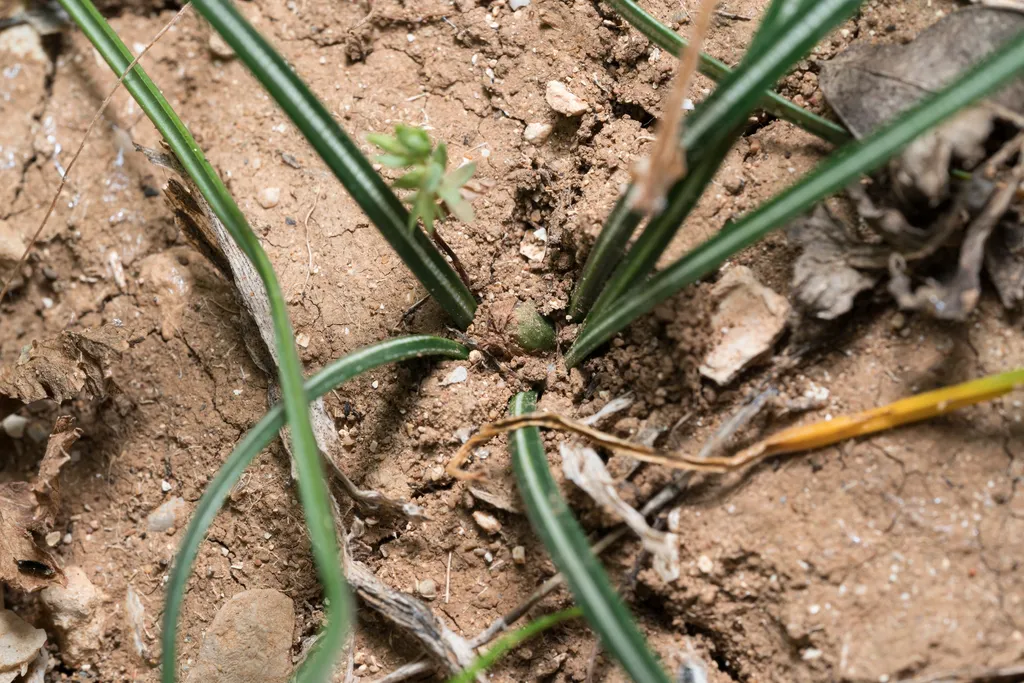
Tournefort crocus pictures
Distribution of Tournefort crocus
Distribution map
- Native
- Introduced
- Cultivated
Source:WCVP v16 · Royal Botanic Gardens, Kew · CC BY 3.0 · Boundaries:WGSRPD / TDWG
Toxicity
Ornamental bulbs - not to be eaten. Wear gloves and other protective equipment when handling
Tournefort crocus care guide
- Regular moderate watering, drastically cut irrigation after foliage fades away
- Watering
- Full sun
- Sunlight

Watering
Regular moderate watering, drastically cut irrigation after foliage fades away
Fertilizing
 Fertilizing
Balanced perennial feed every four weeks spring through summer growth
Pruning
 Pruning
No pruning required
Propagation
 Propagation
Propagate by seed sown in containers in a cold frame when ripe or remove cormlets when dormant
Growing
 Growing
Grow in a bulb frame or alpine house in a mix of equal parts loam, leaf mould and sharp sand or grit. Water freely in the growing season and apply a low-nitrogen fertiliser monthly. Keep completely dry in summer dormancy. Can be grown outdoors in a gritty, poor to moderately fertile soil
Common pests and diseases
Diseases
Generally disease-free, corms may rot in storage
Pests
May be susceptible to rodents and birds
Explore the plant health library →




