
ivy 'Shamrock'
Also known as: clover-leaf ivy
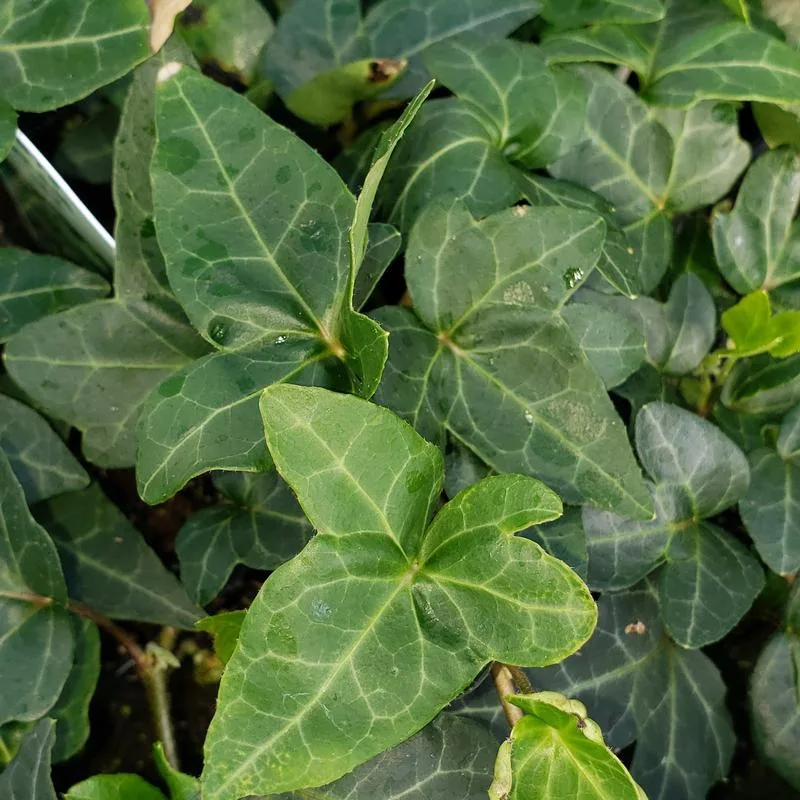
Evergreen climber about 1m tall, with small, dark green leaves consisting of a large ovate central lobe and two smaller side lobes; makes a good houseplant or topiary use
Scientific classification
- Species
- ivy 'Shamrock' (Hedera helix 'Shamrock')
- Genus
- Hedera
- Family
- Araliaceae
- Order
- Apiales
- Class
- Magnoliopsida
- Phylum
- Magnoliophyta
- Harmful if eaten, skin irritant. Wear gloves and other protective equipment when handling]
- Toxicity
- Climber Wall Shrub · Houseplants
- Plant type
- 0.5-1 metres
- Height
- 0.1-0.5 metres
- Spread
- Evergreen
- Foliage
- Climbing
- Habit
- Spring · Summer · Autumn · Winter
- Season of interest
- Full shade · Full sun · Partial shade
- Sunlight
- Information to be completed
- Ideal temperature









ivy 'Shamrock' pictures
Toxicity
Harmful if eaten, skin irritant. Wear gloves and other protective equipment when handling]
ivy 'Shamrock' care guide
- Water moderately, allow slight drying between waterings
- Watering
- Full shade · Full sun · Partial shade
- Sunlight

Watering
Water moderately, allow slight drying between waterings
Fertilizing
 Fertilizing
Light balanced feed in spring and summer
Pruning
 Pruning
Routine pruning is unnecessary; shorten overlong shoots to fit the available space. For last-year flowering growth, prune after flowering; for current-year flowering growth, prune in late winter or spring. This guidance is for established plants.
Propagation
 Propagation
Propagate by softwood cuttings or layering at any time. Root semi-ripe or hardwood cuttings from summer to winter
Growing
 Growing
Tolerant of a range of soils and conditions but grows best in ferile, humus-rich well-drained alkaline soil in a sheltered spot. Ideal for patio containers, or as a houseplant. See Hedera (ivy) cultivation
Common pests and diseases
Diseases
May be susceptible to honey fungus (rarely) and a leaf spot
Pests
May be susceptible to glasshouse red spider mite, scale insects, vine weevil and aphids
Explore the plant health library →




